

In The Media
John Judis
{
  "authors": [
    "John Judis"
  ],
  "type": "legacyinthemedia",
  "centerAffiliationAll": "",
  "centers": [
    "Carnegie Endowment for International Peace"
  ],
  "collections": [],
  "englishNewsletterAll": "",
  "nonEnglishNewsletterAll": "",
  "primaryCenter": "Carnegie Endowment for International Peace",
  "programAffiliation": "",
  "programs": [],
  "projects": [],
  "regions": [
    "United States"
  ],
  "topics": [
    "Political Reform"
  ]
}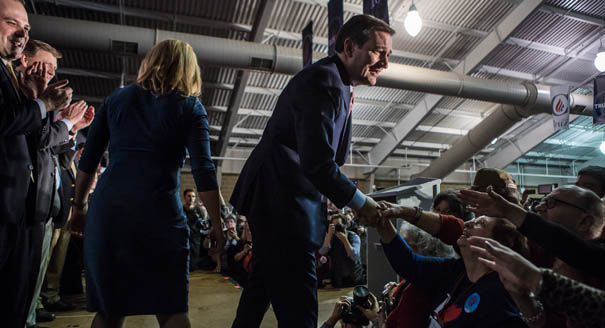
Source: Getty
The Republicans came out ahead in the Iowa Caucuses.
Source: Talking Points Memo
I believe the Republicans came out ahead in the Iowa Caucuses. If Donald Trump had won the caucus, he may have been able to close out the nomination battle by winning Iowa, New Hampshire, and South Carolina. But the Republicans now have a three-man race, and one of the candidates, Marco Rubio, would be difficult for the Democrats to defeat in November.
The Democratic results – a virtual tie between Hillary Clinton and Bernie Sanders – suggests that the Democratic contest will go well into March. I love Bernie Sanders, and I think his campaign is making an enormous contribution to America’s future, but I don’t think he can win in November. He’ll run up against deep-seated skepticism about big government and tax increases. For the time being, he is too far to the left to win a national election unless he faced someone who was equally on the far right. And his age could also be a handicap.With her extensive experience, and credibility as a future president, Clinton could be a more formidable candidate, but she is once again running a dreadful campaign. Her speech tonight was typical: a set of lists of what needs to be done delivered in a shout. And the results showed again that she is failing to inspire young voters, who have to come out in large number for a Democrat to win the presidency. In polls, she lost 18 to 29 year old voters to Sanders by 84 to 13 percent.
Clinton also displayed continuing weakness in connecting with voters. The quarter of Democratic voters who want a candidate who “cares about people like you” preferred Sanders by three to one. Those who wanted a candidate who was “honest and trustworthy” preferred Sanders by 82 to 11 percent. These kind of concerns could plague Clinton in the general election.
Cruz won the primary by bringing out Iowa’s hard right voters – a constituency that is somewhat unrepresentative, outside the deep South and a few prairie states, of the Republican or American electorate. He did best among the 40 percent of Iowa caucus goers who identified themselves as “very conservative.” He got only 9 percent of the moderate Republican vote. He also did best of the candidates among born-again Christians. Trump did best among voters with a high school degree or less (who made up only 16 percent of the GOP caucus goers) and among the 13 percent who thought immigration was the most important issue.
Rubio got all the late-comers to the election, and if you look at the difference between the final polls and the results, he seems to have shifted about six or seven percent of the vote from Trump to himself. Among the 20 percent of the caucus goers who put a priority on a candidate who could win in November, he got 43 percent of their vote. He did well among young voters, college-educated voters , moderates and somewhat conservatives. This bodes well for later Republican primaries in big states that Obama won, as well in the South, and also can make him a formidable candidate in November. Trump still has to be the favorite in New Hampshire, but Rubio could gain second place and find himself in a strong position as the campaign moves South. The Democrats should worry.
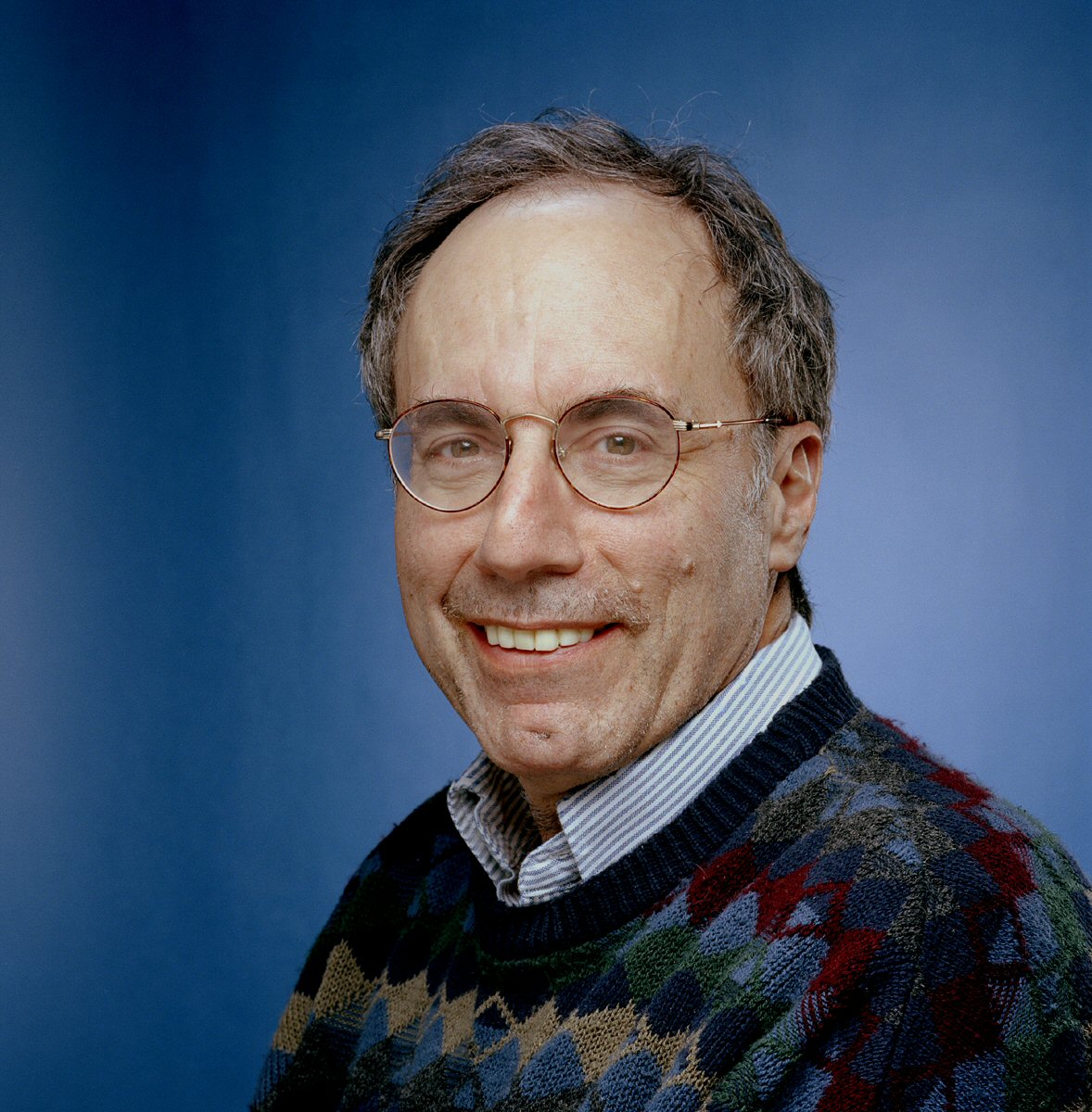
Former Visiting Scholar
As a visiting scholar at Carnegie, Judis wrote The Folly of Empire: What George W. Bush Could Learn from Theodore Roosevelt and Woodrow Wilson.
Recent Work
John Judis
John Judis
Carnegie does not take institutional positions on public policy issues; the views represented herein are those of the author(s) and do not necessarily reflect the views of Carnegie, its staff, or its trustees.
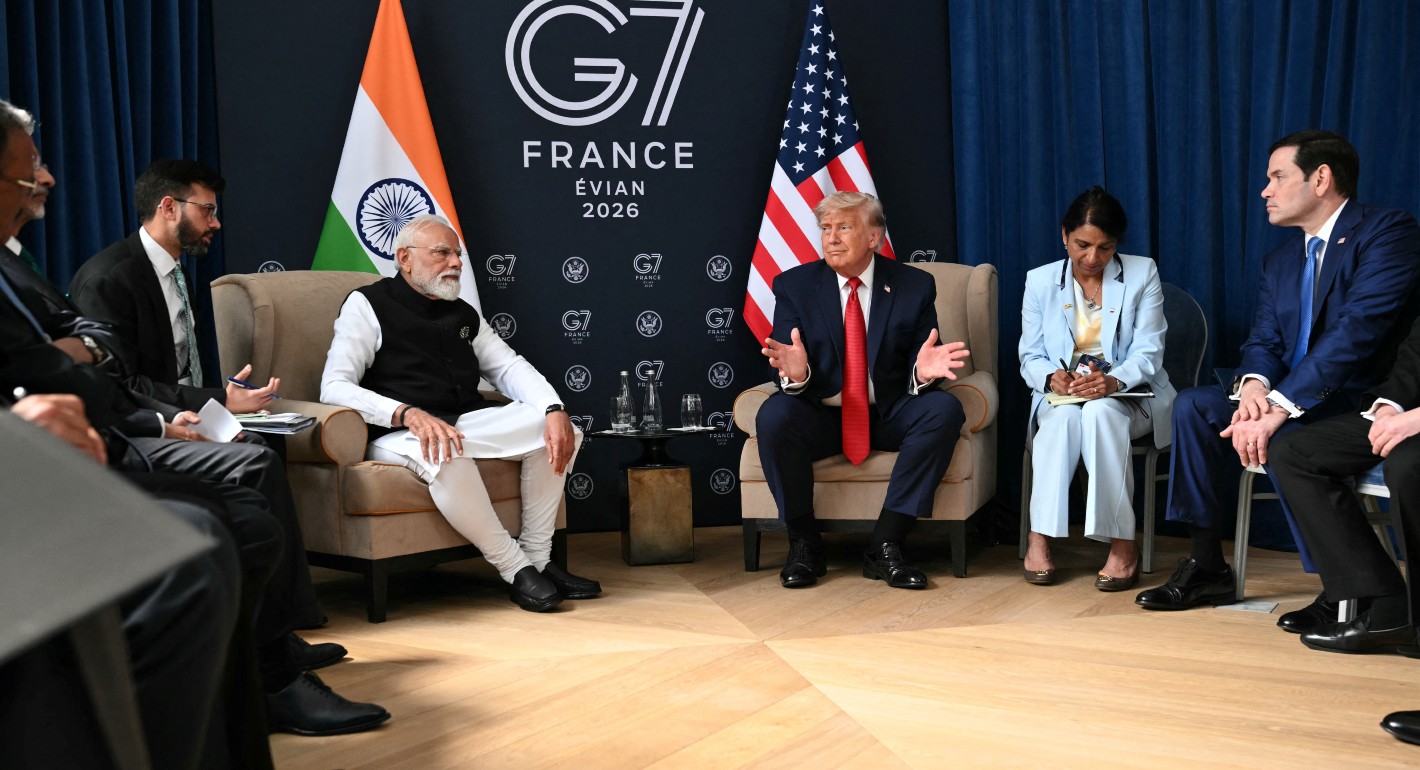
Despite public disputes over trade and immigration, the strategic partnership’s foundations remain sturdy.
Sameer Lalwani

It signals a new era of tech diffusion and warfare.

Steve Feldstein

Putin’s conservative staffing policies and search for ever greater control have cemented parliament’s transformation into a bureaucratic appendage of the executive branch.

Andrey Pertsev

Ahead of a tough winter for Ukraine, Donald Trump’s swing back toward Russia bodes ill. But instead of panicking, Kyiv’s European allies are focusing on action.

Rym Momtaz

Despite its flop at the box office, the film raises important questions for the climate community to answer.

Leonardo Martinez-Diaz