

Article
C. Raja Mohan, Darshana M. Baruah
{
  "authors": [
    "C. Raja Mohan"
  ],
  "type": "legacyinthemedia",
  "centerAffiliationAll": "dc",
  "centers": [
    "Carnegie Endowment for International Peace",
    "Carnegie India"
  ],
  "collections": [],
  "englishNewsletterAll": "ctw",
  "nonEnglishNewsletterAll": "",
  "primaryCenter": "Carnegie India",
  "programAffiliation": "SAP",
  "programs": [
    "South Asia"
  ],
  "projects": [],
  "regions": [
    "United States",
    "North America",
    "South Asia",
    "India"
  ],
  "topics": [
    "Political Reform",
    "Foreign Policy"
  ]
}
Source: Getty
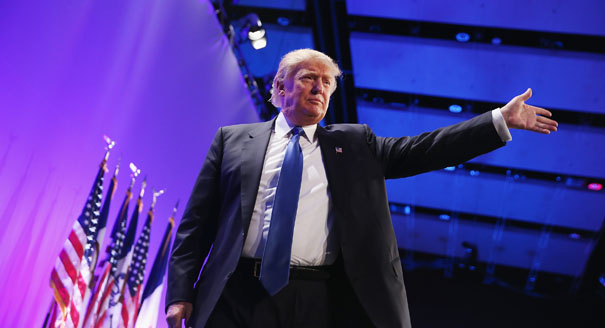
Whether they survive the primaries or not, Trump and Sanders reflect the growing American unease with the postwar consensus in Washington on the terms of U.S. engagement with the world.
Source: Indian Express
As American voters begin to speak up this week in Iowa and the next in New Hampshire, India must wake up to potential shifts in America’s domestic politics and their consequences for the global balance of power. The prospect for a significant American reorientation should be of considerable concern for policymakers in New Delhi, businessmen in Mumbai, high-tech executives in Bangalore, and potential migrants from Chennai to Chandigarh and Hyderabad to Kolkata.
Consider the current political scene in America for a moment: Donald Trump, a real estate tycoon and a former Democrat with outlandish views on Muslims and Mexicans is likely to come out on top in Iowa and New Hampshire. He is set to deepen the turmoil in the Republican Party by winning the third primary in South Carolina. Meanwhile, a self-proclaimed “socialist” — a rare political species in America — Bernie Sanders is holding up the coronation of Hillary Clinton as the Democratic Party’s presidential candidate.Given the growing intensity and complexity of India’s relationship with America, Delhi must look beyond the old questions that animated it: Who is good for India, Democrats or Republicans? The party system in America is very different from that in European and Asian democracies. National policies are not debated along party lines. In any event, over the last decade and a half, Delhi has enjoyed strong bipartisan support over in Washington.
Delhi must also begin to go beyond issues like Pakistan and H-1B visas to appreciate the changing politics in America. The ups and downs in America’s ties with Pakistan and China, and the new president’s approach to Afghanistan and migration are, of course, very important for Delhi. India’s expanding stakes in the United States, however, demand a less instrumental and more strategic view of American politics.
In the middle of last year, it looked like America was set for a comforting reprise of Clinton-versus-Bush and all the predictability it meant for US engagement with the world. The conventional wisdom was that Hillary Clinton, the wife of former President Bill Clinton, and Jeb Bush, the son of former president George H.W. Bush and brother of George W., would simply be crowned as the candidates of the Democratic and Republican Parties respectively this year.
That Clinton looks shaky amid the surge of Sanders and Bush finds himself at the bottom of the Republican heap demonstrates the volatility of American politics at the current juncture. Sanders on the left and Trump on the right have altered the political discourse this election season by challenging the broad bipartisan consensus on market liberalism at home and internationalism abroad.
Leftwing insurgencies in the Democratic Party are not new and have generally been contained in recent decades. Unlike Sanders, who might not survive the extended war against Clinton, Trump is shaking the Republican political establishment to the core.
Trump’s abrasive personal style and outlandish political views — for example, his proposal for a temporary ban on the entry of Muslims into America — are more than an embarrassment for the political elites. Trump is indeed contesting all the core assumptions of the Republican establishment — small government, tax breaks for the rich, more migration and a large international role for America.
There have been candidates in the past who had questioned one or two of these assumptions. Trump is challenging all of them at the same time and finding resonance with the voters. Trump is railing against the excesses of Wall Street, attacking multinational corporations for moving jobs overseas and criticising free-trade treaties. He wants to tax the rich and wants the government to do more for the average Joe.
Trump has rejected the notion that America has the permanent responsibility to police the world or that the American taxpayer must pay for nation-building abroad. While he has talked tough about bombing those who attack America, Trump has vehemently opposed deploying American troops abroad. He also insists that America’s allies in Europe and Asia must do more to defend themselves instead of taking advantage of the US.
All this is very different from the traditional discourse on American foreign policy. To be sure, many of Trump’s positions are likely to evolve in the coming weeks and months as he moves necessarily to the centre space.
Whether they survive the primaries or not, Trump and Sanders reflect the growing American unease with the postwar consensus in Washington on the terms of US engagement with the world. Even a limited American retrenchment from that consensus will pose extraordinary challenges to the world, especially emerging powers like India that must now take up the slack in shaping and managing the global order.
While China is preparing to take larger international responsibilities, crafting new regional and global institutions, India’s discourse on global affairs remains rooted in the past. Prime Minister Narendra Modi’s idea of India as a “leading power” has generated widespread interest, but is yet to be fleshed out by Delhi’s permanent establishment.
Former Nonresident Senior Fellow, Carnegie India
A leading analyst of India’s foreign policy, Mohan is also an expert on South Asian security, great-power relations in Asia, and arms control.
Recent Work

C. Raja Mohan, Darshana M. Baruah


Alexander Gabuev, Paul Haenle, C. Raja Mohan, …
Carnegie does not take institutional positions on public policy issues; the views represented herein are those of the author(s) and do not necessarily reflect the views of Carnegie, its staff, or its trustees.

In the discussions made possible by the State Duma election campaign, one question is being asked more and more loudly. “What next?”

Andrey Pertsev
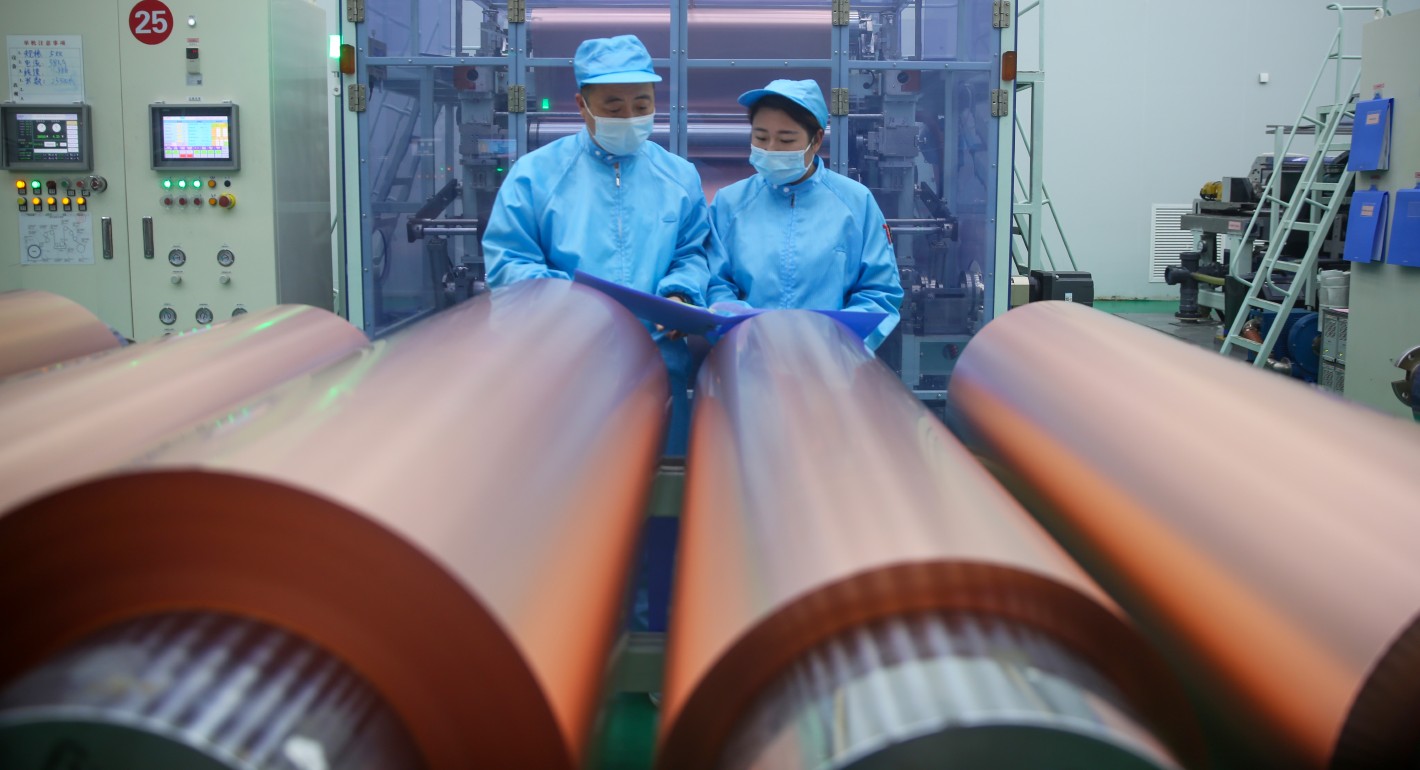
Over the past decade, China has moved from marginal player to major producer of all things batteries. The United States, Europe, and others are aiming to balance the market.

Milo McBride
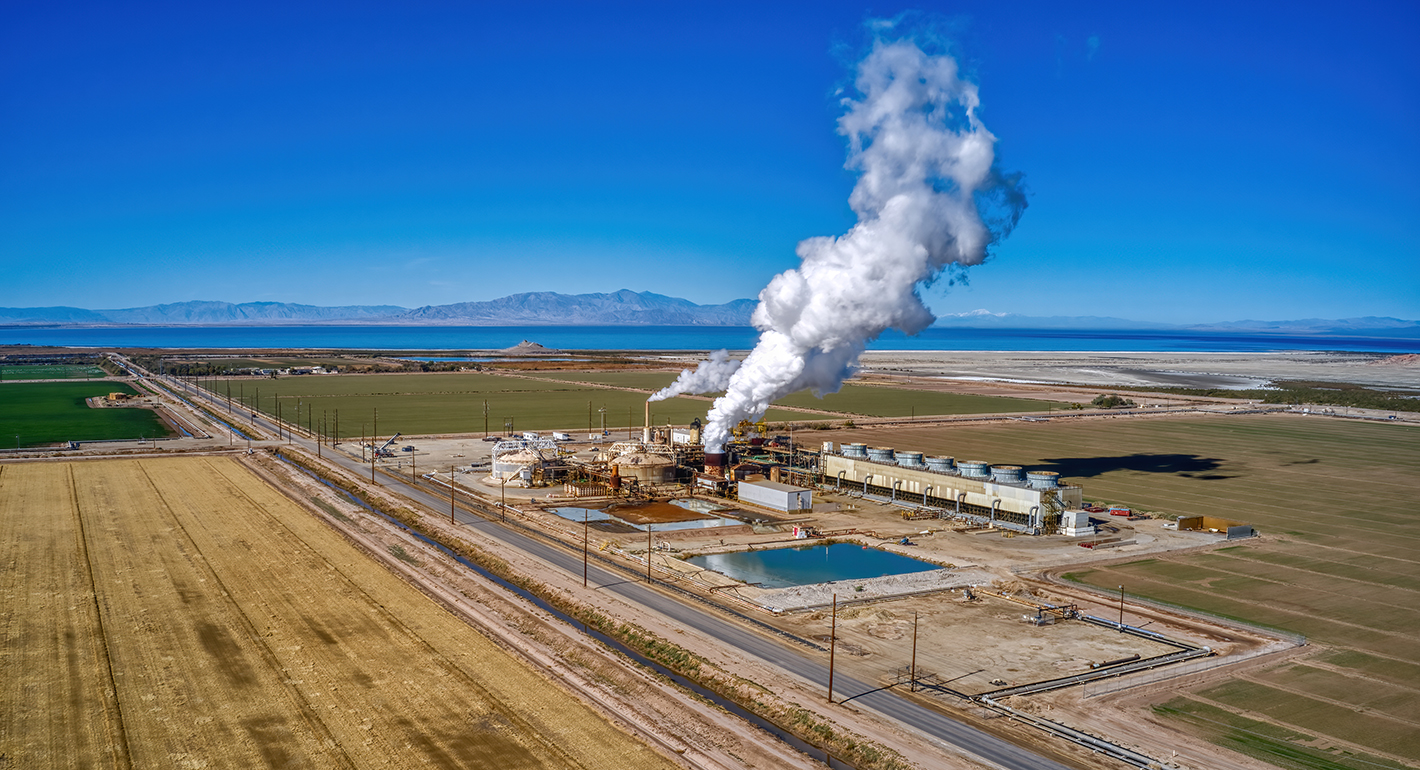
The DFC should focus on advanced, low-carbon energy sources, prioritizing areas where the United States has comparative advantages.
Noah Gordon, Liana Schmitter-Emerson
Lee’s tour shows how Seoul is reorganizing its diplomacy away from Pyongyang and toward industrial networks and the geography of the compute economy.

Darcie Draudt-Véjares
The Pentagon is calling for a rapid AI transformation. Autonomous drones offer a case study in the eight bottlenecks the U.S. military must navigate to realize that vision.
Jake Steckler