

Other
- +5
Frances Z. Brown, Zainab Usman, Erin Jones, …
{
  "authors": [
    "Aqil Shah"
  ],
  "type": "other",
  "centerAffiliationAll": "dc",
  "centers": [
    "Carnegie Endowment for International Peace"
  ],
  "collections": [],
  "englishNewsletterAll": "ctw",
  "nonEnglishNewsletterAll": "",
  "primaryCenter": "Carnegie Endowment for International Peace",
  "programAffiliation": "SAP",
  "programs": [
    "South Asia"
  ],
  "projects": [],
  "regions": [
    "South Asia",
    "Southeast Asia"
  ],
  "topics": [
    "Political Reform",
    "Democracy"
  ]
}
Source: Getty
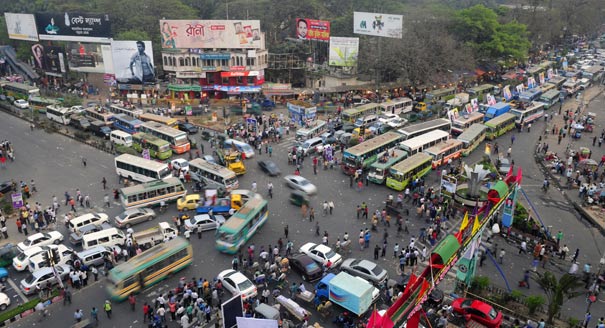
The success of democracy in Bangladesh will depend on the political elites’ ability to abandon their zero-sum rivalry and demonstrate commitment to democratic norms in their attitudes and behavior.
Source: Current History
Since Bangladesh made a transition to democracy in 1991, the country has held three competitive elections that resulted in a turnover of power from the incumbents to the opposition. Consolidating democracy in Bangladesh would be an important achievement because of the dearth of stable democracies in Muslimmajority countries. But equating elections with democracy or assuming that alternations in power would automatically result in the consolidation of a liberal democracy is a mistake that some social scientists call the “electoralist fallacy.” Democracy is consolidated and truly becomes the “only game in town” when elected governments govern within the bounds of the rule of law and the political opposition respects the procedures and norms of the democratic game...

Former Visiting Scholar, South Asia Program
Aqil Shah was a visiting scholar in the South Asia Program at the Carnegie Endowment for International Peace.
Recent Work



Frances Z. Brown, Zainab Usman, Erin Jones, …
Aqil Shah
Carnegie does not take institutional positions on public policy issues; the views represented herein are those of the author(s) and do not necessarily reflect the views of Carnegie, its staff, or its trustees.

If the Russian-speaking community in Latvia cannot articulate their interests without being seen as disloyal, they could end up embracing a pro-Kremlin agenda.

Sergejs Potapkins

Russia’s ruling party would have benefited from Putin appearing as its distant patron, but as an active frontman imposing his views on the public, he has done nothing but harm both the party’s election campaign and the ruling system overall.

Andrey Pertsev
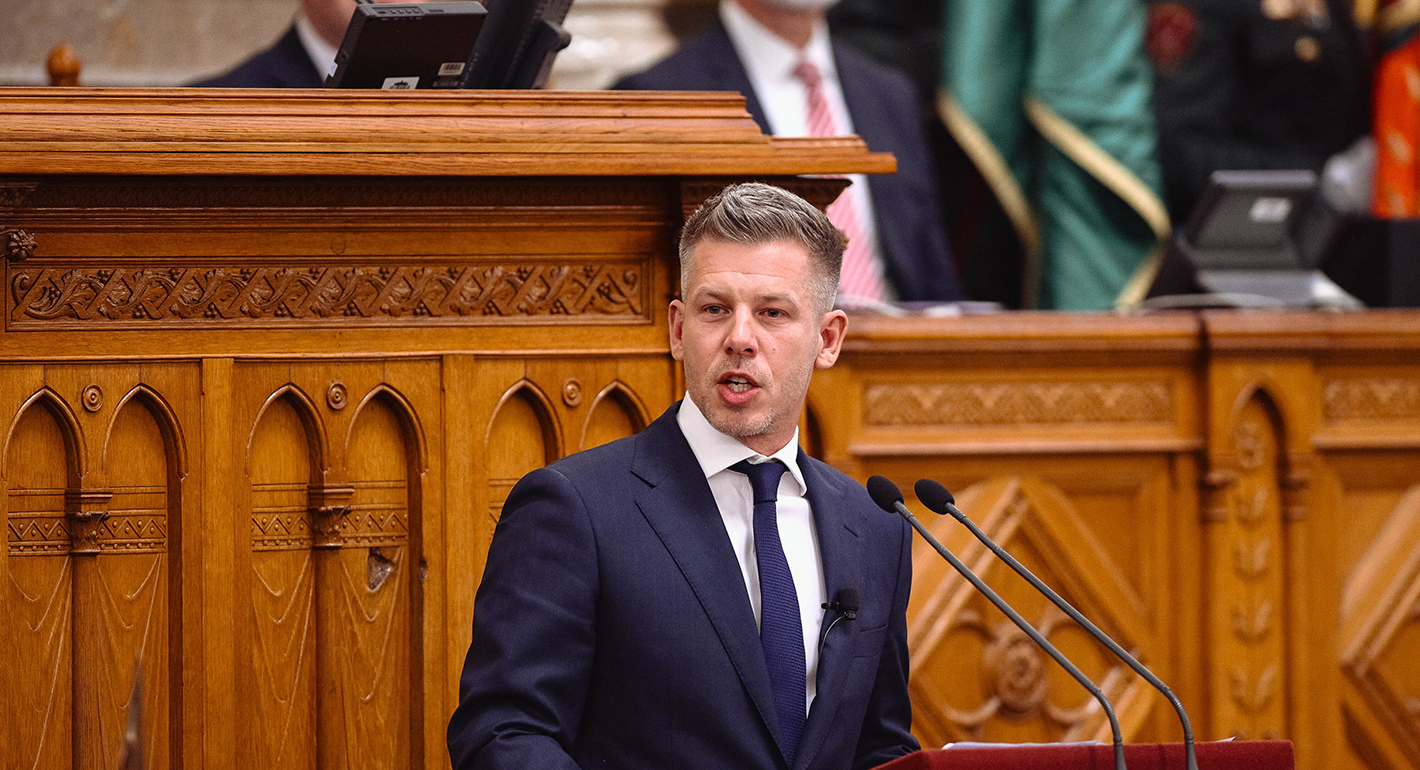
Despite myriad challenges and occasional stumbles, the new Hungarian government is moving ahead with energy and conviction to uproot years of illiberalism and corruption and rebuild Hungarian democracy.

Thomas Carothers

Radical-right parties are expected to do well in upcoming elections in four of the EU's biggest member states. If successful, they could prevent the union from addressing key challenges ahead.

Stefan Lehne

By abandoning past U.S. pro-democracy policies and adopting several lines of pro-autocratic action, the Trump administration has fundamentally repositioned the United States vis-à-vis democracy in the world.
Thomas Carothers