

Article
Thomas Carothers
{
  "authors": [
    "Thomas Carothers"
  ],
  "type": "other",
  "centerAffiliationAll": "dc",
  "centers": [
    "Carnegie Endowment for International Peace"
  ],
  "collections": [
    "Democracy and Governance"
  ],
  "englishNewsletterAll": "democracy",
  "nonEnglishNewsletterAll": "",
  "primaryCenter": "Carnegie Endowment for International Peace",
  "programAffiliation": "DCG",
  "programs": [
    "Democracy, Conflict, and Governance"
  ],
  "projects": [],
  "regions": [],
  "topics": [
    "Democracy",
    "Global Governance",
    "Civil Society",
    "Foreign Policy"
  ]
}
Source: Getty
Accountability work has moved relatively quickly from a first generation of assumptions and approaches to an emerging second generation that reflects various advances in conception and execution.
Source: Global Partnership for Social Accountability
The rapid rise of initiatives and assistance aimed at fostering greater governmental accountability during the past ten years is not just another special interest or silver bullet enjoying a temporary run on the development stage. It is a potentially fundamental advance in development work, one that reflects several profound drivers of change. These include the significant expansion of political space in countries as a result of the historic trend toward democracy in the last 30 years, the enormous increase in citizens’ access to information and new forms of association and mobilization as a result of the communications and information revolution, and the widespread frustration over corruption that is such a common feature of political and economic life in many countries.
Accountability work has moved relatively quickly from a first generation of assumptions and approaches to an emerging second generation that reflects various advances in conception and execution. Some principal elements of this evolution include:
To some extent, these changes sound natural or self-evident, but the shift from first-generation to second-generation accountability work is easier to frame than to execute. Putting it into practice requires revising deep-seated habits among assistance providers. Effective accountability work requires a deep, subtle understanding of the political economy of governance structures. It must proceed from flexible methods of operation that aim to help facilitate complex processes of change with multiple actors. It follows non-linear patterns of success and failure that constitute twisting rivers of change, not narrow well-defined and straight paths. It often requires working close to the political edge, challenging power holders and making them uncomfortable.
In other words, the shift from first-generation to second-generation accountability work is one part of the larger attempted shift in development assistance from old, technocratic ways of doing business to new, more politically adaptive, flexible, and smart methods. This is a shift that is proceeding only unevenly across the larger landscape of aid organizations. If accountability work can successfully evolve and show the value and power of second-generation approaches, it could be a crucial spark to help advance this much-needed larger evolution of development assistance overall.

Harvey V. Fineberg Chair for Democracy Studies; Senior Fellow, Democracy, Conflict, and Governance Program
Thomas Carothers, a senior fellow in the Carnegie Endowment for International Peace’s Democracy, Conflict, and Governance Program, is a leading expert on comparative democratization and international support for democracy.
Recent Work
Thomas Carothers
Thomas Carothers
Carnegie does not take institutional positions on public policy issues; the views represented herein are those of the author(s) and do not necessarily reflect the views of Carnegie, its staff, or its trustees.
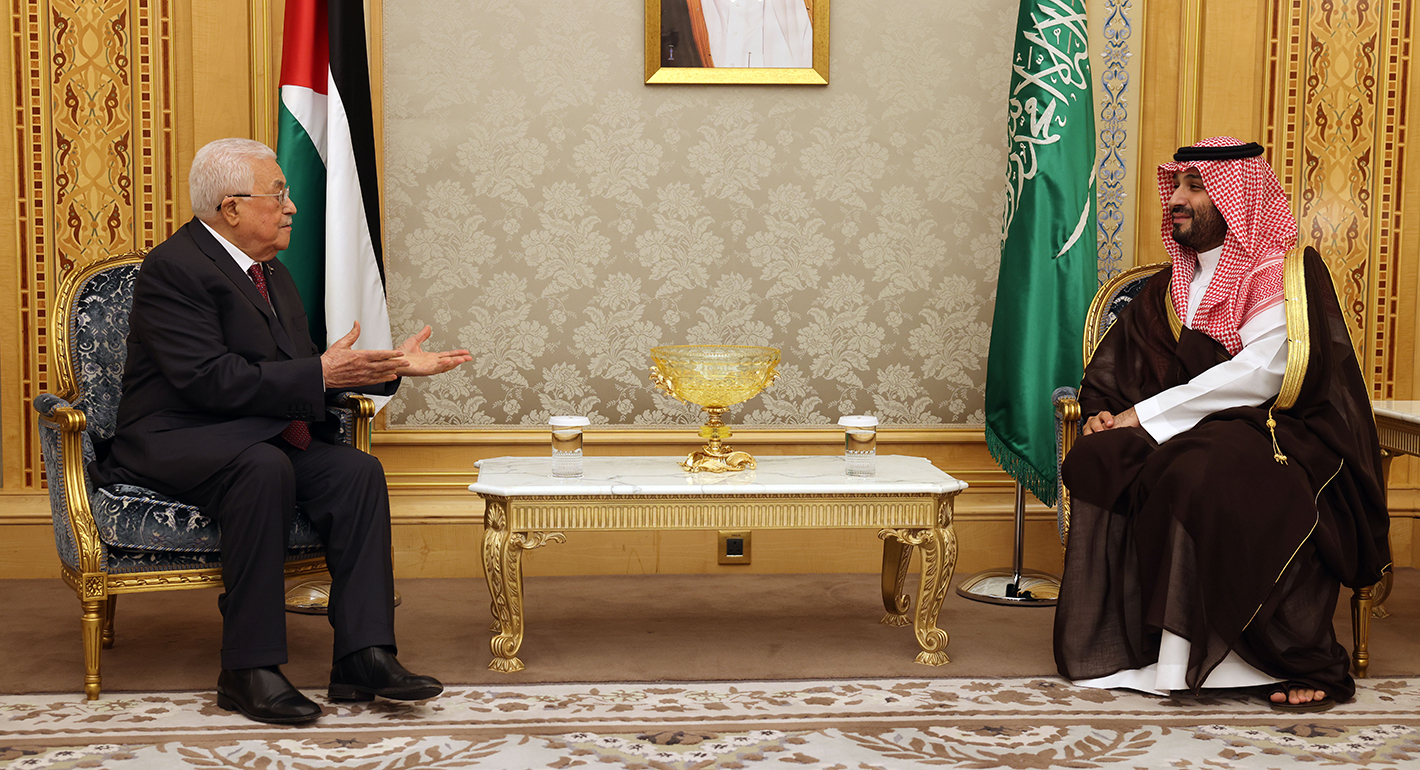
The U.S. midterm elections signal the opening of a narrow window for bold Saudi diplomacy on Palestine.

Andrew Leber, Zaha Hassan
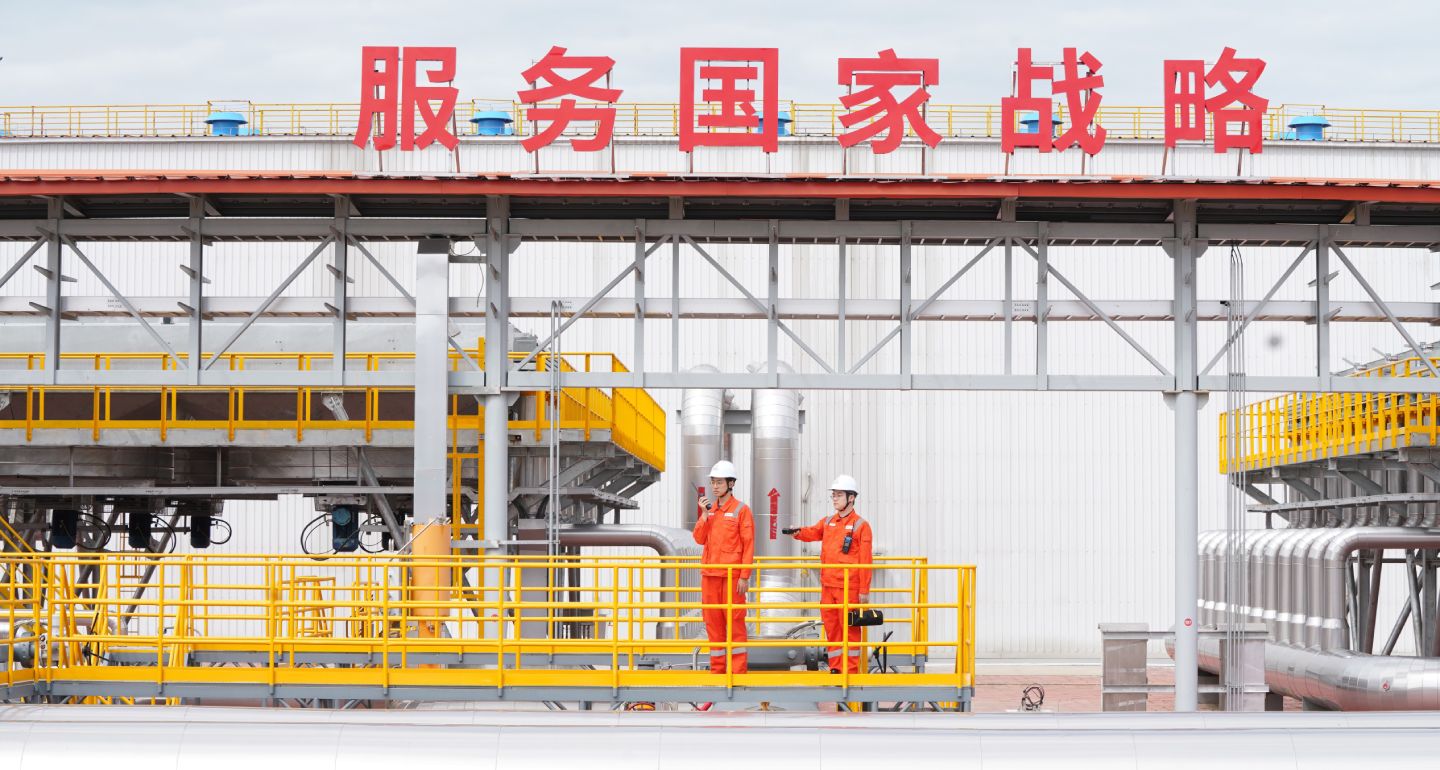
A leak of Russian gas price data helps establish that China is paying Russia far less than Central Asian countries and Gazprom’s former European customers.

Sergey Vakulenko

The EU can impose sanctions but struggles to enforce them without the United States. With Washington increasingly disinterested in backing European interests, the bloc must now fend for itself.


Nicu Popescu, Tiago Antunes
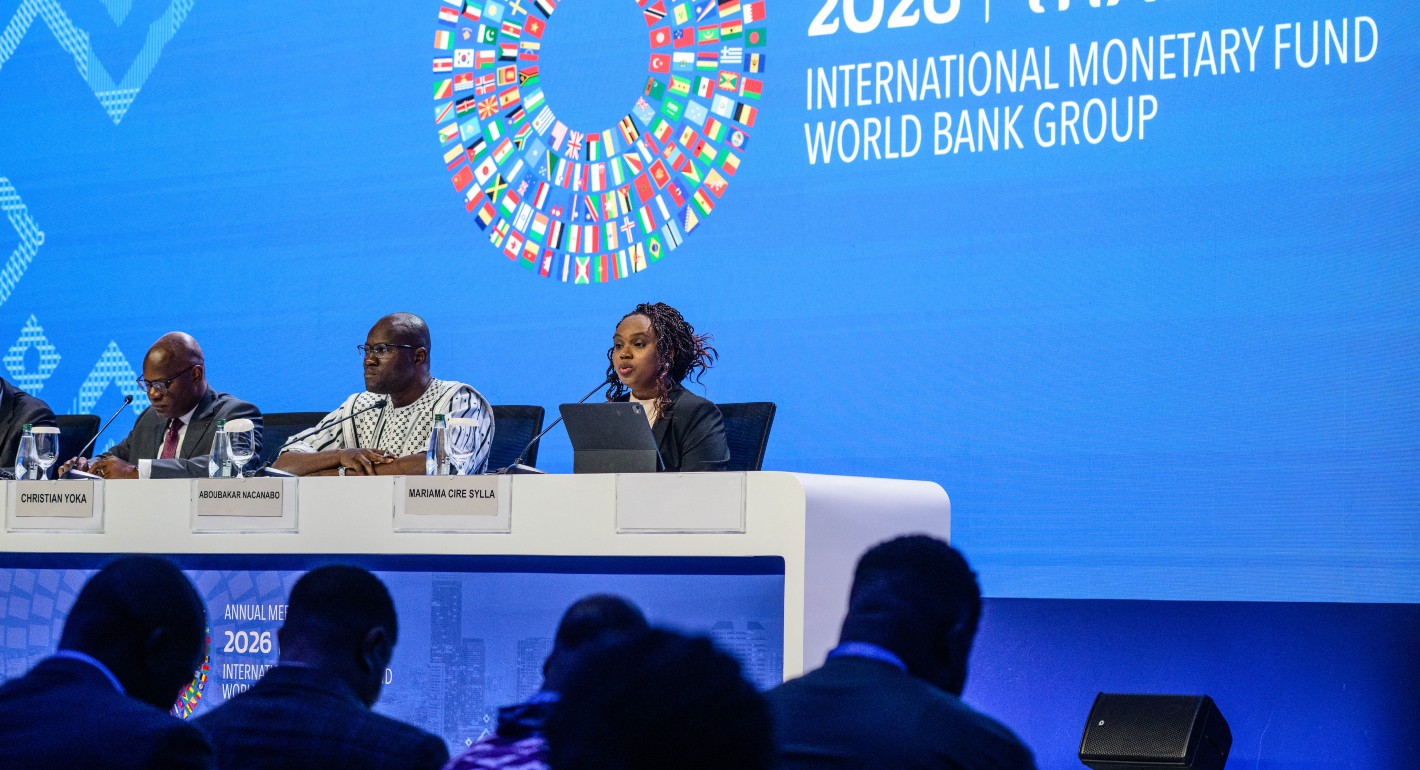
Global and rising powers will need to engage with Africa’s priorities and agency in order to secure the continent’s increasingly attractive partnerships.
Fonteh Akum
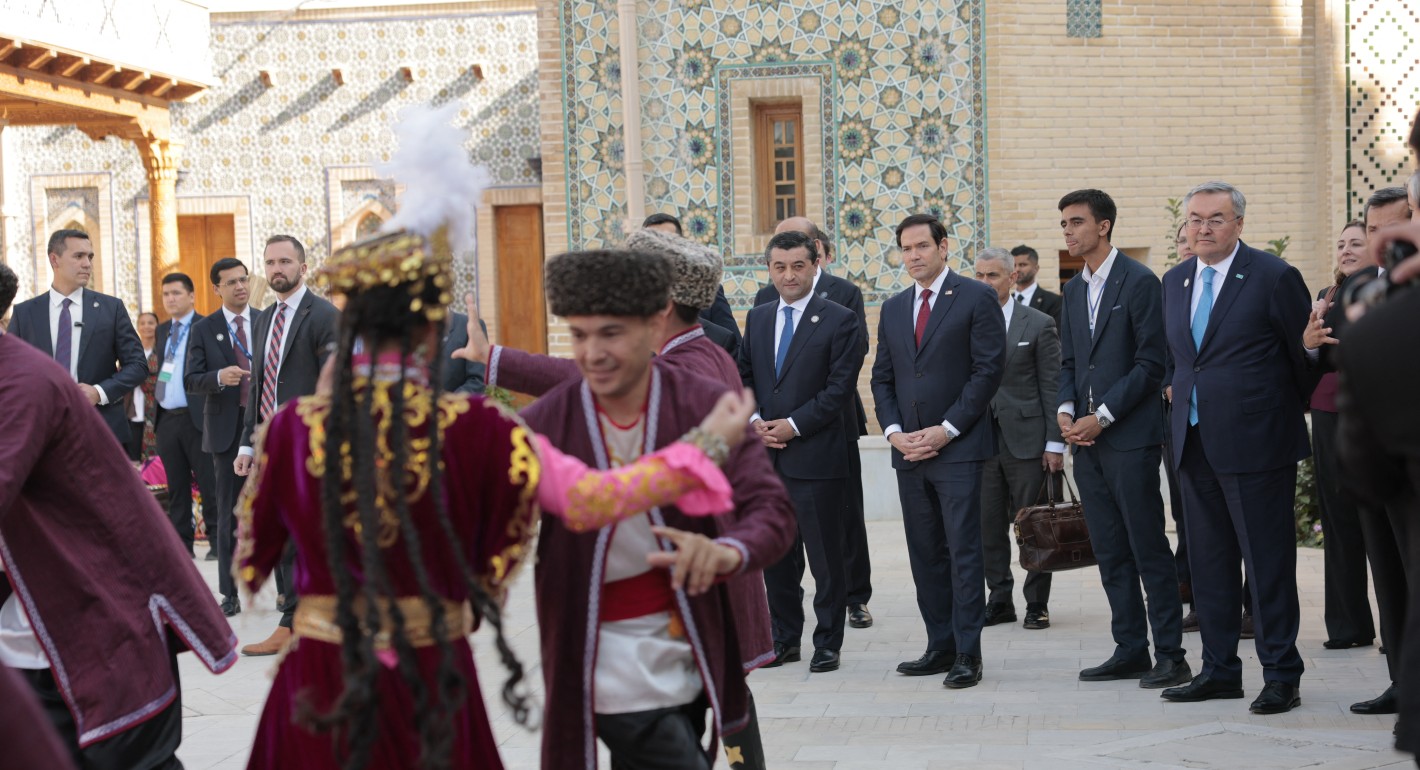
Rubio’s recent visit brought welcome attention, but more capital requires governance changes that may be a hard sell for regional governments.

Jennifer B. Murtazashvili