

Paper
Renad Mansour, Faleh A. Jabar
{
  "authors": [
    "Renad Mansour"
  ],
  "type": "legacyinthemedia",
  "centerAffiliationAll": "dc",
  "centers": [
    "Carnegie Endowment for International Peace",
    "Malcolm H. Kerr Carnegie Middle East Center"
  ],
  "collections": [],
  "englishNewsletterAll": "menaTransitions",
  "nonEnglishNewsletterAll": "",
  "primaryCenter": "Malcolm H. Kerr Carnegie Middle East Center",
  "programAffiliation": "MEP",
  "programs": [
    "Middle East"
  ],
  "projects": [],
  "regions": [
    "Levant",
    "Iraq",
    "Middle East"
  ],
  "topics": [
    "Political Reform"
  ]
}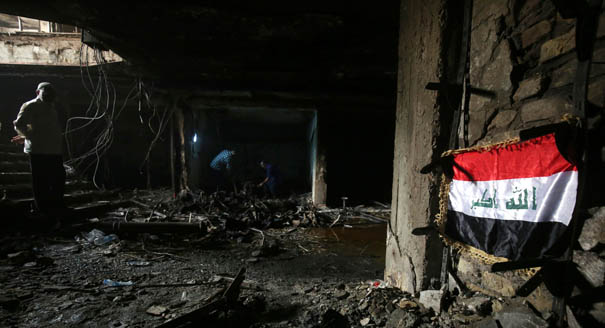
Source: Getty
The tragic Baghdad bombings are a consequence of the Islamic State's changing tactics and divisions within Iraq's political and security establishment.
Source: Radio Sputnik
Carnegie’s Renad Mansour spoke with Radio Sputnik on the tragic bombings that took place in Baghdad on Sunday. Mansour argued that the bombings were a consquence of divisions within Iraq's security establishment as it is divided between the central government, the Popular Mobilization Forces, and neighborhood patrols. Mansour stated that due to these divisions, the government is incapable of preventing such bombings. Mansour noted that the Islamic State has begun to change its tactics in Iraq, switching from attemping to conquer cities to asymmetric warfare in order to cause chaos. Mansour also discussed how Iraqi citizens want change on the political level and that they believe the government is not capable to provide for them. Mansour then discussed Prime Minister Haidar Abadi's political future as he is facing opposition from within his own party and ordinary citizens. Mansour argued that it is still unlear whether Abadi will leave or use this as an opportunity to enact reforms. He also stated that there is a general fear of who would be able to succeed Abadi.

Former El-Erian Fellow, Middle East Center
Mansour was an El-Erian fellow at the Carnegie Middle East Center, where his research focuses on Iraq, Iran, and Kurdish affairs.
Recent Work
Renad Mansour, Faleh A. Jabar
Renad Mansour
Carnegie does not take institutional positions on public policy issues; the views represented herein are those of the author(s) and do not necessarily reflect the views of Carnegie, its staff, or its trustees.

The books, podcasts, and films that explain the world it made.

Andrew Leber

In the tenth year of his presidency, President Mirziyoyev’s system is becoming even more personalized than that of his predecessor Karimov.

Galiya Ibragimova
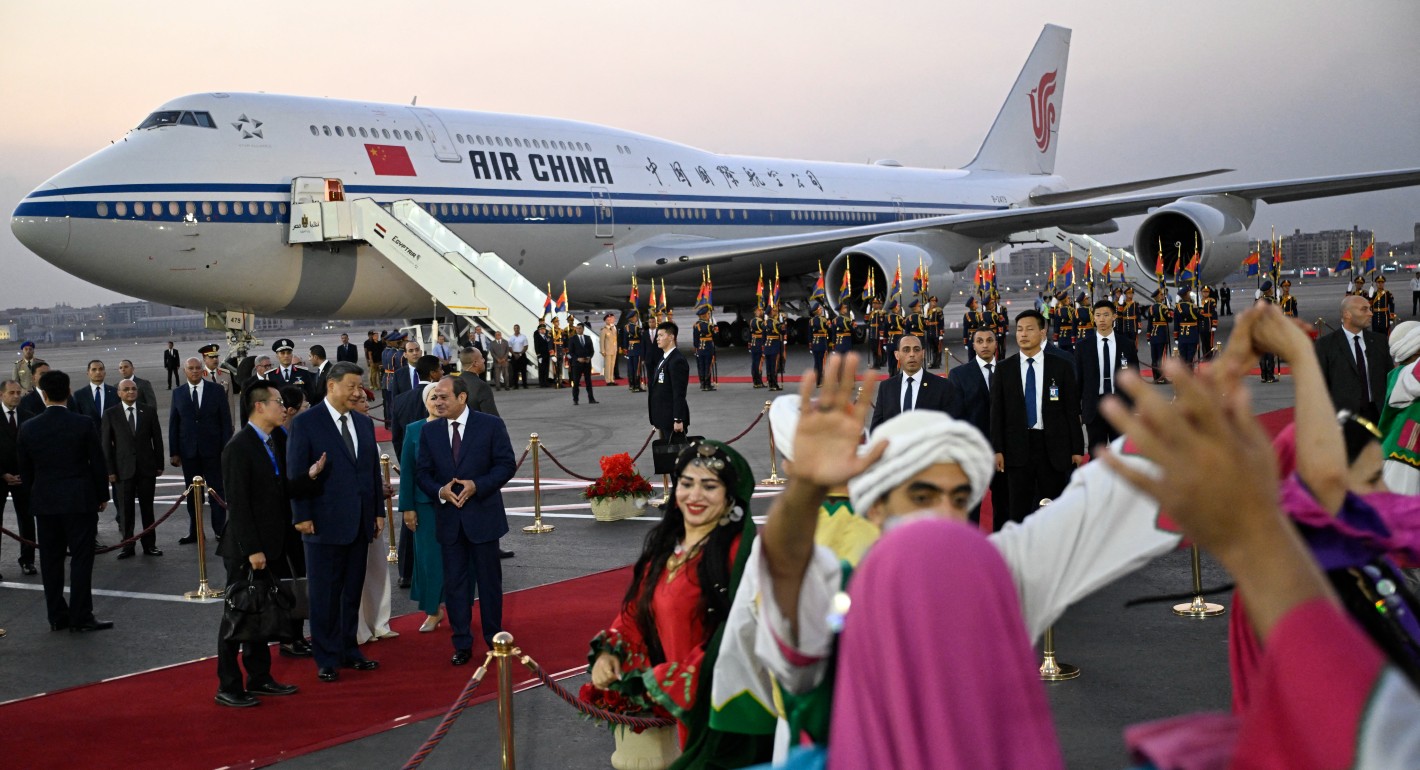
Amid celebrations of bilateral ties was a deeper focus on stability in the Middle East.

Amr Hamzawy
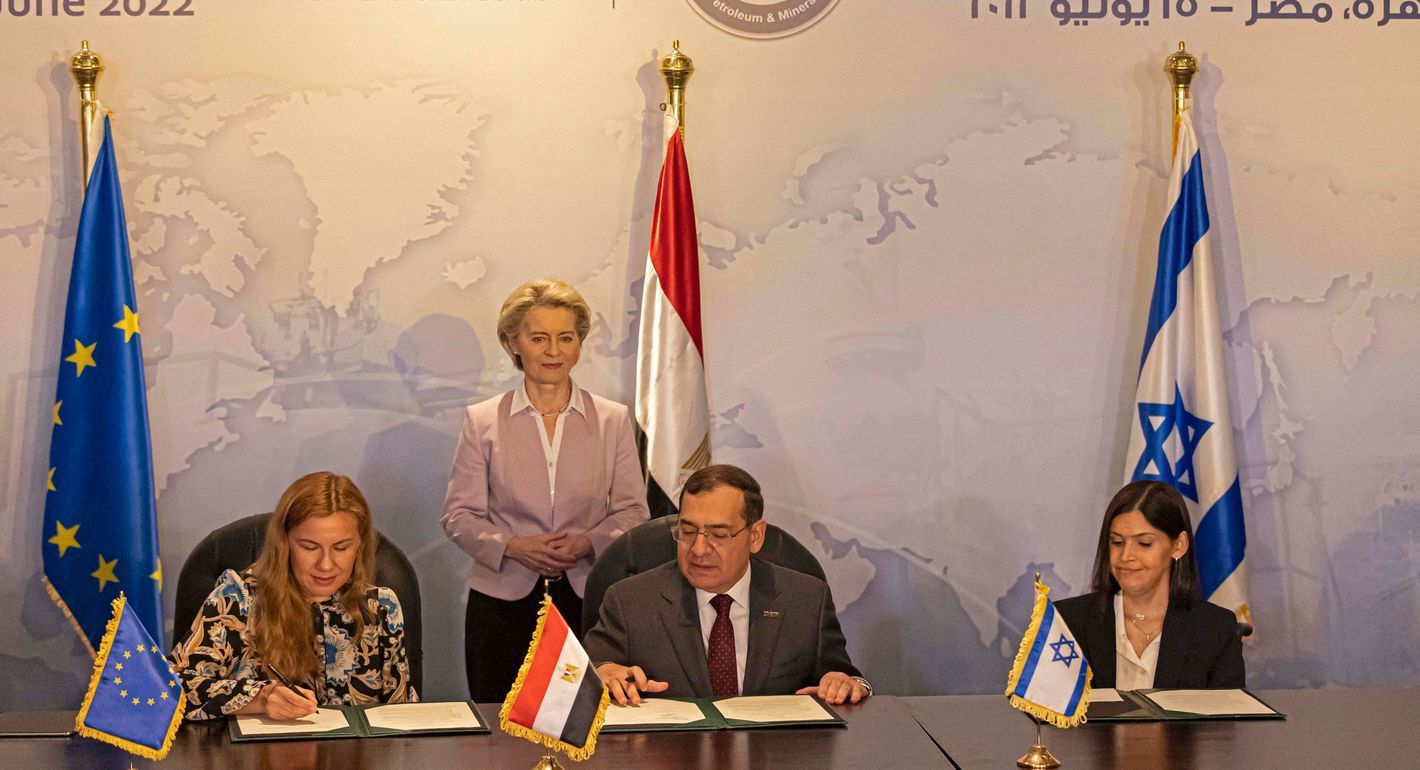
Can economic ties help contain conflict between Egypt and Israel, or do they simply postpone confrontation? Drawing on the German-Russian experience, the article examines how the gas deal creates mutual dependence, keeps channels of cooperation open, and raises the cost of conflict, without necessarily delivering lasting peace.
Nourhan Hefzy

The greater threat to Zelensky comes not from Fedorov alone, but from the convergence between the former defense minister’s political campaign and the anti-corruption investigations moving ever closer to the presidential administration.

Balázs Jarábik