• Research
  • Emissary
  • About
  • Experts
Carnegie Global logoCarnegie lettermark logo
DemocracyIran
  • Donate
{
  "authors": [],
  "type": "legacyinthemedia",
  "centerAffiliationAll": "dc",
  "centers": [
    "Carnegie Endowment for International Peace",
    "Malcolm H. Kerr Carnegie Middle East Center"
  ],
  "collections": [],
  "englishNewsletterAll": "menaTransitions",
  "nonEnglishNewsletterAll": "",
  "primaryCenter": "Carnegie Endowment for International Peace",
  "programAffiliation": "MEP",
  "programs": [
    "Middle East"
  ],
  "projects": [],
  "regions": [
    "Middle East",
    "Levant"
  ],
  "topics": [
    "Political Reform",
    "Economy"
  ]
}
Source: Getty

In The Media

On ISIL and Oil

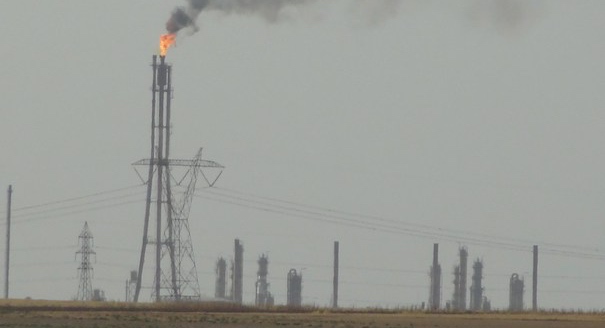
ISIL's oil production maybe in decline but that does not mean the group will simply disappear.

Link Copied
Published on Sep 12, 2016
Program mobile hero image

Program

Middle East

The Middle East Program in Washington combines in-depth regional knowledge with incisive comparative analysis to provide deeply informed recommendations. With expertise in the Gulf, North Africa, Iran, and Israel/Palestine, we examine crosscutting themes of political, economic, and social change in both English and Arabic.

Learn More

Source: CCTV America

 
Carnegie Middle East Center's Carole Nakhle joined CCTV America's Mike Walter to discuss ISIL's oil producing capabilities. Nakhle argued that we can only speculate how much oil ISIL is producing and for how much the group is selling it for on the black market.  The group's revenue is decreasing due to a decrease in production and the continued bombing of allied forces. According to Nakhle, ISIL's oil was only sought after on the black market and now the group is focusing more on refined oil products like heating oil or diesel. She stated that allied bombings had an impact on the drilling for and selling of oil but not on its refinement.  She also argued that the oil is not ISIL's but the people of Syria and Iraq and America cannot seize it.  Nakhle finally noted that even if ISIL lost its oil supplies, it would not spell the end of the group as its ideology still attracts followers. 
 
This interview was originally broadcast on CCTV America. 
Political ReformEconomyMiddle EastLevant

Carnegie does not take institutional positions on public policy issues; the views represented herein are those of the author(s) and do not necessarily reflect the views of Carnegie, its staff, or its trustees.

More Work from Carnegie Endowment for International Peace

  • Commentary
    Carnegie Politika
    Could Migrants From India and Africa Solve Russia’s Labor Shortage?

    The demands of the Kremlin’s war in Ukraine, demographic problems, and public hostility toward Central Asians mean Russia does not have enough workers.  

      Salavat Abylkalikov

  • Chinese President Xi Jinping interacts with U.S. President Donald Trump during a state banquet at the Great Hall of the People on May 14, 2026 in Beijing, China.
    Commentary
    Post U.S.-China Summit: Managed Instability

    The U.S.-China Summit produced a welcome commitment to build a constructive, strategically stable relationship. However, the United States has a full agenda, including the USMCA review beginning this week, that will likely target Chinese practices of concern. If China views these efforts as inconsistent with the agreements reached in Beijing, it may slow or halt progress in response. 

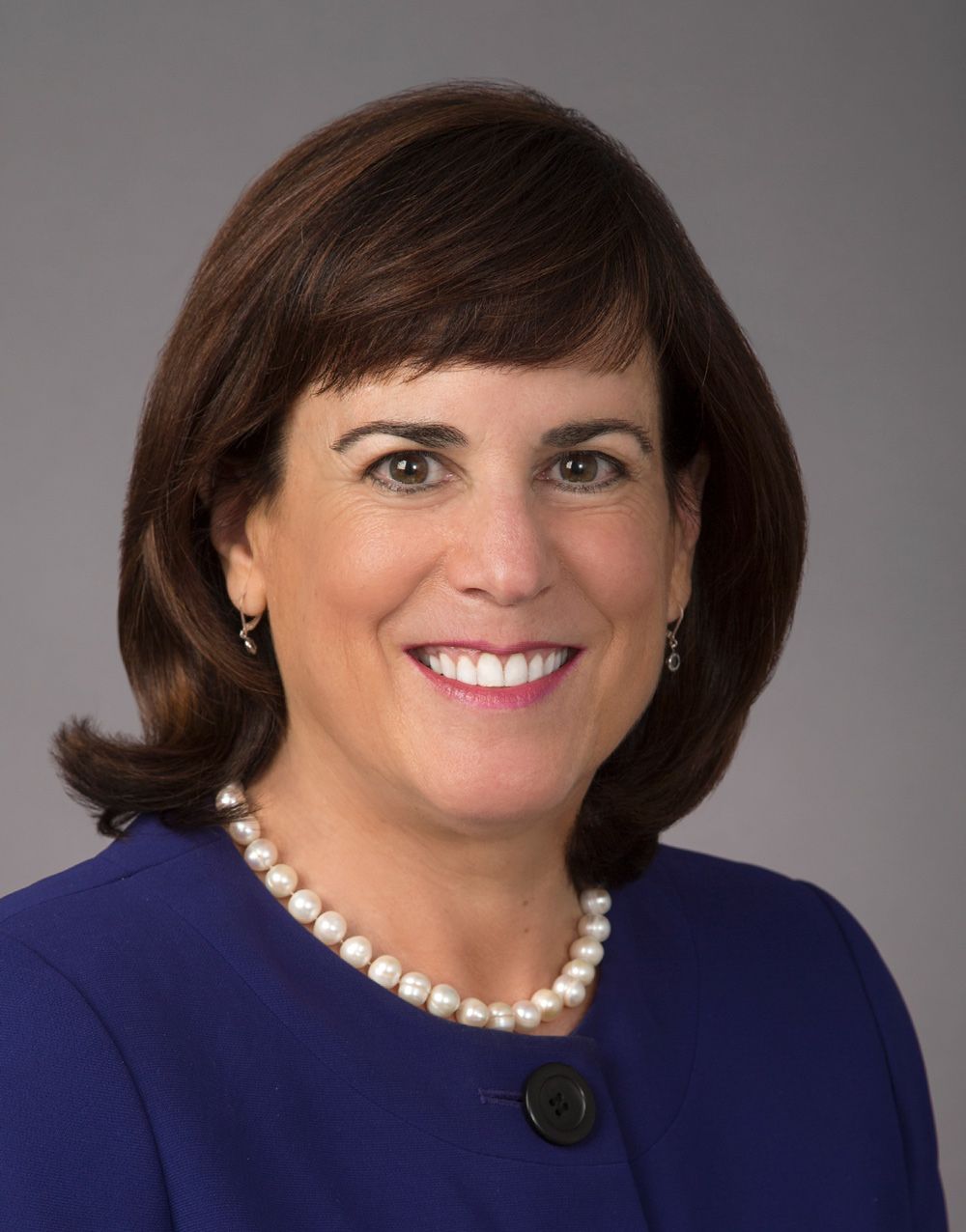
      • Barbara Weisel

      Barbara Weisel

  • Commentary
    Can Europe Compete with the United States and China?

    Between the United States’ market-driven approach and China's state-led industrial strategy, Europe is reckoning with how it can remain competitive in the global economy. But is Europe in danger of becoming a U.S. or China colony?

      Noah Barkin, Anu Bradford

  • Commentary
    Carnegie Politika
    Russian Market Sours for Belarusian State Companies

    Minsk’s faith in the future of its larger neighbor’s economy is fading as Belarusian firms in Russia see record losses.    

      Olga Loiko

  • Europe flags citizens demonstration
    Commentary
    Strategic Europe
    EU Enlargement Forgets Europeans

    Preparing candidate countries for EU membership is no longer enough. As the enlargement process becomes a reality, the union must also prepare its own societies.

      Iliriana Gjoni

Get more news and analysis from
Carnegie Endowment for International Peace
Carnegie global logo, stacked
1779 Massachusetts Avenue NWWashington, DC, 20036-2103Phone: 202 483 7600
  • Research
  • Emissary
  • About
  • Experts
  • Donate
  • Programs
  • Events
  • Blogs
  • Podcasts
  • Contact
  • Annual Reports
  • Careers
  • Privacy
  • For Media
  • Government Resources
Get more news and analysis from
Carnegie Endowment for International Peace
© 2026 Carnegie Endowment for International Peace. All rights reserved.