

Q&A
Matt Ferchen
{
  "authors": [
    "Matt Ferchen"
  ],
  "type": "legacyinthemedia",
  "centerAffiliationAll": "",
  "centers": [
    "Carnegie Endowment for International Peace",
    "Carnegie China"
  ],
  "collections": [
    "U.S.-China Relations",
    "China’s Foreign Relations"
  ],
  "englishNewsletterAll": "",
  "nonEnglishNewsletterAll": "",
  "primaryCenter": "Carnegie China",
  "programAffiliation": "",
  "programs": [],
  "projects": [],
  "regions": [
    "North America",
    "United States",
    "East Asia",
    "China"
  ],
  "topics": [
    "Economy",
    "Climate Change"
  ]
}
Source: Getty
China will be incentivized to adopt a growing leadership role in international trade and climate change negotiations in 2017 if the United States pursues more inward-looking policies under Trump.
Source: China Dialogue
China Dialogue: What are the key environmental issues and challenges to look out for in the next year? The past year has witnessed unexpected and destabilizing political events that could have serious implications for international relations and climate action in 2017. We asked four experts what they think the key issues are to look out for in the year ahead.
Matt Ferchen: Amidst a year of international political upheaval in 2016, China may appear a relative bastion of calm. In fact, given the decided turn away from international openness and cooperation by the United Kingdom and the United States, China has sought to position itself as a leader on such issues as trade and climate cooperation. Yet 2017 is likely to bring major challenges for China that will make any efforts to take a leadership position, including among developing countries, an uphill struggle.
On trade, China will certainly continue to try to fill the vacuum created by an increasingly inward looking United States under a President Trump, yet China’s own trade surplus and its continuing problems with industrial overcapacity leave China exposed to increasing trade frictions. In its trade relations with developing countries in places like Latin America, Africa, and Southeast Asia, China will find it difficult to change the commodities-for-manufactures structure that increasingly worries its trade and diplomatic partners in the global south.
Similarly, on climate change China will certainly seek to promote its own brand of leadership especially if President Trump backs out of American global commitments and bilateral initiatives with China. Yet domestically China’s own environmental challenges only continue to grow and its extractive industry and infrastructure-led ties to developing countries as geographically diverse as Peru and Myanmar will continue to pose challenges for host governments and civil societies in those countries.
2017 is thus likely to expose a gap between rhetoric and reality in China’s ongoing evolution as a global power.
This piece was republished with permission from China Dialogue.

Former Nonresident Scholar, Carnegie-Tsinghua Center for Global Policy
Ferchen specializes in China’s political-economic relations with emerging economies. At the Carnegie–Tsinghua Center for Global Policy, he ran a program on China’s economic and political relations with the developing world, including Latin America.
Recent Work
Matt Ferchen
Matt Ferchen, Anarkalee Perera
Carnegie does not take institutional positions on public policy issues; the views represented herein are those of the author(s) and do not necessarily reflect the views of Carnegie, its staff, or its trustees.
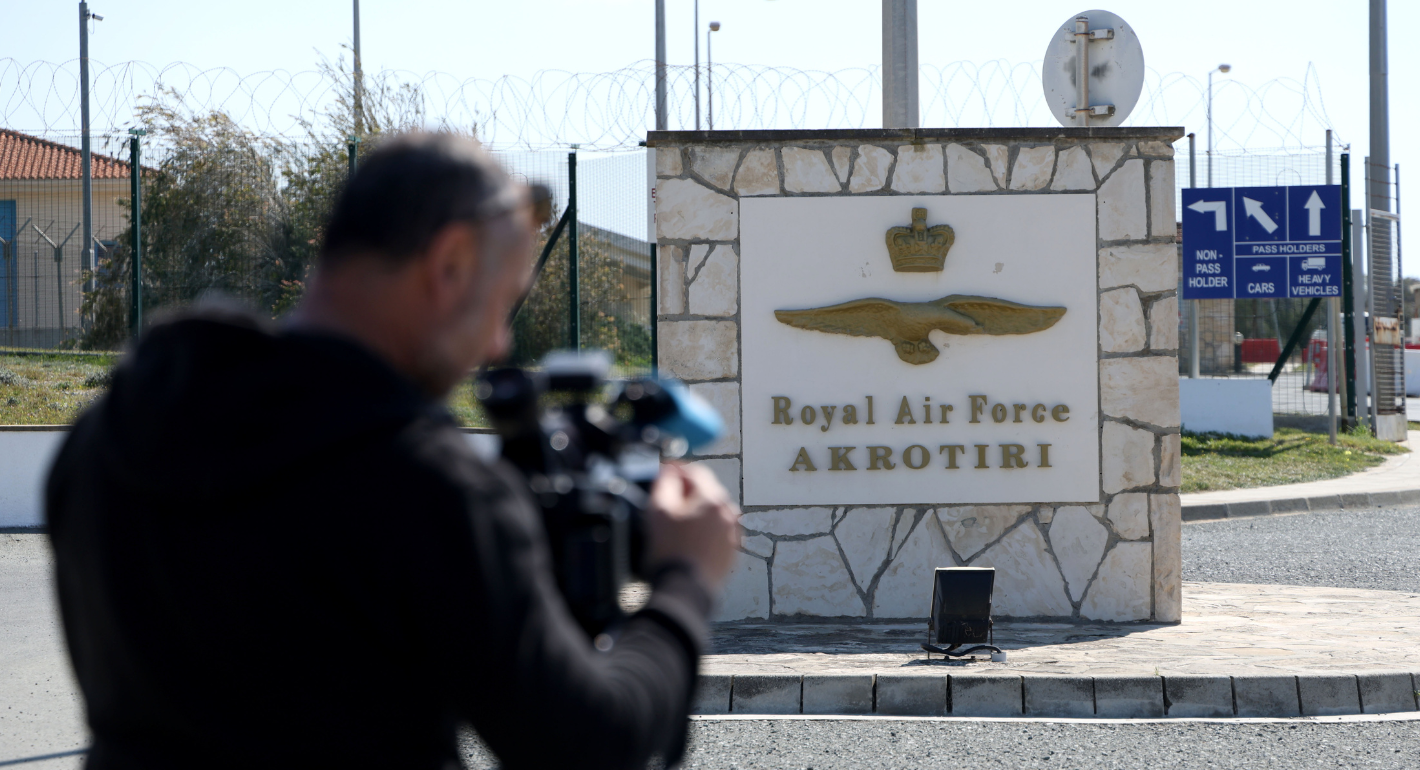
The drone strike on the British air base in Akrotiri brings Europe’s proximity to the conflict in Iran into sharp relief. In the fog of war, old tensions in the Eastern Mediterranean risk being reignited, and regional stakeholders must avoid escalation.

Marc Pierini

In an interview, Hassan Mneimneh discusses the ongoing conflict and the myriad miscalculations characterizing it.

Michael Young
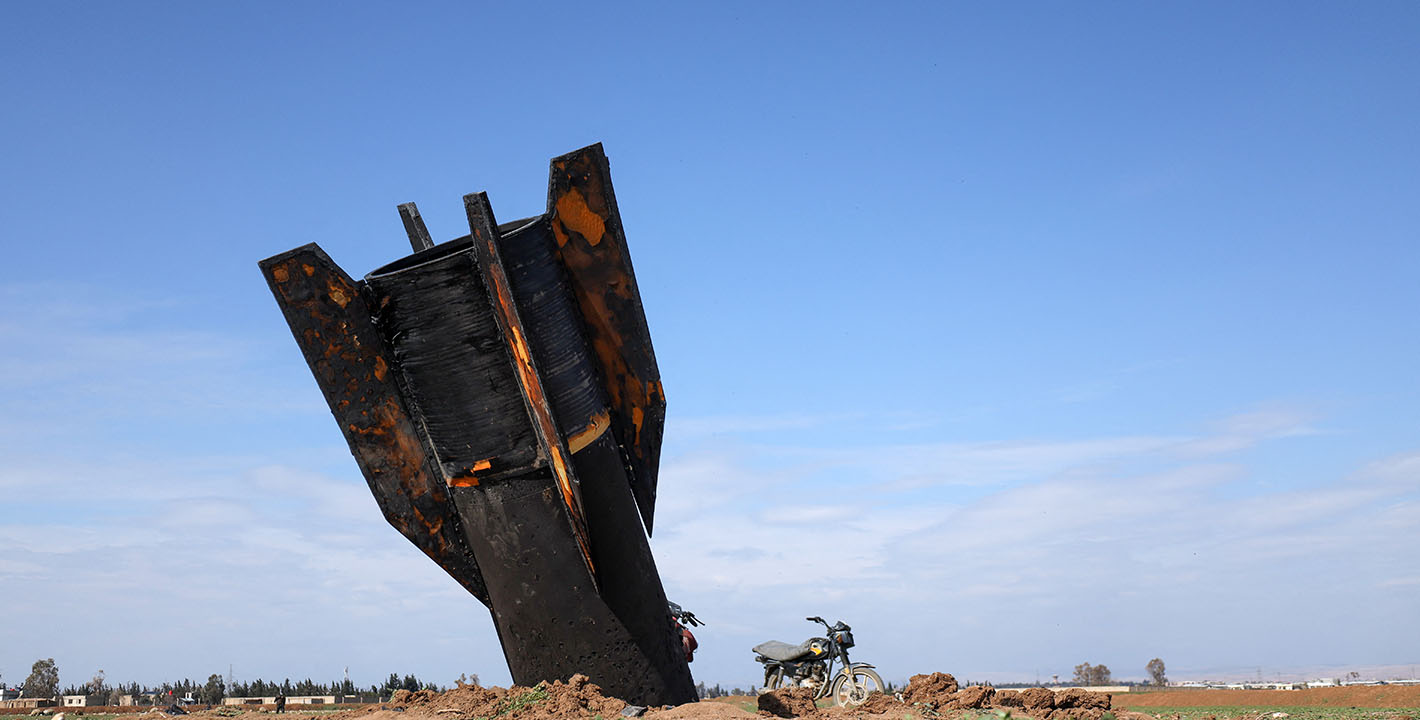
In an interview, Nicole Grajewski discusses the military dimension of the U.S. and Israeli attacks on Iran.
Michael Young
European reactions to the war in Iran have lost sight of wider political dynamics. The EU must position itself for the next phase of the crisis without giving up on its principles.

Richard Youngs
For years, the United States anchored global cyber diplomacy. As Washington rethinks its leadership role, the launch of the UN’s Cyber Global Mechanism may test how allies adjust their engagement.

Patryk Pawlak, Chris Painter