

Article
Deborah Gordon, Smriti Kumble, David Livingston
{
  "authors": [
    "David Livingston"
  ],
  "type": "legacyinthemedia",
  "centerAffiliationAll": "dc",
  "centers": [
    "Carnegie Endowment for International Peace"
  ],
  "collections": [],
  "englishNewsletterAll": "ctw",
  "nonEnglishNewsletterAll": "",
  "primaryCenter": "Carnegie Endowment for International Peace",
  "programAffiliation": "SCP",
  "programs": [
    "Sustainability, Climate, and Geopolitics"
  ],
  "projects": [
    "Carnegie Oil Initiative"
  ],
  "regions": [
    "North America",
    "United States"
  ],
  "topics": [
    "Climate Change"
  ]
}
Source: Getty
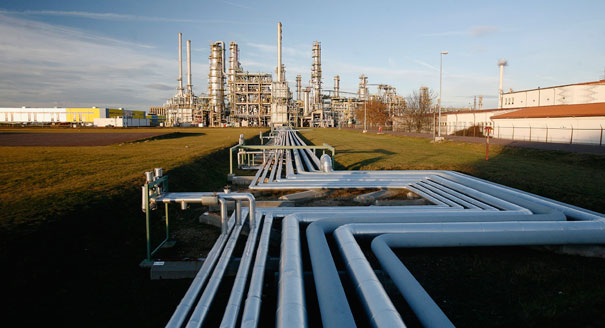
California has the opportunity to lead the globe in oil data transparency even as it faces hidden climate risks from its oils.
Source: KCSB
Carnegie’s David Livingston spoke with UC Santa Barbara’s KCSB-FM Radio about California’s hidden climate risks—its oil—as well as the opportunity for the state to be a global leader in oil data transparency.
“I would argue that transparency is important, not just in California, but on a global scale for the oil sector," explained Livingston. "California simply has the opportunity to be a real leader in this space as it has been in so many areas of environmental policy."
The interview referenced two new case studies from Carnegie, Need to Know: The Case for Oil Transparency in California and Drilling Down on Oil: The Case of California’s Complex Midway Sunset Field, which identify potential climate risks across the state and find that some of oil fields may rival the dirtiest in the world, much like the Canadian oil sands.
The interview audio and original broadcast can be found on KCSB-FM.
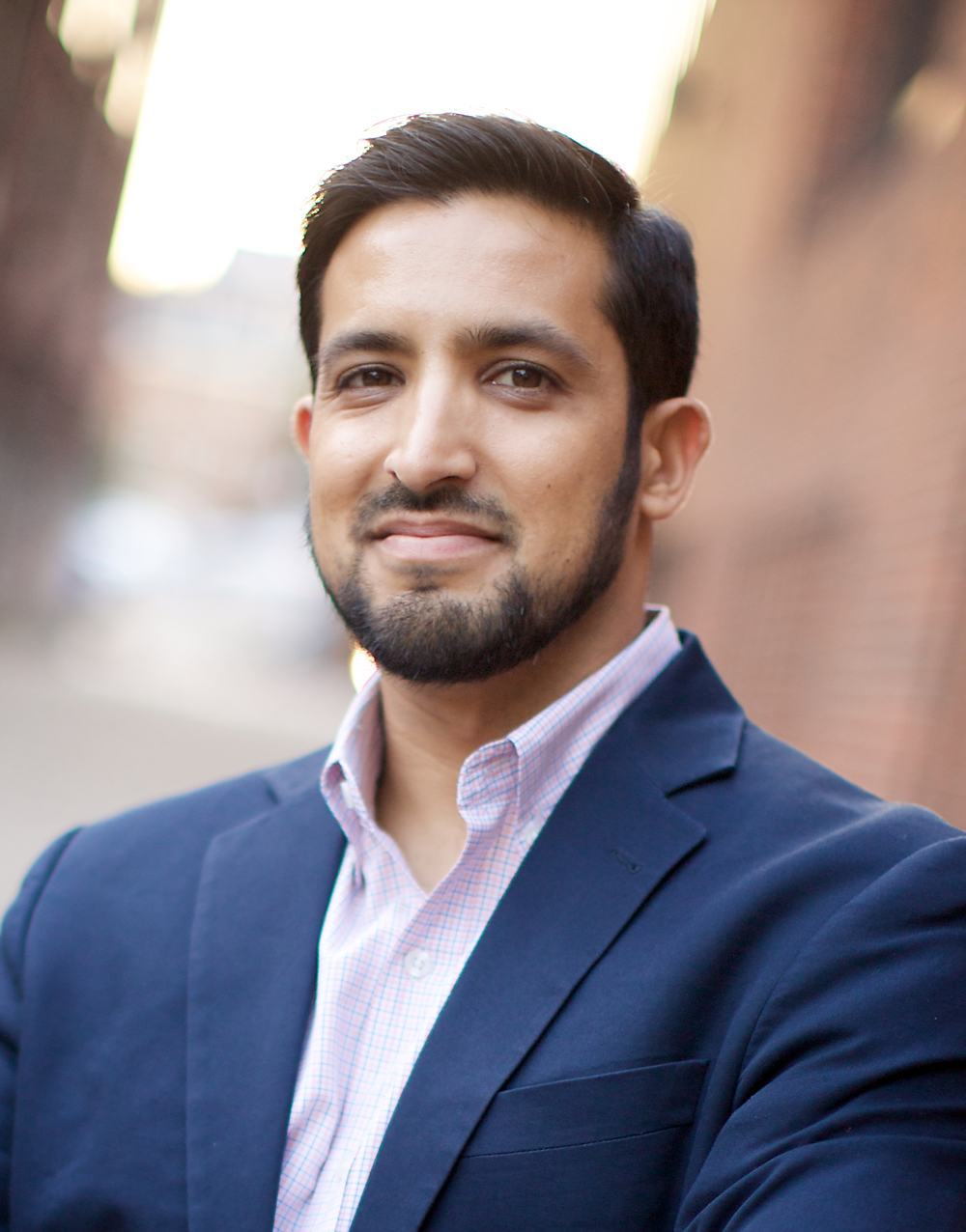
Former Associate Fellow, Energy and Climate Program
Livingston was an associate fellow in Carnegie’s Energy and Climate Program, where his research focuses on emerging markets, technologies, and risks.
Recent Work
Deborah Gordon, Smriti Kumble, David Livingston
Erik Brattberg, David Livingston
Carnegie does not take institutional positions on public policy issues; the views represented herein are those of the author(s) and do not necessarily reflect the views of Carnegie, its staff, or its trustees.

The EU can impose sanctions but struggles to enforce them without the United States. With Washington increasingly disinterested in backing European interests, the bloc must now fend for itself.


Nicu Popescu, Tiago Antunes

Rubio’s recent visit brought welcome attention, but more capital requires governance changes that may be a hard sell for regional governments.

Jennifer B. Murtazashvili

America’s foreign-policy objectives have grown more demanding while Americans have demanded greater focus on their own affairs.

Stephen Wertheim
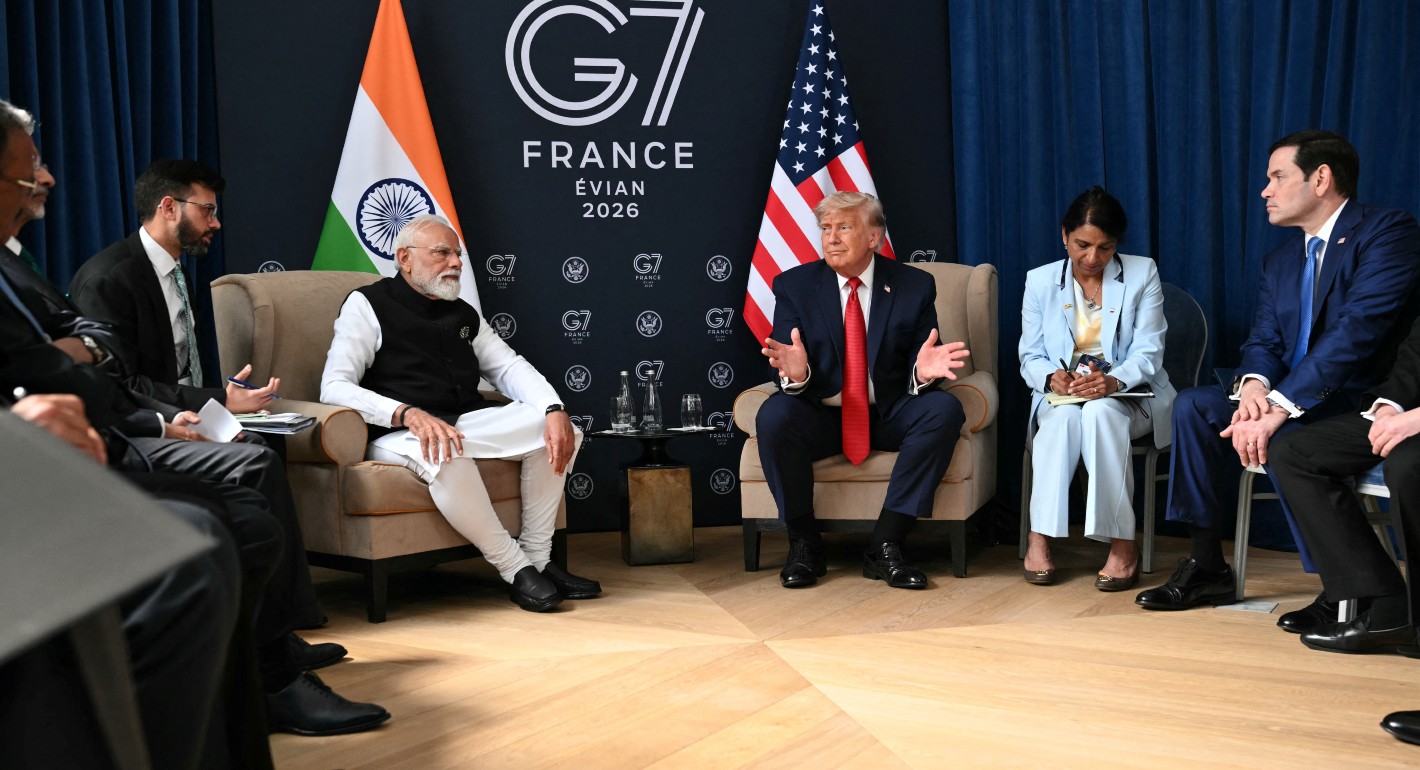
Despite public disputes over trade and immigration, the strategic partnership’s foundations remain sturdy.
Sameer Lalwani

It signals a new era of tech diffusion and warfare.

Steve Feldstein