

Комментарий
На каждый бюджетный рубль, который в 2027 году потратят на социальную политику, здравоохранение и образование, придется два рубля на армию, полицию, Росгвардию и спецслужбы.
Александра Прокопенко
{
  "authors": [
    "Константин Гаазе"
  ],
  "type": "commentary",
  "centerAffiliationAll": "",
  "centers": [
    "Carnegie Endowment for International Peace",
    "Берлинский центр Карнеги"
  ],
  "collections": [
    "Inside Russia"
  ],
  "englishNewsletterAll": "",
  "nonEnglishNewsletterAll": "",
  "primaryCenter": "Берлинский центр Карнеги",
  "programAffiliation": "",
  "programs": [],
  "projects": [],
  "regions": [],
  "topics": [
    "Экономика"
  ]
}
Источник: Getty
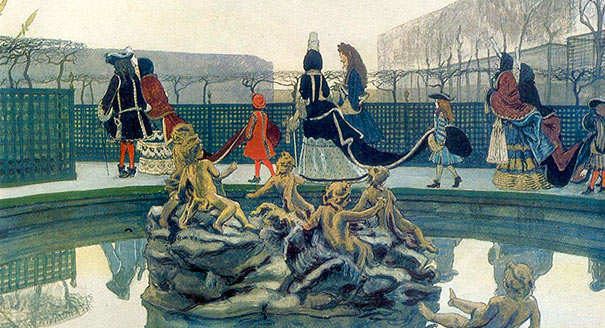
Двор Путина возникает не как форма эволюции команды Путина, а как форма демонтажа этой команды. Форма, в которой задача государственного управления уходит на второй план, а на первый выходит лояльность, комфорт патрона, организация его досуга. Формируются критерии отбора в двор: минимум публичности, отказ от собственного двора и политических амбиций, готовность решать проблемы с использованием госаппарата и собственных ресурсов, быстро, эффективно, не беспокоя патрона
Анализ российской политики никогда не был легким занятием. Посол Сардинского королевства в России Жозеф де Местр, пораженный стремительным возвышением графа Аракчеева в 1808 году, пишет коллеге в Вену, что «совершенно сбит с толку»: «внезапно, как из-под земли» появляется Аракчеев, император назначает его военным министром, затем Аракчеев сам себя назначает инспектором армии, требует от брата государя великого князя Константина (де Местр уважительно называет его «принц») подготовить к смотру подчиненные тому полки, Константин на следующий день прибывает к Аракчееву с докладом, что полки готовы к проверке, но Аракчеев, взглянув на часы, отправляет его восвояси, без доклада и инспекции. «Вот так все просто», – с изумлением заключает де Местр.
Придворные интриги, карьерные взлеты и падения, «шпионство» на улицах столицы – граф Аракчеев, гуляя в 1823 году со своим помощником Батеньковым по набережной Фонтанки, пальцем указывает тому на переодетого в штатское платье квартального, приставленного военным губернатором Санкт-Петербурга Милорадовичем следить за графом. Смущенный квартальный прячется в кондитерскую лавку. Оба – и Аракчеев, и Милорадович – герои кампаний 1812 и 1813 годов, царедворцы и доверенные лица императора.
Шеф квартальных, полицмейстер Чихачев, говоря современным языком – замначальника ГУВД, «обыкновенно угодничал и изменял обеим сторонам», добавляет Батеньков. Даже мелкая сошка Чихачев в этом перевернутом мире в какой-то момент может стать вполне самостоятельной исторической фигурой: в 1826 году именно Чихачев зачитает смертный приговор и будет командовать казнью соратников Батенькова по Тайному обществу на кронверке Петропавловской крепости.
Хамство Аракчеева в адрес великого князя не укладывается в голове европейца де Местра, для де Местра великий князь Константин Павлович – принц, и точка, а для Аракчеева великий князь какая-то совсем иная сущность, статус которой не просто меняется, но меняется очень быстро. Как и 200 лет назад, сегодня языки описания просто не поспевают за скоростью мутаций российской политики. Вложенные друг в друга, взаимопроникающие, связанные сотнями интересов и конфликтов кланы, семьи, группы сторонников, секты, партнерские и патронажные сети распределенной власти не укладываются в прокрустово ложе нескольких классических различений, которыми наблюдателя снабжает арсенал политической науки.
Есть два способа работать с такой «ртутной» картиной. Первый – отказаться от самой мысли, что в ней можно что-то разглядеть, что можно различить действующие фигуры и пассивный фон. А затем схлопнуть фигуры и фон в некую агрессивную, всепожирающую массу, которая испокон веков противостоит всему разумному, доброму и вечному. Это решение лучше всего иллюстрирует частота использования слова «левиафан» (к «Левиафану» Томаса Гоббса это слово на самом деле не имеет никакого отношения) или словосочетаний вроде «серая масса» в либеральном дискурсе.
Второй способ – отдаться на волю свободного концептотворчества, постоянно пополняя инструментарий наблюдения и описания новыми понятиями, чья методологическая чистота, возможно, сомнительна, зато эффективность можно проверить эмпирически.
Термин «политбюро 2.0», введенный в оборот «Минченко консалтинг» Евгения Минченко в 2012 году (на этой неделе был выпущен пятый, юбилейный доклад), – одно из таких понятий, способное, как оказалось, прослеживать рисунок властной игры в течение нескольких лет. Отказавшись от метафоры «коллективного Путина», авторы серии докладов о «политбюро 2.0» предложили взамен другую метафору – сеть распределенной власти как советское политбюро.
Члены «политбюро 2.0» не собираются на заседания в Ореховой комнате Сенатского дворца Кремля, в качестве института никакого «политбюро 2.0» не существует, но все же это понятие имеет содержательное наполнение. Речь идет о наиболее весомых и самостоятельных центрах силы в России, клубе самых влиятельных сановников и бизнесменов, пользующихся доверием президента Путина, о наиболее масштабных сборках, элитных коалициях под патронажем членов пресловутого «политбюро». Грубо – о самых больших узлах управления под рукой Владимира Путина. «Политбюро 2.0» не исключает наличия других узлов, разница – в их масштабе, «непотопляемости», количестве аккумулированных ресурсов и ставках.
Динамика выбытия из состава «политбюро 2.0» и пополнения его новыми членами должна по идее отражать колебания магистрального «политического курса», но можно сказать, что все выглядит наоборот. Политического курса в смысле стратегии Кремля в России нет с 2011 года, а вместо стратегии есть «политбюро 2.0» – нечто вроде суммы суперсил, которые в итоге собираются в одну равнодействующую силу.
«Политический курс» бежит вдогонку за колебаниями в составе членов «политбюро 2.0». Включение в состав «политбюро 2.0» министра обороны Шойгу в 2013 году в каком-то смысле предсказывало милитаризацию внешнеполитического курса (хотя контуры этой милитаризации были заданы раньше). Исключение Иванова в 2016 году намекало на серию кадровых пертурбаций в верхах, которые начались летом прошлого года и продолжаются до сих пор.
Но тем не менее с «политбюро 2.0» всегда было несколько проблем, несколько затруднений, которые, впрочем, до поры можно было игнорировать. Одна из таких проблем – очевидная нерядоположенность двух сортов фигур, включаемых в «политбюро 2.0». Рядом с такими игроками, как Дмитрий Медведев, Сергей Собянин или Сергей Шойгу, были другие: Аркадий Ротенберг, Геннадий Тимченко, Юрий Ковальчук. Первые – государственные мужи, сила которых не только, а возможно, и не столько (вернее, не всегда) в близости к Путину, сколько в должности, позиции, которую они занимают. Вторые – предприниматели буквально из ближнего круга президента Путина, те самые «два еврея и один хохол», о которых президент говорил в июне 2014 года на Питерском экономическом форуме.
С точки зрения финансовых ресурсов Ротенберг и даже все Ротенберги вместе мельче олигархов ельцинского призыва. С точки зрения административных, властных полномочий – несопоставимы с премьером, министром обороны или мэром Москвы. Сила ближнего круга не проецируется во внешний мир без вмешательства президента, без его вопроса «есть ли просьбы, нужна ли помощь?». Сила государственных мужей вполне проецируется. Вопрос в том, хотят ли они применять эту силу и как именно хотят.
Не вполне вписывается в «политбюро 2.0» и еще одна фигура – Игорь Сечин. Он будто имеет два вида силы: свою, по должности вице-премьера, а затем главы «Роснефти», но в то же время и силу президента, как Ротенберги, Тимченко и Ковальчук. Сечин не только глава «Роснефти», он, как и другие члены ближнего круга, имеет право на просьбу, которая будет исполнена. Другой такой фигурой до отставки был глава РЖД Владимир Якунин.
Если «политбюро 2.0» – это самая мощная в стране патронажная сеть, во главе которой стоит лично президент, клуб друзей президента, то из «политбюро 2.0» нужно исключить патронов других относительно обособленных сетей, размером помельче, и включить туда всех известных и неизвестных публике клиентов Путина, имеющих прямой доступ к президенту и возможность его о чем-то попросить, но не претендующих на автономность и публичность. Например, Евгения Пригожина, выполнявшего для Минобороны те же функции, которые для «Газпрома» выполняет Аркадий Ротенберг.
Если же «политбюро 2.0» – это развернутая сеть управления страной, опирающаяся прежде всего на контроль над ключевыми узлами госаппарата, то клиентов президента нужно из него вывести и поместить в какое-то другое образование. Неэквивалентность формальных полномочий и неформального доступа к президенту в таком случае должна быть обострена, а не заретуширована.
Примерно на рубеже 2009 года в России появилась новая политическая форма, которой до этого не было. Мы попытаемся ухватить за хвост этот ускользающий политический феномен. Феномен, который стремится не быть схваченным и как-либо осмысленным. Феномен, который, строго говоря, прячется от посторонних глаз. Этот феномен – двор президента Путина. Речь идет не о дворе в смысле классической дихотомии между модерным и патримониальным господством: двор – у князей и императоров; бюрократия – у президентов и диктаторов. Российская политика, понятая как совокупность практик отправления государственной власти и способов думать об этой власти, вполне позволяет «переключать», например, высшую бюрократию из модерного режима в патримониальный и обратно, в зависимости от рассматриваемого дела, без подключения «двора». Речь о другом.
Экспансия команды Владимира Путина достигла кульминации в момент избрания Дмитрия Медведева президентом страны. И немедленно развалилась сразу после передачи власти. Путину пришлось перестраивать собственную жизнь, просеивать окружение, менять практики работы и привычки. Вокруг премьера стал собираться и реифицироваться его собственный двор – круг людей, связанных с ним повседневностью, круг, в котором охранник Алексей Дюмин, протокольщик, тур-менеджер Антон Вайно и олигарх-лайт Аркадий Ротенберг равны на правах людей, задача которых поддерживать своего патрона и лишь таким образом участвовать в управлении государством. Этот же период с известной натяжкой можно назвать периодом строительства «дворцов, которых нет»: приписываемые Путину неофициальные резиденции в Горном Алтае и на горе Фишт начинают строиться в то же время.
Двор Путина возникает не как форма эволюции команды Путина, говоря шире, не как форма управления государством, а как форма демонтажа этой команды. Форма, в которой задача государственного управления уходит на второй план, а на первый выходит лояльность, комфорт патрона, организация его досуга. А еще на первый план выходят, говоря научным языком, иные механизмы коллективной идентичности: не совещания в Ново-Огареве, которые заканчиваются шашлыком для всех приглашенных, а совместные поездки по святым местам или дни рождения для узкого круга лиц. Меняются практики решения вопросов: понижение в статусе делает Путина как бы более доступным для тех, кто уже стал частью двора, и тех, кому посчастливилось попасть туда по приглашению.
Внутри двора Путин буквально расслабляется: наносит резолюции на документы на банкетах, дает там же обещания, чего раньше старался не делать. Появляется, и это важный момент, как бы два графика Путина: официальный график премьера Путина, в котором, проверьте архив его сайта тех лет, есть пробелы в два, а то и в три дня, и график патрона Путина, график его двора, который живет какой-то иной, не рабочей жизнью именно в этих пробелах.
Игроки команды Путина с 2009 по 2011 год проходят сложные процедуры отсева, отбора. Кто-то, сохраняя государственную должность, получает и придворный статус. Кто-то платит за сохранение такой должности непрохождением в двор. Кто-то, наоборот, отказывается от должности, чтобы остаться при дворе. Появляются игроки, претендующие на высший придворный ранг и в то же время на аккумулирование максимального государственного ресурса, такие фигуры как Якунин, Сечин, Чемезов или Шойгу.
Формируются критерии отбора в двор: минимум публичности, отказ от собственных патронажных сетей, от своего двора, отказ от политических амбиций, определенные манеры, готовность работать «левой рукой» патрона, то есть решать проблемы не по правилам госаппарата, а с использованием госаппарата и собственных ресурсов, быстро, эффективно, не беспокоя патрона.
В 2012 году, с которого и ведет отсчет серия докладов про «политбюро 2.0», Путин оказывается перед дилеммой. Демонтировать двор, вернувшись к командным, государственным практикам работы? Или постараться инкорпорировать двор в эти командные и государственные практики? Выбор был сделан в пользу последнего.
Рядом со стратегическим штабом президента, которым по идее является его администрация, рядом с приводным механизмом госаппарата, которым является аппарат правительства, появляется нечто еще – двор. Все начинает трещать по швам: лояльность становится двойной, а лучше – тройной. Публичность – то положительным, то негативным фактором. Агрессия и упорство – то ли достоинством, то ли недостатком.
Обратим внимание на один интересный, но почти неосмысленный момент новейшей российской истории. Инфраструктура гибридных войн, которые, по мнению западного мира, Россия ведет на Украине, в Сирии и в глобальной сети, якобы обслуживается (или обслуживалась) фигурами из двора, например Евгением Пригожиным, которому приписывают и финансирование батальона «Вагнер», и финансирование фабрики ольгинских троллей. После 2012 года двор получает квазигосударственные функции, он делает то, чего не могла делать команда Путина образца 2003 или даже 2007 годов.
А что еще делает двор? Возьмем зигзаги культурной политики. Никто из состава «политбюро 2.0» в версии августа 2017 года не имеет каких-либо выраженных культурных предпочтений, скажем так, охранительного свойства. Часть из его членов нейтральна к вопросам культуры, другая – вполне вестернизирована, причем давно.
Но почему, несмотря на эту очевидную нейтральность «политбюро 2.0» к вопросам культуры, несмотря на очевидную незначимость расходов на культуру в оптике членов «политбюро 2.0», которые распределяют миллиарды долларов, а не миллиарды рублей, в России появился, оформился и окреп охранительный культурный вектор? Кто атакует театры и галереи? Медведев? Чемезов? Кажется, нет.
Но если взять фигуру из двора, фигуру, близкую к президенту, но избегающую официальных должностей, архиерея РПЦ Тихона Шевкунова, являющегося, по слухам, духовником президента Путина, то все встанет на свои места. Культурная политика, будучи малозначимой для «политбюро 2.0», весьма интересует двор и становится объектом экспансии. Но не только она. «Источники» часто говорят о духовном окормлении нерядовых сотрудников ФСБ тем же Шевкуновым. Этот тренд еще не стал политикой, не стал курсом, но имеет шансы сбыться и в таком качестве.
Введение персональных санкций против окружения президента Путина нанесло серьезный удар по двору, потому что в каком-то смысле сделало двор публичным феноменом. Начиная с 2015 года президент, кажется, стал понимать, что прятать двор как зону абсолютной безопасности, зону личного комфорта и зону «неформальных просьб» уже нельзя. Есть и другая проблема. Не будучи государственным механизмом, двор тем не менее все же врастает в госаппарат, обрастает клиентельными цепочками. В поисках новой точки равновесия между госаппаратом, элитой, чьи отношения с властью формализованы через советы при президенте, РСПП и так далее, президент Путин стал делегировать придворные фигуры в публичную политику и в госаппарат. Этот тренд сегодня принято называть «кадровой революцией» 2016–2017 годов. Назначение на публичные посты получили протокольщик Путина Вайно, ординарец Путина Дюмин, еще один ординарец Евгений Зиничев.
Выйдя из недр двора, что будут делать эти люди на государственных постах? Перестроятся ли они на командную, государственную работу или попробуют сохранить неформальные, дворцовые практики общения с президентом и решения своих проблем? Этот вопрос также нужно записать в список проблем 2018 года.
Станет ли элита двором, войдет ли на правах младших партнеров в личную патронажную сеть президента, которая благодаря этому мутирует в качественно новый госаппарат? Что случится с другими центрами силы, которые остались в «политбюро 2.0»? Согласятся ли они на поглощение патронажной сетью Путина или попробуют сохранить какую-то степень независимости?
Говоря о проблемах четвертого срока президента, нужно иметь в виду, что у Путина пока, кажется, нет ответов на вопросы не только об образе будущего страны, но и об образе будущего государственного аппарата и, шире, российской политики. Что опаснее для него лично: двор, разросшийся до государства, или государство, атакуемое и используемое двором в течение еще шести лет? И что опаснее для всех нас?
Константин Гаазе
Социолог, журналист
Константин Гаазе — социолог, журналист.
Карнеги не занимает институциональных позиций по вопросам государственной политики; изложенные здесь взгляды принадлежат автору(ам) и не обязательно отражают взгляды Карнеги, его сотрудников или попечителей.

На каждый бюджетный рубль, который в 2027 году потратят на социальную политику, здравоохранение и образование, придется два рубля на армию, полицию, Росгвардию и спецслужбы.

Александра Прокопенко

По отдельности плохие новости этого года читаются как не более чем проблемы конкретных отраслей. Но вместе они показывают, что государство отказывается от собственных правил, потому что больше не может им следовать — правила мешают управлять в ручном режиме.
Александра Прокопенко
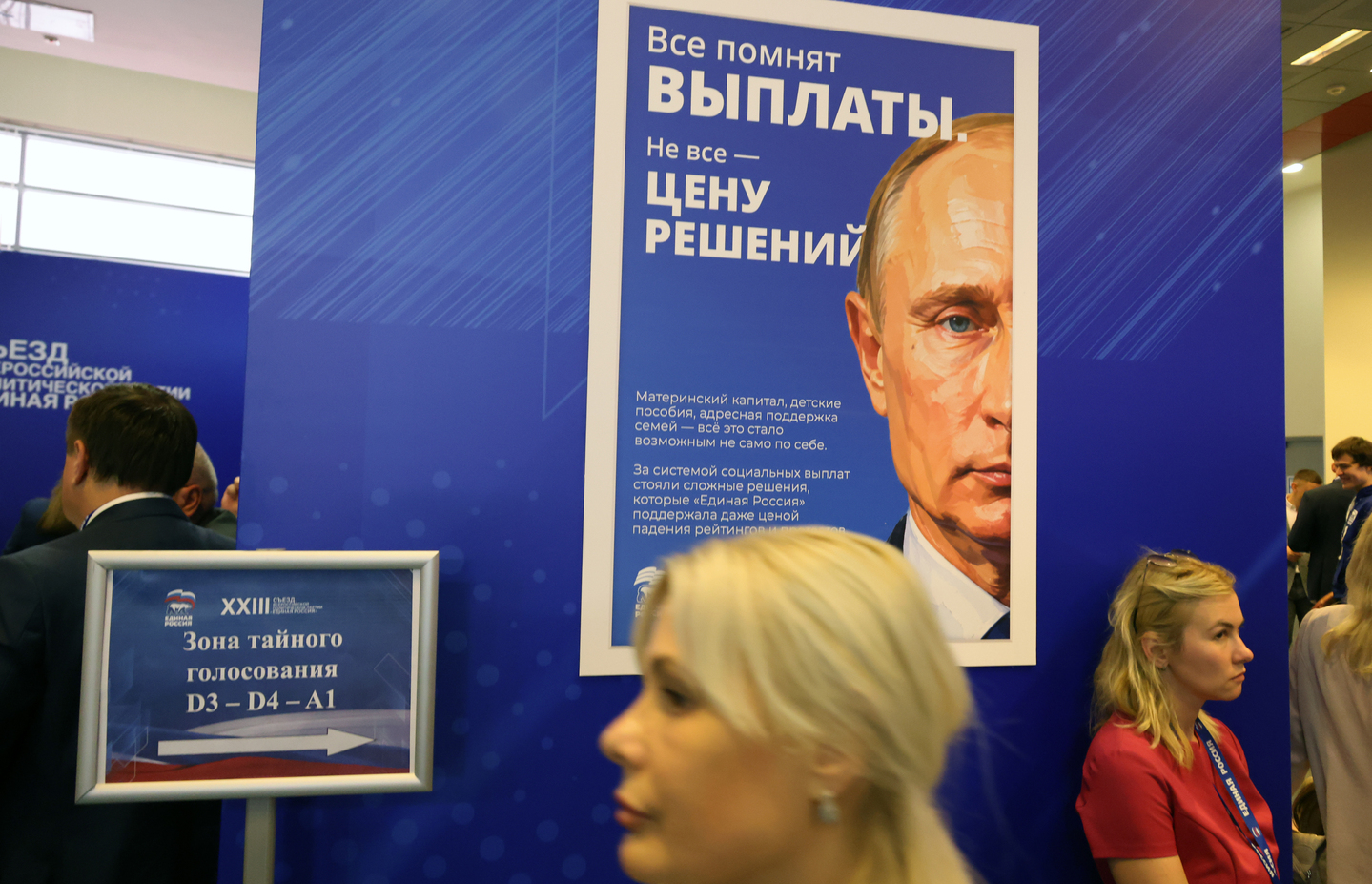
Российский бюджет перестал быть ориентиром для экономики, превратившись в табличку «расходов и доходов», не предназначенную для чужих глаз.
Александра Прокопенко

Это не было ни противостоянием общества и государственной цензуры, ни сопротивлением усилению репрессий. Столкнулись две пирамиды внутри одной системы: силовому блоку, монополизировавшему понятие «безопасность», помешали инструменты политического блока, обеспечивающего электоральные результаты.
Александра Прокопенко
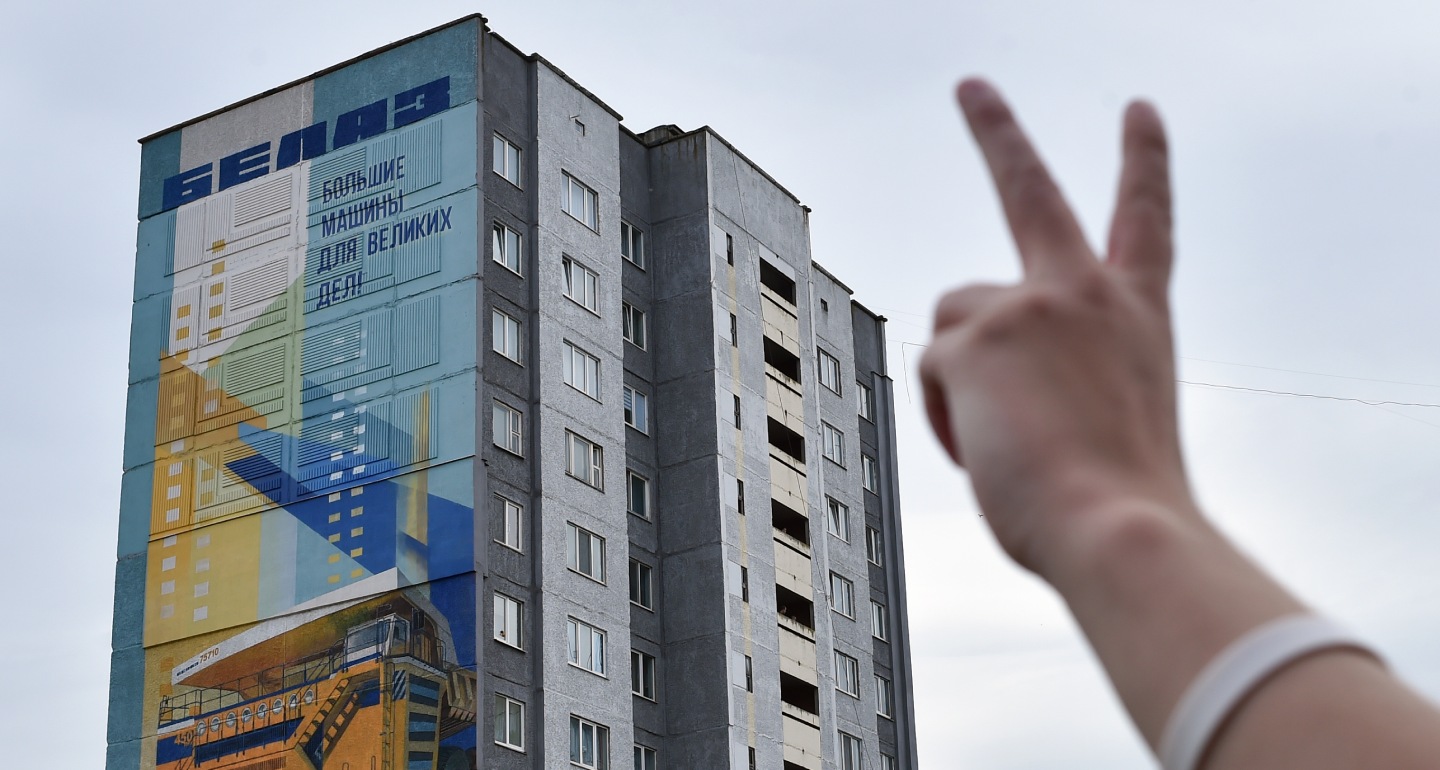
Исследование проекта Plan B. на основе годовых отчетов 43 ведущих белорусских госхолдингов (около 90% госсектора) показало, что в сумме они заработали в России за 2025 год чистыми всего около $6 млн. То есть примерно на один приличный коттедж на Рублевке или два — в минских Дроздах.
Ольга Лойко