

Commentary
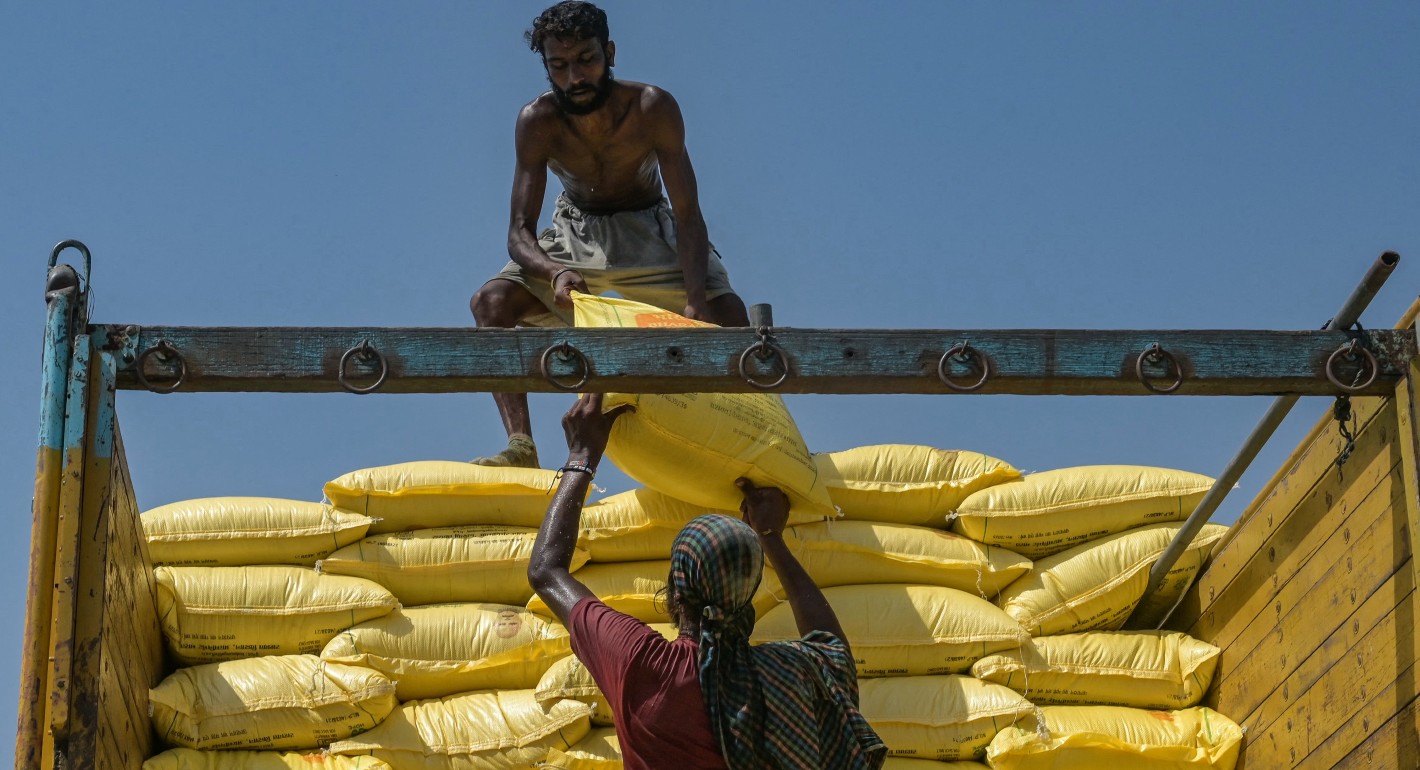
Even if the Iran war stops, restarting production and transport for fertilizers and their components could take weeks—at a crucial moment for planting.
Noah Gordon, Lucy Corthell
{
  "authors": [
    "Konstantin Gaaze"
  ],
  "type": "commentary",
  "centerAffiliationAll": "",
  "centers": [
    "Carnegie Endowment for International Peace",
    "Carnegie Russia Eurasia Center"
  ],
  "collections": [
    "Inside Russia"
  ],
  "englishNewsletterAll": "",
  "nonEnglishNewsletterAll": "",
  "primaryCenter": "Carnegie Russia Eurasia Center",
  "programAffiliation": "",
  "programs": [],
  "projects": [],
  "regions": [],
  "topics": [
    "Economy"
  ]
}
Source: Getty
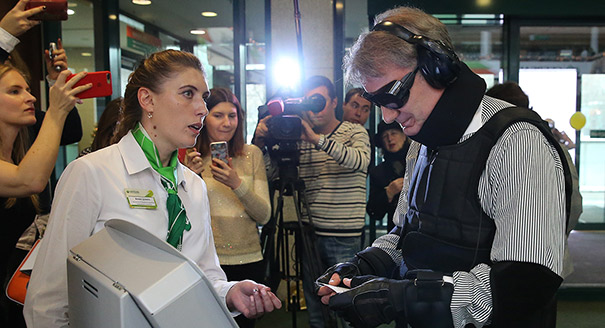
Russian new regional governors are being given a version of Western-style management training perfected by Sberbank boss German Gref. They are like managerial special ops forces deployed behind enemy lines by Moscow.
This fall, high-ranking civil servants from across Russia converged in Sochi for a training program organized by the Russian Presidential Academy of National Economy and Public Administration.
Their team-building activities included a seven-meter jump off a cliff, intended to build resilience and esprit de corps. There were also sessions on VUCA (volatility, uncertainty, complexity, and ambiguity), individual consultations, and exercises with deputy finance ministers dressed down in polo shirts.
How you define the difference between volalitily and uncertainty is known only to the coaches and business gurus who thought up this horrendous acronym. What we can be certain of is that this kind of managerial practice now defines the way the Kremlin thinks of its new governors.
Eleven new governors were appointed for Russia’s regions in the last two months. These young governors are treated not as loyal Putinites or representatives of the people, but as former corporate employees forged through the trials and tribulations of the business world.
The architect of this corporate approach is German Gref. As minister of economics and trade from 2000 to 2007, Gref bet not on the old party cadre of the Soviet past (the business heroes of the 1990s, the St. Petersburgers, or the Chekhists) but on youth, well-educated people who boasted fluency in English rather than managerial skills learned on the job. The joke at the time was that the ministry did not recruit anyone who did not know Latin. Stanislav Voskresensky, appointed as acting governor of the Ivanovo province last Tuesday, October 17, was one of Gref’s first acolytes to be recruited into government service.
Gref went on to become CEO and chairman of Sberbank, where he also oversaw radical a managerial shake-up within the company. The Sberbank experience was different. No Latin was required and its library was full of self-help manuals. The main qualification of a member of the second generation of Gref recruits should be able to jump off a cliff while shouting out a slogan such as “What brought you here, will not take you there” (the title of one of the Sberbank library books).
So state officials, future governors, and employees of state corporations—including Rosatom, where former prime minister Sergei Kiriyenko worked until last year—can thank Gref for a training course that has them diving into freezing water, conquering their fears, and solving business case studies. After all, that’s how leaders are supposedly forged out of ordinary people in the West.
In this new era, Russia no longer has need of cosmopolitan, highly educated officials, as was the case in the early 2000s. Nor does it need Soviet-style hands-on managers. In Soviet times Leadership meant reading Marx, being comfortable on the factory floor, and putting one’s foot down when necessary. So why, despite a reflexive rejection of all things Western, this new managerial model?
For Russian officials, the beauty of modern global management lies in the fact that management itself is open to interpretation—a collection of pseudo-scientific studies and life examples. The people in demand are those who understand management as a means of transforming oneself, as well as reality.
Officials like Chelyabinsk province governor Boris Dubrovsky—who was well known for his ability to criticize subordinates without raising his voice—are members of a dying breed.
Governors are no longer groomed like Soviet managers, who boasted specialized knowledge and were capable of addressing milkmaids, inspiring workers, or mobilizing the intelligentsia. To the class of new officials, disconnected from the people they govern, specialized knowledge is of little use. Rather, today’s governors are managerial special ops forces deployed behind enemy lines by the Kremlin.
Therein lies the point of the personnel revolution. New governors are being groomed as saboteurs—sent beyond Moscow into the entirely unfamiliar space of Russia’s regions. They are being sent out in the knowledge that very soon the central government will likely suspect them of not being fully loyal and playing a double game.
So neither Kiriyenko, the man in charge of regional politics, nor his boss, President Putin, can predict the career trajectories of 11 governors appointed in the fall of 2017. Some may end up in prison but others will be awarded medals. The only certainty is that appointed governors are not full members the political elite. So a poor imitation of Western management training is as good a preparation as any for the experience they follow.
Konstantin Gaaze
Konstantin Gaaze is a sociologist, and a journalist.
Carnegie does not take institutional positions on public policy issues; the views represented herein are those of the author(s) and do not necessarily reflect the views of Carnegie, its staff, or its trustees.
Even if the Iran war stops, restarting production and transport for fertilizers and their components could take weeks—at a crucial moment for planting.
Noah Gordon, Lucy Corthell
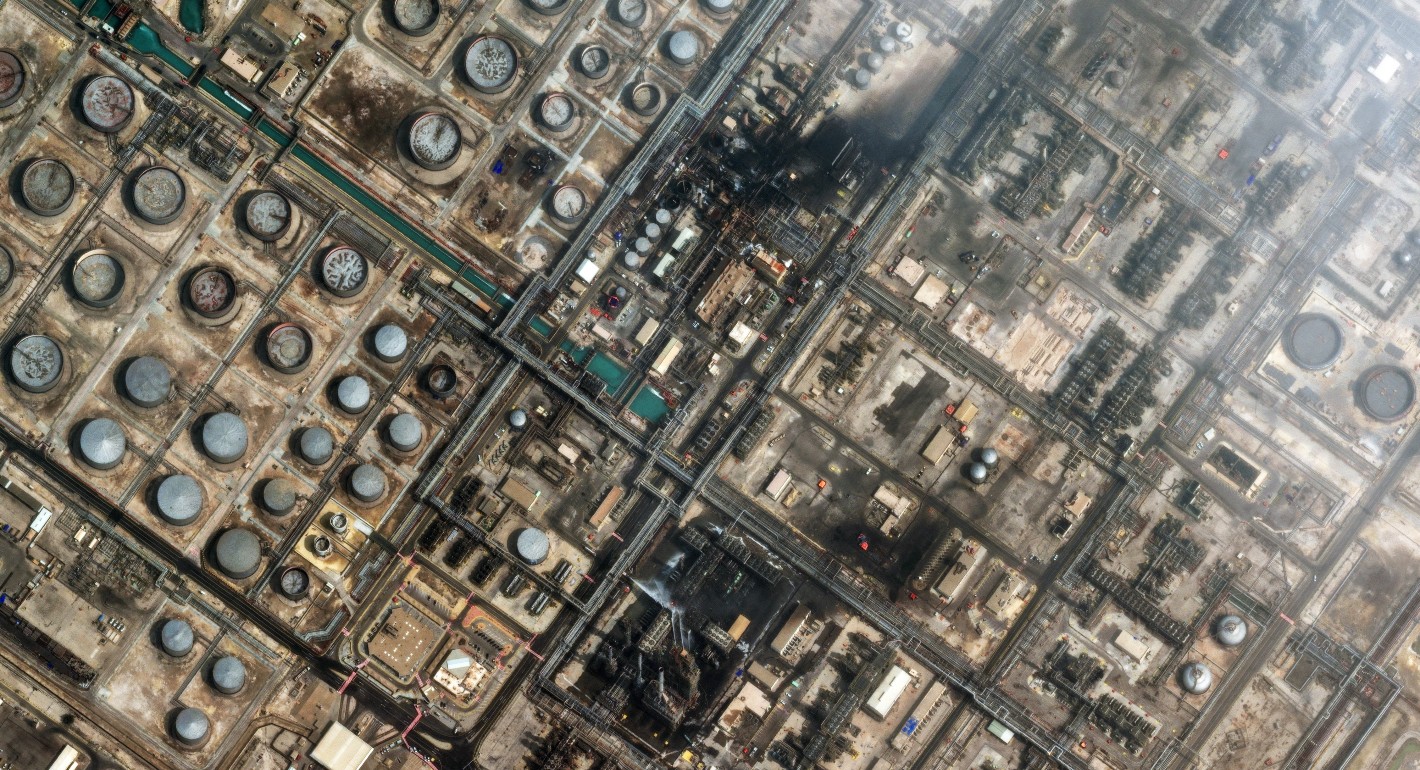
Tehran’s attacks are reshaping the security situation in the Middle East—and forcing the region’s clock to tick backward once again.

Amr Hamzawy
Only collective security can protect fragile economic models.

Andrew Leber
In a volatile Middle East, the Omani port of Duqm offers stability, neutrality, and opportunity. Could this hidden port become the ultimate safe harbor for global trade?
Giorgio Cafiero, Samuel Ramani
Arguing that Chinese policy is hung on alliances—with imputations of obligation—misses the point.

Evan A. Feigenbaum