

Other
- +5
Frances Z. Brown, Zainab Usman, Erin Jones, …
{
  "authors": [
    "Aqil Shah"
  ],
  "type": "other",
  "centerAffiliationAll": "dc",
  "centers": [
    "Carnegie Endowment for International Peace"
  ],
  "collections": [],
  "englishNewsletterAll": "ctw",
  "nonEnglishNewsletterAll": "",
  "primaryCenter": "Carnegie Endowment for International Peace",
  "programAffiliation": "SAP",
  "programs": [
    "South Asia"
  ],
  "projects": [],
  "regions": [
    "South Asia",
    "India"
  ],
  "topics": [
    "Democracy"
  ]
}
Source: Getty
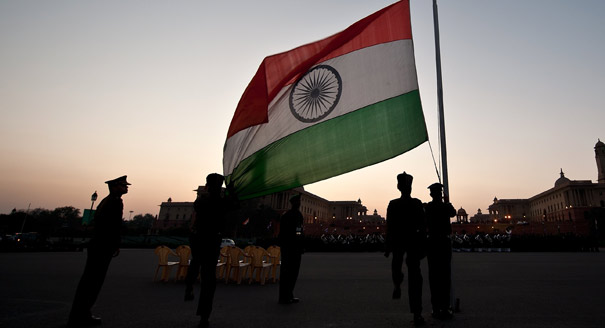
The Indian military chose to stay out of politics when Indira Gandhi imposed Emergency rule, despite numerous factors that might have facilitated an intervention.
Source: Commonwealth & Comparative Politics
In June 1975, Indian Prime Minister Indira Gandhi imposed Emergency rule, capping off a decade long process of the ‘deinstitutionalisation’ of the founding Congress party, increased social mobilisation, and political instability – factors generally considered conducive to military intervention in politics. Organisational factors encouraging military praetorianism, such as military involvement in internal security missions and the growth of ‘rival’ paramilitary institutions, accompanied this process of political decay. But the Indian military did not exploit this window of opportunity. This article offers an institutionalist explanation of the military’s political restraint based on two factors. First, institutionalised mechanisms of civilian control, forged during the critical juncture following independence, insulated the military from politics and the politicians from the military despite the weakening of the political system under which these were created. Second, military internalisation of the norm civilian supremacy, continually reinforced via professional socialisation processes, acted as an internal barrier to military role expansion...
This article was originally published in Commonwealth & Comparative Politics.
Former Visiting Scholar, South Asia Program
Aqil Shah was a visiting scholar in the South Asia Program at the Carnegie Endowment for International Peace.
Recent Work

Frances Z. Brown, Zainab Usman, Erin Jones, …
Aqil Shah
Carnegie does not take institutional positions on public policy issues; the views represented herein are those of the author(s) and do not necessarily reflect the views of Carnegie, its staff, or its trustees.
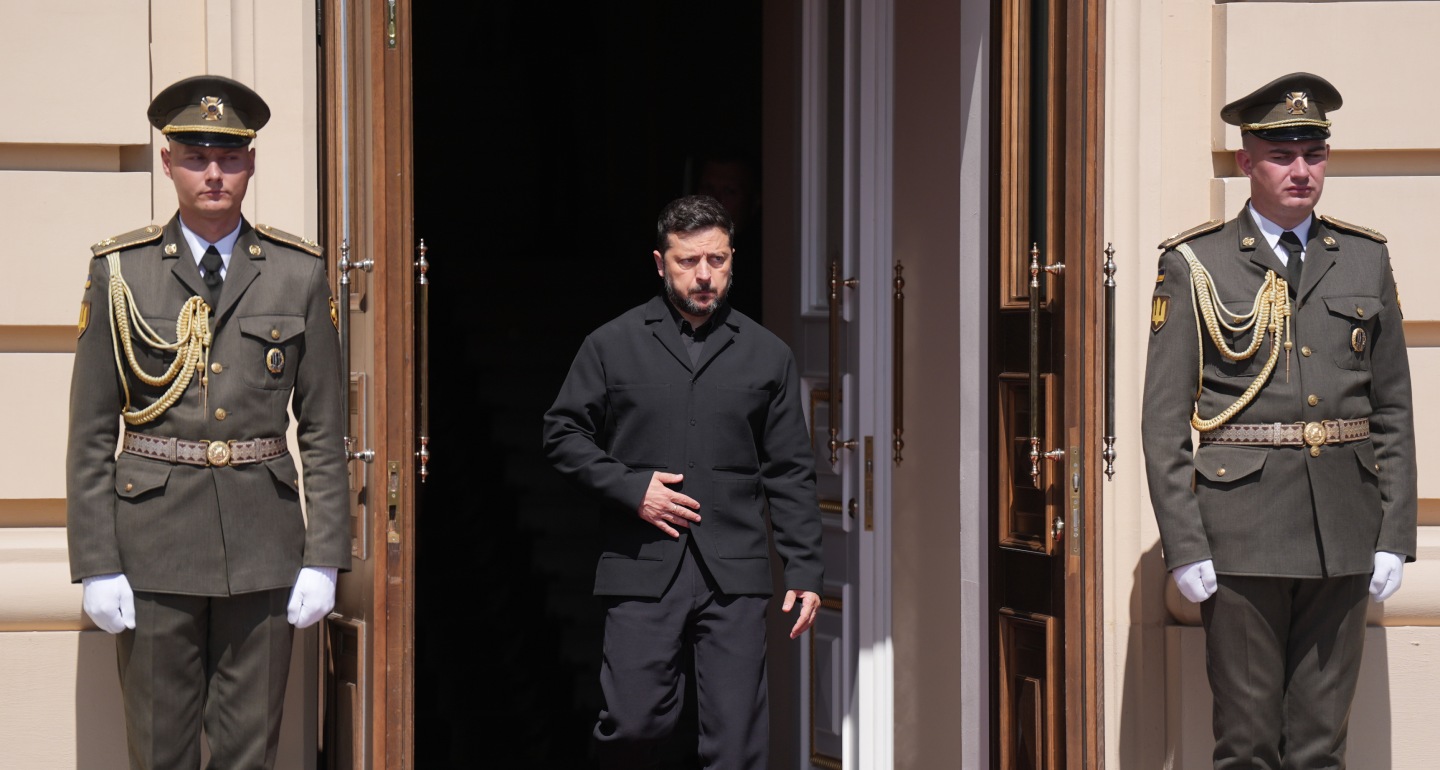
Ultimately, Zelensky sided neither with the reform camp nor with the military establishment as such, but with political control.

Balázs Jarábik

The Indian Ocean Region hosts one of the densest concentrations of subsea cables in the world. Yet, despite accounting for a significant share of global internet traffic, India’s participation remains limited.

Charukeshi Bhatt

As the EU confronts profound challenges, several leaders have called for fundamental reform to the union’s model—but only modest, superficial changes have resulted. What if Europe really could be reimagined from zero today: What should such a redesigned European order look like?

Richard Youngs, ed.

How is AI reshaping space security, creating governance challenges, and where does international diplomacy stand today?


Tejas Bharadwaj, Almudena Azcárate Ortega
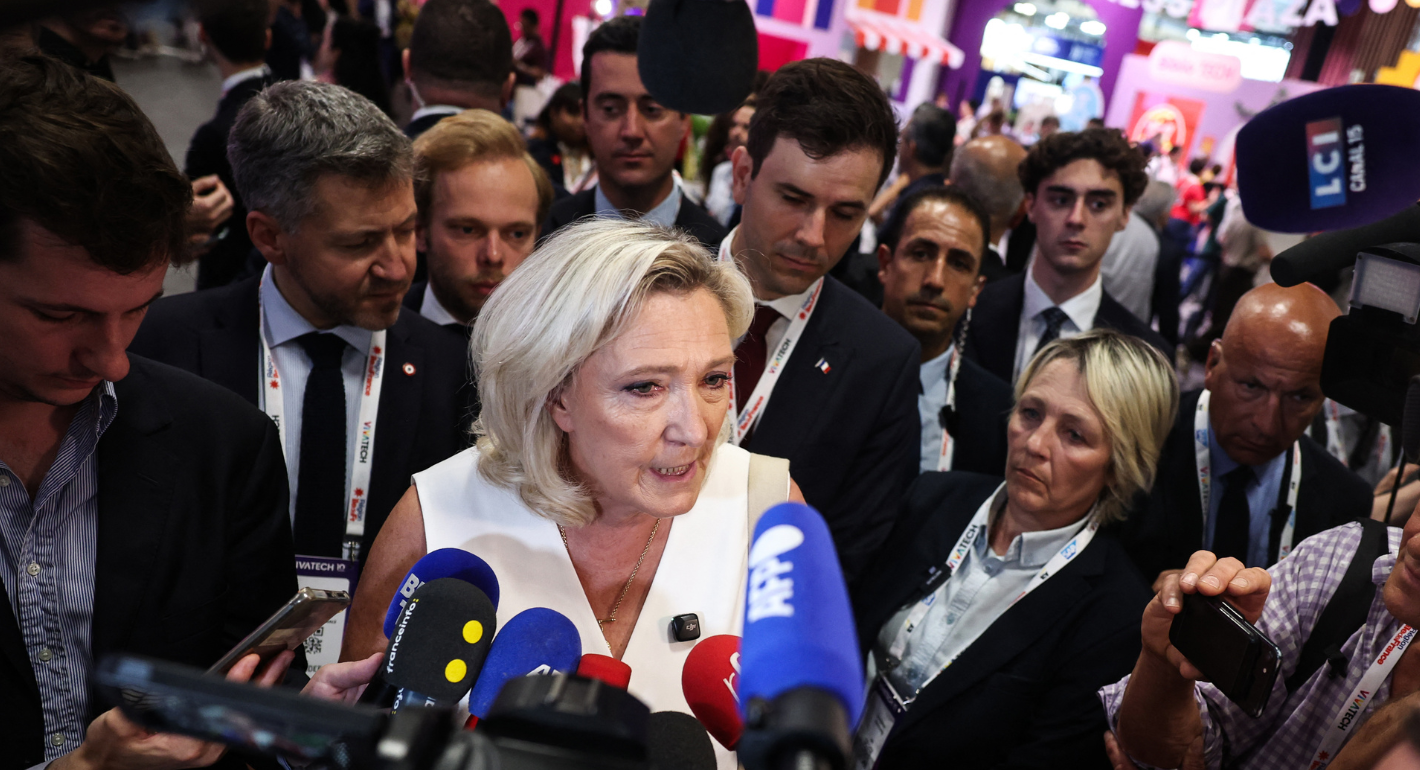
Far-right leader Marine Le Pen can—and will—run in France’s next presidential election. What does the outcome of her appeal against a 2025 embezzlement conviction mean for the country’s political future?
Catherine Fieschi