

Commentary
Chung Min Lee
{
  "authors": [
    "Chung Min Lee"
  ],
  "type": "other",
  "centerAffiliationAll": "dc",
  "centers": [
    "Carnegie Endowment for International Peace"
  ],
  "collections": [
    "Inside Korea"
  ],
  "englishNewsletterAll": "asia",
  "nonEnglishNewsletterAll": "",
  "primaryCenter": "Carnegie Endowment for International Peace",
  "programAffiliation": "AP",
  "programs": [
    "Asia"
  ],
  "projects": [],
  "regions": [
    "East Asia",
    "South Korea"
  ],
  "topics": [
    "Security",
    "Military"
  ]
}
Source: Getty
It is critical for South Korea to undertake structural military reforms and create a new bipartisan national security paradigm.
Source: Strategic Asia 2017–18: Power, Ideas, and Military Strategy in the Asia-Pacific
Several facets of South Korea’s grand strategy remain constant, such as the goals of achieving peaceful reunification of the Korean Peninsula, deterring and defending the country’s territorial and political integrity from a range of North Korean threats, ensuring its global economic competitiveness, and sustaining its democratic foundations. Yet even as these pillars remain the same, South Korea must now adapt this strategy to address an unprecedented range of threats. It not only must contend with a growing spectrum of North Korean threats and nonlinear scenarios; it also must consider China’s anti-access/area-denial capabilities around the Korean Peninsula in an acute military crisis. These challenges will test the ability of the political leadership in Seoul to break out of its constant political infighting and build a new national security consensus.
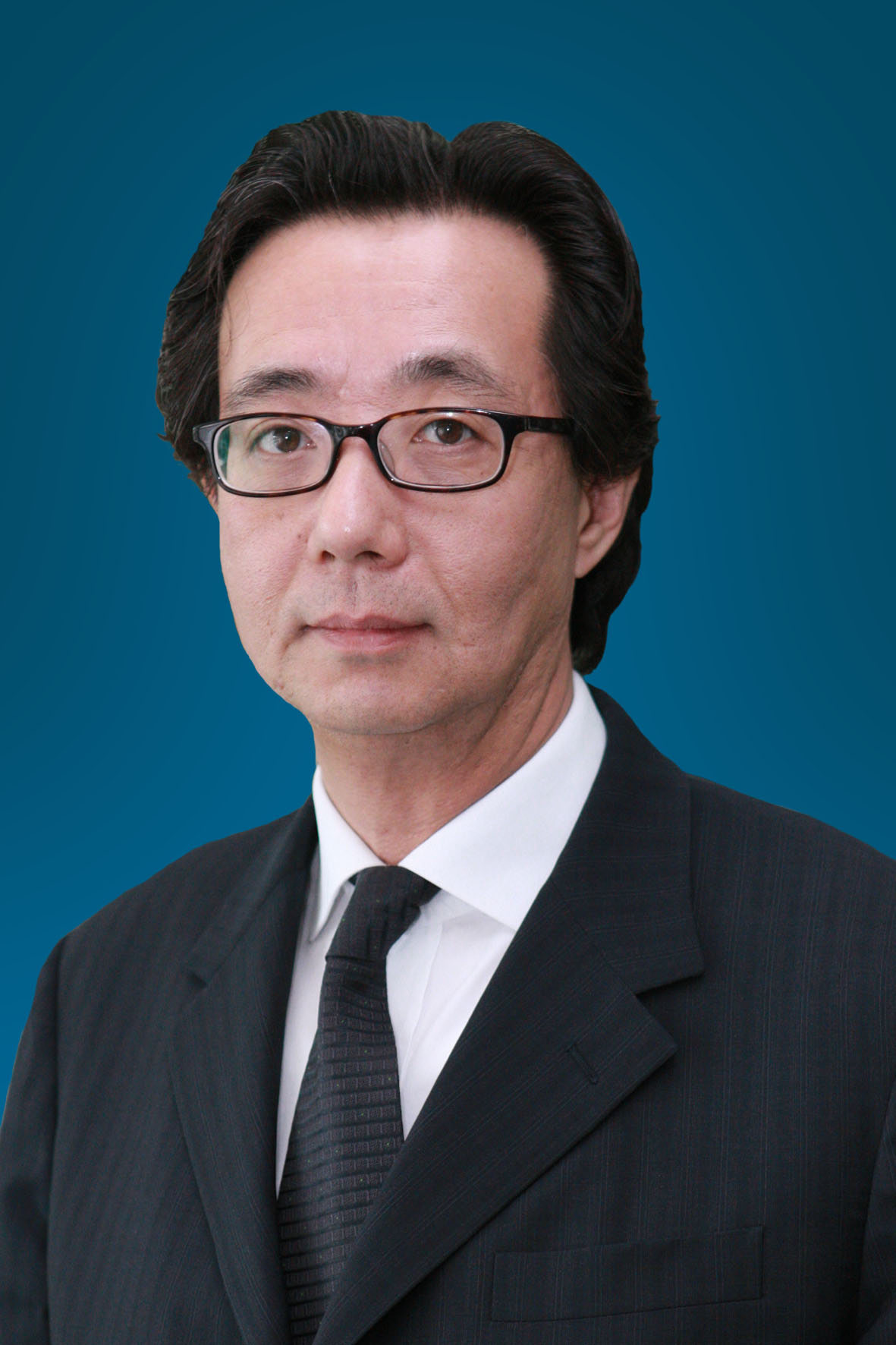
Senior Fellow, Asia Program
Chung Min Lee is a senior fellow in Carnegie’s Asia Program. He is an expert on Korean and Northeast Asian security, defense, intelligence, and crisis management.
Recent Work
Chung Min Lee
Carnegie does not take institutional positions on public policy issues; the views represented herein are those of the author(s) and do not necessarily reflect the views of Carnegie, its staff, or its trustees.

A deep dive into the policy ecosystems behind battery development in China, South Korea, Japan, the European Union (including some of its member states), the United States, Canada, and India.



Milo McBride, Herbert Crowther, Darcie Draudt-Véjares, …

The Horn of Africa countries are among those facing a new security calculus.


Andrew Leber, Lesley Anne Warner

The European far right might fail to steer EU policy in the direction Russia wants, but they will create enough chaos inside Europe to benefit the Kremlin.

Dimitar Bechev

The new U.S.–Denmark–Greenland agreement will help Washington exert political, economic, and financial dominance under the guise of security. Yet, it acknowledged Copenhagen’s and Nuuk’s sovereignty on the island.

Marc Pierini

The nuclear relationship between China and the United States is increasingly shaped by widening perception gaps rather than deliberate strategic design.

Tong Zhao