

Commentary
Andrei Kolesnikov
{
  "authors": [
    "Andrei Kolesnikov"
  ],
  "type": "legacyinthemedia",
  "centerAffiliationAll": "",
  "centers": [
    "Carnegie Endowment for International Peace",
    "Carnegie Russia Eurasia Center"
  ],
  "collections": [
    "Inside Russia"
  ],
  "englishNewsletterAll": "",
  "nonEnglishNewsletterAll": "",
  "primaryCenter": "Carnegie Endowment for International Peace",
  "programAffiliation": "",
  "programs": [],
  "projects": [],
  "regions": [
    "Russia"
  ],
  "topics": []
}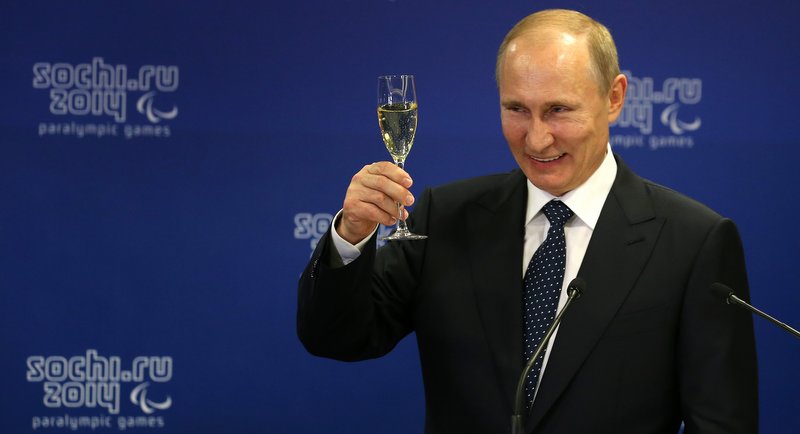
Source: Getty
The ban on Russia taking part in the 2018 Winter Olympics is a gift to Russian President Vladimir Putin. For Putin, this is perfect fuel for the besieged fortress concept, which is one of the mainstays of his personal legitimacy and popularity.
Source: The Hill
The ban on Russia taking part in the 2018 Winter Olympics is a gift to Russian President Vladimir Putin. The International Olympic Committee concluded that there was “systematic manipulation of the anti-doping system” by Russian authorities when the country hosted the 2014 Winter Olympics in Sochi, and it banned Russia’s national team from the Pyeongchang Games in 2018, though individual Russian athletes can compete under a neutral flag. For Putin, this is perfect fuel for the besieged fortress concept, which is one of the mainstays of his personal legitimacy and popularity.
This is the idea that Russia is constantly under attack from the West, which dreams up sanctions and throws out unjust accusations in order to make our country weak. In response, Russia builds its own fortress, and we ordinary Russians feel gratitude to our commander. Surrounded by external enemies such as Western leaders and international structures like the Olympic committee, and faced with a treacherous fifth column supported by the United States at home, we have begun to experience Stockholm syndrome: Even if we are hostages of Putin and his elites, how can we defend ourselves without him?
The doping scandal and its unprecedented consequences for Russian (and Soviet) sport fit right into this narrative. But they have also struck a painful blow to Putin, and not because of the athletes, which like soldiers, are simply consumables to mighty Mother Russia, the cannon fodder of the hybrid war. The problem lies in the profound humiliation, as all these reports of replaced urine samples look very bad, even embarrassing.
Having defeated Islamic State forces in Syria, accomplished the peaceful annexation of Crimea, and maintained economic pride in the face of Western sanctions, Putin now faces something that he can’t turn into a victory. The ban on the Olympic team is a personal defeat for Putin and a spanner in the wheels of his political machine. It can’t be compared with the U.S. boycott of the 1980 Moscow Olympics, or the Soviet Union’s reciprocal boycott of the Los Angeles Games in 1984. In those, the Soviet Union never lost face.
Sporting prowess was always a key element of Soviet greatness, and it was important for Putin to use the same source of pride to finish the construction of his imaginary empire, which must resemble the Soviet Union. The Russian leader has his own hammer in the Middle East, just like the Soviet Union did. He is at daggers drawn with the West, like Soviet leaders. He tries to be the metropole of Eurasia, like Russia in Soviet times. He has his own secret war, just as the Soviets had their proxy wars in Korea or Vietnam or Afghanistan. Now he needs sporting victories, as well as military and diplomatic ones. But the West is constantly stealing Russia’s victories, both previous and future.
Paradoxically, this defeat will have no notable impact on Russia’s presidential election early next year. Putin’s majority, the people who always say they approve of the president’s actions when polled by sociologists, will continue to support him, and will be incensed by what they see as the unjust decision of the Olympic authorities. Nor can the ban add anything to Putin’s image. Hybrid warfare is by now routine, and the senseless mantras equating the IOC’s decision to the outbreak of World War II and the collapse of the Soviet Union simply sound banal.
The possible impact of the ban on Russia’s foreign policy is, however, less certain. After Russia’s resounding victory in the 2014 Winter Olympic Games, a victory that now turns out to have been Pyrrhic, Putin sent unidentified troops to seize Crimea. We can’t even imagine what he might do after the 2018 Olympics.
There are two limiting factors that may help to avoid new hybrid warfare initiatives: a lack of inspiration and imagination, as no territory is comparable for Russians to their historical territory of Crimea, and next year’s FIFA World Cup, which is due to be hosted by 11 cities across Russia. Staging the World Cup in Russia is a matter of honor for Putin, now more than ever before.
Former Senior Fellow, Carnegie Russia Eurasia Center
Kolesnikov was a senior fellow at the Carnegie Russia Eurasia Center.
Recent Work
Andrei Kolesnikov
Andrei Kolesnikov
Carnegie does not take institutional positions on public policy issues; the views represented herein are those of the author(s) and do not necessarily reflect the views of Carnegie, its staff, or its trustees.
Blurring the line between humans and animals is a long-standing tradition in social utopian prose. In his latest novel, Leonid Bershidsky reminds us that in social experiments, people are often treated no differently than animals.

Alexander Baunov
While France and Australia are seeking to establish the legal obligations of messaging apps like Telegram, Russia wants total subordination.

Maria Kolomychenko
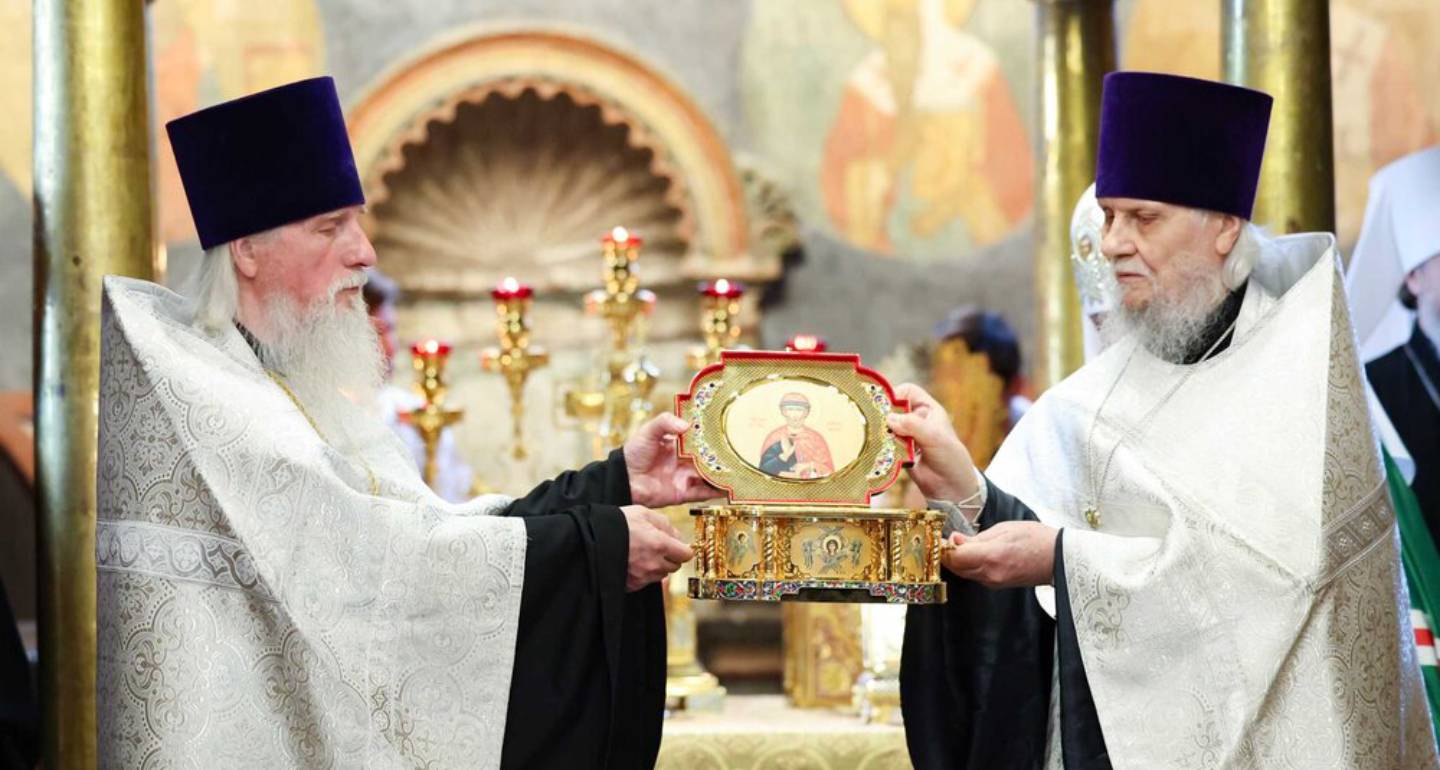
The recent uncovering of Dmitry Donskoy’s relics in the Cathedral of the Archangel is yet another attempt by the Russian Orthodox Church to help the state solve its problems. However, parroting the state’s version of Russian history leaves the Church with no message except “patriotism.”
Alexander Zanemonets

With the growth in points of friction between the great powers, organizations like the SCO will continue to play a role in the strategic adaptation of the smaller powers caught between them.

Temur Umarov
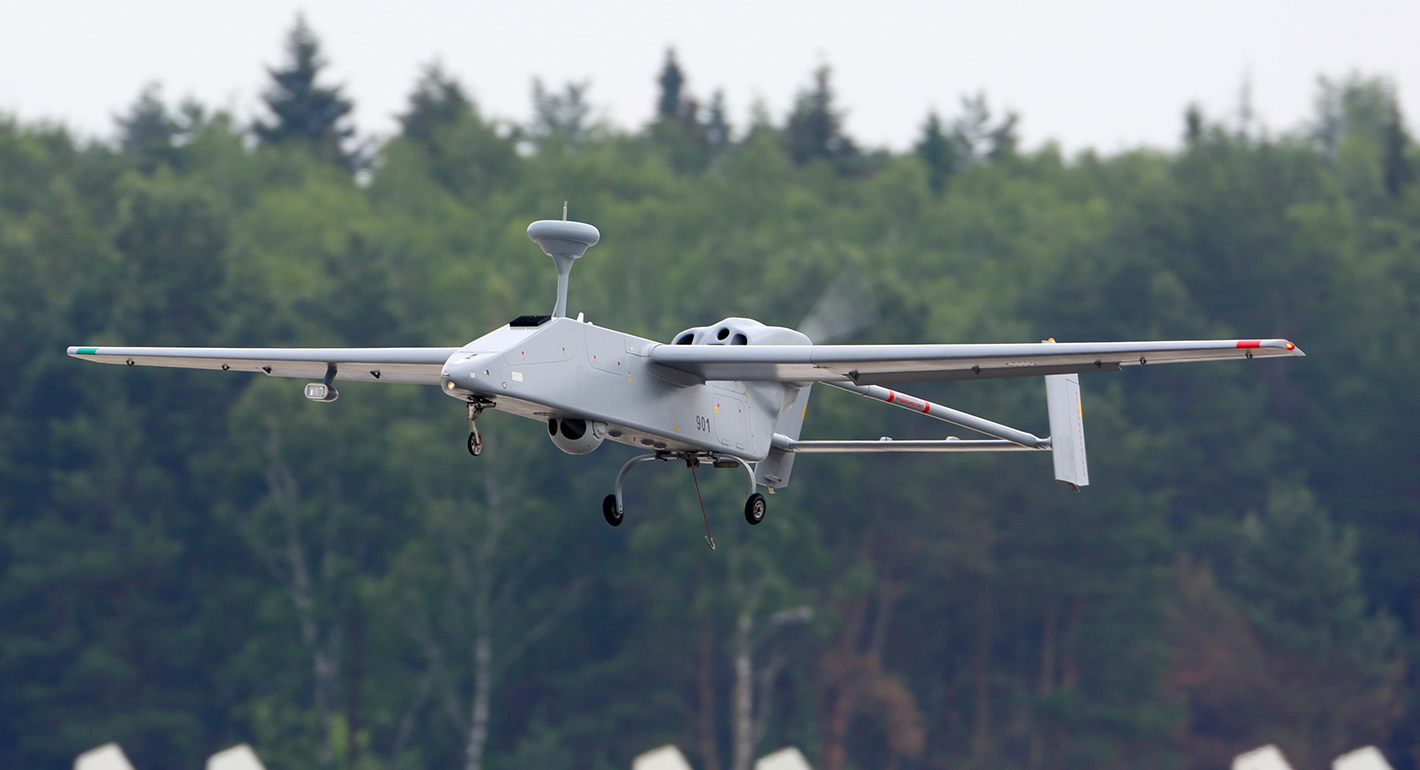
Moscow is testing Europe’s defenses with drone incursions and could decide to use drones against the continent on a much larger scale once the war in Ukraine pauses. European countries will need Kyiv to help them prepare for such a possibility.
Pavlo Zvenyhorodskyi