

Article
Paul Stronski
{
  "authors": [
    "Paul Stronski"
  ],
  "type": "legacyinthemedia",
  "centerAffiliationAll": "dc",
  "centers": [
    "Carnegie Endowment for International Peace"
  ],
  "collections": [],
  "englishNewsletterAll": "ctw",
  "nonEnglishNewsletterAll": "",
  "primaryCenter": "Carnegie Endowment for International Peace",
  "programAffiliation": "russia",
  "programs": [
    "Russia and Eurasia"
  ],
  "projects": [
    "Changing Geopolitics of Eurasia"
  ],
  "regions": [
    "Caucasus",
    "Armenia"
  ],
  "topics": [
    "Political Reform",
    "Democracy"
  ]
}
Source: Getty
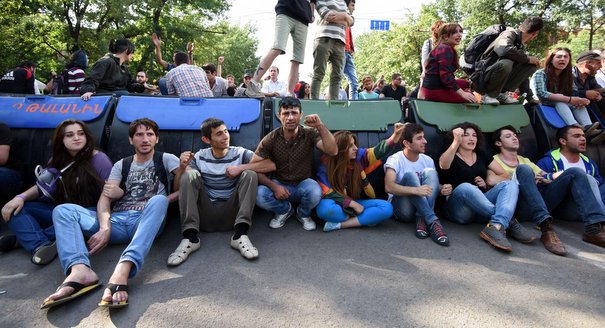
The resignation of Armenian Prime Minister Serzh Sargsyan after eleven days of peaceful protest was a genuine expression of the will of the people. Yet Armenia’s economic and security challenges mean that preserving this moment for democracy will require tremendous effort.
Source: Atlantic
Each time street protests oust the leader of a former Soviet republic, Vladimir Putin probably sees the West’s hidden hand. But when it comes to Monday’s shocking resignation of Armenian Prime Minister Serzh Sargsyan following 11 days of peaceful protest, such an assumption would be a big mistake. What happened on Monday in Yerevan, Armenia’s capital, was a genuine expression of the will of the people. Sargsyan, who had served in senior government posts for over 20 years, including the last 10 as president, lost touch with the Armenian public. Armenians had grown tired of broken promises, endemic corruption, and the widening gap between the country’s haves and the have-nots.
The prologue to Sargsyan’s downfall came in 2015, when he pushed through a constitutional change allowing him to sidestep a two-term limit by transferring the powers of the presidency to the prime minister. On April 16, he was nominated by the ruling party for the prime minister position, but small protests had already begun in Yerevan in anticipation of this move. They swelled on April 17, the day he officially took the job. When police began to rough up and detain protestors, the demonstrations in the capital grew, drawing as many as 100,000 people, according to some estimates.
Few post-Soviet leaders have stepped down peacefully, so Sargsyan’s decision to do so is laudable. The situation remained tense to the end, but he ultimately refrained from using brute force to quell the protests, unlike his immediate predecessor Robert Kocharian, who ordered troops to fire on protestors after the 2008 election, killing 10 people. Instead, Sargsyan followed former Georgian President Eduard Shevardnadze’s example: He stepped down in the face of public protests, rather than use force on unarmed non-violent civilians.
Armenia showed the world that people power still has purchase. Yet it will face challenges like a struggling economy, endemic corruption, and strained relations with all its neighbors, meaning that preserving this shining moment for democracy will entail tremendous effort both from people inside the country and the international community.
Something that will help Armenia as it faces its new future is its surprisingly robust civil society. The country is unique in the former Soviet space in that it is neither fully authoritarian nor fully democratic, but a hybrid of sorts. Unlike in some of its neighbors, Armenia’s social-media space remains free. While the ruling party and entrenched economic elite have a strong hold on power, NGOs are free to criticize them from within the country, and a rising generation of Armenian youth now demands more from its political class.
The Armenian government, it seems, failed to keep up with its demands. Under pressure from Russia in 2013, it backed away from signing an Association Agreement with the European Union, which would have facilitated a closer trade and political relationship with the bloc. It had no choice but to join Putin’s alternative to the EU, the Eurasian Economic Union, bringing many of Russia’s post-2014 economic problems along with it. Recognizing that many Armenians felt drawn to Europe, as well as his country’s increasing trade ties with the EU, in 2017 Sargsyan negotiated a substitute deal with Brussels to replace the Association Agreement he abandoned four years earlier. The balancing act between east and west was difficult.
Rising nationalism has also been a problem for a government that tied the country’s economic fortunes and security to Russia—a relationship that has brought few tangible benefits to average Armenians. For nearly 30 years, Armenia has also been in a state of war with neighboring Azerbaijan over an Armenian-dominated territory called Nagorno-Karabakh. During a brief confrontation in 2016 with Azerbaijan on Sargsyan’s watch, Armenia lost a small slice of occupied Azerbaijani territory it had held for nearly a quarter century. The loss was partly blamed on corruption in the military, and partly on Russian arm sales to Azerbaijan. Whoever takes over for Sargsyan will have to prove his bona fides on this issue, making peace more elusive.
The unrest in Armenia also also seemed to tap into the rising tide of populism around the globe. Broad segments of Armenian society have grown tired of establishment politicians—both ruling and opposition—and have begun looking elsewhere. The protests that led to Sargsyan’s departure were led by Nikol Pashinian, a 43-year-old former journalist and founder of the Civil Contract, an opposition party. Bucking the advice of other opposition parties, he called for small demonstrations against Sargsyan’s prime ministerial appointment, which morphed into a mass street movement. Now the leader of the opposition, Pashinian is in negotiations with Armenia’s acting prime minister over possibly holding new parliamentary elections.
Proponents of democracy around the world should rejoice at the changes in Armenia. Yet, its economic and security problems will hinder any quick solutions. The economy is struggling and unemployment remains perennially high. Russia remains a difficult partner, eager to intervene in its neighbors’ affairs to bolster its influence and block the West. Putin sees the region in zero-sum terms, even if the West does not.
The situation, to put it mildly, remains quite fluid. Once the euphoria of the moment subsides, a lot needs to go right for Armenia to continue down this encouraging path.
Former Senior Fellow, Russia and Eurasia Program
Paul Stronski was a senior fellow in Carnegie’s Russia and Eurasia Program, where his research focuses on the relationship between Russia and neighboring countries in Central Asia and the South Caucasus.
Recent Work
Paul Stronski
Paul Stronski
Carnegie does not take institutional positions on public policy issues; the views represented herein are those of the author(s) and do not necessarily reflect the views of Carnegie, its staff, or its trustees.

Ex-president Gurbanguly Berdimuhamedov remains interested in politics, but his son Serdar, Turkmenistan’s current president, is becoming increasingly independent and willing to break with his father’s legacy. If their covert rivalry goes too far, both risk losing power.

Galiya Ibragimova

A notable degree of participative democracy has firmly arrived in Europe. But to have more far-reaching impact, democratic deliberation needs to move into a radically new phase.

Richard Youngs
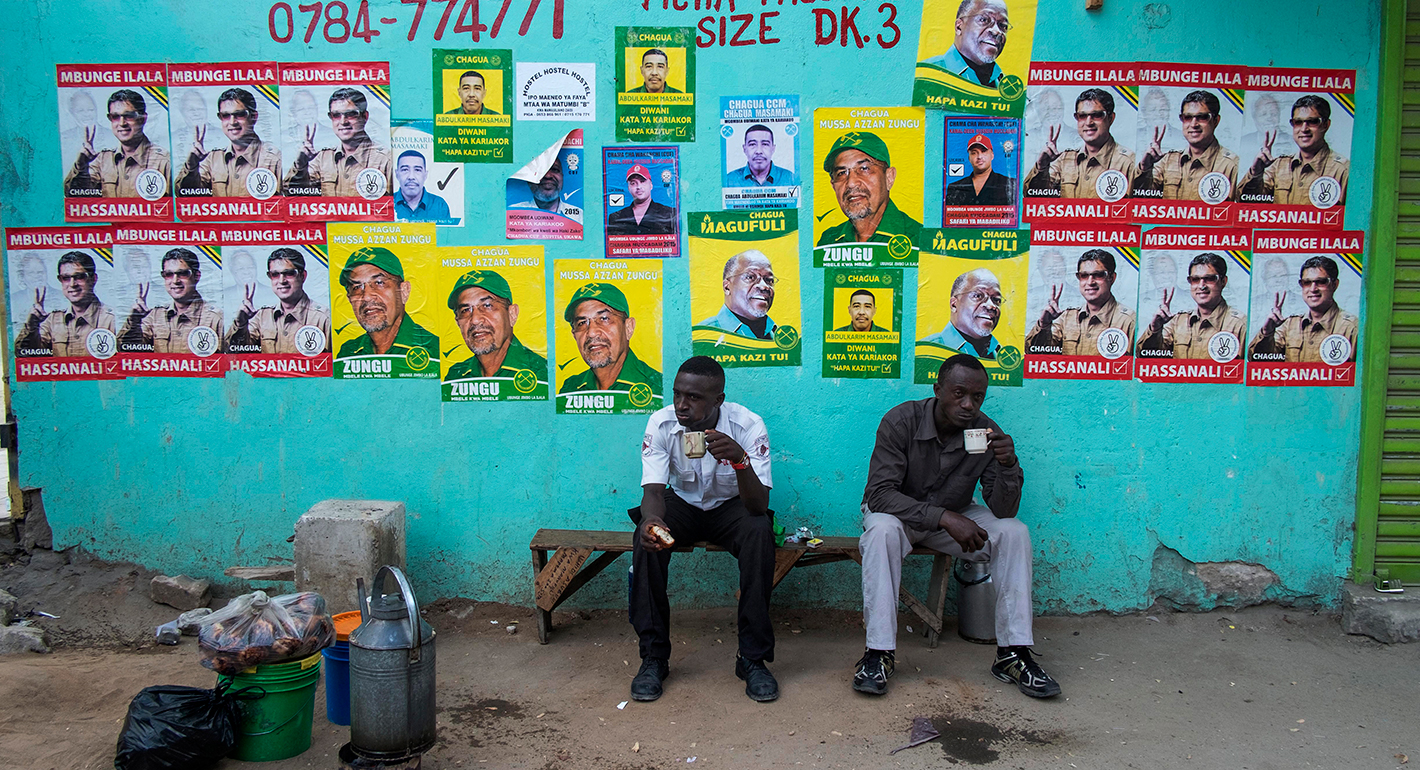
Today’s global democratic recession is partly rooted in a common perception that democracies have a delivery problem, with many citizens in both autocracies and democracies alike now believing that strongmen can achieve better governance outcomes. But a study of four countries in Africa reveals that democratic-leaning governments have demonstrated better governance performance than autocratic governments.


Sarah Yerkes, Natalie Triche, Amr Hamzawy
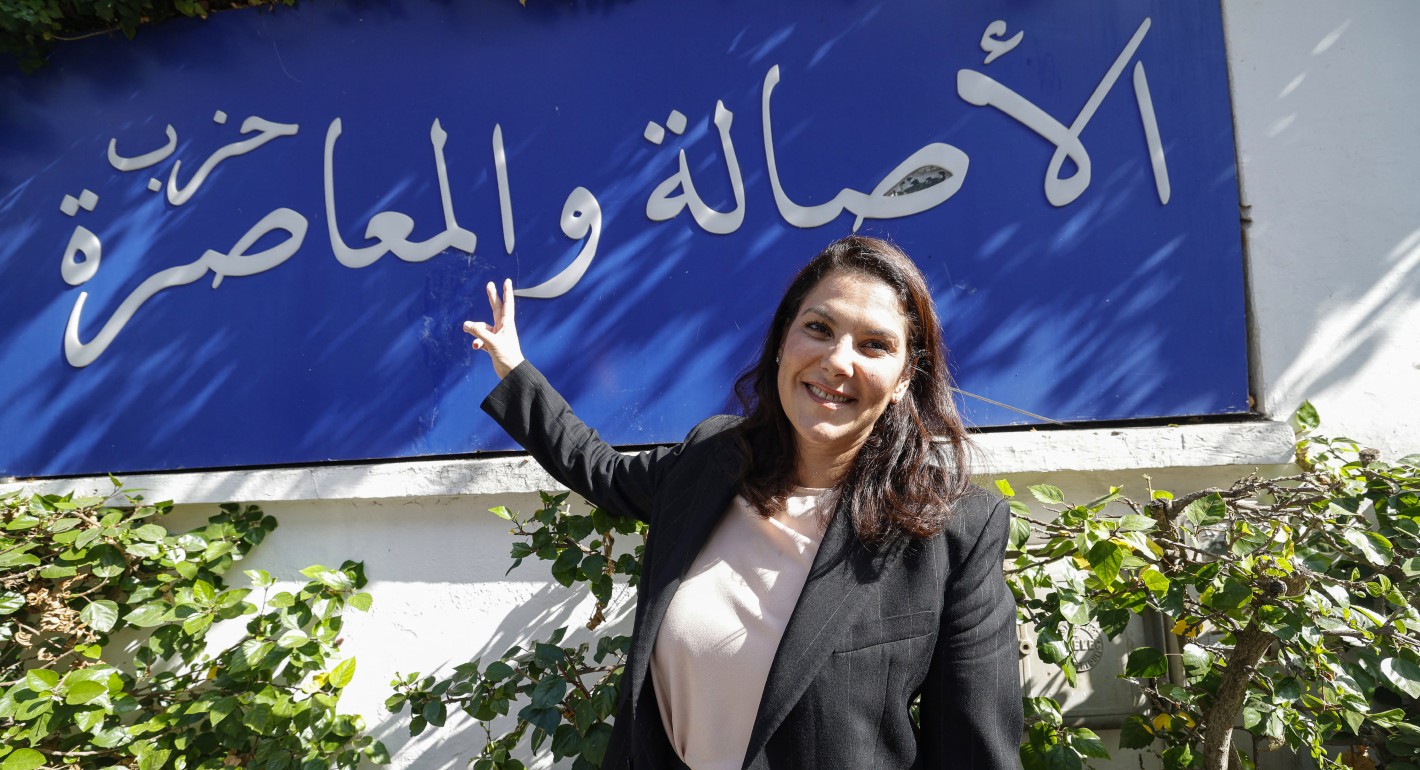
Fatima El Mansouri is the country’s first female prime minister. She’s also a privileged insider in a largely ceremonial position.
Sarah Yerkes

The domestic impacts of how long it is taking to end the war in Ukraine have pushed the French electorate to the political extremes and compromised the country’s diplomatic capacity.

Rym Momtaz