

Commentary
The Russian state has opted for complete ideological control of the internet and is prepared to bear the associated costs.
Maria Kolomychenko
{
  "authors": [
    "Moisés Naím",
    "Francisco Toro"
  ],
  "type": "legacyinthemedia",
  "centerAffiliationAll": "",
  "centers": [
    "Carnegie Endowment for International Peace"
  ],
  "collections": [],
  "englishNewsletterAll": "",
  "nonEnglishNewsletterAll": "",
  "primaryCenter": "Carnegie Endowment for International Peace",
  "programAffiliation": "",
  "programs": [],
  "projects": [],
  "regions": [
    "North America",
    "South America"
  ],
  "topics": [
    "Political Reform",
    "Democracy"
  ]
}
Source: Getty
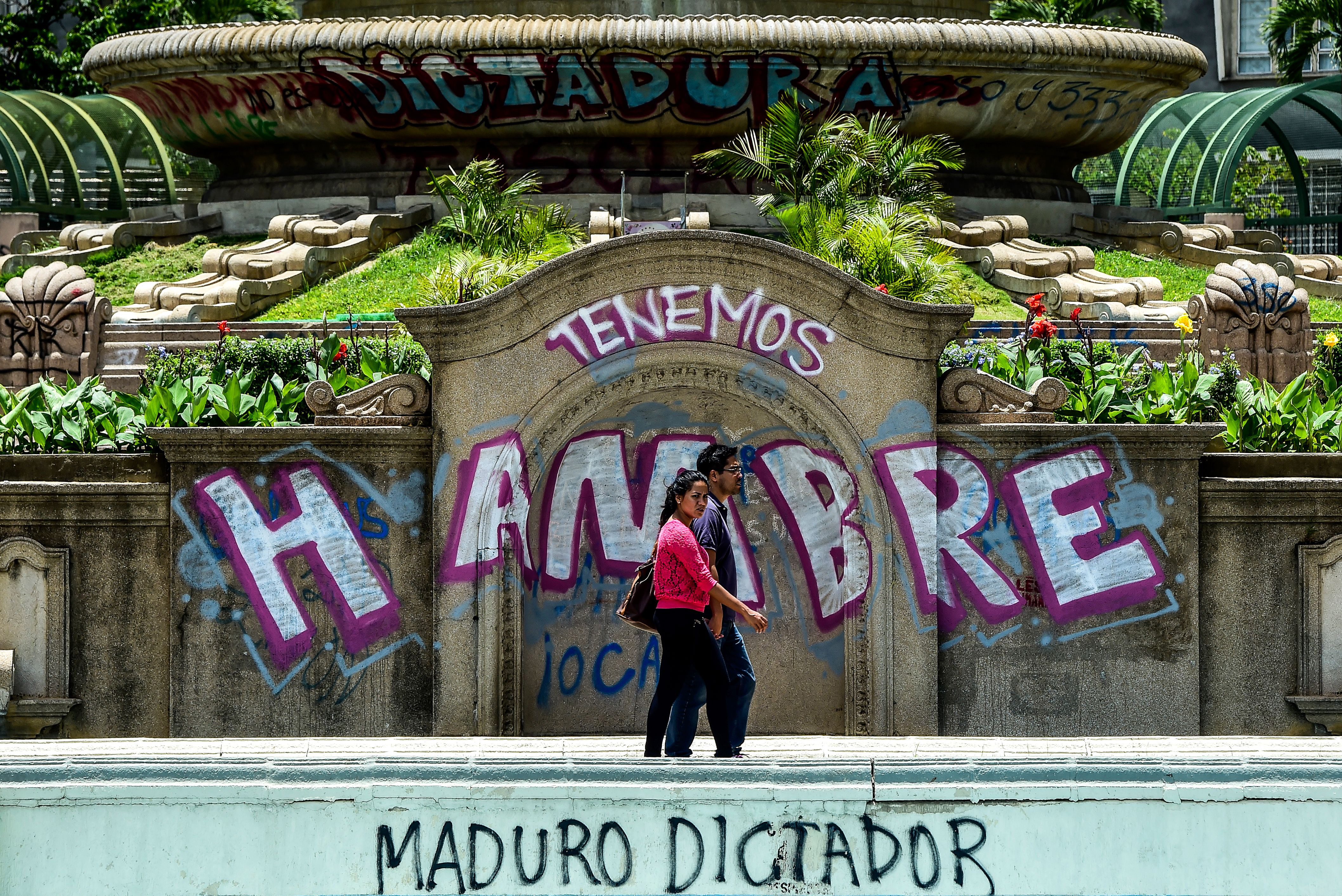
Maduro has no clue how to reverse any of the multiple crises he has set off. At this point, the goal of staying in power is just to be in power.
Source: Atlantic
It’s difficult to describe the state of Venezuela today without coming across as a little hysterical. Phrases like “zombie movie set” and “post-apocalyptic hellscape” keep turning up in the accounts of recent visitors, who are staggered to see a society reach the levels of decay normally associated with wartime, but without a war.
In an engrossing recent account, The Wall Street Journal’s Anatoly Kurmanaev—who reported out of Caracas from 2013 until a few weeks ago—compared the nation’s state unfavorably with the Siberia of his youth in the 1990s:
Venezuela’s collapse has been far worse than the chaos that I experienced in the post-Soviet meltdown. As a young person, I was still able to get a good education in a public school with subsidized meals and decent free hospital treatment. By contrast, as the recession took hold in Venezuela, the so-called Socialist government made no attempt to shield health care and education, the two supposed pillars of its program.
The statistics of Venezuela’s implosion are at once mind-blowing and somehow not quite up to the task of expressing the full horror of what’s happening there. In a country that had been Latin America’s beacon of peace, stability, democracy, and development throughout the second half of the 20th century, about two-thirds now report involuntary weight loss due to hunger. Out of those who reported losing weight, the average loss was approximately 20 pounds last year.
That, amid all this, the sitting president was recently returned to office with 68 percent of the vote stands as its own sick joke. The election, it nearly goes without saying, was rigged. The opposition boycotted it, and virtually every large democracy and the organizations that represent them slammed it as grossly undemocratic and refused to recognize it: the EU, the U.S., Canada, the G7, every large country in Latin America. The measure of Venezuela’s democratic implosion is the list of countries that did recognize it: Cuba, Russia, Nicaragua, Bolivia, and Iran. Even Syria’s Bashar al-Assad took a break from his war to send Maduro a congratulatory message.
The surprise, in a way, is less that Nicolás Maduro won “reelection” (the scare quotes are sadly mandatory here) than that he wanted another term in the first place. A former bus driver and Cuban-trained hard-line Marxist operative, Maduro has been painfully out of his depth ever since he took over the presidency following Hugo Chávez’s death in March 2013. Five years later, he has no achievements of any kind to show for his time in office, save for managing the considerable feat of hanging on to power through a crisis that would’ve seen off any leader even slightly interested in his people’s well-being.
Maduro plainly has no clue how to reverse any of the multiple crises he has set off, and is reduced to recycling the same promises he has been making and failing to keep for years now. His “campaign” this year centered on the claim that another term is all he needs to defeat the shadowy economic conspiracy he incongruously blames for hyperinflation and economic collapse. And how does he propose to do this? By doubling down on the rigid price controls and uncontrolled money printing that, economists of all stripes agree, are the actual cause of hyperinflation and economic collapse.
The total absence of credible new policies with an adamant refusal to acknowledge the scale of suffering his policies continue to cause are now the regime’s defining characteristics.
So why does he want to keep a job that’s so plainly beyond him?
The reality is that for Nicolás Maduro and the clique around him, the goal of staying in power is just to be in power. Nothing more. Because at this point he’s dug himself into a hole so deep, the alternative to a presidential palace is very likely a jail cell. Or worse.
The ghost of Manuel Noriega, the former Panamanian dictator, hangs heavily over any discussion of Maduro’s future. Like Noriega, Maduro runs a regime knee-deep in the drug trade, and one that has been the subject of intensive DEA surveillance for years. Two of the first lady’s nephews were convicted in the United States last year of offering undercover DEA agents 800 kilograms of cocaine for sale during a sting operation in Haiti some years back. Maduro’s vice president, Tareck El Aissami, is designated a drug kingpin (technically a “Specially Designated Narcotics Trafficker”) by the United States Treasury Department. Whatever role Maduro himself played in this trade, it’s very likely U.S. investigators have the evidence on it. That Noriega died last year while still in custody after three decades in a variety of jails on three different continents is not a fact that will have escaped Maduro.
And drugs are just the beginning. Maduro and members of his inner circle are now under international sanctions for a dizzying variety of misdeeds. Over the years, regime members have been accused of gross human-rights abuses, big-time money laundering, Olympic-level bribery and embezzlement, aiding Hezbollah, sanctions busting in Iran, large-scale environmental crimes, allegations of false imprisonment, torture—the list goes on and on. In February this year, the prosecutor at the International Criminal Court announced that her office had launched a preliminary examination into human-rights abuses in Venezuela committed since 2017. Before it’s all said and done, Maduro could conceivably find himself on the dock in The Hague, Milošević-style.
All of which goes a long way towards explaining why a man who visibly has no idea what he’s doing is so determined to hang on to power. He’s scared. He has good reason to be scared.
A generation ago, it would’ve gone differently. A long tradition guaranteed a soft landing to washed-up autocrats suddenly needing to spend more time with their families. Uganda’s notorious Idi Amin ended his days quietly in a compound in Saudi Arabia, far from power but living in relative luxury. The Filipino dictator Ferdinand Marcos spent his golden years sipping cocktails in Hawaii and Guam; Zaire’s Mobutu Sese Seko wound up in Morocco and Haiti’s “Baby Doc” Duvalier on the French Riviera. Time was when even the worst of the worst could be entreated to leave power with the promise of a nice villa and a bulging bank account. That’s over.
Conversations about Maduro’s fate usually include some speculation about Cuba as a place of exile. It’s easy to see why: Cuba’s been by far the regime’s most important ally. In fact, “ally” doesn’t quite do justice to the deep bond between the two governments: The Venezuelan revolution sometimes feels like a wholly owned subsidiary of the Castro regime, with tens of thousands of Cuban trainers, advisers, and spies embedded into the very core of the Venezuelan state, and no decision of any import made without consulting Havana first. Earlier this month, for instance, the Reuters reporter Marianna Párraga revealed that even as its economy and oil industry collapse, and even though the government lacks the hard currency to import critical medicines, Venezuela has been buying oil on international markets to ship to Cuba on concessional credit terms: a hugely valuable source of revenue for the Cuban regime.
And this points to the problem with the Cuban luxury-exile scenario: Keeping Nicolás Maduro in power is far too valuable to the Cubans for them to aid his exit. Saudi Arabia’s grand strategy never depended on keeping Idi Amin in power in Kampala in the way that Cuba’s strategy demands keeping Maduro in place. But Venezuelan oil and diplomatic support are a key survival strategy for the Cuban regime. If there’s a scenario in which the Cubans would permit his exit, Maduro would swiftly transform from asset into bargaining chip in the Cubans’ eyes. Who’s to say they wouldn’t trade him away to the United States in return for relaxing aspects of the trade embargo, for instance?
A quiet retirement at home is out of the question for a leader who has done so much damage to so many people: The specter of prosecution would always loom. Even if he could handpick a trustworthy successor willing to extend elaborate guarantees, he’ll be hard-pressed to forget that Chile’s General Augusto Pinochet spent the last years of his life battling prosecutions at home and abroad.
In fact, it’s difficult to conceive of a credible exit plan that Maduro—relatively young at 55— would trust to safeguard him two or three decades into the future. Much better to trust the protection of Venezuela’s grandiloquently named National Bolivarian Armed Forces—increasingly just a Praetorian Guard with all the arms and intelligence capabilities of a nation-state.
Nicolás Maduro clings to power because he’s trapped there. Every alternative arrangement sounds like prison to him. That being the case, he’s not so much governing Venezuela anymore as using the state as a protective cocoon: His one last alternative to a life behind bars.

Distinguished Fellow
Moisés Naím is a distinguished fellow at the Carnegie Endowment for International Peace, a best-selling author, and an internationally syndicated columnist.
Francisco Toro
Francisco Toro is executive editor at CaracasChronicles.com.
Carnegie does not take institutional positions on public policy issues; the views represented herein are those of the author(s) and do not necessarily reflect the views of Carnegie, its staff, or its trustees.
The Russian state has opted for complete ideological control of the internet and is prepared to bear the associated costs.

Maria Kolomychenko
After four years of war, there is no one who can stand up to the security establishment, and President Vladimir Putin is increasingly passive.

Tatiana Stanovaya
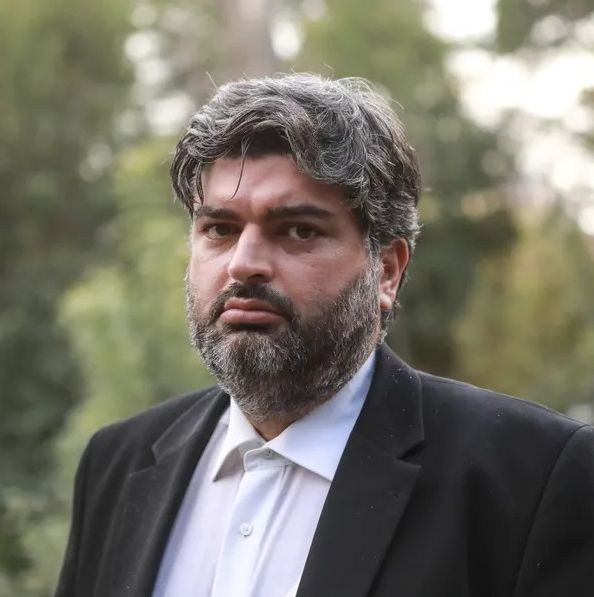
It’s true that many Armenians would vote for anyone just to be rid of Pashinyan, whom they blame for the loss of Nagorno-Karabakh, but the pro-Russia opposition is unlikely to be able to channel that frustration into an electoral victory.
Mikayel Zolyan
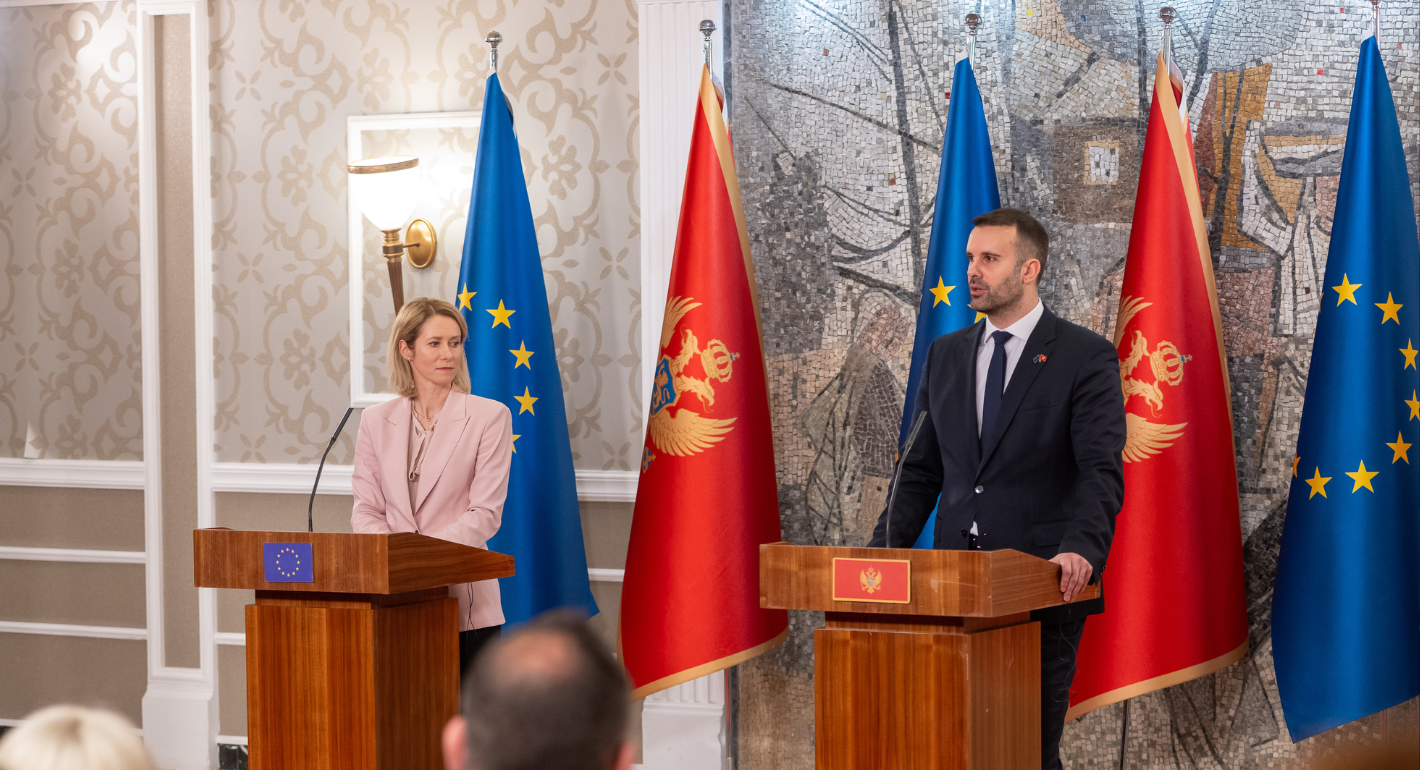
Montenegro and Albania are frontrunners for EU enlargement in the Western Balkans, but they can’t just sit back and wait. To meet their 2030 accession ambitions, they must make a strong positive case.


Dimitar Bechev, Iliriana Gjoni
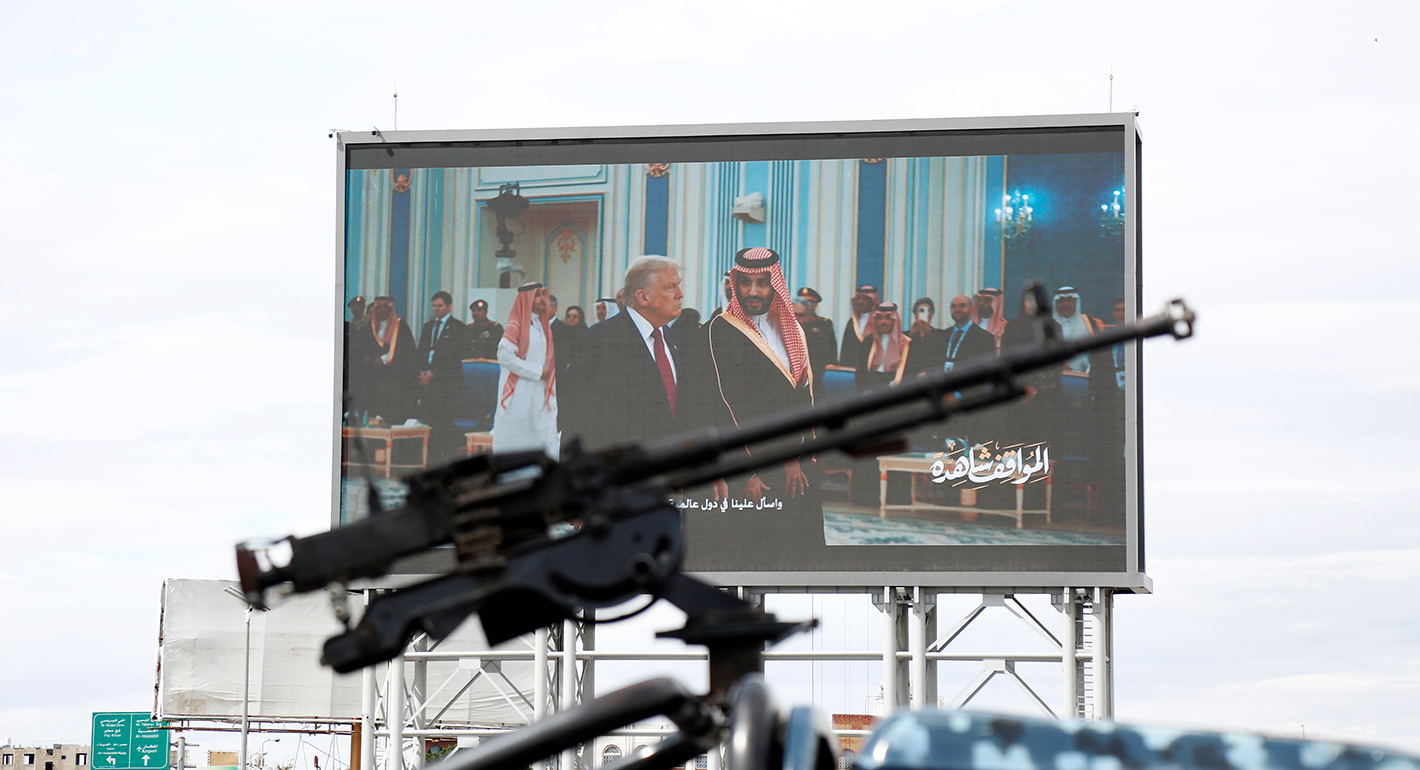
The return of war as the organizing factor in Middle Eastern politics has predictable consequences: governments are prioritizing regime stability and becoming averse to political and social reform.

Sarah Yerkes, Amr Hamzawy