

Commentary
The Bureau of Industry and Security needs to adjust its focus and practices to maintain its position as the U.S. government’s primary champion of international technological competition.
Geoffrey Irving
{
  "authors": [
    "Melissa G. Dalton",
    "Frances Z. Brown"
  ],
  "type": "other",
  "centerAffiliationAll": "dc",
  "centers": [
    "Carnegie Endowment for International Peace",
    "Malcolm H. Kerr Carnegie Middle East Center"
  ],
  "collections": [
    "Violence and Conflict"
  ],
  "englishNewsletterAll": "democracy",
  "nonEnglishNewsletterAll": "",
  "primaryCenter": "Carnegie Endowment for International Peace",
  "programAffiliation": "DCG",
  "programs": [
    "Democracy, Conflict, and Governance"
  ],
  "projects": [],
  "regions": [
    "Middle East",
    "Syria",
    "Levant"
  ],
  "topics": [
    "Political Reform",
    "Democracy",
    "Security",
    "Foreign Policy"
  ]
}
Source: Getty
The United States can still salvage a marginally but meaningfully better outcome for its own interests and the Syrian people by pushing for greater formal decentralization in eastern Syria.
Source: Center for Strategic and International Studies
The U.S. ability to shape high-level outcomes in Syria is limited; Russia and Iran have outmaneuvered the United States. Eastern Syria still offers leverage to salvage a marginally but meaningfully better outcome for U.S. interests and the Syrian population. The United States must determine its sources of leverage, articulate its goals, connect those goals to a stabilization framework, and operationalize burden sharing under an eastern Syria framework. Failing this, the Assad regime will likely take over the east, which has proven to be the ultimate driver of instability and extremism in the country, with effects that will inevitably draw the United States back into the region.
Melissa G. Dalton
Center for Strategic and International Studies
Melissa G. Dalton is a senior fellow and deputy director of the International Security Program and the director of the Cooperative Defense Project at the Center for Strategic and International Studies in Washington D.C.

Vice President for Studies
Dr. Frances Z. Brown is a vice president for studies at the Carnegie Endowment for International Peace. Brown served on the White House National Security Council (NSC) staff over the past three presidential administrations. Her research focuses on U.S. foreign policy, Africa, the Middle East, and governance.
Carnegie does not take institutional positions on public policy issues; the views represented herein are those of the author(s) and do not necessarily reflect the views of Carnegie, its staff, or its trustees.

The Bureau of Industry and Security needs to adjust its focus and practices to maintain its position as the U.S. government’s primary champion of international technological competition.

Geoffrey Irving
They face an uphill climb, but they could draw on a strategy that other diplomats have used in the past.


Shana Tabak, Alejandro Martin Rodriguez

Despite myriad challenges and occasional stumbles, the new Hungarian government is moving ahead with energy and conviction to uproot years of illiberalism and corruption and rebuild Hungarian democracy.

Thomas Carothers

European Commission President Ursula von der Leyen is about to give her annual address on the state of the EU. Here’s what she won’t—but should—say.

Rym Momtaz
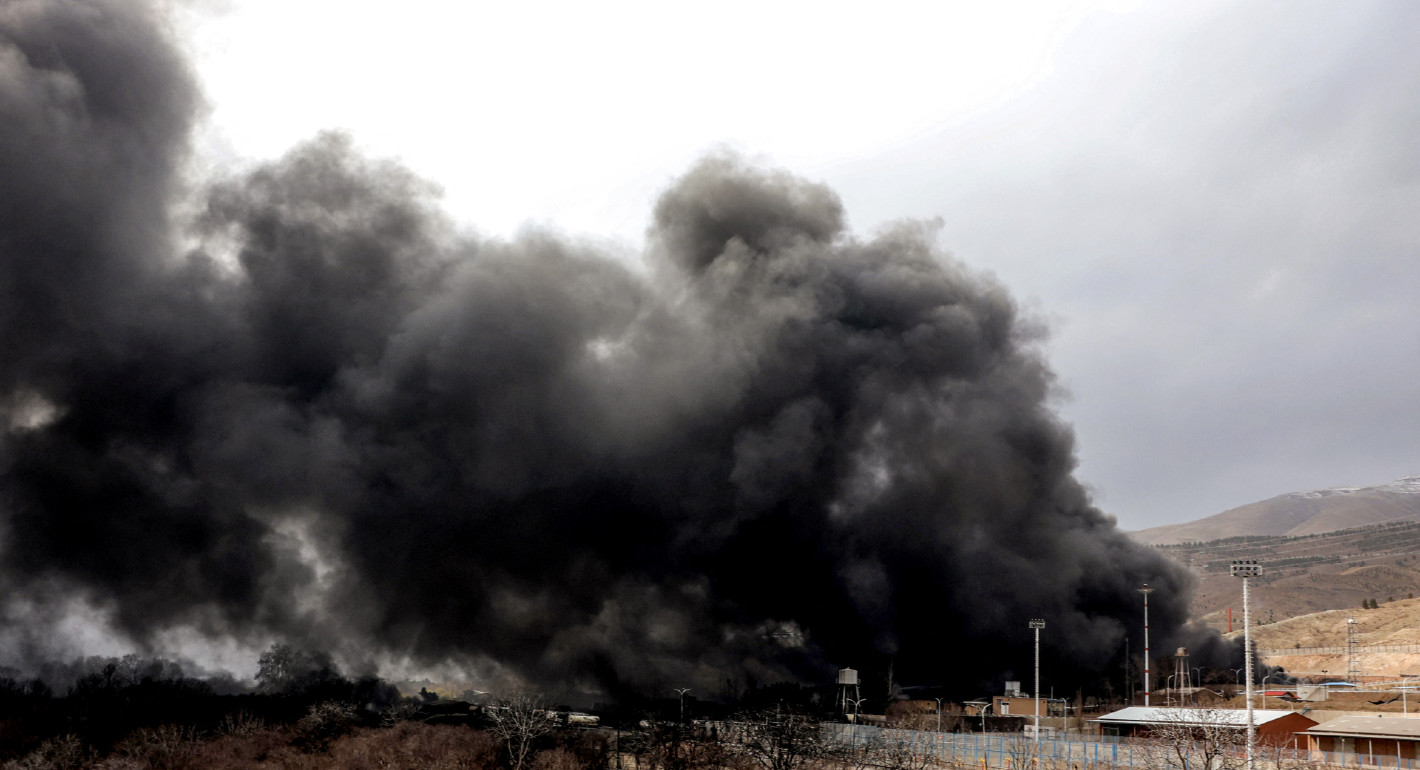
Understanding the climatic pain points is necessary for policymakers hoping to minimize the war’s negative environmental consequences.


Alejandro Martin Rodriguez, Joy Arkeh, Sarah Yerkes