• Research
  • Emissary
  • About
  • Experts
Carnegie Global logoCarnegie lettermark logo
Democracy
  • Donate
{
  "authors": [
    "Sharanya Rajiv"
  ],
  "type": "other",
  "centerAffiliationAll": "",
  "centers": [
    "Carnegie Endowment for International Peace",
    "Carnegie India"
  ],
  "collections": [],
  "englishNewsletterAll": "",
  "nonEnglishNewsletterAll": "",
  "primaryCenter": "Carnegie India",
  "programAffiliation": "",
  "programs": [],
  "projects": [],
  "regions": [
    "South Asia",
    "India",
    "Europe"
  ],
  "topics": [
    "Foreign Policy"
  ]
}

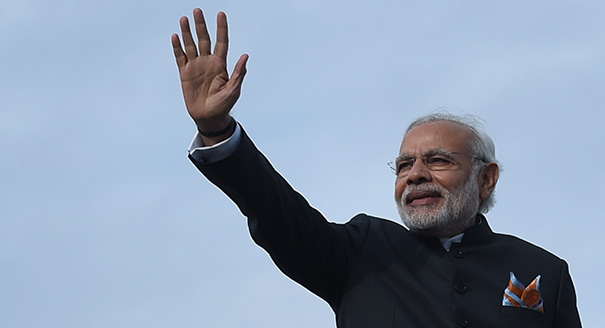
Source: Getty

Other
Carnegie India

Bridging the Gap Between India and the Baltics

India and the Baltic states must establish closer dialogue on strategic issues and deepen their relationship across the political, cultural, and economic levels.

Link Copied
By Sharanya Rajiv
Published on Sep 12, 2018

Source: Estonian Foreign Policy Institute

Diplomatic relations, between India and the Baltic states, were established over 25 years ago but have remained below their potential. For a long time, neither side featured prominently in the other’s foreign-policy priorities. Over the past decade, this began to change. First with the Baltic states looking to further their ties with rising powers in Asia, and now with India looking to diversify its Europe policy by reaching out to smaller states in Central, Eastern and Southern Europe.

Read Full Text

This article was originally published by the Estonian Foreign Policy Institute.

Sharanya Rajiv
Foreign PolicySouth AsiaIndiaEurope

Carnegie does not take institutional positions on public policy issues; the views represented herein are those of the author(s) and do not necessarily reflect the views of Carnegie, its staff, or its trustees.

More Work from Carnegie Endowment for International Peace

  • Stack of Iranian newspapers featuring Trump's face and a burning American flag
    Commentary
    Emissary
    The United States Should Apply the Arab Spring’s Lessons to Its Iran Response

    The uprisings showed that foreign military intervention rarely produced democratic breakthroughs.

      • Sarah Yerkes

      Amr Hamzawy, Sarah Yerkes

  • Three men shaking hands at once
    Commentary
    Emissary
    Trump Wants “Peace Through Construction.” There’s One Place It Could Actually Work.

    An Armenia-Azerbaijan settlement may be the only realistic test case for making glossy promises a reality.

      • Garo Paylan

      Garo Paylan

  • Commentary
    Carnegie Politika
    A New World Police: How Chinese Security Became a Global Export

    China has found a unique niche for itself within the global security ecosystem, eschewing military alliances to instead bolster countries’ internal stability using law enforcement. Authoritarian regimes from the Central African Republic to Uzbekistan are signing up.

      Temur Umarov

  • Commentary
    The PSLV Setback: Restoring India’s Workhorse

    On January 12, 2026, India's "workhorse," the Polar Satellite Launch Vehicle, experienced a consecutive mission failure for the first time in its history. This commentary explores the implications of this incident on India’s space sector and how India can effectively address issues stemming from the incident.

      Tejas Bharadwaj

  • Commentary
    Strategic Europe
    Taking the Pulse: Is It Time for Europe to Reengage With Belarus?

    In return for a trade deal and the release of political prisoners, the United States has lifted sanctions on Belarus, breaking the previous Western policy consensus. Should Europeans follow suit, using their leverage to extract concessions from Lukashenko, or continue to isolate a key Kremlin ally?

      Thomas de Waal, ed.

Get more news and analysis from
Carnegie Endowment for International Peace
Carnegie global logo, stacked
1779 Massachusetts Avenue NWWashington, DC, 20036-2103Phone: 202 483 7600Fax: 202 483 1840
  • Research
  • Emissary
  • About
  • Experts
  • Donate
  • Programs
  • Events
  • Blogs
  • Podcasts
  • Contact
  • Annual Reports
  • Careers
  • Privacy
  • For Media
  • Government Resources
Get more news and analysis from
Carnegie Endowment for International Peace
© 2026 Carnegie Endowment for International Peace. All rights reserved.