

Commentary
Harith Hasan, Alfadhel Ahmad
{
  "authors": [
    "Harith Hasan"
  ],
  "type": "legacyinthemedia",
  "centerAffiliationAll": "dc",
  "centers": [
    "Carnegie Endowment for International Peace",
    "Malcolm H. Kerr Carnegie Middle East Center"
  ],
  "collections": [],
  "englishNewsletterAll": "menaTransitions",
  "nonEnglishNewsletterAll": "",
  "primaryCenter": "Malcolm H. Kerr Carnegie Middle East Center",
  "programAffiliation": "MEP",
  "programs": [
    "Middle East"
  ],
  "projects": [],
  "regions": [
    "Levant",
    "Iraq",
    "Middle East"
  ],
  "topics": [
    "Political Reform",
    "Civil Society"
  ]
}
Source: Getty
Given the growing public anger in Iraq, the only path forward is to make the state more efficient and accountable.
Source: Al Jazeera
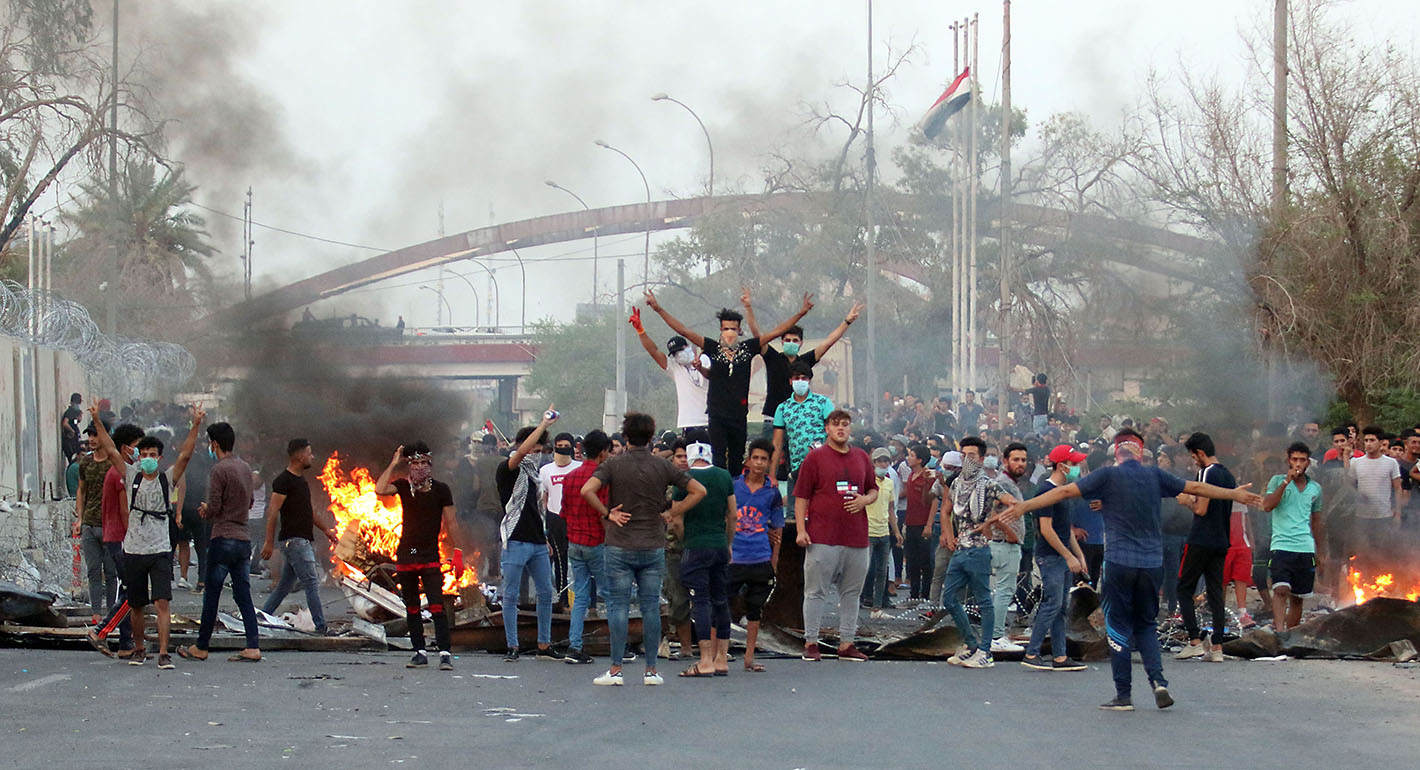
On September 1, some 150 protestors gathered at the main entrance of Iraq's large oilfield, Nahr Bin Omar, threatening to break in and disrupt production. Thousands of others assembled in front of the provincial government's headquarters in the nearby city of Basra, demanding that their grievances over service provision, unemployment and water pollution be addressed immediately.
At least six were injured in clashes with the police and 16 arrested.
These demonstrations have not been an isolated incident. Protests spread across the southern provinces of Iraq this summer, fuelled by frustration over lack of services, economic inequality and unemployment in a region full of lucrative oil deposits.Incapable of meeting the demands of protesters, the Iraqi government has resorted to a combination of coercive measures and collective bribing. Earlier in the summer, Iraqi security forces, allied with militias, killed at least 14 protesters and arrested more than 200, while the internet was shut down to prevent communication between activists.
At the same time, Prime Minister Haider al-Abadi announced some measures to appease the protesters, including granting 10,000 jobs for Basra residents in the already inflated and dysfunctional public sector.
While these measures secured temporary calm in some areas, Iraq today is at a critical inflexion point. More than 15 years after Saddam Hussein's regime was overthrown, Iraq's economy remains overly dependent on its oil resources, burdened by an inflated public sector, hobbled by corruption and patronage, and steeped in inequality.
Plummeting oil prices in 2014 exposed these flaws and drove societal tensions over poverty and inequality to a breaking point.
While modest increases in oil prices today provide a small window of opportunity to address these challenges, the protests rocking southern Iraq showed that the Iraqi public is running out of patience.
During the oil boom of 2004-2013, Iraq used its growing revenues to add jobs to the public sector and maintain societal acquiescence through an "economy of subsidies", which saw the oil wealth redistributed through various government handouts.
An emphasis on ethnic power-sharing in government resulted in institutions dominated by political parties and incentivised leaders to use their control of various agencies to reward allies and funnel money to specific constituencies.
The result was a bloated public sector filled with ethnic parties' representatives, rather than efficient workers. The webs of patronage have made Iraq one of the world's most corrupt countries.
While these networks were thriving when oil prices were high and sectarianism and identity-based divisions were on the rise, things started to change in 2014, when oil prices plummeted. The defeat of the Islamic State of Iraq and the Levant (ISIL, known as ISIS) two years later mitigated sectarian fears and incentivised society-wide mobilisation behind socioeconomic demands.
This entrenched culture of patronage has augmented the feelings of despair among Iraq's youth as it has left a very narrow room for social mobility and economic advancement beyond joining these clientelistic networks.
Although al-Abadi has attempted to root out corruption, an approach that prioritises individuals will not be effective. Corruption can only be tackled through systematic reform and an independent legal system.
The distribution of key public positions between parties has turned state institutions into fiefdoms and prevented meaningful accountability, given that the same parties dominate the parliament and have influence over the judiciary and the anti-corruption commission.
Despite mounting demands for change, these parties have persistently reproduced their dominance through a largely undemocratic electoral system, patronage, militias and, when necessary, electoral fraud.
Even when a majority of voters boycotted the last general election, this did not change the behaviour of political parties which went on negotiating the formation of a government according to the same practices.
Estimates indicate that 60 percent of Iraqis are under the age of 25. In a few years, Iraq will see a peak in its working-age population but must be able to harness this power.
Iraq must deal with the social and economic challenges of unemployment, scarce state resources, inequality, poor governance, rapid demographic growth and an environmental crisis exacerbated by increasing water shortages.
Given the growing public anger in Iraq, the only path forward is to make the state more efficient and accountable, which cannot take place unless the basic principles that shaped its modus operandi change. The country needs a vision of development that departs from the rentier culture and identity politics in which state institutions have played a major role.
Reform should be focused on stirring the country away from the failing centralised system which empowers ruling elites and their patronage networks. And it should also avoid insensitive liberalisation policies which ignore the crucial role of the state in the redistribution of wealth and social security provision. The reform effort in Iraq should pursue a "third way".
Youth unemployment currently stands at close to 20 percent, and most graduates from Iraqi universities want the security of a public sector job. If the government can effectively plan for new development and undertake new training programmes for its youth, Iraq's population boom can become the engine of this economy, but if the current system remains, further unrest is likely.
There are several areas that a new development strategy needs to address. Renewable energy provides an opportunity to diversify the economy and produce new jobs. New technology in irrigation and reforestation can save Iraq's agricultural sector and provide more sustainable resources for the future. Family planning can help ease the demographic boom and ensure a degree of social cohesion.
These actions are dependent on the ruling factions having the political will to address the root causes of the current crisis.
Iraq's main problem is the widening gap between popular expectations and the state's capacity to meet them. This gap could have been narrowed, had the ruling groups not prioritised their and their surrogates' profit over responsible governance.
The recent protests sent a strong message to them; ignoring this message will further delegitimise the current system and radicalise public anger.

Associate researcher at the Arab Center for Research and Policy Studies.
Harith Hasan is an associate researcher at the Arab Center for Research and Policy Studies.
Recent Work
Harith Hasan, Alfadhel Ahmad
Harith Hasan
Carnegie does not take institutional positions on public policy issues; the views represented herein are those of the author(s) and do not necessarily reflect the views of Carnegie, its staff, or its trustees.
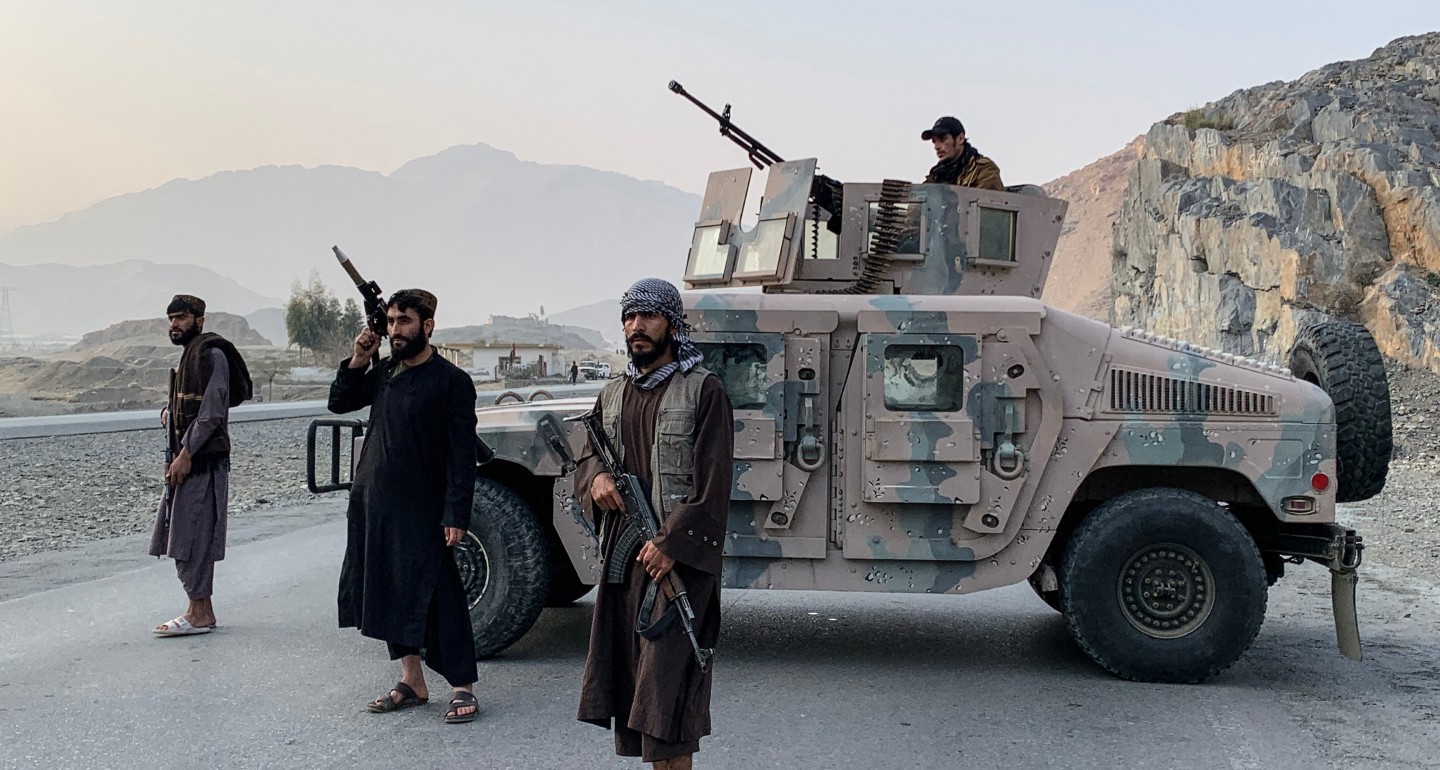
Not only does the fighting jeopardize regional security, it undermines Russian attempts to promote alternatives to the Western-dominated world order.

Ruslan Suleymanov
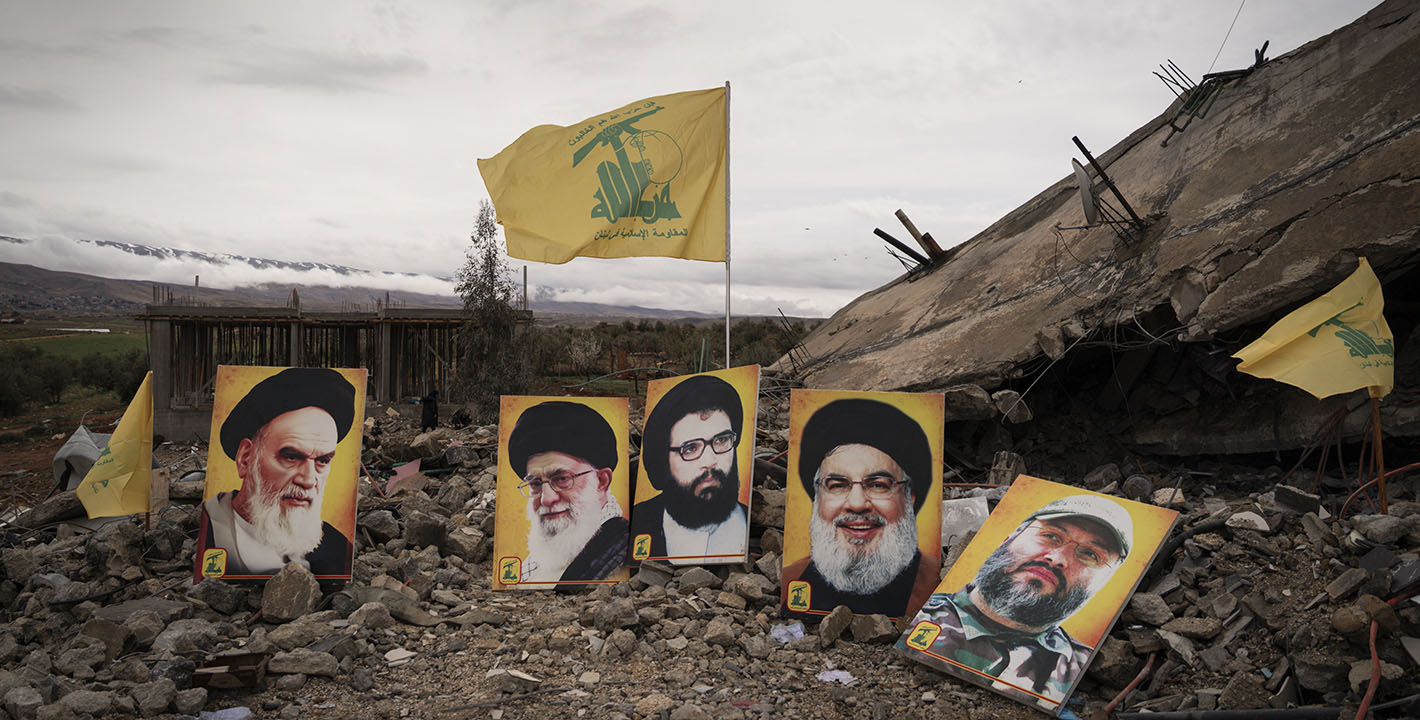
The party’s objectives involve tying together the Lebanese and Iranian fronts, while surviving militarily and politically at home.
Mohamad Fawaz
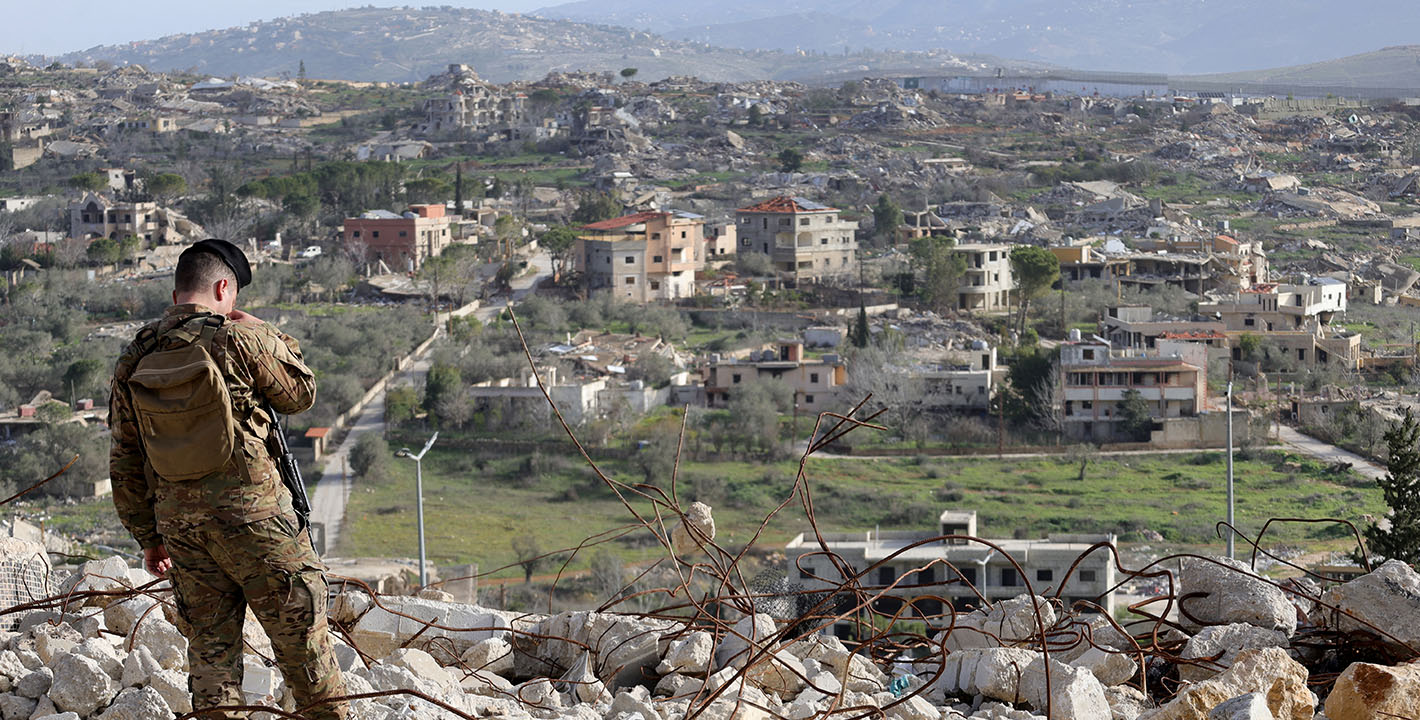
While armed forces commander Rudolph Haykal’s caution is understandable, he is in a position to act, and must.

Michael Young
The incoming government has swept Nepal’s election. The real work begins now.
Amish Raj Mulmi

Assessing U.S. compliance with the international laws of war is essential at a time when these frameworks are already fraying.
Federica D’Alessandra