

Article
Steve Feldstein, Jodi Vittori
{
  "authors": [
    "Jodi Vittori"
  ],
  "type": "other",
  "centerAffiliationAll": "dc",
  "centers": [
    "Carnegie Endowment for International Peace"
  ],
  "collections": [
    "Anti-Corruption"
  ],
  "englishNewsletterAll": "democracy",
  "nonEnglishNewsletterAll": "",
  "primaryCenter": "Carnegie Endowment for International Peace",
  "programAffiliation": "DCG",
  "programs": [
    "Democracy, Conflict, and Governance"
  ],
  "projects": [],
  "regions": [],
  "topics": [
    "Democracy",
    "Security",
    "Foreign Policy",
    "Global Governance"
  ]
}
Source: Getty
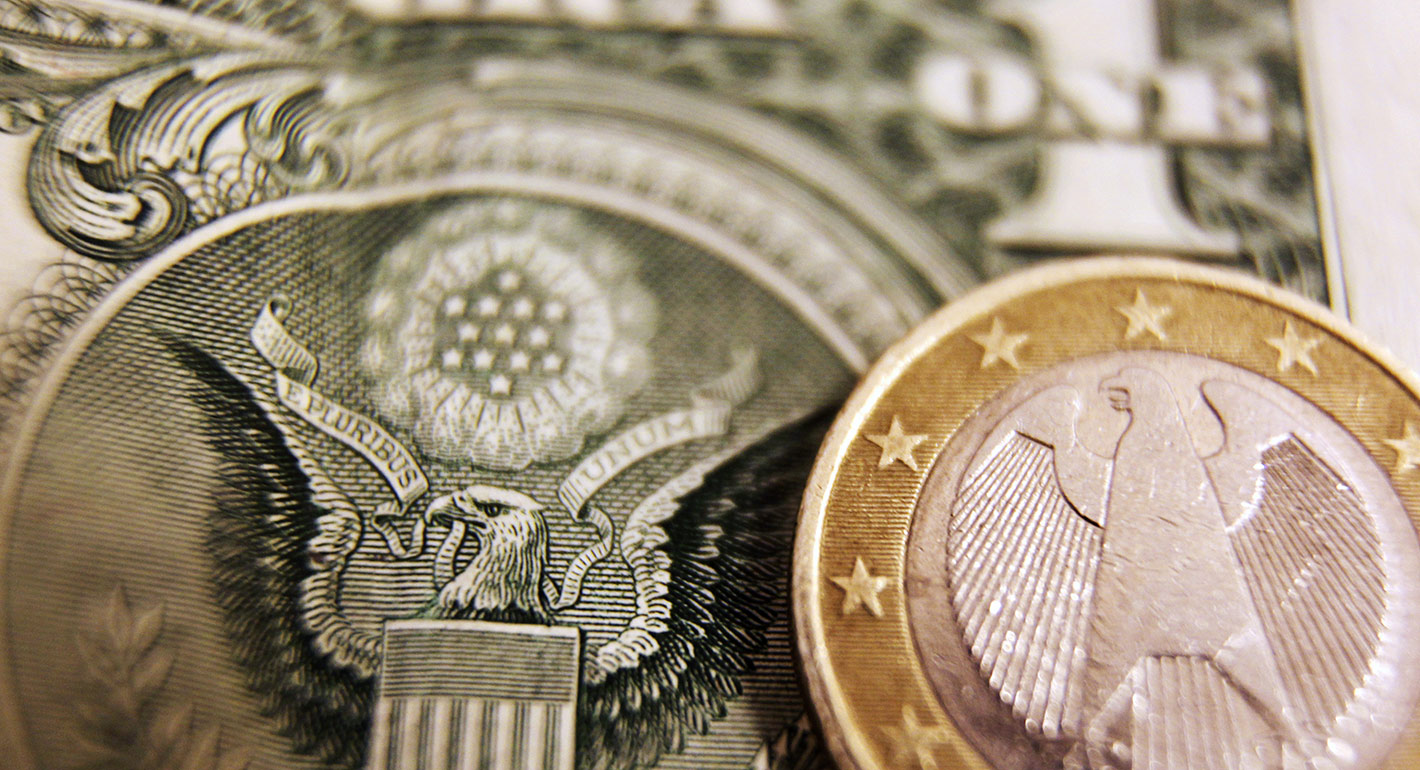
Illicit financial flows are crucial to a variety of illegal activities that undermine global and national security, from organized crime to terrorism. National security agencies should make countering these flows—by using national and global instruments—a priority.
Source: Council on Foreign Relations
Although the role of illicit financial flows (IFFs) in hindering economic development is well understood, their implications for security—both national and global—have not received enough attention. IFFs are an important manifestation of “deviant globalization.”12 IFFs, for instance, help make crime pay: they aid those associated with transnational organized crime to move and spend their ill-gotten gains. They are also integral to the financing of terrorist and insurgent groups, which threaten domestic and foreign security, imperil civilians and military personnel, and endanger U.S. allies and national interests. Moreover, the ability to launder, stash, and spend funds overseas enables corruption, which can destabilize countries and regions. IFFs can also undermine security forces, rendering them less able to respond to threats of criminality and terrorism.
The U.S. government and other actors can implement policies to help mitigate IFFs and the crime, terrorism, insurgency, and corruption they facilitate. These policies will not eliminate security threats in the United States or abroad, but they can assist law enforcement and the military to meet those threats and reduce the leverage of actors that foster state fragility. IFFs should be recognized as contributing to threats to the homeland, and national security agencies should make countering IFFs—by using national and global instruments—a priority.
This report was originally published by the Council on Foreign Relations.
[1] Nils Gilman, Jesse Goldhammer, and Steven Weber, “Deviant Globalization,” in Convergence: Illicit Networks and National Security in the Age of Globalization, eds. Michael Miklaucic and Jacqueline Brewer (Washington, DC: National Defense University Press, 2013), 5, http://ndupress.ndu.edu/Portals/68/Documents/Books/convergence.pdf.
[2] Gilman, Goldhammer, and Weber, “Deviant Globalization.”
Former Nonresident Scholar, Democracy, Conflict, and Governance Program
Jodi Vittori was a nonresident scholar in the Democracy, Conflict, and Governance Program. She is an expert on the linkages of corruption, state fragility, illicit finance, and U.S. national security.
Recent Work

Steve Feldstein, Jodi Vittori
Lakshmi Kumar, David Szakonyi, Clare Rewcastle Brown, …
Carnegie does not take institutional positions on public policy issues; the views represented herein are those of the author(s) and do not necessarily reflect the views of Carnegie, its staff, or its trustees.

The European Commissioner for Trade is headed to China. But after President Xi’s bridge-building visit to Washington, can a more isolated EU overcome Beijing’s stranglehold on critical raw materials? Who will blink first?

Rym Momtaz, ed.
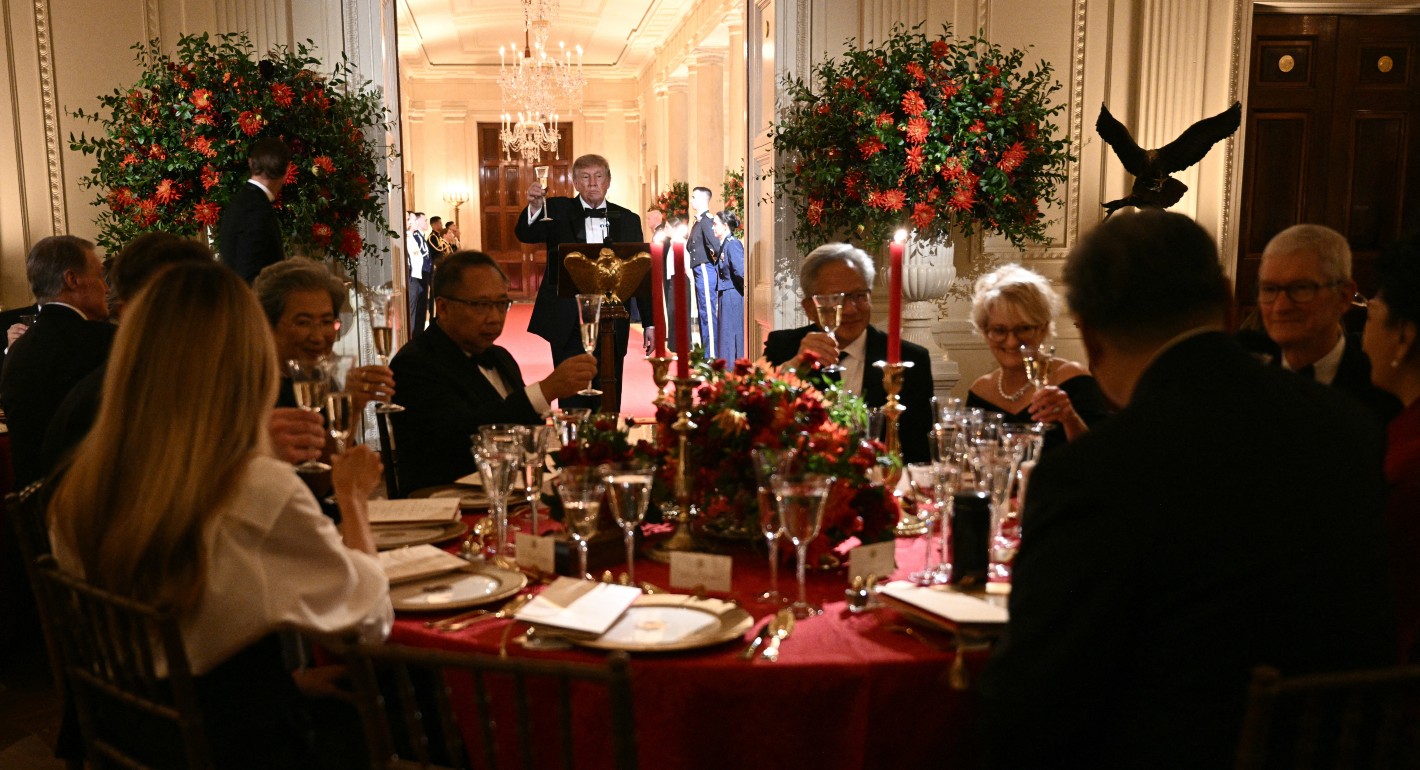
The summit may be remembered as a fatal blunder, when Washington, Beijing, and the AI industry collectively chose ceremony over action.

Jeffrey Prescott

European NATO countries are wrestling with the possibility of U.S. disengagement from the alliance. With the continent’s security increasingly uncertain, governments must restore the credibility of their collective defense.



Hans-Dieter Lucas, Adam Thomson, Pierre Vimont

Cargo traffic through Russia’s Northern Sea Route has increased because of the disruption caused by the conflict in the Middle East, the Ukraine war, and U.S.-China tensions.

Mikhail Korostikov

The domestic impacts of how long it is taking to end the war in Ukraine have pushed the French electorate to the political extremes and compromised the country’s diplomatic capacity.
Rym Momtaz