

Commentary
Amid celebrations of bilateral ties was a deeper focus on stability in the Middle East.
Amr Hamzawy
{
  "authors": [
    "Shi Zhiqin"
  ],
  "type": "other",
  "centerAffiliationAll": "",
  "centers": [
    "Carnegie Endowment for International Peace",
    "Carnegie China"
  ],
  "collections": [
    "China’s Foreign Relations"
  ],
  "englishNewsletterAll": "",
  "nonEnglishNewsletterAll": "",
  "primaryCenter": "Carnegie China",
  "programAffiliation": "",
  "programs": [],
  "projects": [],
  "regions": [],
  "topics": [
    "Economy"
  ]
}
Source: Getty
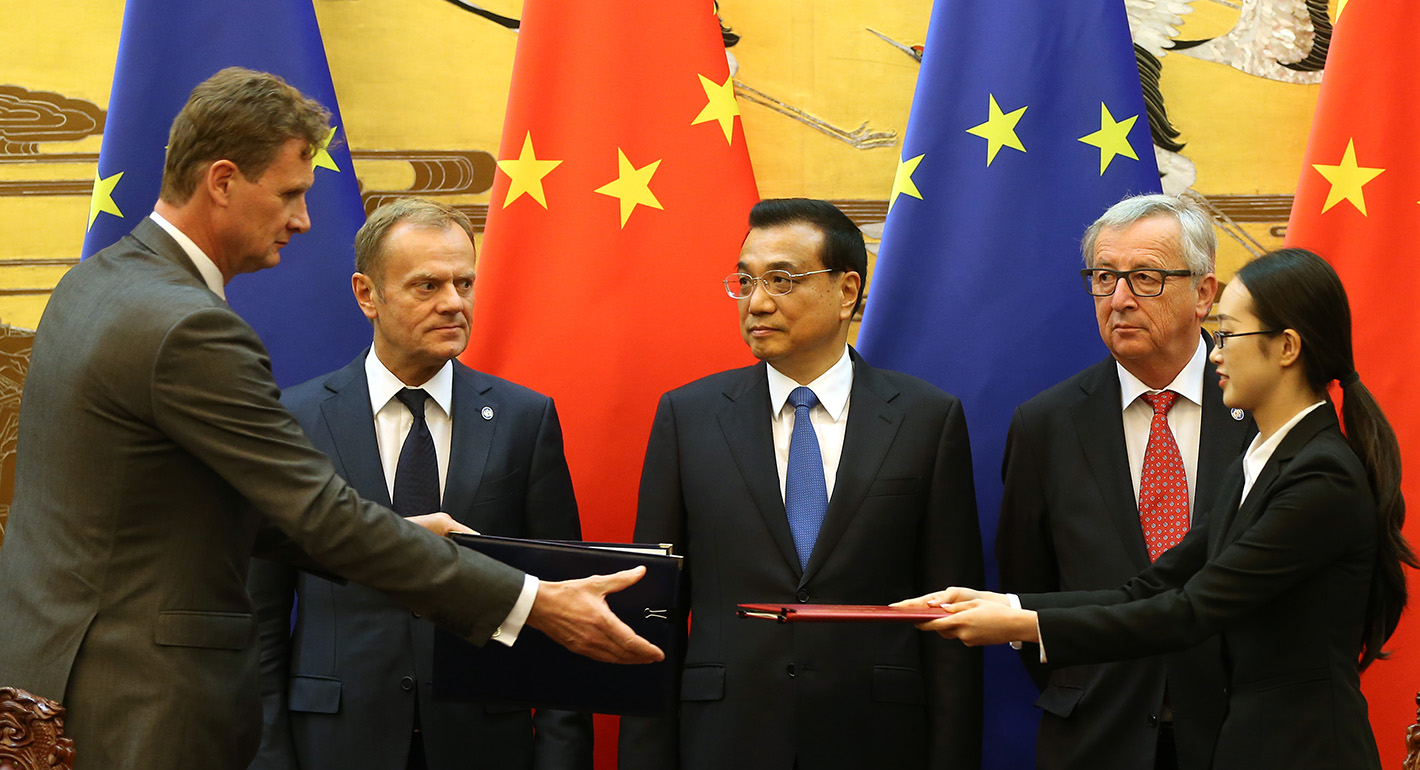
China has been supportive of a united, stable, and prosperous Europe in its effort to promote a multipolar world order. Even during the EU’s most difficult period during the European debt crisis, China stood by and invested in crucial member states.
Source: Athens-Macedonian News Agency
Athens-Macedonian News Agency (AMNA): This year marks the 16th anniversary of the establishment of the China-EU Comprehensive Strategic Partnership. What is the state of EU-China relations?
Shi Zhiqin: Since the turn of the century, China-EU relations have been developing very quickly, progressing from a normal partnership to a comprehensive strategic partnership. The relationship has moved from being trade-dominated to promoting cooperation in almost all fields. Many kinds of cooperative mechanisms have been established, such as high-level strategic, economic and trade, and people-to-people dialogues. Both parties have benefited from this cooperation. China has been supportive of a united, stable, and prosperous Europe in its effort to promote a multipolar world order. Even during the EU’s most difficult period during the European debt crisis, China stood by and invested in crucial member states.
Currently there are disruptive challenges like climate change, terrorism, and rising inequality that has led to populist backlash. In addition, geopolitics have returned to the fore, and the United States now sees China as a prime rival. In this very uncertain global strategic environment, China-EU relations are as consequential as ever. Although China and the EU have different views and ideas on certain aspects of globalization, both are committed to a rules-based order, an open world economy, and the reform of the WTO, while also standing against trade protectionism and unilateralism. If the global system is to survive the aforementioned tectonic shifts, the China-EU partnership needs to be one of its pillars. What scares me most is that after the May 2019 EU parliament elections, the domestic political chaos in the eurozone may lead Europe to close itself off from the rest of the world.
AMNA: What are China’s main goals for the Belt and Road Initiative?
Shi: The Belt and Road Initiative (BRI) a Chinese project is meant to establish a cooperative platform for economic integration and development. It is based on China’s experiences in the past few decades and provides some solutions to global development issues. As Chinese President Xi Jinping emphasized in his speech at the 2017 BRI summit, the international community should try to find some creative solutions to problems related to peace, development, and governance. So one may argue that the BRI is the Chinese idea for improving on global governance. However, this is not a top-down project where all roads lead to Beijing. The BRI is a cooperative, interactive platform that is based on dialogue and consultation and aims to support win-win solutions and an open and inclusive world. Through exchanges and mutual learning, the BRI should contribute to a brighter shared future for humanity.
AMNA: How do you think China and Greece, two ancient civilizations, can contribute to solving global problems?
Shi: According to a great student of history, China and Greece are “civilizations pretending to be nation states.” This is actually true. Sinocism and Hellenism have exercised enormous influence across borders and cultures. They are both value systems that are based on humanism, secularism, and meritocracy. I think that China and Greece need to operationalize their cultural cooperation and undertake structured and practical initiatives. I believe that the building links between the Platonic Academy in Athens and the Jixia Academy in Shangdong could be such a project. As the world’s first two first universities, the Platonic and Jixia academies were sources of political philosophy in the West and East and. Thinking from scholars the two universities continue to influence our way of life today. It is important that scholars from Greece, China and other EU countries visit other universities and engage with the public in dialogues about our history, values, and philosophies. Through a creative re-adaptation of our classical heritage, we can find creative solutions to existential modern problems.
AMNA: Do you share the view that Greece can be a bridge between China and the EU?
Shi: The idea of being a bridge between the East and West is too vague. As some speakers put it in a forum in Athens some years ago, Greece could be a “strategic interpreter’ between China, the EU, and the United States. Without the Hellenic tradition neither the United States nor the EU would have been able to build their extremely resilient and advanced political foundations. Thomas Jefferson mentions that his idea of the “pursuit of happiness,” which appears in the U.S. declaration of independence, is directly drawn from Greece’s Epicurus. The name Europe originated in a Greek myth ,and the importance of integration can be traced back to Isocrates! Greek diplomats need to understand this unmatched strategic culture and play a key role in facilitating integration between China, the EU, and the United States. If Swedes and Norwegians do it then why not the Greeks? Apart playing a strictly high level role, Greece could also be important in connectivity between China and the EU. With COSCO has already developed Piraeus into a world-class port. The country also also very advanced talent pool, many of whom are educated in top universities around the world. Greece may thus operate as the Singapore of the Mediterranean if it strategically takes advantage of all the opportunities the BRI presents and promotes market openness.
AMNA: What is your perspective on China’s relationship with NATO?
Shi: From a Chinese perspective, NATO is a product of the Cold War. After the end of the Cold War, NATO was reoriented, but it is outdated. Chinese people have a negative impression of NATO's intervention in the former Yugoslavia and the bombing of the Chinese embassy. China believes that the UN Security Council is the sole organization with the capacity to make decisions on global security and that NATO must always abide by those rules.
This interview was originally published in Greek by the Athens-Macedonian News Agency.
Shi Zhiqin
Former Resident Scholar, Carnegie-Tsinghua Center for Global Policy
Shi Zhiqin was a resident scholar at the Carnegie-Tsinghua Center until June 2020.
Carnegie does not take institutional positions on public policy issues; the views represented herein are those of the author(s) and do not necessarily reflect the views of Carnegie, its staff, or its trustees.
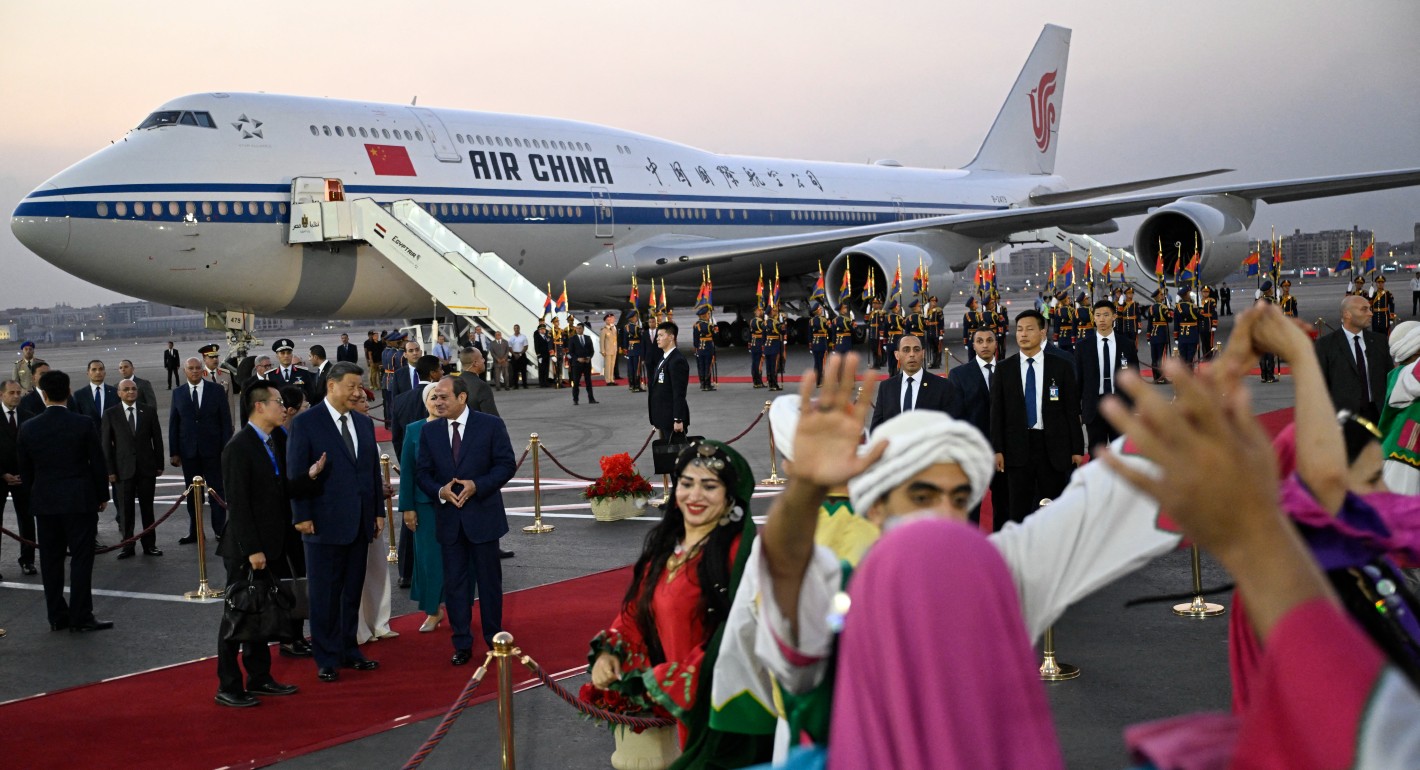
Amid celebrations of bilateral ties was a deeper focus on stability in the Middle East.

Amr Hamzawy
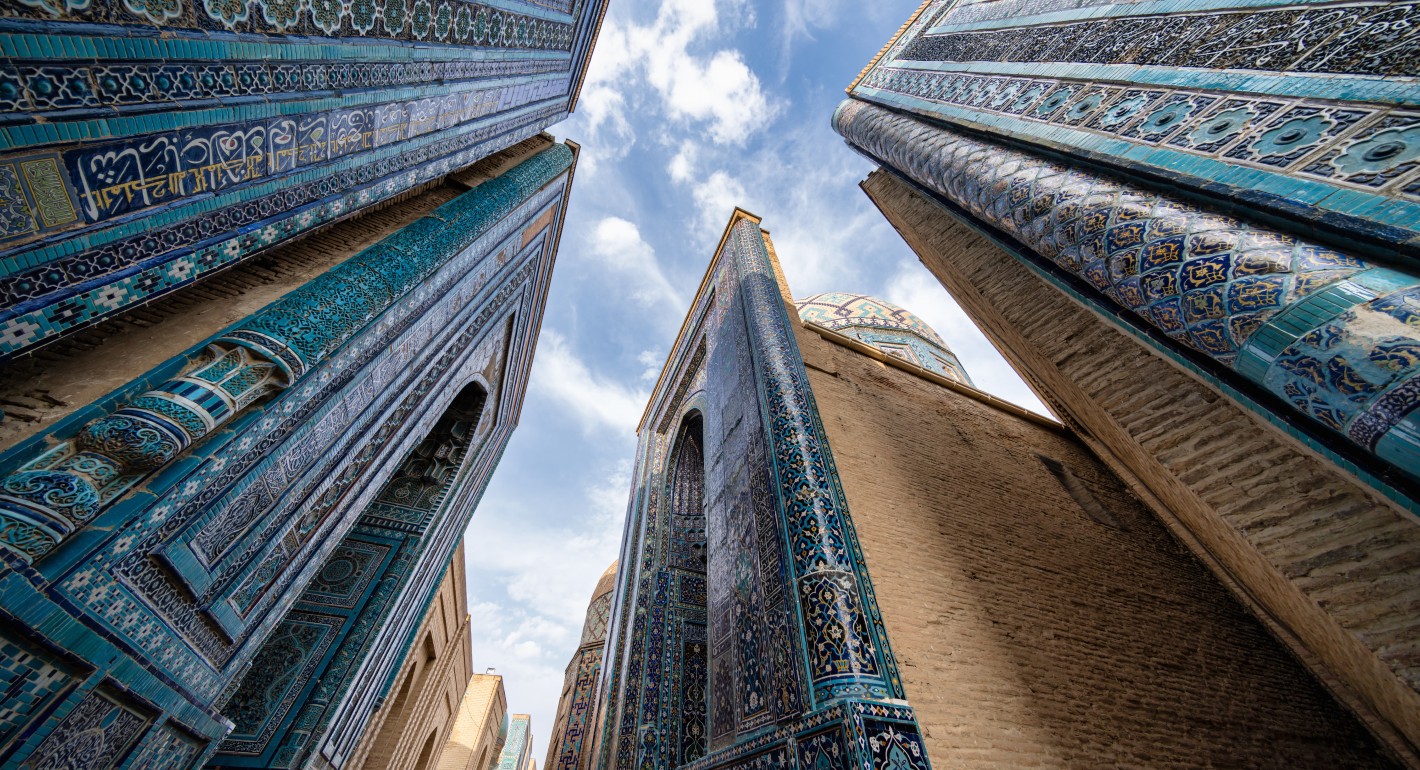
Xi, Putin, and other regional leaders are back-slapping in Bishkek, but the SCO has yet to answer the most serious questions about continental Asia's economic future.

Evan A. Feigenbaum

The conflict has sent economic and political shock waves through a country with no representation at the negotiating table—and Kenya is not alone.

Georgia Schaefer-Brown, Jane Munga

China’s banking crisis in the 2000s was resolved by transferring the costs to households through financial repression—a decision that recapitalized the banks while exacerbating the structural imbalances that continue to shape the Chinese economy today.

Michael Pettis
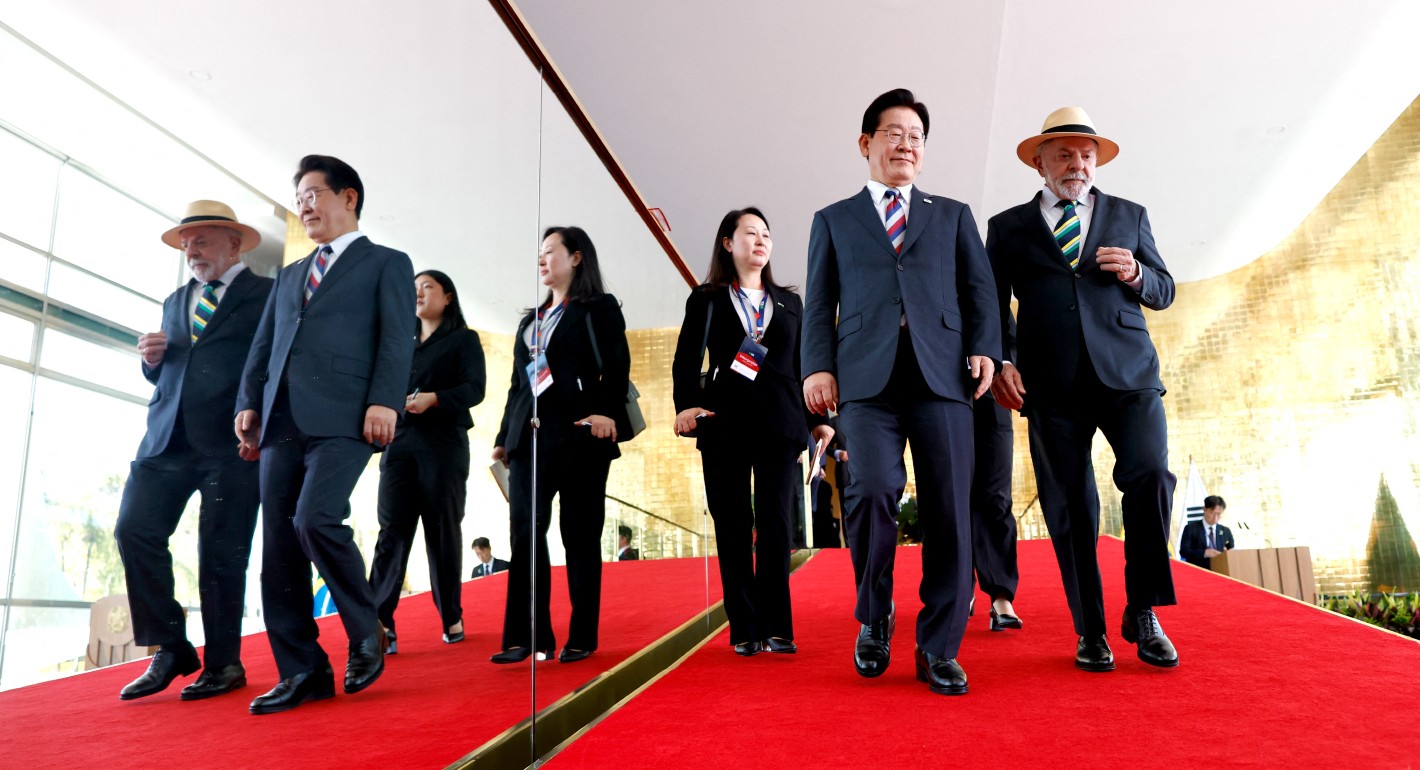
Lee’s tour shows how Seoul is reorganizing its diplomacy away from Pyongyang and toward industrial networks and the geography of the compute economy.

Darcie Draudt-Véjares