

Commentary
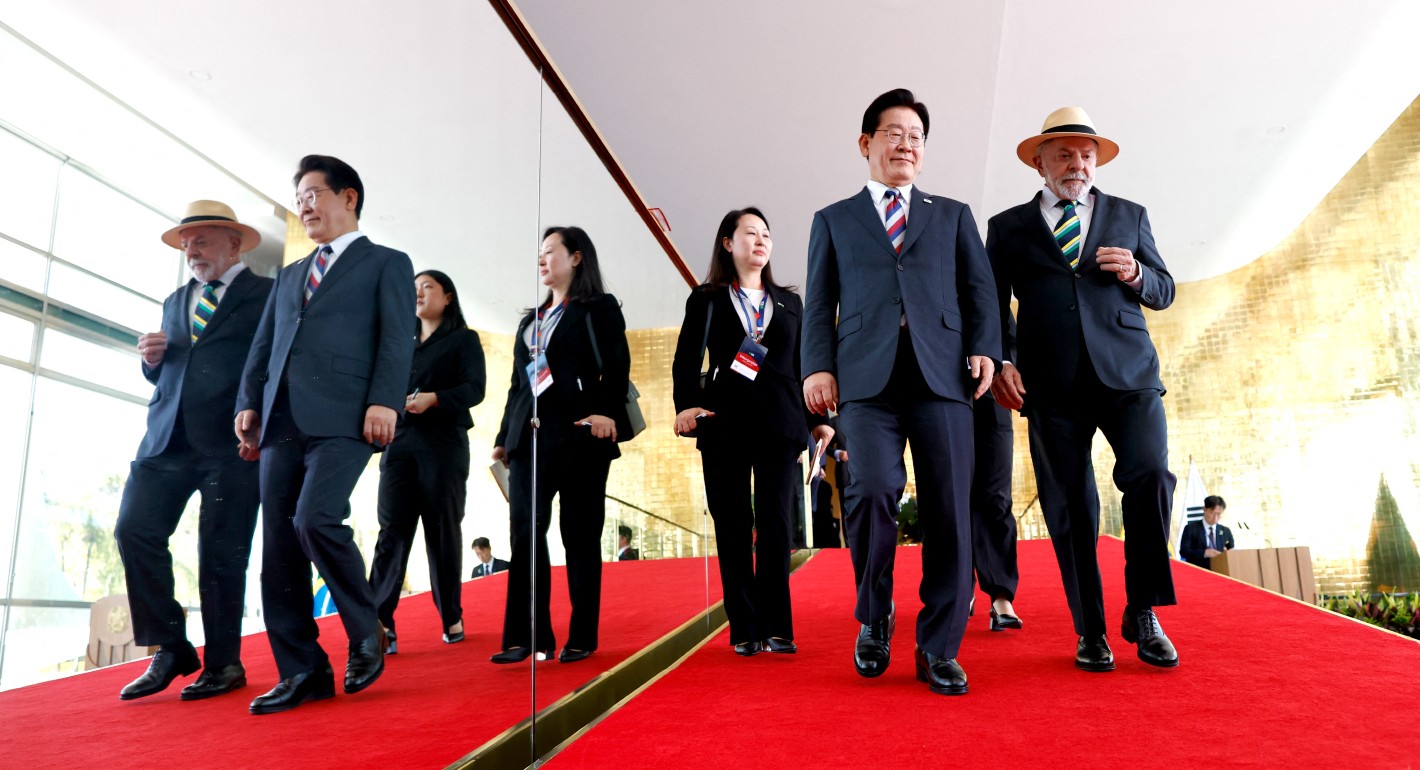
Lee’s tour shows how Seoul is reorganizing its diplomacy away from Pyongyang and toward industrial networks and the geography of the compute economy.
Darcie Draudt-Véjares
{
  "authors": [
    "Nikita Shatalov"
  ],
  "type": "commentary",
  "centerAffiliationAll": "",
  "centers": [
    "Carnegie Endowment for International Peace",
    "Carnegie Russia Eurasia Center"
  ],
  "collections": [],
  "englishNewsletterAll": "",
  "nonEnglishNewsletterAll": "",
  "primaryCenter": "Carnegie Russia Eurasia Center",
  "programAffiliation": "",
  "programs": [],
  "projects": [
    "Eurasia in Transition"
  ],
  "regions": [],
  "topics": [
    "Economy"
  ]
}
Source: Getty
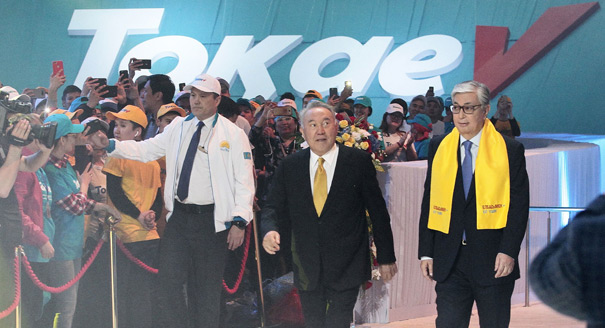
While civic activity in Kazakhstan remains the purview of young people in the city of Almaty, the country’s new ruling tandem has a chance to conduct political modernization from above. This would be in line with the vision of former president Nursultan Nazarbayev, who considers himself the father of independence. Successful political reforms would also bestow upon him the status of father of Kazakh democracy, and preserve his legacy unchallenged in the decades to come, when Kazakh institutions become fully operational.
Kazakhstan’s early presidential election on June 9, which followed President Nursultan Nazarbayev’s resignation after nearly thirty years at the helm, was notable for several reasons. There were rallies by the banned Democratic Choice of Kazakhstan political party, and reports that 500 people had been arrested in the newly renamed capital Nursultan and largest city Almaty. Amirzhan Kosanov, Kazakhstan’s leading opposition politician, wasn’t pushed out of the race: he was given the opportunity to participate in debates on state television, and was able to get 16 percent of the vote, which is a record for any opponent of the regime in Kazakhstan’s post-Soviet history.
Despite the tense atmosphere, the authorities did not block the Internet as they have done so many times before, and observers were free to publish videos of ballot-stuffing on social networks. This was the scene as Kassym-Jomart Tokayev celebrated his victory. He received 70.74 percent of the vote, which is also a record of sorts: Nazarbayev never scored less than 80 percent.
The transfer of power in Kazakhstan is not complete now that the elections are over, and will not be until Nazarbayev, now 78, fully withdraws from the political arena. Only then will the ruling elite and the state completely adjust to operating without the man who set the rules of the game for the past thirty years. For now, Nazarbayev, who has the lifelong title of Father of the Nation, is trying to build a new balance of power, and its outlines are taking shape.
Constitutional reform was carried out in 2017, which considerably restricted the powers of the president: no doubt this was done with Nazarbayev’s successor in mind. That same year, Tokayev—who was then Senate speaker—gave an interview in which he articulated the new formula: “strong president, authoritative parliament, subordinate government.” Now those words are acquiring new meaning.
One of the most intriguing aspects of the recent election was how many votes opposition candidate Kosanov would get. It is alleged that he made a deal, trading the legitimation of this campaign for a future political party, which there will be a need for in the parliamentary elections that will likely take place toward the end of the year. A noticeable segment of liberal protest-minded and national-patriotic voters has emerged in Kazakhstan, and it would be prudent to give them some seats in parliament, like those held by Ak Zhol (a party representing business interests) and the communists.
The notion that Kazakhstan’s authoritarian regime would allow the emergence of a new political power in parliament appears implausible, but then, Nazarbayev’s voluntary departure seemed equally far-fetched, and yet it happened.
It is possible that after the political system is revamped, an experienced diplomat like Tokayev in the president’s seat would maintain a consistent foreign policy and keep an eye on the elites, while the prime minister would focus directly on domestic issues. The transition to a Singaporean model adjusted for a post-Soviet society (with Nazarbayev as head of the Security Council and overseeing the security services instead of taking the position of “minister mentor” as Singapore’s first prime minister Lee Kuan Yew did) would be quite logical and would be welcomed by both the elite, which likes to associate itself with enlightened autonomy, and by the general public, which would receive a more diverse parliament with better representation.
Since Nazarbayev’s departure, some observers have persisted in the simplistic conclusion—for which there is no evidence—that Tokayev will eventually hand over power to Dariga Nazarbayeva, the daughter of his predecessor. Under this simple logic, an heir from the Nazarbayev family must ensure the security of the assets by keeping power in the hands of the same people.
Of course the possibility that Dariga Nazarbayeva will become prime minister cannot be ruled out (in Singapore, the position is now held by Lee Kuan Yew’s eldest son). However, if the president remains a strong figure while the parliament becomes more influential, Nazarbayeva will face serious limits as prime minister, which both the business elites and society at large would favor. Furthermore, the daughter of the first president must understand that once her father dies, no formal positions or authorities can guarantee her power or personal security.
Another popular argument cited as a reason that power in Kazakhstan can only be inherited hinges on the idea that Tokayev is a weak politician, lacking independence. Compared to the charismatic Nazarbayev, Kazakhstan’s second president is a little lackluster. However, Tokayev is one of the few Kazakh politicians who has not been implicated in corruption scandals and does not have relatives on the Forbes “rich list.” He is a respected diplomat and civil servant, who was close to becoming Secretary-General of the United Nations.
Claims that Tokayev cannot take a harsh stance are little more than groundless speculation by those who compare him to his predecessor. His loyalty to Nazarbayev and his lack of desire to monopolize power do not reflect weakness, but are rather qualities necessary for ensuring a smooth transition, reviving institutions, and distributing power among them.
One of the main concerns for observers is that toward the end of the transition, the Kazakh elite could become embroiled in a war without concern for political reforms. In reality, however, this development is not likely. The Kazakh elites have already amassed enough capital to be afraid of losing it, and their ability to negotiate with each other shouldn’t be underestimated.
A seamless transfer of power is more important for the Kazakh elite than one might think. For example, three major national companies—Kazakhtelecom, KazMunayGas, and Air Astana—are expected to hold IPOs before the end of the year, and the Kazatomprom nuclear power company will continue its privatization. As a diplomat and prime minister, Tokayev has frequently taken part in efforts to raise investment.
The presence of numerous foreign entrepreneurs in the business sector of Kazakhstan promises not only more profits and new technologies, but also a greater interest in a smooth transition. Despite some past errors, Kazakhstan greatly values its good reputation in developed markets and does not want to fall under sanctions, particularly since most of its foreign currency revenues are generated in the West. If these revenues vanish, there will be nothing left to divide up in Kazakhstan.
For now, while civil activity is only substantial in the limited segment of young people in Almaty, the Nazarbayev-Tokayev tandem has the opportunity to reduce uncertainty and conduct political modernization from above. This would be in line with the vision of the country’s first president, who considers himself the father of independence. Successful political reforms would also bestow the status of the father of Kazakh democracy upon Nazarbayev and make up for past errors. Or, at the very least, they would keep his legacy from being challenged decades later, when Kazakh institutions become fully operational.
Nikita Shatalov
Carnegie does not take institutional positions on public policy issues; the views represented herein are those of the author(s) and do not necessarily reflect the views of Carnegie, its staff, or its trustees.
Lee’s tour shows how Seoul is reorganizing its diplomacy away from Pyongyang and toward industrial networks and the geography of the compute economy.

Darcie Draudt-Véjares
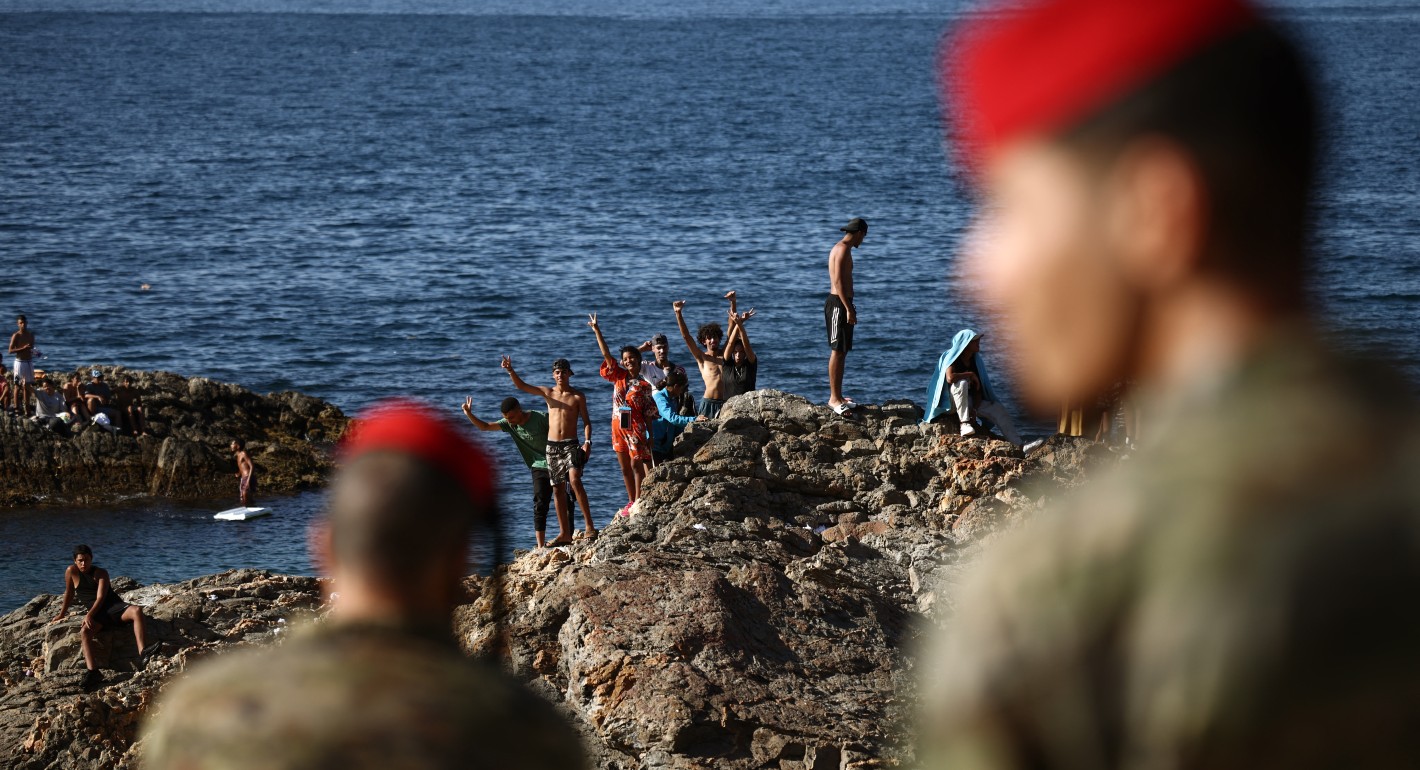
Most migrants may have left Ceuta, but the effects may linger.


Alejandro Martin Rodriguez, Sarah Yerkes
Saied’s main accomplishment has been to destroy a decade’s worth of democratic progress.
Sarah Yerkes
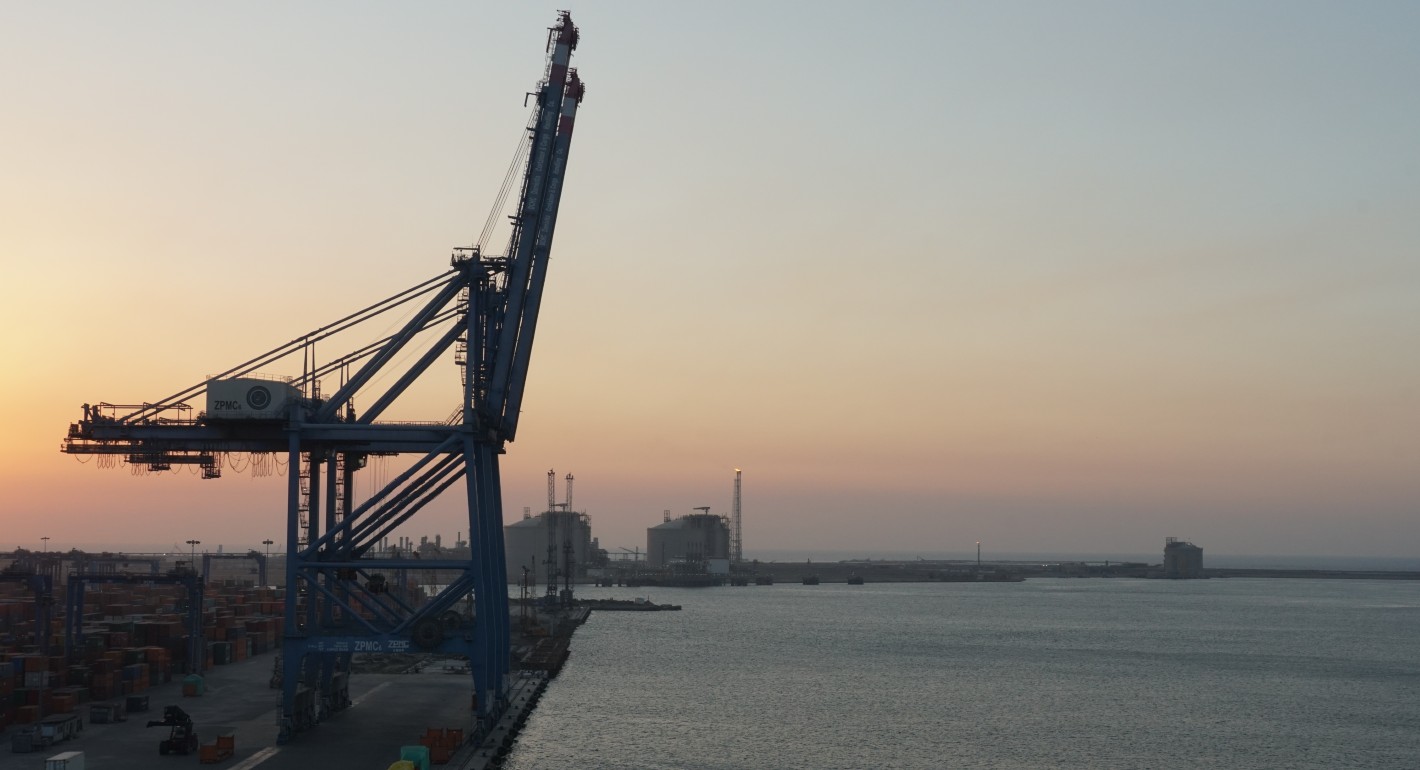
The targeting of Damietta Port appears to be more than a mere security message.

Amr Hamzawy
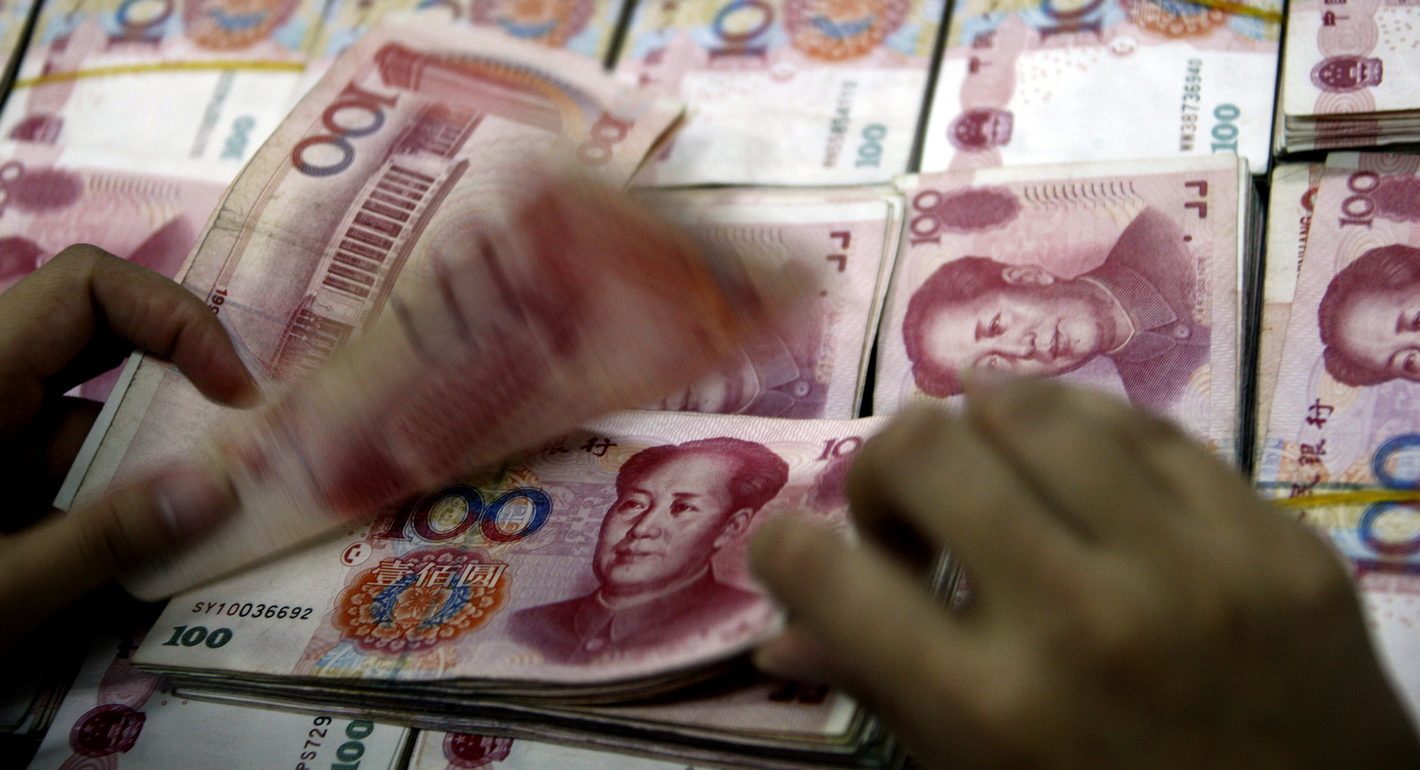
Is the Gulf moving beyond the dollar? This article examines how China is expanding the renminbi's role across Gulf markets, what that means for regional finance, and why the future of global currencies is more complex than the de-dollarization debate suggests.

Andrew Bonney