

Commentary
- +11
Cornelius Adebahr, Dan Baer, Rosa Balfour, …
{
  "authors": [
    "Erik Brattberg"
  ],
  "type": "legacyinthemedia",
  "centerAffiliationAll": "dc",
  "centers": [
    "Carnegie Endowment for International Peace"
  ],
  "collections": [],
  "englishNewsletterAll": "ctw",
  "nonEnglishNewsletterAll": "",
  "primaryCenter": "Carnegie Endowment for International Peace",
  "programAffiliation": "EP",
  "programs": [
    "Europe"
  ],
  "projects": [],
  "regions": [
    "North America",
    "United States",
    "Western Europe",
    "United Kingdom",
    "Iran"
  ],
  "topics": [
    "Foreign Policy",
    "Global Governance"
  ]
}
Source: Getty
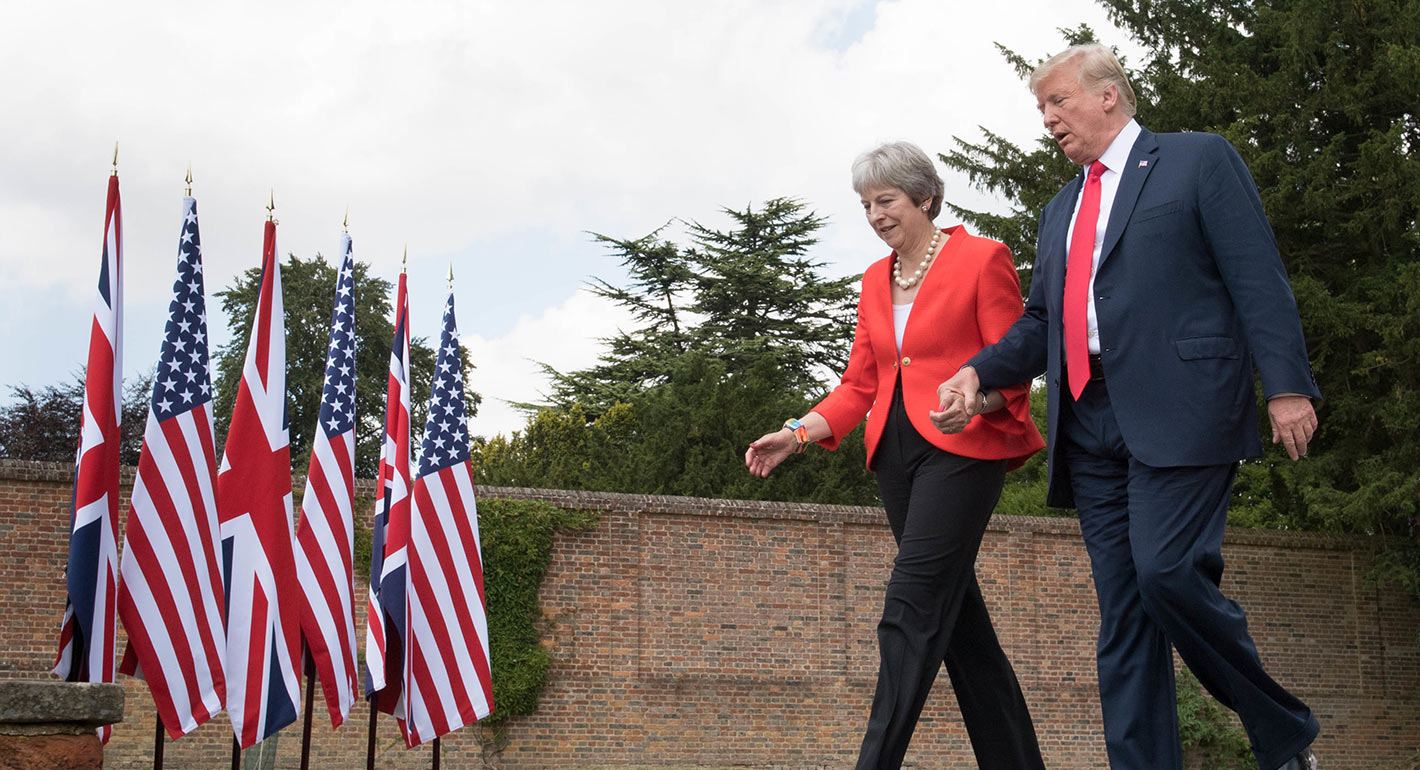
Trump has never cultivated a close working relationship with Prime Minister Theresa May, and the unilateral actions by the Trump administration have deepened policy rifts between the two countries.
Source: Axios
State visits by American presidents in the U.K. are typically smooth sailing, but a combination of British political events and bilateral tensions could unsettle President Trump's current trip.
The big picture: Trump arrives in London amid the upheavals of the unresolved Brexit issue, a Conservative Party leadership crisis and the sizable win for far-right leader Nigel Farage’s party in the European parliamentary elections. His commentary on the politics of Brexit has not always been welcome, and disputes over Huawei and other foreign policy issues have added to the strain.
Background: Trump has never cultivated a close working relationship with Prime Minister Theresa May. During his visit in July 2018, he offended May by suggesting publicly that Boris Johnson “would make a great prime minister” and criticized her government's approach to Brexit negotiations with the EU, directly undermining her domestic standing.
What to watch: Little should be expected from Trump's meeting with May, who plans to step down immediately after the visit, but 2 issues will loom large:
The bottom line: The “special relationship” is fundamentally sound, but it remains unlikely that ties between Washington and London will deepen after Brexit, at least as long as Trump is in the White House.

Former Director, Europe Program, Fellow
Erik Brattberg was director of the Europe Program and a fellow at the Carnegie Endowment for International Peace in Washington. He is an expert on European politics and security and transatlantic relations.
Recent Work



Cornelius Adebahr, Dan Baer, Rosa Balfour, …

Erik Brattberg, Philippe Le Corre, Paul Stronski, …
Carnegie does not take institutional positions on public policy issues; the views represented herein are those of the author(s) and do not necessarily reflect the views of Carnegie, its staff, or its trustees.

Over the past decade, China has moved from marginal player to major producer of all things batteries. The United States, Europe, and others are aiming to balance the market.

Milo McBride

The DFC should focus on advanced, low-carbon energy sources, prioritizing areas where the United States has comparative advantages.

Noah Gordon, Liana Schmitter-Emerson
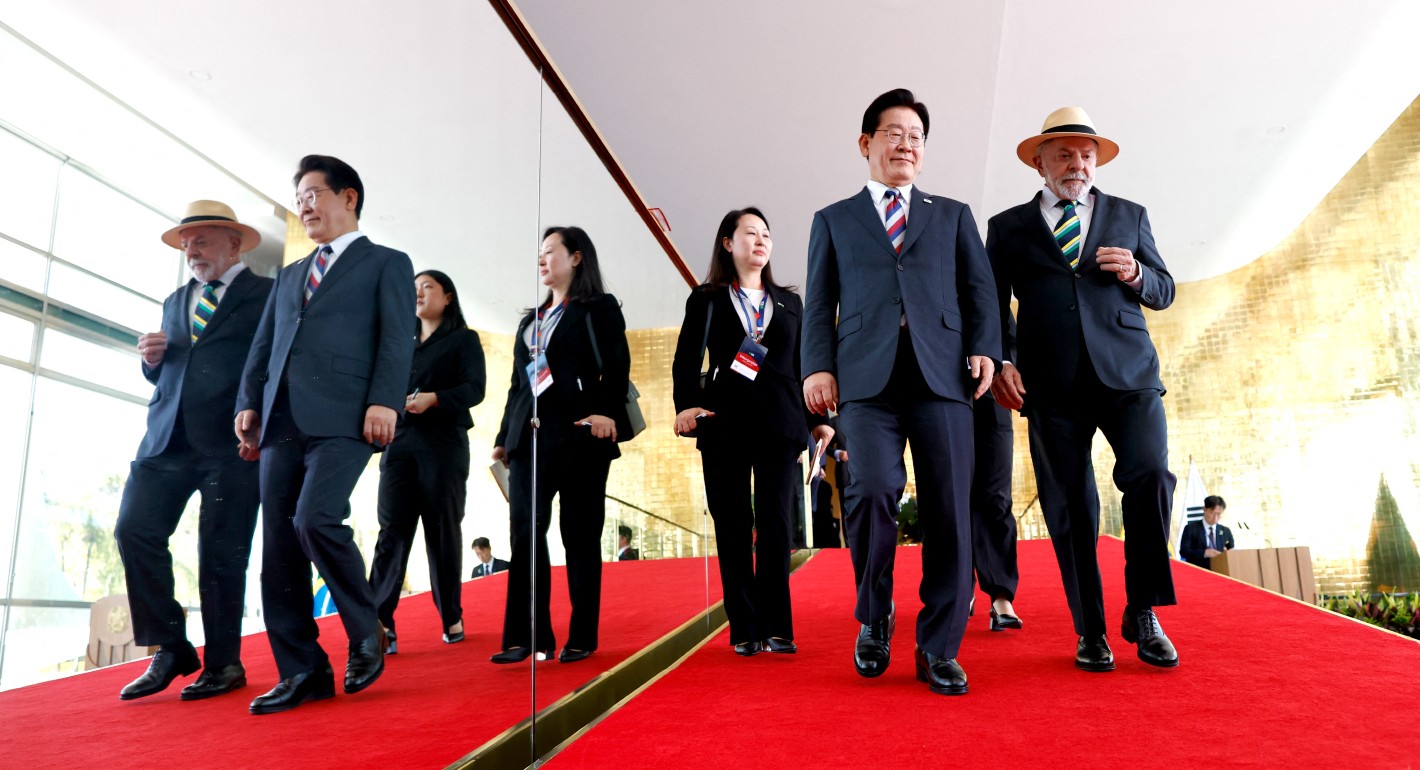
Lee’s tour shows how Seoul is reorganizing its diplomacy away from Pyongyang and toward industrial networks and the geography of the compute economy.

Darcie Draudt-Véjares
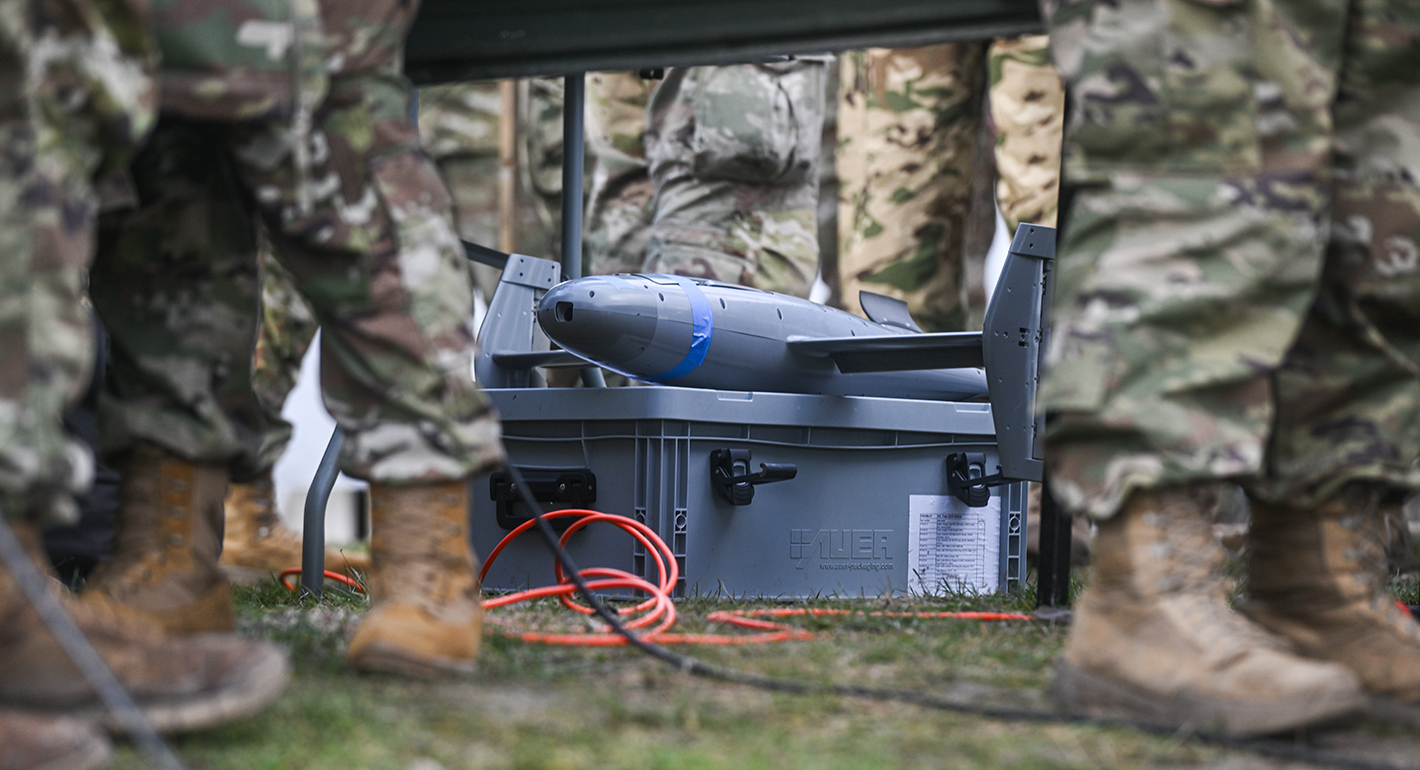
The Pentagon is calling for a rapid AI transformation. Autonomous drones offer a case study in the eight bottlenecks the U.S. military must navigate to realize that vision.
Jake Steckler

Most migrants may have left Ceuta, but the effects may linger.


Alejandro Martin Rodriguez, Sarah Yerkes