

Q&A
Aaron David Miller, David Rennie
{
  "authors": [
    "Aaron David Miller"
  ],
  "type": "legacyinthemedia",
  "centerAffiliationAll": "",
  "centers": [
    "Carnegie Endowment for International Peace"
  ],
  "collections": [],
  "englishNewsletterAll": "",
  "nonEnglishNewsletterAll": "",
  "primaryCenter": "Carnegie Endowment for International Peace",
  "programAffiliation": "",
  "programs": [],
  "projects": [],
  "regions": [
    "North America",
    "United States",
    "Middle East",
    "Israel"
  ],
  "topics": [
    "Political Reform",
    "Foreign Policy",
    "Global Governance"
  ]
}
Source: Getty
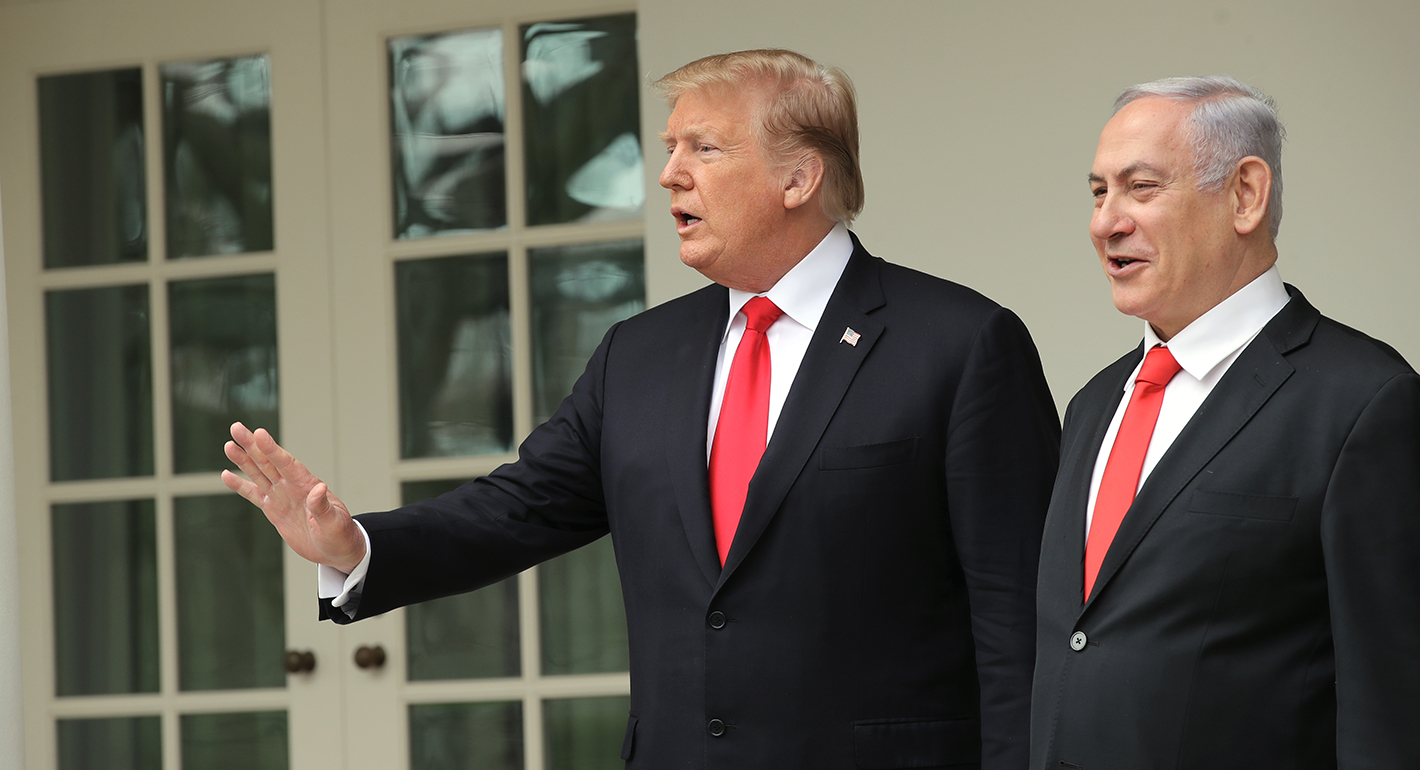
Trump could be increasingly frustrated with Netanyahu, but he’s neither hostile to the prime minister nor toward Israel. It’s just on certain issues their interests may be diverging.
Source: USA Today
One of the most curious and intriguing aspects of Israel’s Sept. 17 do-over election is what didn’t happen.
Despite the tremendous expectation that in the run-up to a make-or-break election for Prime Minister Benjamin Netanyahu, his good friend President Donald Trump would do something big to help him, but nothing materialized. The best the president could muster was a weak tweet about a mutual defense pact between Israel and the United States — an idea whose time might never come because it’s untethered from the realities and needs of both Washington’s and Jerusalem’s defense requirements.
How curious that a president who has done so much for Israel, particularly around election time (see Trump’s statement recognizing Israeli sovereignty over the Golan Heights a couple weeks before the April 9 elections), remained quite passive this time around.
To quote The Righteous Brothers, is Trump losing "that loving feeling"? Are Netanyahu’s political woes frustrating him? Have the results from the do-over election, which have significantly weakened Netanyahu, caused him to think about moving on? What’s going on?
Part of the problem of course is that Trump has been so pro-Netanyahu for the past three years that there was little more he could give in the way of big-ticket items. Recognizing Jerusalem as the capital of Israel; moving the embassy there; visiting Israel so early in his first term; being the first sitting U.S. president to pray at the Western Wall; and of course the Golan recognition.
There’s not a lot left in the way of unilateral gestures. He could have gone to Israel in the days before the election last week; allowed the convicted but released Israeli spy Jonathan Pollard to travel to Israel; or supported Netanyahu’s call for annexation of the Jordan Valley. Bottom line was that none of these things would have significantly influenced the course of an election largely driven by internal Israeli matters.
Last week, when asked post-election whether he had talked to Netanyahu, Trump simply replied no. "Our relations are with Israel, so we’ll see what happens." A proper response for a normal U.S. president in the wake of a an electoral contest in which the votes had not yet been tallied, but not for Trump, who has been pulling for Netanyahu publicly since even before his inauguration and stacked the deck in his favor in so many ways. Trump’s remark seemed curt and cold and was hardly the warm embrace of a friend in political trouble.
Trump’s frustration with the do-over election caused largely by Netanyahu’s own maneuvering has been building for some time. In May, Trump expressed disappointment that new elections were necessary, saying it was “too bad” Netanyahu couldn’t form a government and later adding that he was unhappy with the delay given the importance of the U.S. peace plan.
The same sense of frustration seemed evident in the president’s disappointment that Netanyahu had not initially planned to prevent Rep. Ilhan Omar of Minnesota and Rep. Rashida Tlaib of Michigan from entering Israel in August. Trump’s public reaction that it would show "great weakness" if Israel admitted the two lawmakers was a direct humiliation of a sitting Israeli prime minister and a close U.S. ally. Trump’s dressing-down forced Netanyahu to change his position and blocked their entry, demonstrating his own weakness in failing to stand up to a U.S. president.
In the past several months, Trump’s behavior toward Netanyahu reflects what should have been clear for some time now. Trump has his priorities, which don’t always align with Netanyahu’s. Trump could be increasingly frustrated with Netanyahu, but he’s neither hostile to the prime minister nor toward Israel. It’s just on certain issues their interests may be diverging.
Although prospects for a Trump meeting with Iranian President Hassan Rouhani anytime soon now seem unlikely, Trump is still interested; and it is Netanyahu's worst nightmare. At the summit of the Group of Seven major industrial nations in August, when it became clear that Iranian Foreign Minister Mohammad Javad Zarif was going to make a surprise visit, Netanyahu frantically and unsuccessfully tried to reach Trump to persuade him not to meet with the Iranians, according to Axios, and Trump didn’t.
In any case, the results of the recent Israeli elections might make Netanyahu's role and influence moot: He appears unable to form a narrow right-wing government, and it seems now that his chief rival — Benny Gantz — will be the first to serve in a national unity government if one is formed.
Trump may also have begun to realize that the fate of his yet to be revealed peace plan — tailored to a large extent to meet Netanyahu’s needs — is now in a state of suspended animation — at least until a new Israeli government is formed. Trump never has been all that enamored of “losers.” And though Netanyahu is not in that category yet, between a possible indictment and his declining political fortunes, he could be headed there.
Trump may yet, in some way, try to help Netanyahu. But the prime minister’s decision to cancel his visit to the United Nations General Assembly and his meeting with the president, because he’s entering a period critical not just to his political survival but also to his freedom if he’s indicted and convicted, seems to reflect the new story line. Netanyahu will face his travails more or less on his own. The painful fact for Netanyahu is that looking toward 2020, Trump’s pro-Israeli credentials are solid with his base with or without Netanyahu. And he will get along just fine with whoever succeeds Netanyahu when the time comes. In Trumpland, only the boss matters.
Trump is focused on only one reelection, and it isn’t Netanyahu’s.

Senior Fellow, American Statecraft Program
Aaron David Miller is a senior fellow at the Carnegie Endowment for International Peace, focusing on U.S. foreign policy.
Recent Work

Aaron David Miller, David Rennie

Daniel C. Kurtzer, Aaron David Miller
Carnegie does not take institutional positions on public policy issues; the views represented herein are those of the author(s) and do not necessarily reflect the views of Carnegie, its staff, or its trustees.
Washington’s transactional foreign policy is making it indistinguishable from Beijing’s, with consequential implications for African agency.
Jane Munga
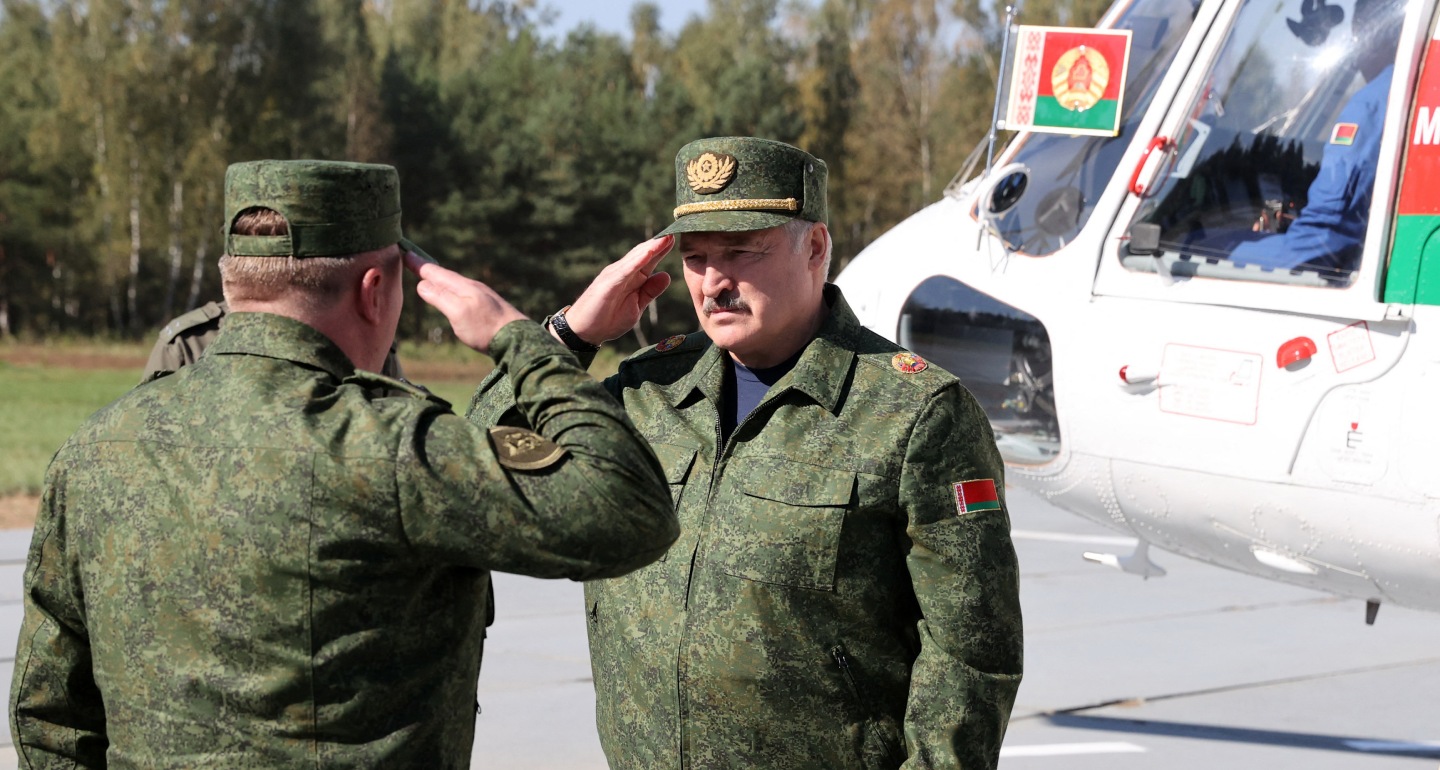
Ukraine’s increasingly confrontational posture on Belarus reflects Kyiv’s effort to shape the emerging regional order in Eastern Europe. Kyiv wants to limit European normalization with Minsk—and any future rapprochement with Russia.

Balázs Jarábik
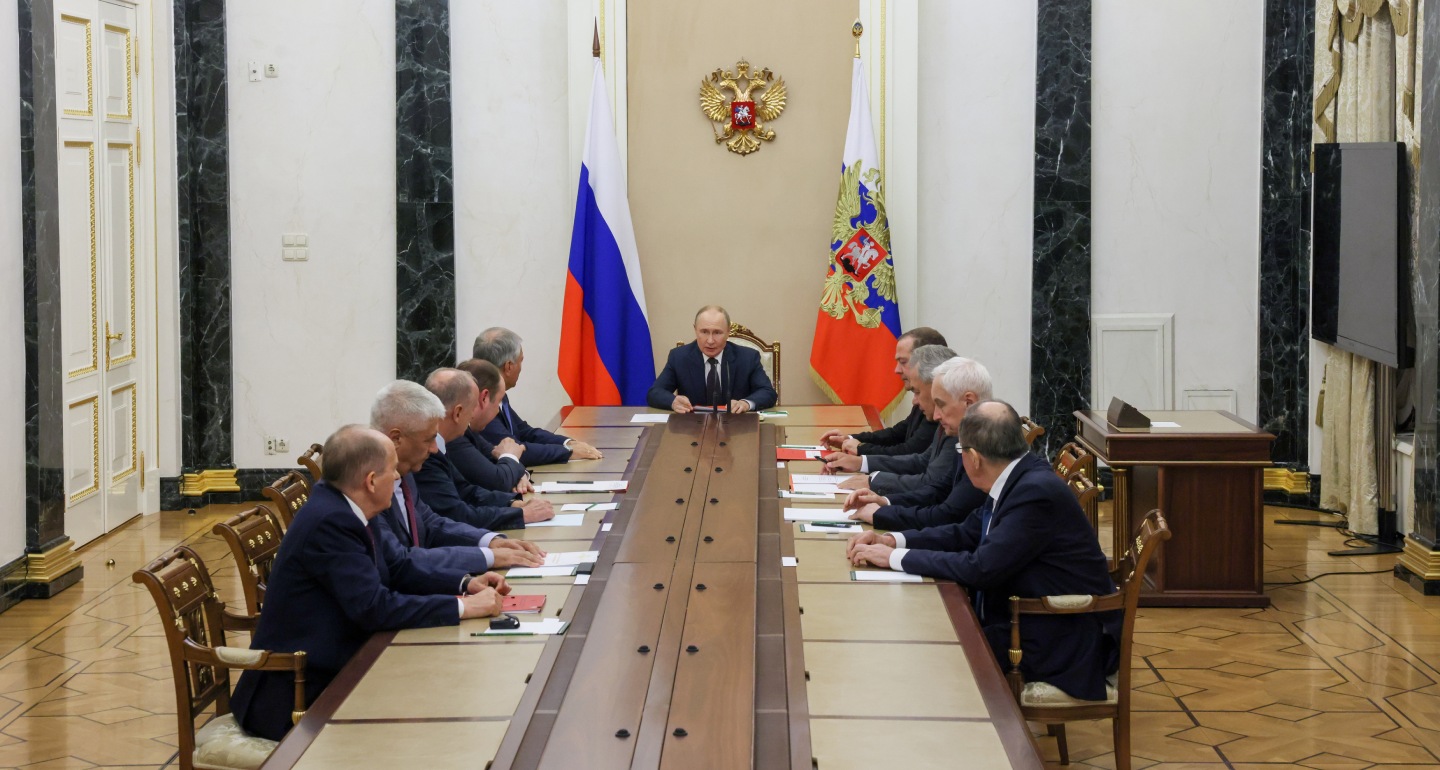
The ruling elites in contemporary Russia are not a political class, but a community of managers who are not subject to competition or public accountability. The state is becoming an operating apparatus without any internal autonomy.

Alexandra Prokopenko
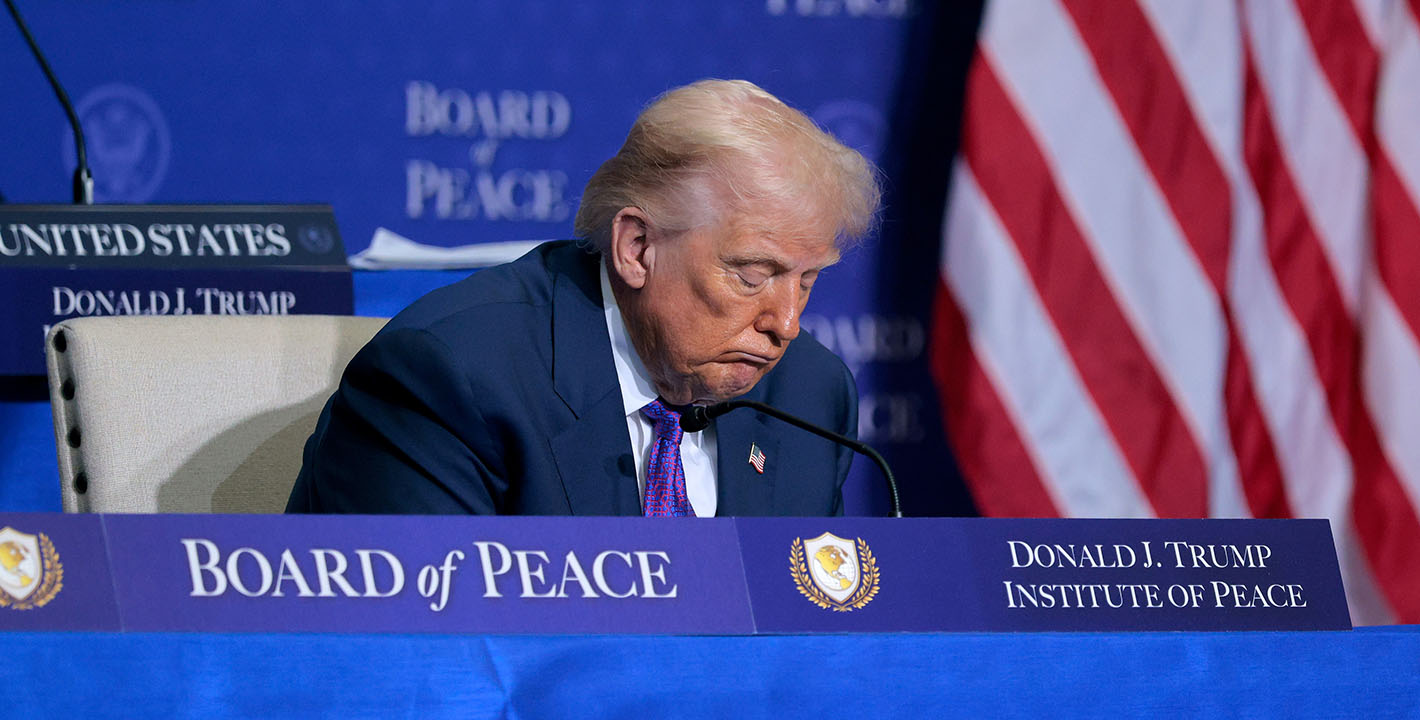
What is behind Marco Rubio’s announcement that the body is now an international nongovernmental organization?
Zaha Hassan
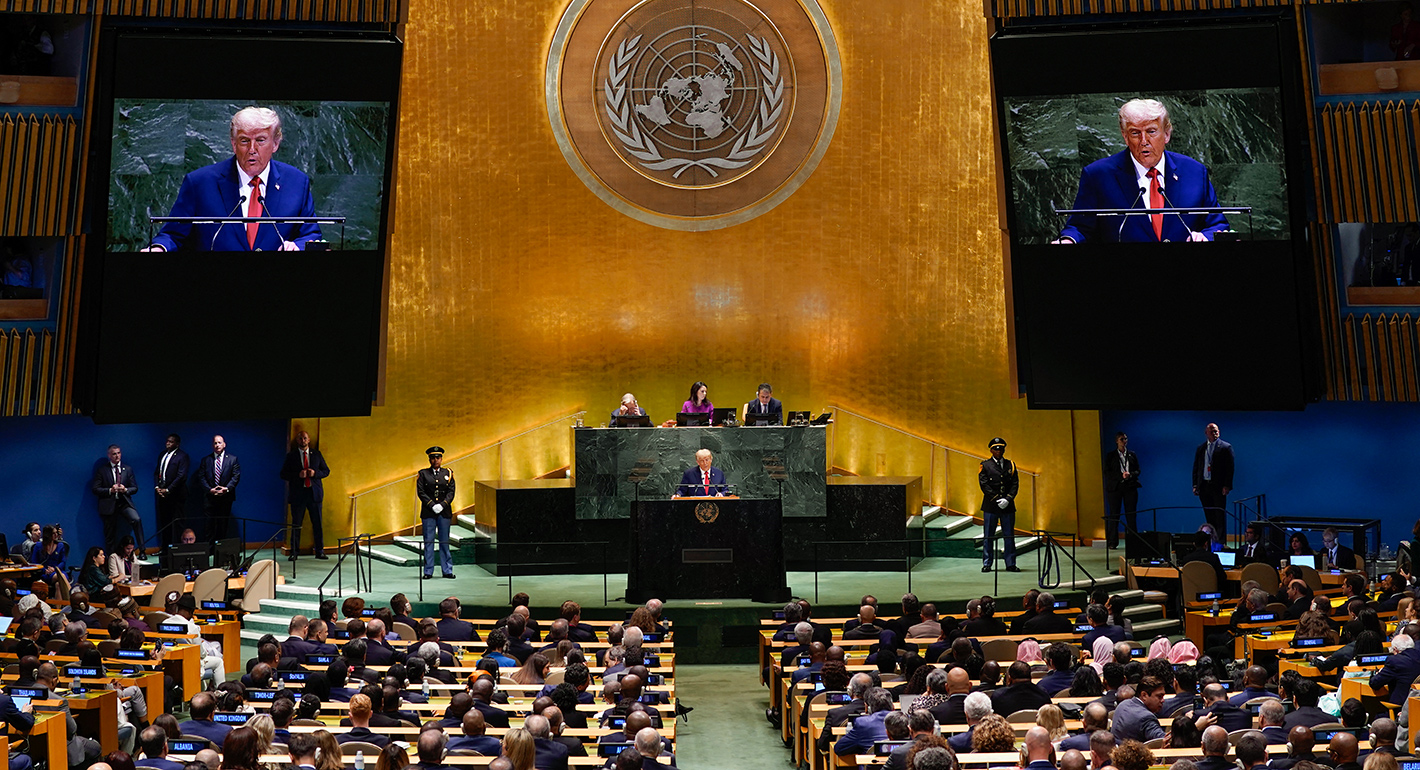
The conventional narrative of the second Trump administration simply repudiating multilateralism is incomplete. The record to date is far more mixed and varies across issue areas and institutions.

Gustavo Romero, Stewart Patrick