

Commentary
Putin’s conservative staffing policies and search for ever greater control have cemented parliament’s transformation into a bureaucratic appendage of the executive branch.
Andrey Pertsev
{
  "authors": [
    "Saskia Brechenmacher",
    "Thomas Carothers"
  ],
  "type": "questionAnswer",
  "centerAffiliationAll": "dc",
  "centers": [
    "Carnegie Endowment for International Peace"
  ],
  "collections": [
    "Civic Activism"
  ],
  "englishNewsletterAll": "democracy",
  "nonEnglishNewsletterAll": "",
  "primaryCenter": "Carnegie Endowment for International Peace",
  "programAffiliation": "DCG",
  "programs": [
    "Democracy, Conflict, and Governance"
  ],
  "projects": [],
  "regions": [],
  "topics": [
    "Political Reform",
    "Democracy",
    "Civil Society"
  ]
}
Source: Getty
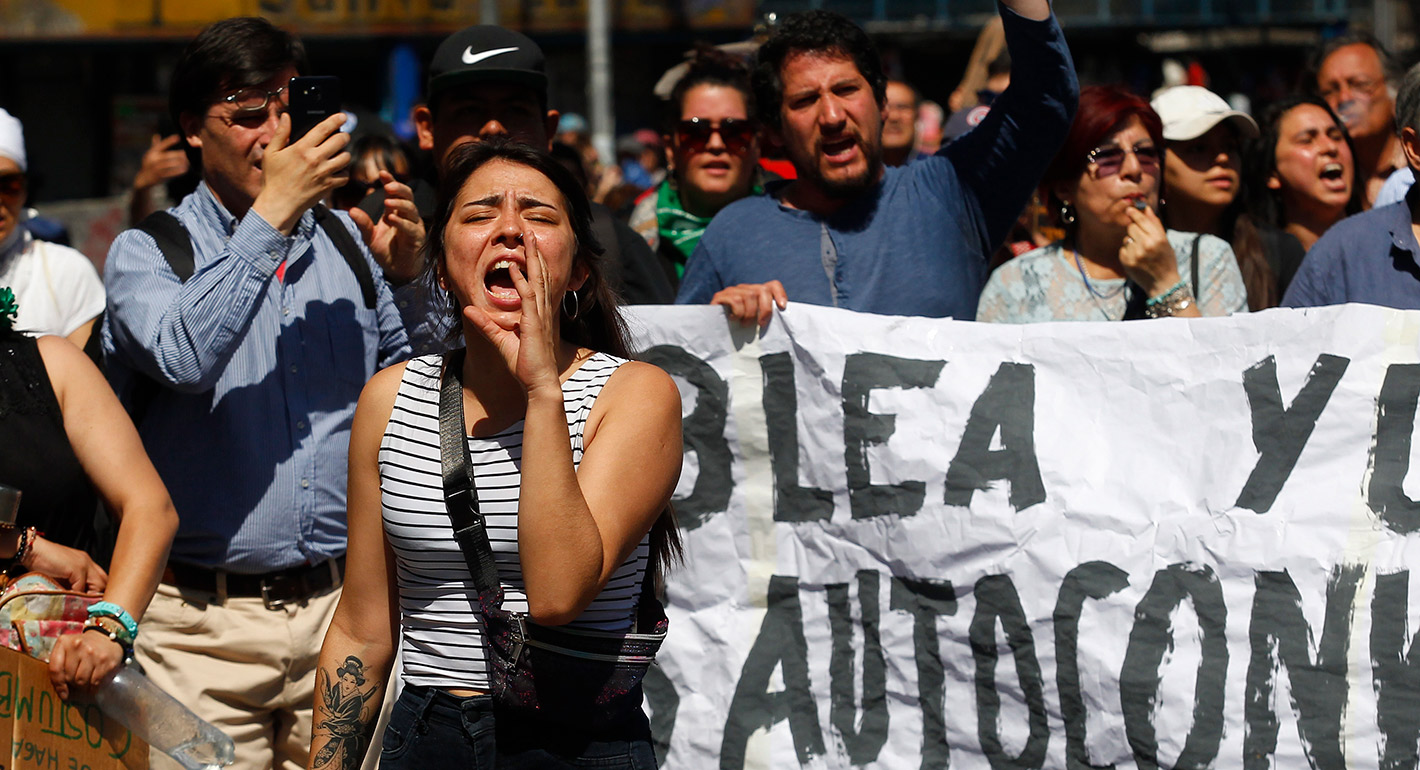
Civic space—the fundamental freedoms that allow people to gather, communicate, and take part in groups to influence society and politics—is the bedrock of any democracy. But it is increasingly vulnerable.
Civic space is a crucial part of any democratic society. It is the political, legal, and social environment that allows people to come together to share experiences and ideas, put forward their views publicly, and to influence politics and society. It hinges on three fundamental freedoms: people’s ability to form associations, protest peacefully, and express views and opinions.
To protect civic space, governments need to enshrine those rights in law and to make sure that citizens and organizations can exercise them—without fear of persecution, violence, or harassment.
Elections allow people to express their political preferences and hold leaders accountable. But they are an inherently limited mechanism. Civic space lets citizens influence policymaking beyond elections, for example by forming advocacy groups or organizing protests.
Around the world, there are countless examples of civic activism bringing about reforms. In Armenia, for example, Prime Minister Serzh Sargsyan’s attempt to prolong his tenure beyond his term limit triggered large-scale protests that ultimately led to his resignation. Armenian civil society groups documented the government’s corruption and human rights violations, while providing vital legal assistance to imprisoned activists.
When civic space is restricted, it becomes harder for citizens to keep tabs on those in power, call out abuses, and draw attention to governance failures. Restrictions also make it harder for civil society organizations to provide important services, particularly to marginalized groups.
The power of civic action means that governments can come to view it as a nuisance or a threat. Over the past ten years, more and more governments have tried to restrict civic space in various ways.
First, governments try to limit civic space by passing laws that tighten their control over the activities and funding of civil society organizations, and limit freedom of expression online and offline. Sweeping anti-terror and anti-protest measures, often justified on grounds of national security, also allow state authorities to silence critics. In addition, governments often use seemingly innocuous administrative measures, such as amendments to the tax code, to clamp down on civil society. These types of restrictions force activists and organizations to cut back on their activities or stop completely.
Second, governments restrict civic space by attacking the legitimacy of civil society organizations. One particularly popular technique is to accuse non-governmental groups of acting on behalf of shadowy interests or foreign powers, with the aim of sowing public mistrust. This type of rhetoric has spread across borders: it is a convenient trope for dismissing critics.
Third, state and non-state actors can clamp down on civic activism through direct intimidation, harassment, and violence. Violence is particularly common against protesters, journalists, and environmental activists. In 2018, for example, 164 environmental activists were killed defending their land from industries such as mining, agribusiness, and logging.
Over the past several years, many groups of people have tried to protect civic space—including local and international civil society organizations, philanthropic foundations, and major donors of development aid.
In countries where governments are closing civic space, activists are fighting back, for example by forming new advocacy coalitions and rallying international support. They have also tried creative approaches to bypass restrictions—in some countries, NGOs have registered as social enterprises to evade scrutiny, or continued their work as unregistered groups.
At the international level, major donors have set up emergency funds to help persecuted activists and organizations. They have also paid for legal assistance for civic activists, trainings to help organizations protect themselves from being hacked or harassed online, and early warning systems that can help spot new threats to civic space.
In some cases, the U.S. and European governments have put pressure on governments that are closing civic space. Civil society advocates have pushed for stronger civic space protections at the United Nations and in other international forums, and lobbied for reforms to harmful counterterrorism regulations.
While some of these efforts have proven useful, they have failed to stop the overall trend of closing civic space. It has become clear that this challenge is a central part of the new international landscape: tackling it effectively requires constant, long-term effort.
So far, several factors have weakened the international response. First, many Western governments have not prioritized the protection of civic space in their foreign policies. They often hold back from stepping up diplomatic pressure on repressive governments for fear of damaging their geopolitical, security, or economic relationships.
Some have also threatened civil society within their own countries, by lashing out against domestic critics or passing heavy-handed laws. This weakens their credibility when they complain about other countries’ civil society restrictions.
In addition, the multidimensional nature of the problem and a lack of clarity about its root causes has made it difficult to develop a unified response. Attempts to protect civic space have often been too small-scale, weakly coordinated, and reactive—in part because many policymakers are uncertain what a more strategic approach would look like.
And while some aid providers have tried to make their support more flexible and useful to local civic groups, such efforts run up against bureaucratic inertia, risk aversion, and pressure to show clear returns on investment.
Lastly, the problem is simply moving too fast for the international community to keep up with it: new threats emerge constantly, particularly in the digital realm.
In most cases, local resistance against new restrictions and threats works best. Local actors find it easier to build the alliances needed to fight back effectively, and to shape their arguments in ways that resonate in the local political context.
But international actors do have important roles to play. They can provide useful technical and legal advice, as well as funds for advocacy, coalition-building, and lawsuits. They can also connect civic activists with networks and organizations in other countries that can share insights and offer support.
Perhaps even more importantly, they can put pressure on governments directly, and challenge restrictions on civic space and civil society in international forums like the United Nations. They can insist on the importance of having independent civil society voices represented in bilateral dialogues and in multilateral institutions, like the World Trade Organization, the Organization for Economic Co-operation and Development (OECD), and the UN Security Council Counter-Terrorism Committee. And they can try to shape international norms and policies that touch on civic space, including debates over counterterrorism, internet governance, and artificial intelligence, for example.
There are no easy solutions. However, there are steps that governments and NGOs that want to protect civic space could take to strengthen their responses.
Democratic governments that wish to support civic space in other countries could come up with a more coherent strategy that links the importance of civic space to other foreign policy priorities and offers clear policy guidance. Such a framework could suggest separate short-term, medium-term and long-term goals, and offer tactical guidance tailored to different political contexts.
In addition, governments could nudge the issue higher on their foreign policy agendas, for example by giving embassies formal guidelines that push them to lean forward on protecting civic space, or appointing a senior official to improve interagency coordination on this issue.
Both private and public funders can invest more money into direct support for local advocacy initiatives. They can also do more to ensure that the funding reaches a wide range of civic actors, and that it is flexible enough to be useful in unstable and unpredictable political environments, meaning that it should not come with too much bureaucratic red tape attached.
Government donors and private funders could better coordinate their efforts, for example by discussing together what they are trying to achieve in different political contexts. Lastly, Western governments that support civil society abroad must lead by example, rather than using hostile and defensive rhetoric against civic activism. Otherwise, their attempts to protect civic space abroad will be met with a large dose of skepticism.
For an in-depth analysis, read Saskia Brechenmacher and Thomas Carothers’s paper, Defending Civic Space: Is the International Community Stuck?

Senior Fellow, Democracy, Conflict, and Governance Program
Saskia Brechenmacher is a senior fellow in Carnegie’s Democracy, Conflict, and Governance Program, where her research focuses on democratic erosion, gender, and civic activism in the United States and globally. She also serves on the board of the International Center for Not-for-Profit Law.

Harvey V. Fineberg Chair for Democracy Studies; Senior Fellow, Democracy, Conflict, and Governance Program
Thomas Carothers, a senior fellow in the Carnegie Endowment for International Peace’s Democracy, Conflict, and Governance Program, is a leading expert on comparative democratization and international support for democracy.
Carnegie does not take institutional positions on public policy issues; the views represented herein are those of the author(s) and do not necessarily reflect the views of Carnegie, its staff, or its trustees.

Putin’s conservative staffing policies and search for ever greater control have cemented parliament’s transformation into a bureaucratic appendage of the executive branch.

Andrey Pertsev

Despite its flop at the box office, the film raises important questions for the climate community to answer.

Leonardo Martinez-Diaz

Ex-president Gurbanguly Berdimuhamedov remains interested in politics, but his son Serdar, Turkmenistan’s current president, is becoming increasingly independent and willing to break with his father’s legacy. If their covert rivalry goes too far, both risk losing power.

Galiya Ibragimova

A notable degree of participative democracy has firmly arrived in Europe. But to have more far-reaching impact, democratic deliberation needs to move into a radically new phase.

Richard Youngs
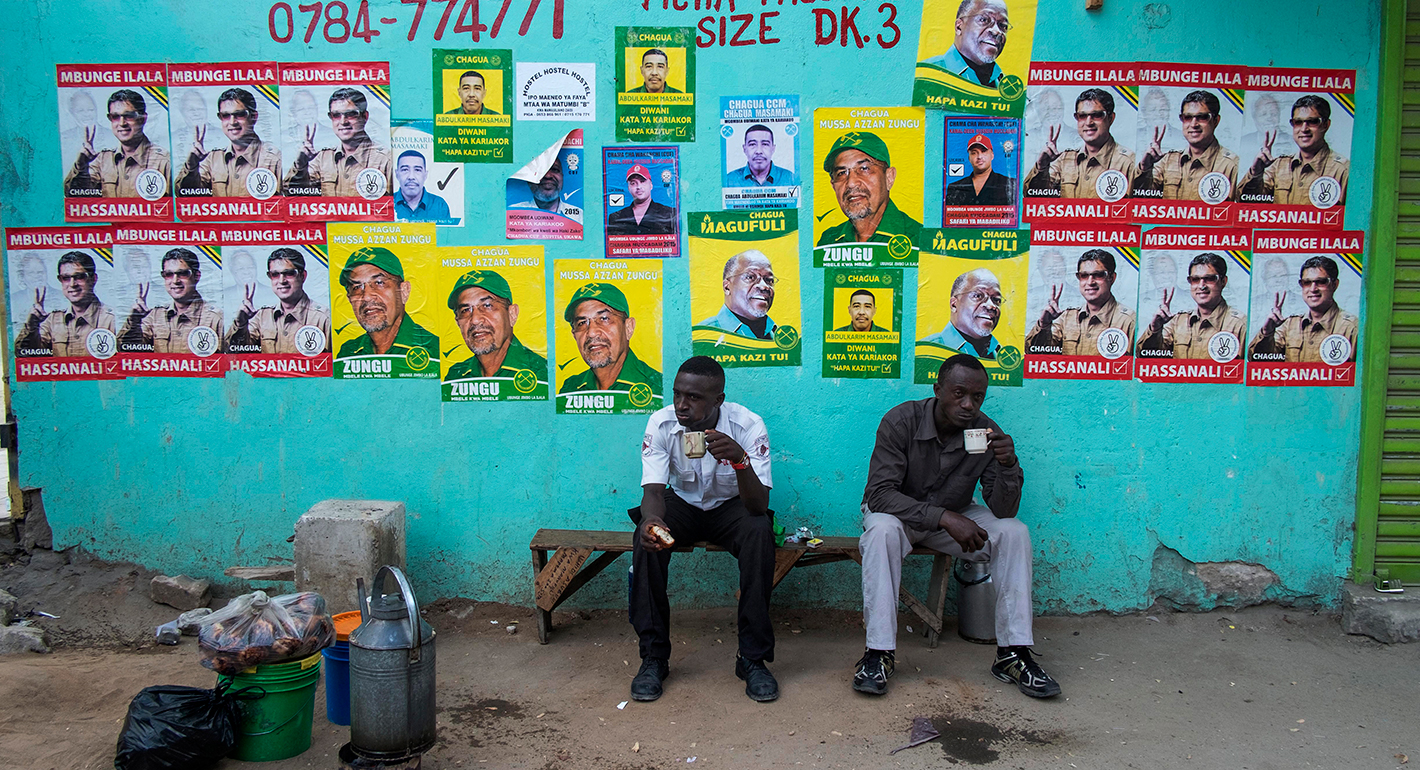
Today’s global democratic recession is partly rooted in a common perception that democracies have a delivery problem, with many citizens in both autocracies and democracies alike now believing that strongmen can achieve better governance outcomes. But a study of four countries in Africa reveals that democratic-leaning governments have demonstrated better governance performance than autocratic governments.


Sarah Yerkes, Natalie Triche, Amr Hamzawy