

Commentary
Japan’s long-term security policy is driven by concerns about China, and there is little appetite for (or interest in) pursuing a confrontation with Moscow.
James D.J. Brown
{
  "authors": [
    "Samuel Charap",
    "Vasyl Filipchuk",
    "Ulrich Kühn",
    "Andrei Popov",
    "Nikolai Silaev",
    "Olesya Vartanyan"
  ],
  "type": "other",
  "centerAffiliationAll": "dc",
  "centers": [
    "Carnegie Endowment for International Peace"
  ],
  "collections": [],
  "englishNewsletterAll": "ctw",
  "nonEnglishNewsletterAll": "",
  "primaryCenter": "Carnegie Endowment for International Peace",
  "programAffiliation": "NPP",
  "programs": [
    "Nuclear Policy"
  ],
  "projects": [],
  "regions": [
    "Caucasus",
    "Eastern Europe"
  ],
  "topics": [
    "Security"
  ]
}
Source: Getty
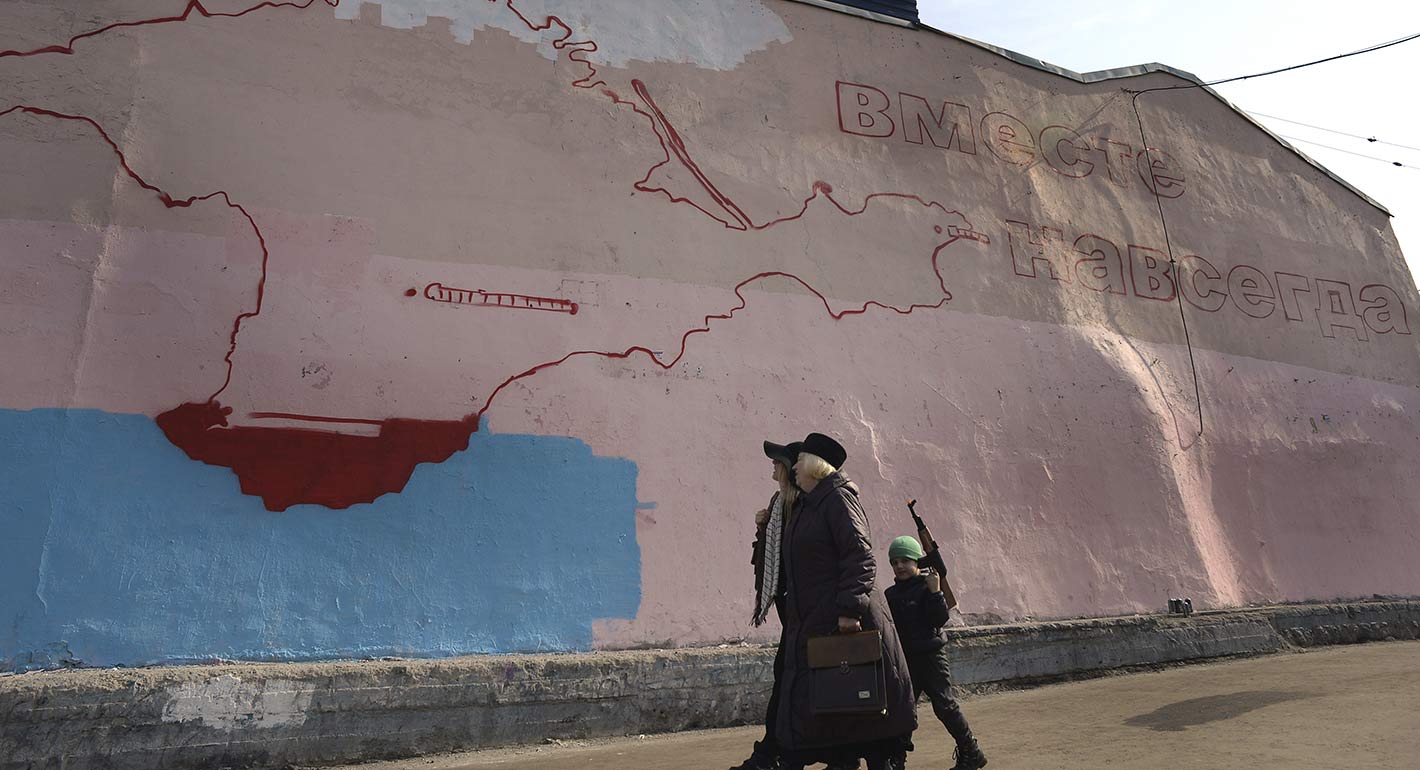
Any future effort to revise the regional order in post-Soviet Europe and Eurasia must address the region’s protracted conflicts. It will be impossible to address the other disputes over the security architecture and economic integration without parallel steps on the conflicts.
Source: RAND
Any future effort to revise the regional order in post-Soviet Europe and Eurasia must address the region’s protracted conflicts. For the states affected by them, the conflicts represent their most significant security concern and a core component of their domestic politics. For the region as a whole, the conflicts restrict trade, increase social hardships, weaken governance, heighten tensions, and limit people-to-people ties. At the international level, the disputes surrounding the status of conflict zones and the presence of third parties there frequently lead to deadlock in multilateral talks. Many Western states view a change in the dynamics surrounding the conflicts—and specifically Russian behavior—as a prerequisite to engagement in a broader discussion on the regional order. Russian officials, in turn, have argued that Western approaches to the conflicts must be transformed to achieve regional stability.
A revised regional order must therefore deliver concrete progress on the conflicts. It will be impossible to address the other disputes over the security architecture and economic integration without parallel steps on the conflicts.
This chapter proposes an interlinked framework to address the conflicts: Relevant parties involved would agree to implement a series of steps to improve the lives of the people affected by the conflicts and reduce tensions on the ground, while simultaneously making a renewed commitment to pursue a settlement that is supported by all parties. Such a framework would entail concrete steps toward alleviating the consequences of the conflicts, while providing affected states enhanced confidence that multilateral negotiation formats will operate with renewed purpose. Such a framework cannot guarantee results, but the trade-off is clear: In return for facilitating a normalization of the situation on the ground, conflict-affected states would receive a strong political commitment from relevant parties (e.g., the United States, Russia, the European Union [EU] and its key member states, and the Organization for Security and Co-operation in Europe [OSCE]) to reinvigorate efforts to reach a mutually agreed settlement....
Samuel Charap
Vasyl Filipchuk

Former Nonresident Scholar, Nuclear Policy Program
Ulrich Kühn was a nonresident scholar at the Carnegie Endowment for International Peace, and the head of the arms control and emerging technologies program at the Institute for Peace Research and Security Policy at the University of Hamburg.
Andrei Popov
Nikolai Silaev

Conflict analyst in the South Caucasus, specializing in security, peace processes, and foreign policy.
Carnegie does not take institutional positions on public policy issues; the views represented herein are those of the author(s) and do not necessarily reflect the views of Carnegie, its staff, or its trustees.

Japan’s long-term security policy is driven by concerns about China, and there is little appetite for (or interest in) pursuing a confrontation with Moscow.

James D.J. Brown

Russia is testing the waters of NATO’s mutual defense clause. What do strikes in Romanian territorial waters mean for the alliance’s posture toward Moscow?

Dimitar Bechev
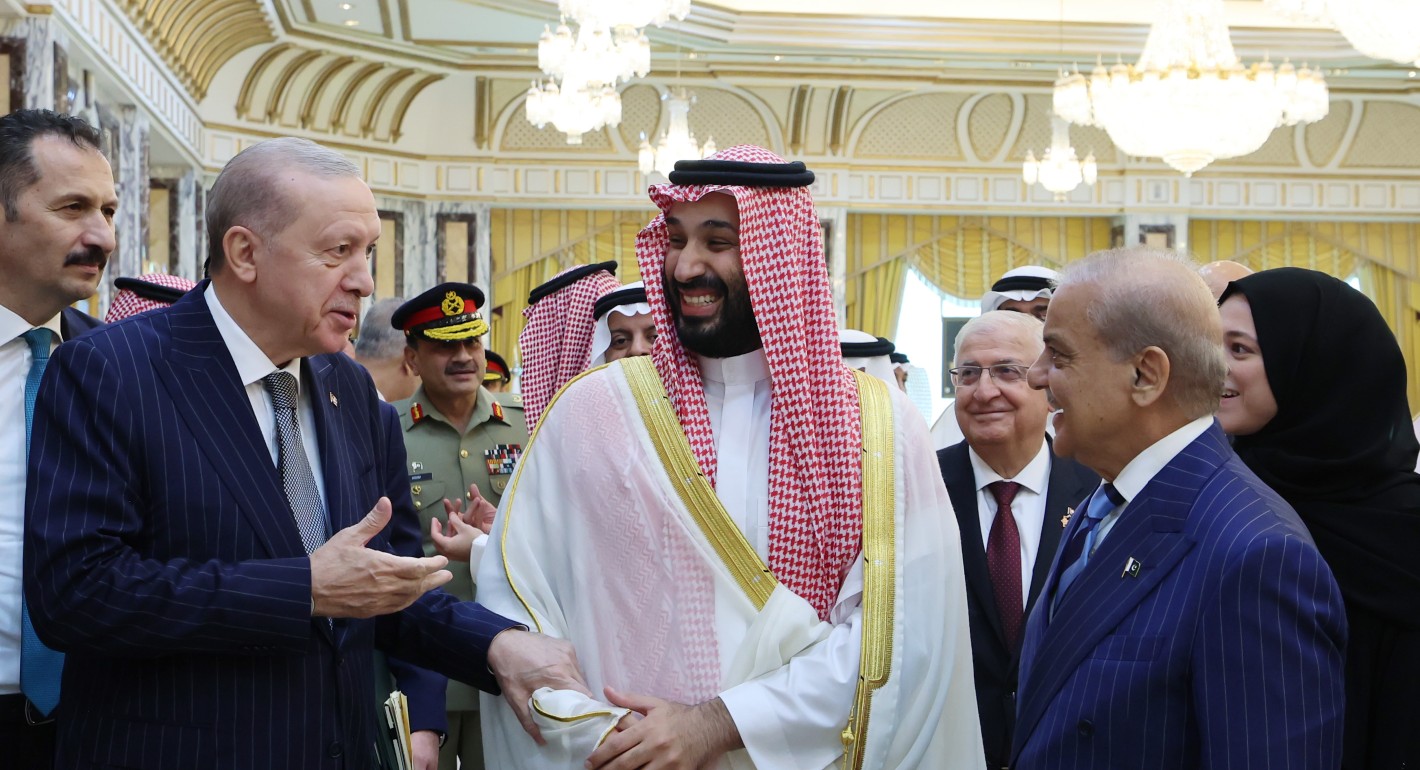
Why Pakistan, Saudi Arabia, and Turkey are joining forces on regional security.


Alper Coşkun, Amr Hamzawy

The truth of the strategic situation is that Europe and Russia are extremely unlikely to be able to “turn the page” on their confrontation within the next two decades.

Arkady Moshes

Despite public disputes over trade and immigration, the strategic partnership’s foundations remain sturdy.

Sameer Lalwani