

Research
- +10
Rosa Balfour, Frances Z. Brown, Yasmine Farouk, …
{
  "authors": [
    "Moisés Naím"
  ],
  "type": "legacyinthemedia",
  "centerAffiliationAll": "dc",
  "centers": [
    "Carnegie Endowment for International Peace"
  ],
  "collections": [],
  "englishNewsletterAll": "democracy",
  "nonEnglishNewsletterAll": "",
  "primaryCenter": "Carnegie Endowment for International Peace",
  "programAffiliation": "DCG",
  "programs": [
    "Democracy, Conflict, and Governance"
  ],
  "projects": [],
  "regions": [
    "North America",
    "United States"
  ],
  "topics": [
    "Political Reform",
    "Democracy",
    "Global Governance"
  ]
}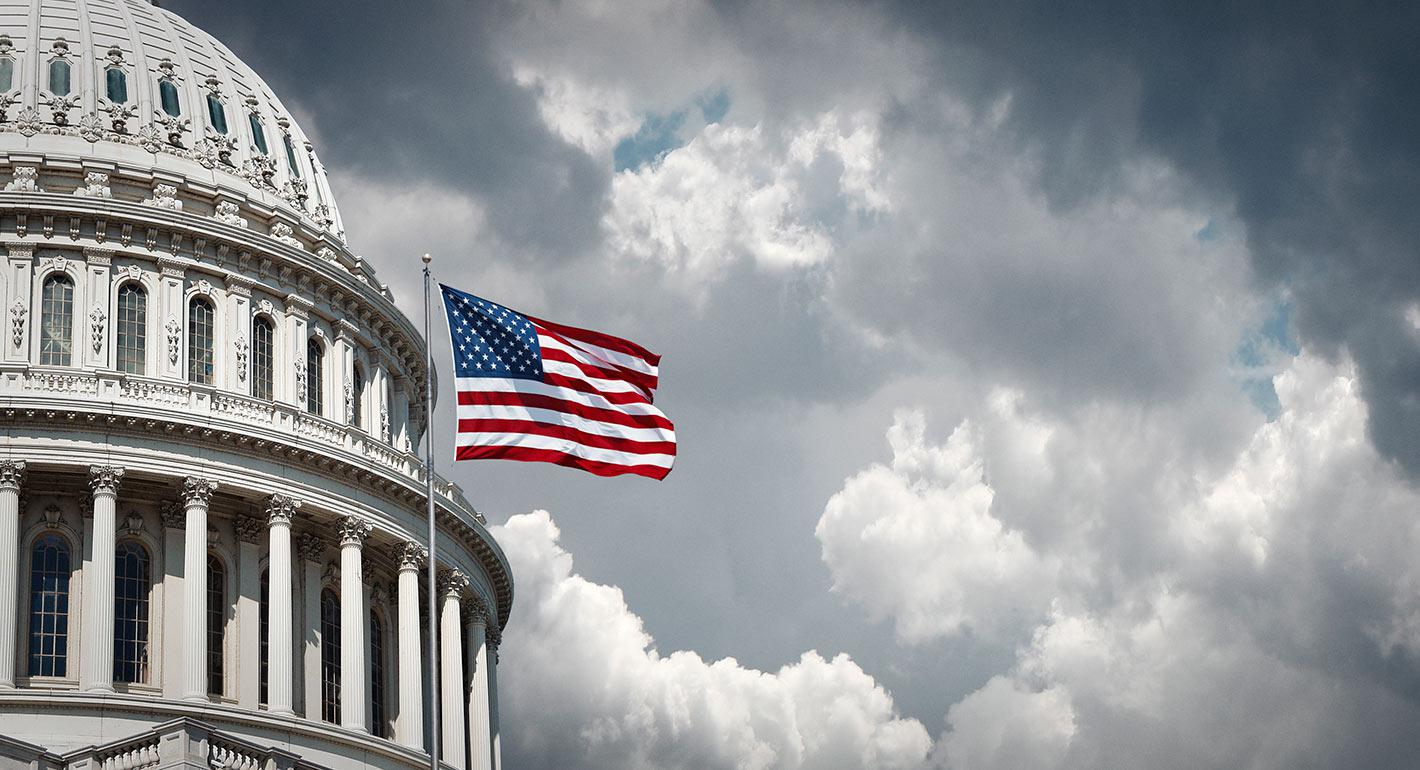
Source: Getty
The attacks of the president and his supporters need to be answered with a pragmatic stance and concrete solutions. It is what any citizen of one of the richest countries in the world has the right to expect.
Source: Washington Post Magazine
Americans will not follow politicians who fit the caricature that Donald Trump and Fox News use to depict opponents of the incumbent president.
America-hating, illegal-immigrant-loving, soft-on-crime radical socialists will not do well with voters. Fortunately, these radical socialists are scarce and not very influential. Unfortunately, they are omnipresent in Trump’s speeches and tweets.
Politicians with credible proposals to solve the concrete problems that besiege Americans will do well with voters who are unwilling to take the president’s claims at face value. That is why persuading voters to double-check the president’s accusations and denounce his exaggerations and falsehoods will be important goals of his adversaries. But that will not be enough. The attacks of the president and his supporters need to be answered with a pragmatic stance and concrete solutions. For example, Democrats should keep reminding voters that a more affordable health care that is available to more Americans is not a left- or right-wing issue. It is what any citizen of one of the richest countries in the world has the right to expect.
Contrary to the National Rifle Association’s rhetoric, banning assault rifles designed to massacre a large number of people in a short period of time or requiring background checks for gun buyers are not measures promoted by the left to undermine America. These are treated as common-sense ideas anywhere else in the world — and, increasingly, by American voters as well.
Suspending U.S. foreign aid to the Central American countries where hellish living conditions prompt hundreds of thousands of people to seek refuge in the United States is not a smart, hawkish right-wing, anti-illegal-immigrant policy. It is, instead, a self-inflicted wound that weakens America because it boosts the pressures Central Americans have to leave their homes and flee north.
Defending the human rights of oppressed people everywhere is not a right or left issue either. It is one of the goals that the foreign policy of the world’s most powerful democracy should never abandon even if, at times, it may conflict with other national interests.
Americans are pragmatists, not ideologues. Voters will follow candidates who speak to their concrete needs and aspirations. The challenge for Democrats is to show that Trump’s policies, while at times seductive, are in fact poisonous and often hurt the great majority of Americans. And to show that the policies he routinely denounces as radical are no such thing.
This article was originally published by the Washington Post.

Distinguished Fellow
Moisés Naím is a distinguished fellow at the Carnegie Endowment for International Peace, a best-selling author, and an internationally syndicated columnist.
Recent Work



Rosa Balfour, Frances Z. Brown, Yasmine Farouk, …
Moisés Naím
Carnegie does not take institutional positions on public policy issues; the views represented herein are those of the author(s) and do not necessarily reflect the views of Carnegie, its staff, or its trustees.
It should address the shortcomings of previous crisis communication efforts and adapt to the demands of frontier AI.

Lucy Luo

If the Russian-speaking community in Latvia cannot articulate their interests without being seen as disloyal, they could end up embracing a pro-Kremlin agenda.

Sergejs Potapkins

Washington’s decision to support some UN functions while letting others wither is pulling the organization apart at the seams.

Stewart Patrick, Theodore Zaritsky

While there are notable demographic, economic, and geographic divides over AI, there is also substantial alignment between Republicans and Democrats.


Ian Klaus, Mark Baldassare, Rachel George, …

Russia’s ruling party would have benefited from Putin appearing as its distant patron, but as an active frontman imposing his views on the public, he has done nothing but harm both the party’s election campaign and the ruling system overall.

Andrey Pertsev