

Other
François Godement, Ashley J. Tellis
{
  "authors": [
    "François Godement"
  ],
  "type": "legacyinthemedia",
  "centerAffiliationAll": "dc",
  "centers": [
    "Carnegie Endowment for International Peace"
  ],
  "collections": [],
  "englishNewsletterAll": "asia",
  "nonEnglishNewsletterAll": "",
  "primaryCenter": "Carnegie Endowment for International Peace",
  "programAffiliation": "AP",
  "programs": [
    "Asia"
  ],
  "projects": [],
  "regions": [],
  "topics": [
    "Economy",
    "Trade"
  ]
}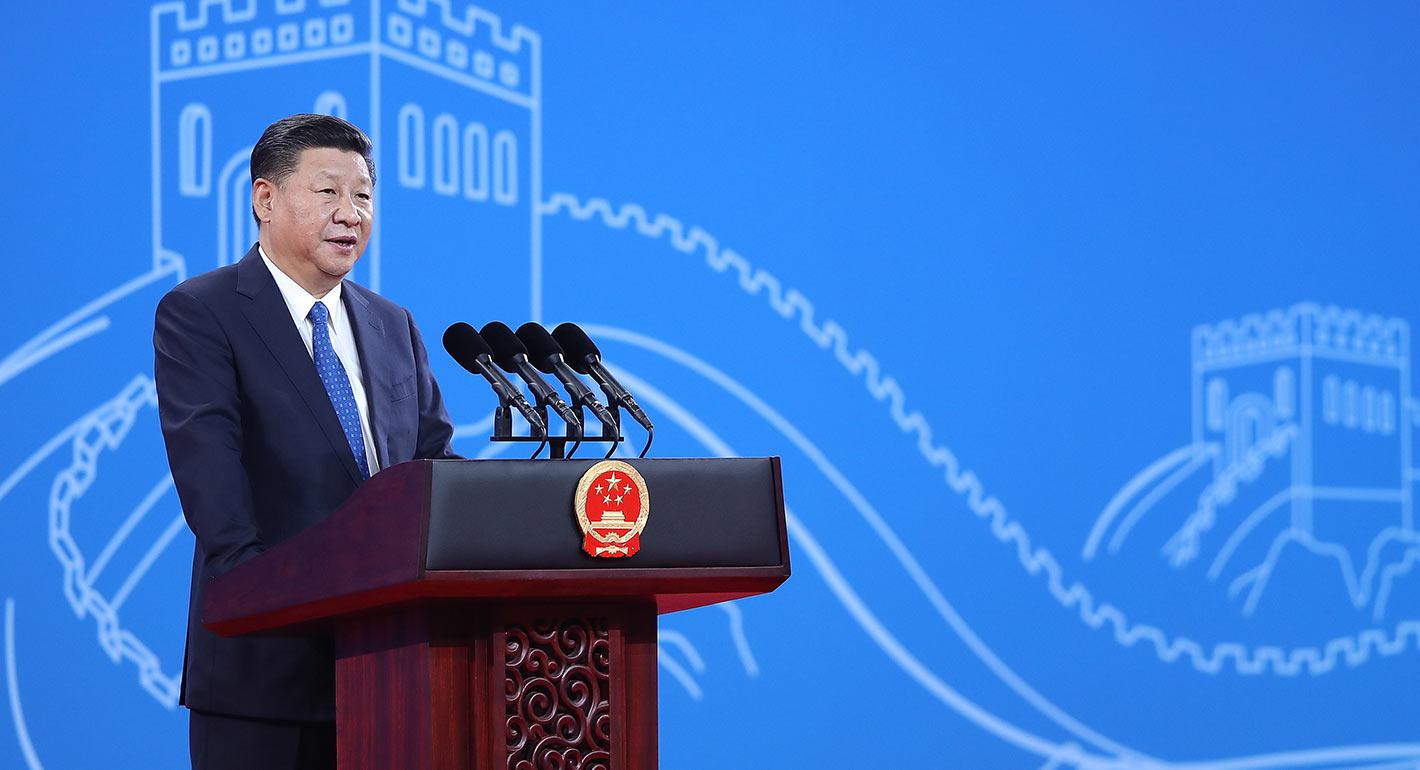
Source: Getty
China’s leadership is clearly bracing for possible new trade shocks from the United States, and perhaps unwilling to respond with market reforms.
Source: Institut Montaigne
The Central Economic Work Conference has just ended in Beijing, and its results were awaited with unusual trepidation by observers: how to counter the economic slow-down, what to do with the rising debt, could a new stimulus plan be launched, what about monetary policy and the currency’s level? The keywords now emerging are "stability" and "caution", with China’s leadership clearly bracing for possible new trade shocks from the United States, and perhaps unwilling to respond with market reforms. This issue of China Trends shines a light on three different types of trends in China’s economy.
The first one, by Angela Stanzel, is on China’s growth model. We hear of new developments: they are largely about technology upscaling, achieving "high quality development" through innovation. Yet, beyond an official optimism on growth rates, there are a lot of worries that surface: stagnation of income in China’s middle class and slowing down of domestic consumption. Two avenues of growth are encouraged: one is more financial support for SMEs. The authors don’t mention it, but this would be in practice a renewal of the short-lived calls for supporting the private sector that were heard in late 2018. The other is an expansionary social spending policy that would enable a renewed shift from forced savings and investment to consumption. But in a fashion that is typical of today’s political trends, we hear no more about the role of the market or about liberalizing reforms.
Yet the issues still exist. Our second study, by Viviana Zhu, is on the fate of China’s anti-monopoly law, enacted in 2008. Perhaps with some nostalgia, one source recalls the context of the reform era. It took 20 years to pass the law – against views that a developing China actually needed more monopolies, not less, and a strong defense of "administrative monopolies", which extend far beyond the notion of natural monopolies in China. That last contradiction has survived the law.

Former Nonresident Senior Fellow, Asia Program
Godement, an expert on Chinese and East Asian strategic and international affairs, was a nonresident senior fellow in the Asia Program at the Carnegie Endowment for International Peace.
Recent Work
François Godement, Ashley J. Tellis

François Godement, Abigaël Vasselier

The demands of the Kremlin’s war in Ukraine, demographic problems, and public hostility toward Central Asians mean Russia does not have enough workers.

Salavat Abylkalikov
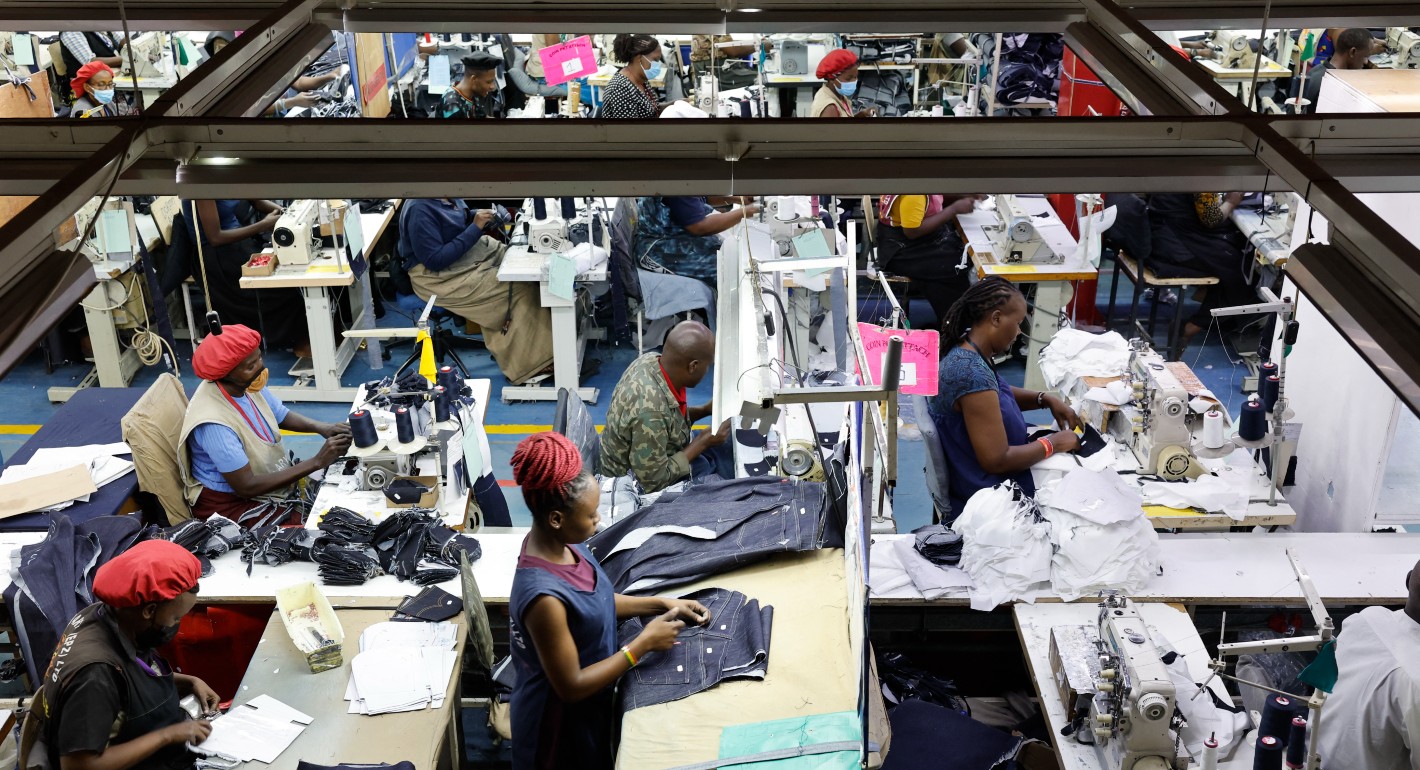
Strengthening U.S.-Africa trade and advancing U.S. interests aren’t conflicting goals.


Tyler Beckelman, Kholofelo Kugler
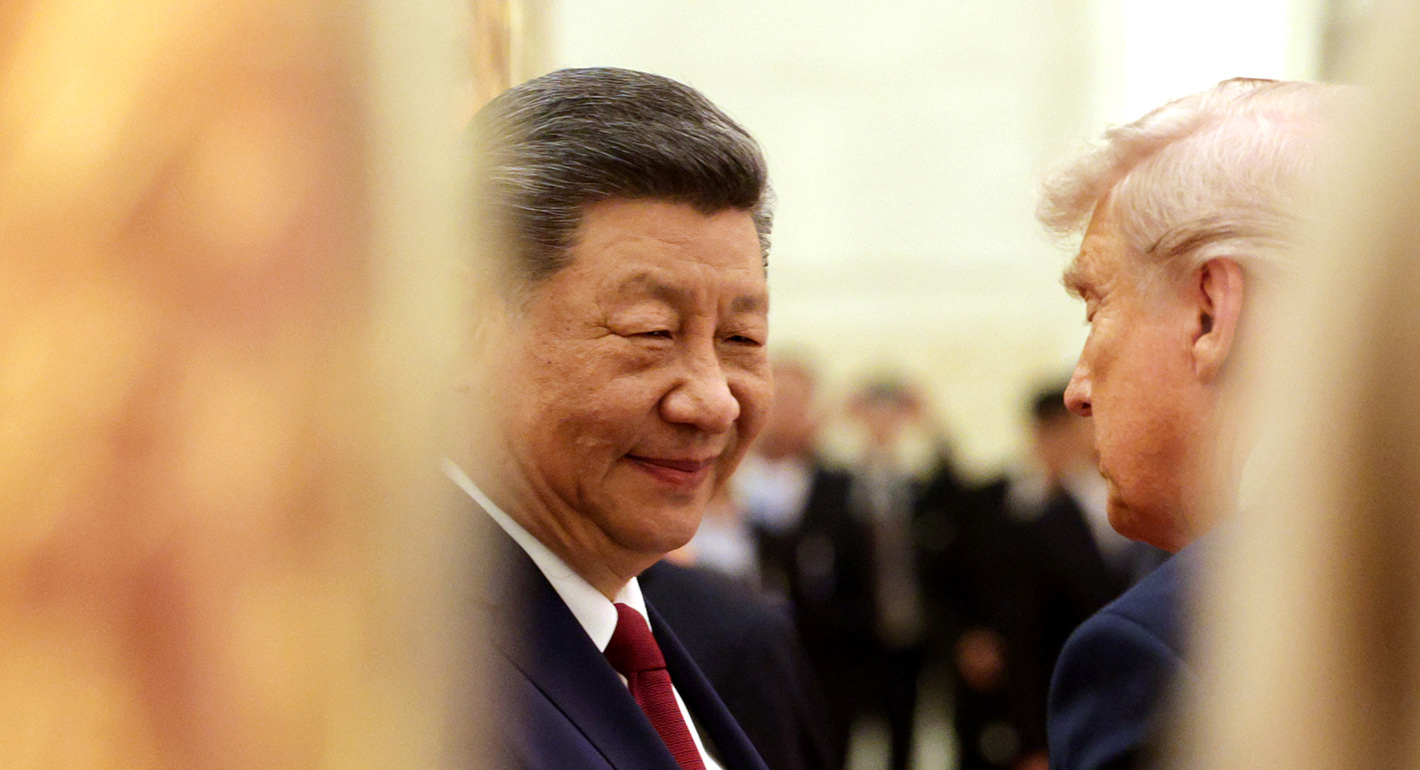
The U.S.-China Summit produced a welcome commitment to build a constructive, strategically stable relationship. However, the United States has a full agenda, including the USMCA review beginning this week, that will likely target Chinese practices of concern. If China views these efforts as inconsistent with the agreements reached in Beijing, it may slow or halt progress in response.

Barbara Weisel
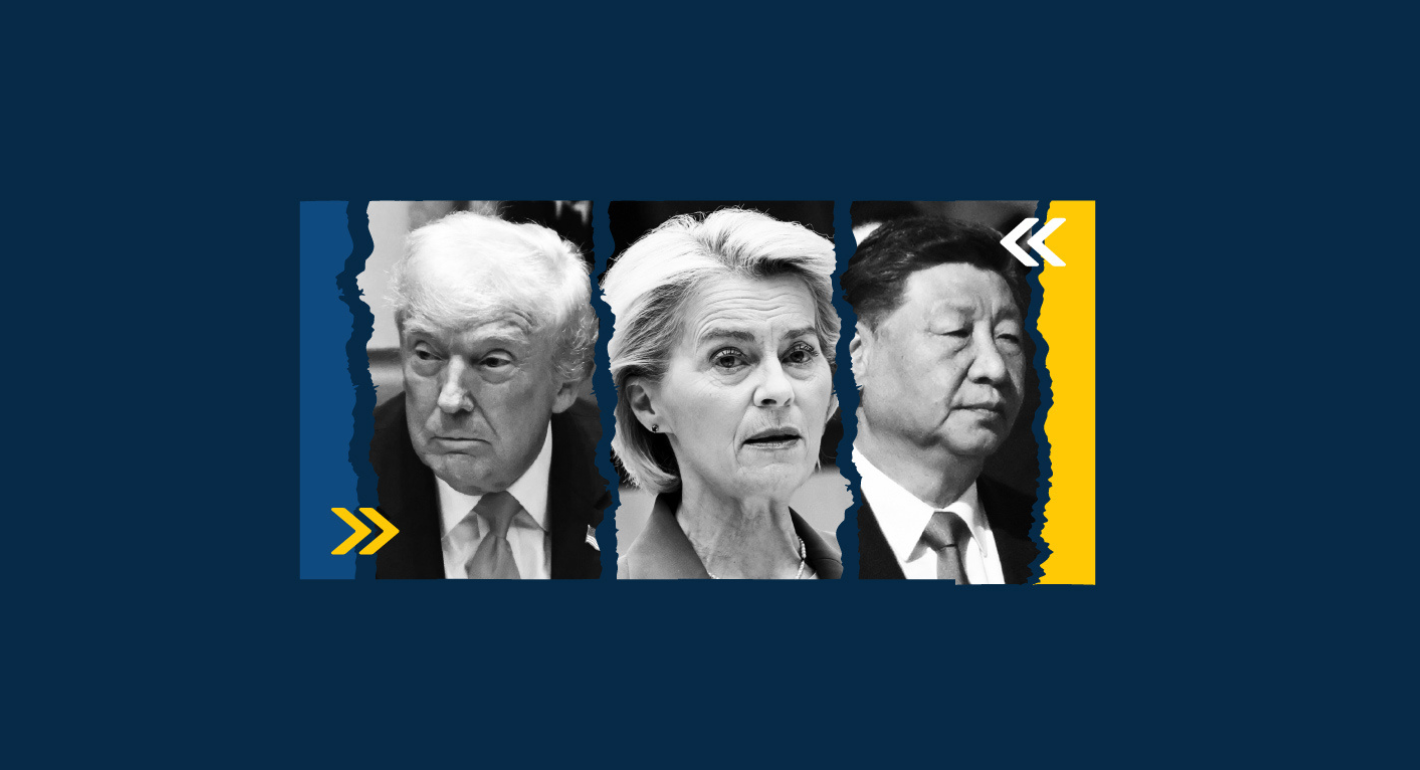
Between the United States’ market-driven approach and China's state-led industrial strategy, Europe is reckoning with how it can remain competitive in the global economy. But is Europe in danger of becoming a U.S. or China colony?


Noah Barkin, Anu Bradford

Minsk’s faith in the future of its larger neighbor’s economy is fading as Belarusian firms in Russia see record losses.

Olga Loiko