

Commentary
The conflict is exposing the deep energy vulnerabilities of Korea’s chip industry.
Darcie Draudt-Véjares, Tim Sahay
{
  "authors": [
    "James L. Schoff",
    "Satoru Mori"
  ],
  "type": "other",
  "centerAffiliationAll": "dc",
  "centers": [
    "Carnegie Endowment for International Peace"
  ],
  "collections": [],
  "englishNewsletterAll": "asia",
  "nonEnglishNewsletterAll": "",
  "primaryCenter": "Carnegie Endowment for International Peace",
  "programAffiliation": "AP",
  "programs": [
    "Asia"
  ],
  "projects": [],
  "regions": [
    "North America",
    "United States",
    "East Asia",
    "China",
    "Japan"
  ],
  "topics": [
    "Security",
    "Foreign Policy",
    "Technology"
  ]
}
Source: Getty
Techno-nationalism is resurgent in the world today, and it comes at a time of more intense strategic friction between the United States and China, compared to the U.S.-Japan trade battles and technology competition from three decades ago.
Source: Sasakawa Peace Foundation
Techno-nationalism is resurgent in the world today, and it comes at a time of more intense strategic friction between the United States and China, compared to the U.S.-Japan trade battles and technology competition from three decades ago. That was a relatively short-lived era of rivalry between allies, but this is likely to be a longer-term and intense competition with China that sees the United States and Japan on the same side for the most part, due to their wide range of shared interests.
This memo assesses the scope of evolving technology development challenges to the United States and Japan, summarizes some of the steps that both countries are taking to address these challenges—through a combination of access restriction and collaborative innovation—and recommends additional measures they can consider for protecting national and economic security without risking technological isolation. The memo focuses heavily on the unique role that the U.S-Japan alliance can play with regard to these challenges, given the two countries’ science and technology strengths, their shared regional and global interests, and their track record of basic science collaboration that spans more than fifty years.
This policy memorandum was originally published by the Sasakawa Peace Foundation.

Former Senior Fellow, Asia Program
James L. Schoff was a senior fellow in the Carnegie Asia Program. His research focuses on U.S.-Japan relations and regional engagement, Japanese technology innovation, and regional trade and security dynamics.
Satoru Mori
Satoru Mori is a professor in the Faculty of Law at Hosei University. He specializes in international relations, U.S. foreign policy and Cold War history.
Carnegie does not take institutional positions on public policy issues; the views represented herein are those of the author(s) and do not necessarily reflect the views of Carnegie, its staff, or its trustees.
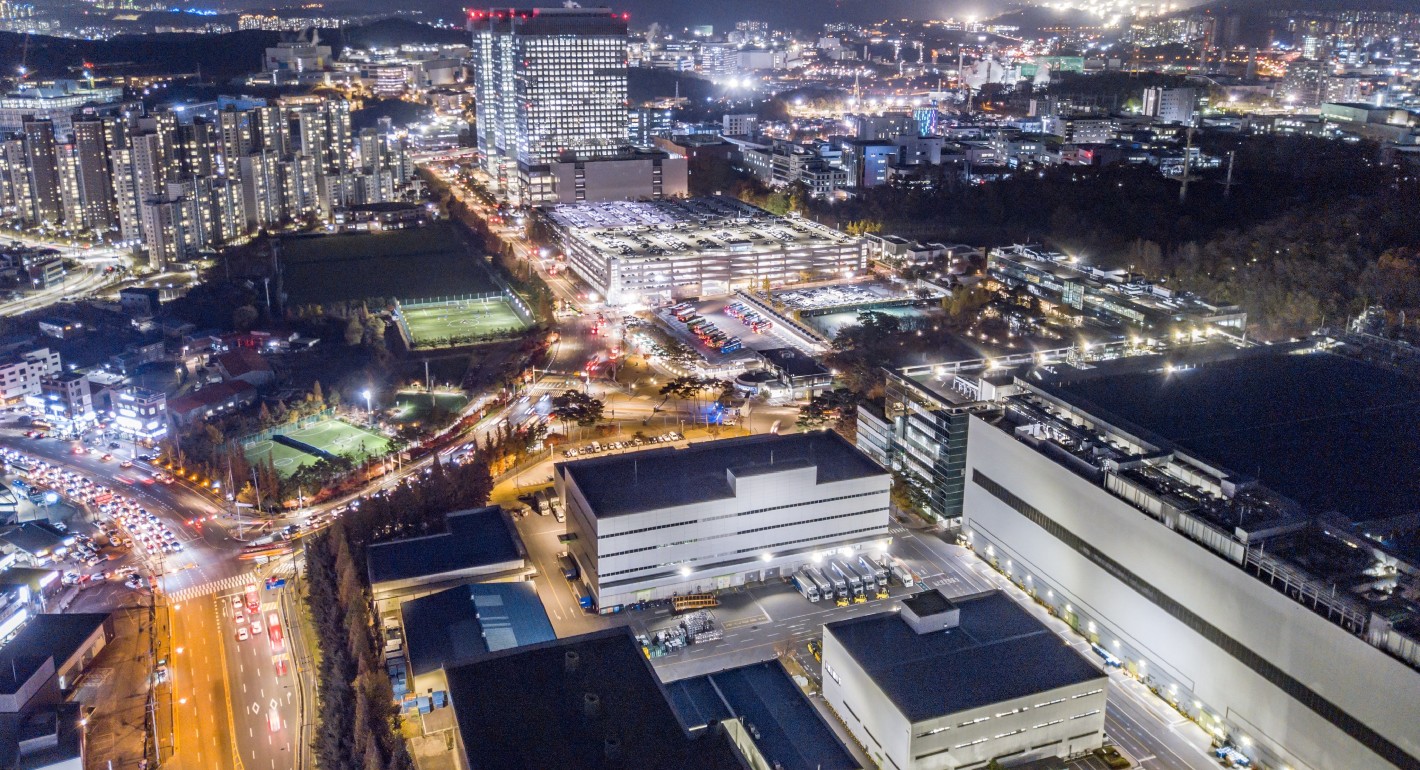
The conflict is exposing the deep energy vulnerabilities of Korea’s chip industry.


Darcie Draudt-Véjares, Tim Sahay
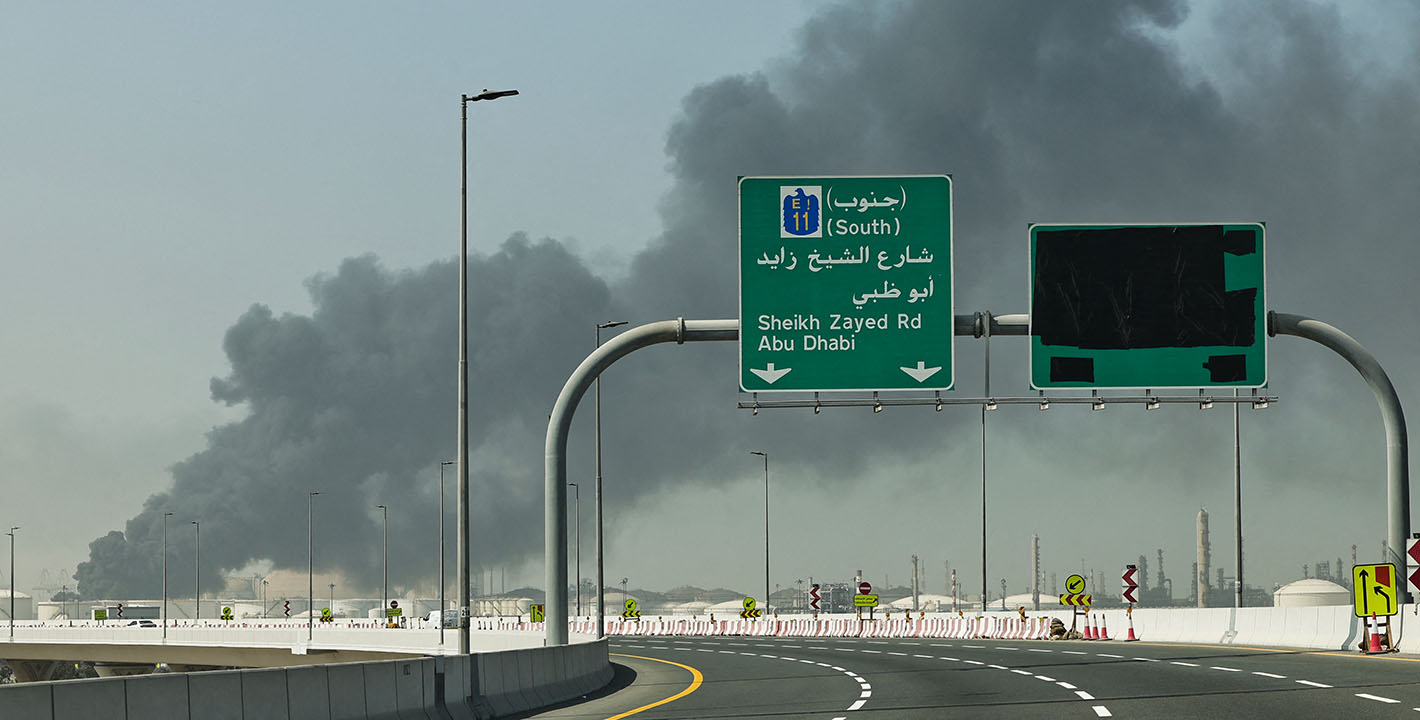
The countries in the region are managing the fallout from Iranian strikes in a paradoxical way.

Angie Omar
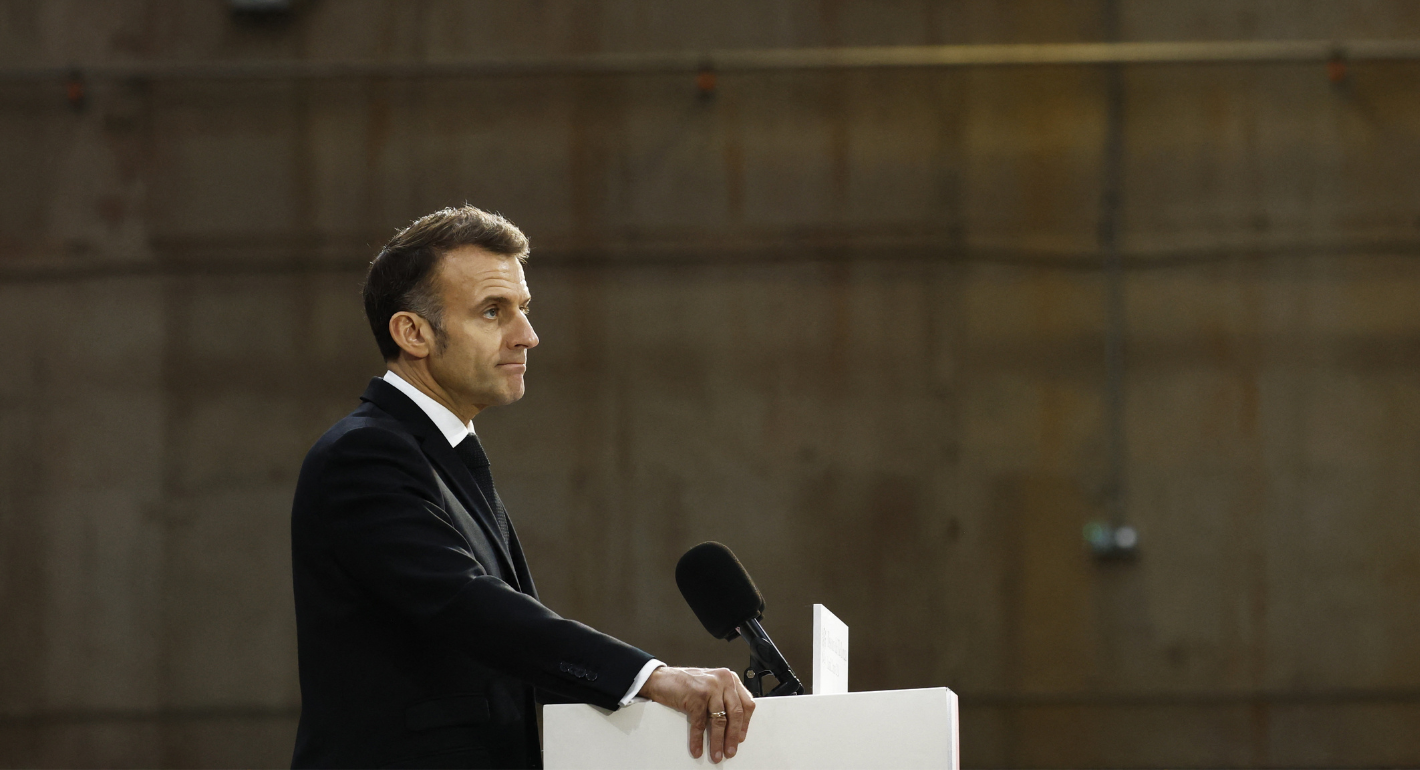
French President Emmanuel Macron has unveiled his country’s new nuclear doctrine. Are the changes he has made enough to reassure France’s European partners in the current geopolitical context?

Rym Momtaz, ed.
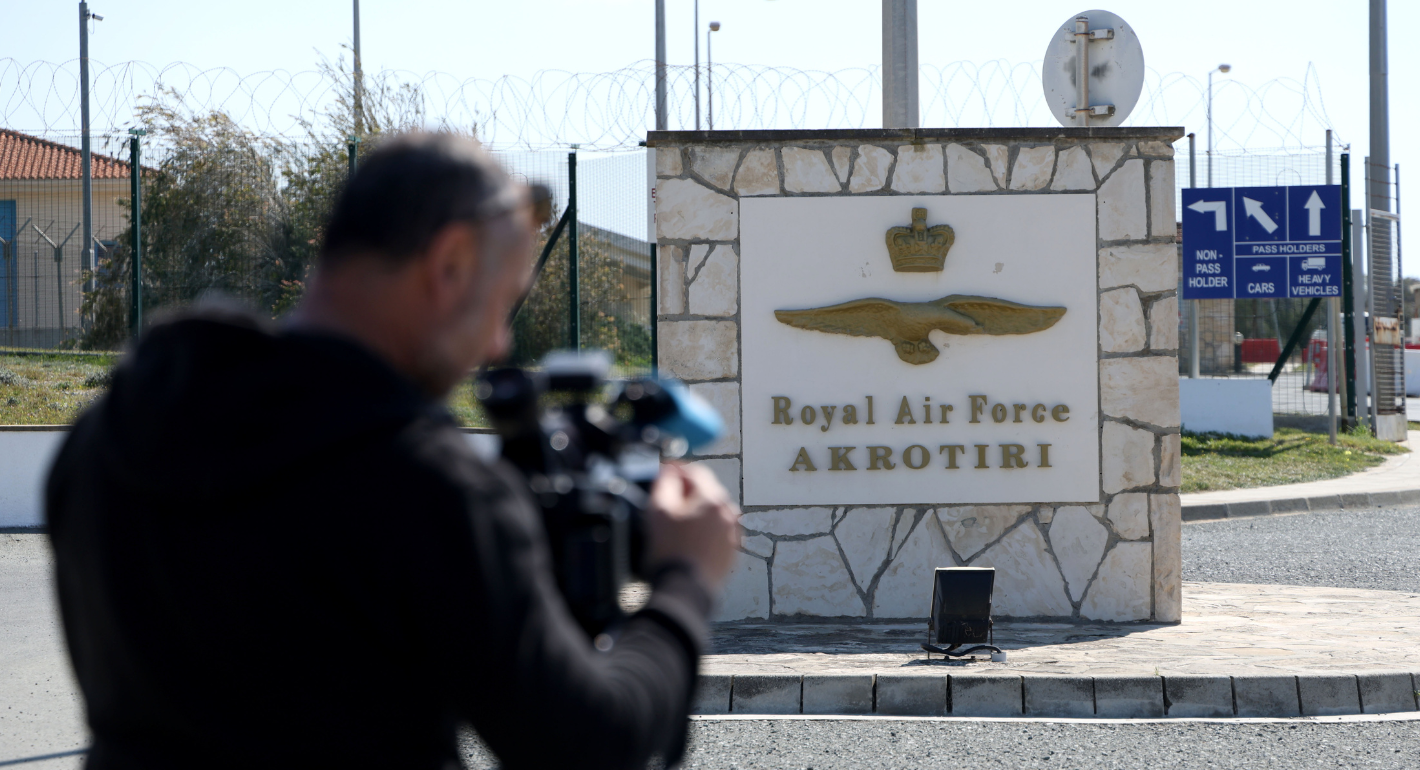
The drone strike on the British air base in Akrotiri brings Europe’s proximity to the conflict in Iran into sharp relief. In the fog of war, old tensions in the Eastern Mediterranean risk being reignited, and regional stakeholders must avoid escalation.

Marc Pierini

In an interview, Hassan Mneimneh discusses the ongoing conflict and the myriad miscalculations characterizing it.

Michael Young