

Commentary
H. A. Hellyer
{
  "authors": [
    "H. A. Hellyer"
  ],
  "type": "legacyinthemedia",
  "centerAffiliationAll": "dc",
  "centers": [
    "Carnegie Endowment for International Peace"
  ],
  "collections": [],
  "englishNewsletterAll": "menaTransitions",
  "nonEnglishNewsletterAll": "",
  "primaryCenter": "Carnegie Endowment for International Peace",
  "programAffiliation": "MEP",
  "programs": [
    "Middle East"
  ],
  "projects": [],
  "regions": [
    "North America",
    "United States",
    "Middle East",
    "East Asia"
  ],
  "topics": [
    "Political Reform",
    "Security",
    "Global Governance",
    "Technology"
  ]
}
Source: Getty
Terrorism, petty crime, and, even more broadly, conflict, will not simply disappear. We must take advantage of the relative lull in such activities to address how we can reduce the threat of violence to make citizens feel safe on the streets.
Source: National
Over the past few months due to the Covid-19 pandemic, one might be tempted to think that everything has slowed down, including the rate of crime. There had been no terrorist attacks in the UK during the coronavirus crisis. But the widely reported stabbing attack in Reading in the UK this week that killed three people is one more reminder that violence still needs to be tackled.
Terrorism, petty crime and even more broadly, conflict, will not simply disappear. We must take advantage of the relative lull in such activities to address how we can reduce the threat of violence to make citizens feel safe on the streets. If we do not take on these crucial issues, we have to be prepared to deal with the consequences.
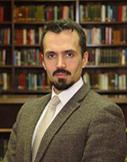
Former Nonresident Scholar, Middle East Program
Dr. H.A. Hellyer was a nonresident scholar at the Carnegie Endowment for International Peace. He serves as a senior associate fellow at the Royal United Services Institute for Defence and Security Studies in London, and as a Cambridge University fellow.
Recent Work
H. A. Hellyer
H. A. Hellyer
Carnegie does not take institutional positions on public policy issues; the views represented herein are those of the author(s) and do not necessarily reflect the views of Carnegie, its staff, or its trustees.

Despite its flop at the box office, the film raises important questions for the climate community to answer.
Leonardo Martinez-Diaz

Russian strikes are weakening the economy sustaining Ukraine’s war effort. Closing the growing funding gap will require more European support and politically contentious reforms in Kyiv.

Balázs Jarábik

In an interview, Rozina Ali discusses her new book on the rise and manifestations of Islamophobia in the United States.

Michael Young

While the EU and European governments are embracing the much-lauded middle-power moment, this entails three difficult conundrums.

Richard Youngs

Ex-president Gurbanguly Berdimuhamedov remains interested in politics, but his son Serdar, Turkmenistan’s current president, is becoming increasingly independent and willing to break with his father’s legacy. If their covert rivalry goes too far, both risk losing power.

Galiya Ibragimova