

Commentary
By fueling the arguments of both supporters and opponents of Armenian Prime Minister Nikol Pashinyan, Azerbaijan wants to ensure he is re-elected with a weaker mandate.
Bashir Kitachaev
{
  "authors": [
    "Kathryn Botto"
  ],
  "type": "other",
  "centerAffiliationAll": "dc",
  "centers": [
    "Carnegie Endowment for International Peace"
  ],
  "collections": [],
  "englishNewsletterAll": "asia",
  "nonEnglishNewsletterAll": "",
  "primaryCenter": "Carnegie Endowment for International Peace",
  "programAffiliation": "AP",
  "programs": [
    "Asia"
  ],
  "projects": [],
  "regions": [
    "East Asia",
    "South Korea"
  ],
  "topics": [
    "Political Reform",
    "Security",
    "Foreign Policy"
  ]
}
Source: Getty
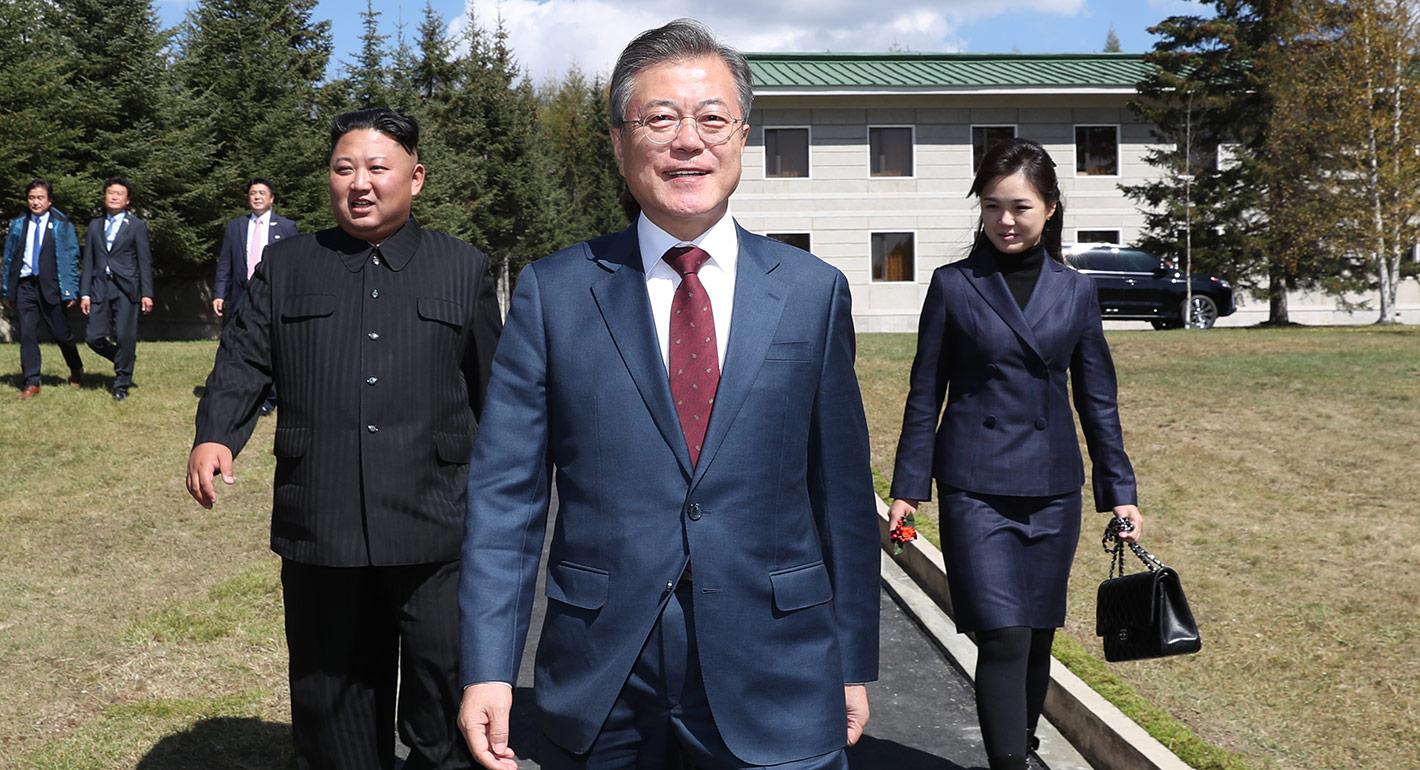
It is impossible to divorce the U.S.-South Korean alliance and inter-Korean issues, or to separate them from the overall context of international relations not only in Northeast Asia, but also in the global arena.
Source: Korea Economic Institute of America
While President Moon Jae-in has a calmer demeanor than his mentor and friend, former President Roh Moo-hyun, there can be no doubt that his vision for transforming Northeast Asia is as far-reaching. While Moon has been more careful to assuage the U.S. president, less abrasive in his language toward Japan, and more strategic in reaching out to leaders in China and Russia, his strategy of putting North Korea at the forefront of regional realignment has similar geopolitical ambition. The objective is the rejuvenation of a reintegrated peninsula with the capacity to steer actions by all of the great powers rather than falling prey again to their machinations that are not in Korea’s interest.
During his presidential election campaign, candidate Moon remarked of his life-long friend, Roh Moo-hyun: “If I take the office, I’ll tell him at his memorial service, ‘Now you rest in peace. I’ll realize your unachieved dreams.’” Though Moon served as a top aide in the Roh administration, he saw himself as ultimately returning to a career in law. But Roh’s tragic suicide galvanized Moon to enter electoral politics for the first time and win a seat in the National Assembly. It was fitting, then, that when Moon gave his first speech on his vision for inter-Korean relations at the Körber Foundation on July 6, 2017 he characterized himself as “inheriting” the engagement policy of his progressive predecessors Roh and Kim Dae-jung.
This article was originally published by the Korea Economic Institute of America.
Kathryn Botto
Former Senior Research Analyst, Asia Program
Kathryn Botto was a senior research analyst in the Asia Program at the Carnegie Endowment for International Peace. Her research focuses on Asian security issues, with particular emphasis on the Korean Peninsula and U.S. defense policy towards East Asia.
Carnegie does not take institutional positions on public policy issues; the views represented herein are those of the author(s) and do not necessarily reflect the views of Carnegie, its staff, or its trustees.
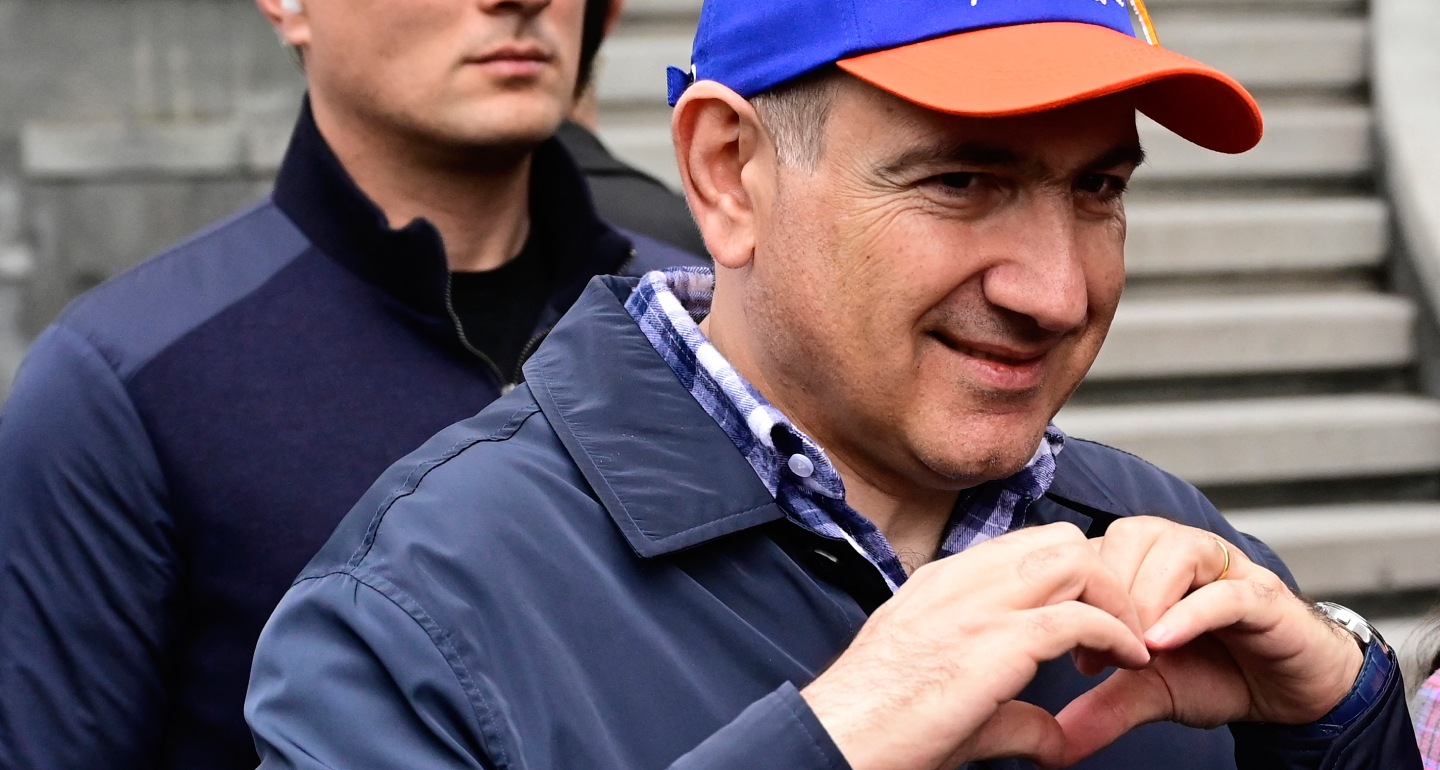
By fueling the arguments of both supporters and opponents of Armenian Prime Minister Nikol Pashinyan, Azerbaijan wants to ensure he is re-elected with a weaker mandate.

Bashir Kitachaev

A much-discussed disagreement over internet restrictions in Russia was never an existential threat for Putin: It was about elite groups protecting their interests.

Alexandra Prokopenko

This piece argues that India’s central challenge is not managing a single flashpoint but resolving the underlying tension between expansion and institutional coherency of the BRICS grouping.

Vrinda Sahai
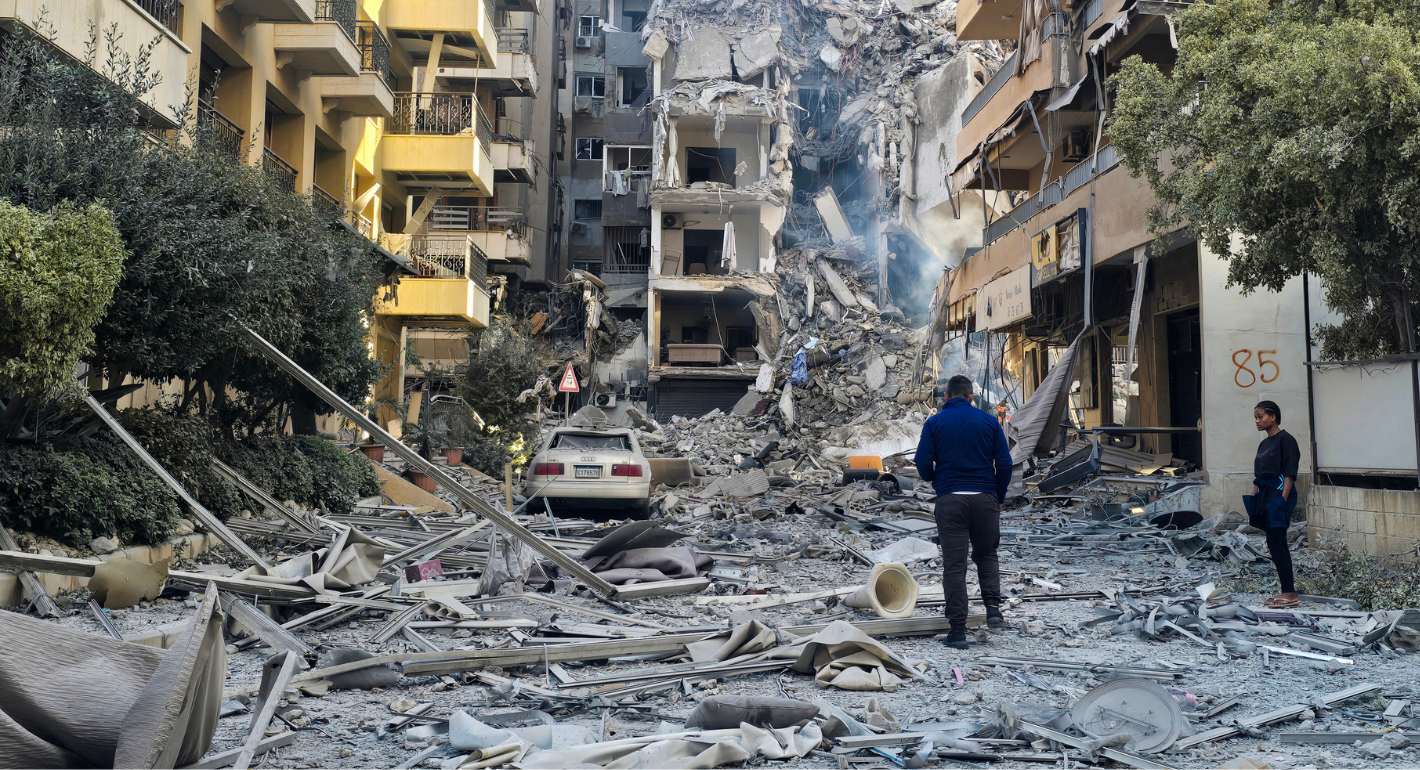
Europe seems to have accepted its sidelining in the Middle East. The EU must reassert its support for the international rules-based order and step up engagement.

Rym Momtaz
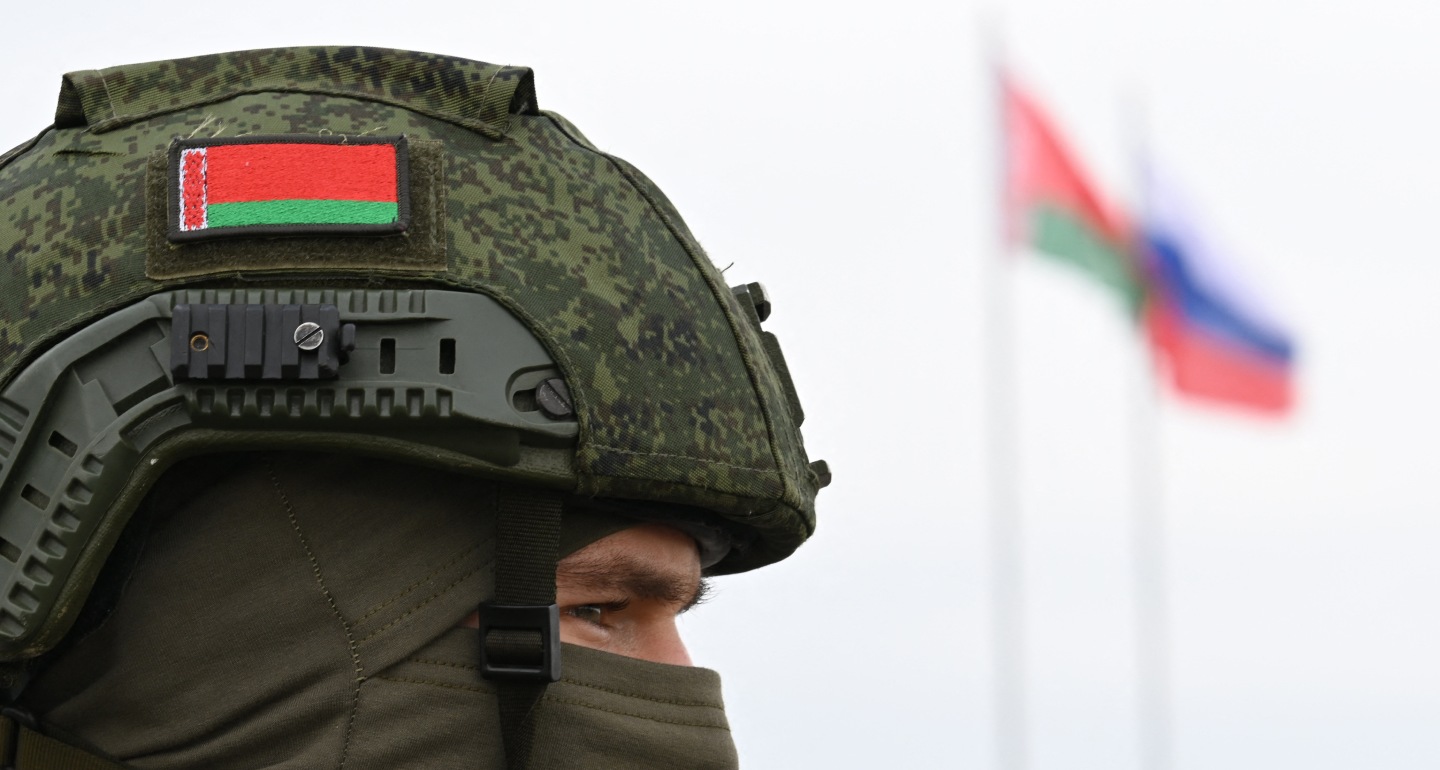
By reminding the world that Lukashenko is a threat to NATO and Ukraine, Kyiv is trying to return the focus to why the Belarusian regime needs to be contained rather than rewarded.

Artyom Shraibman