

Article
Frederic Grare
{
  "authors": [
    "Frederic Grare"
  ],
  "type": "legacyinthemedia",
  "centerAffiliationAll": "dc",
  "centers": [
    "Carnegie Endowment for International Peace"
  ],
  "collections": [],
  "englishNewsletterAll": "ctw",
  "nonEnglishNewsletterAll": "",
  "primaryCenter": "Carnegie Endowment for International Peace",
  "programAffiliation": "SAP",
  "programs": [
    "South Asia"
  ],
  "projects": [],
  "regions": [
    "South Asia",
    "Southeast Asia",
    "Western Europe"
  ],
  "topics": [
    "Foreign Policy"
  ]
}
Source: Getty
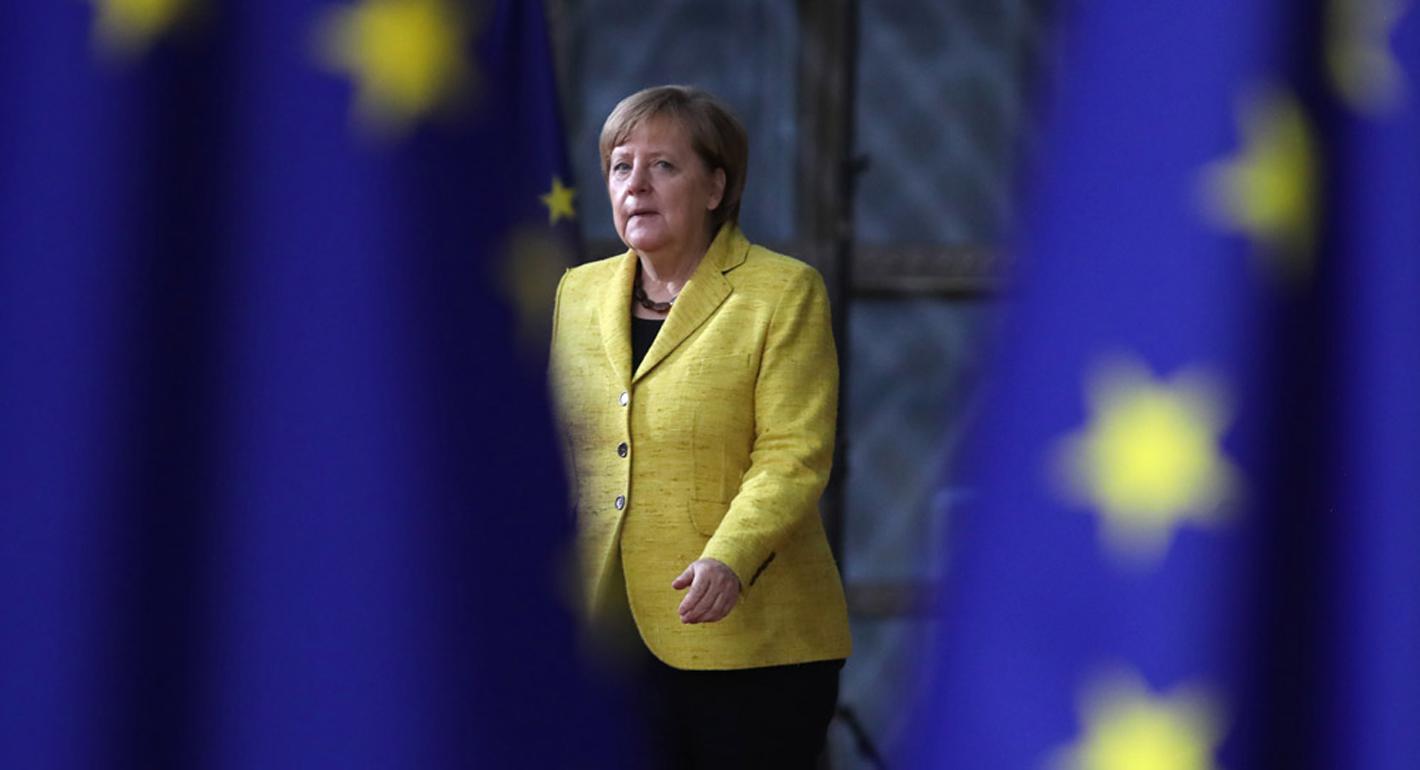
Germany is in a unique position to shape the EU’s approach to the Indo-Pacific.
Source: Internationale Politik Quarterly
On September 2, 2020, the German government released a document entitled “Policy guidelines for the Indo-Pacific region. Germany—Europe—Asia: shaping the 21st century together,” in which the country for the first time officially endorsed the concept of the “Indo-Pacific.” Coming after months of inter-ministerial dialogue during which the German government appeared reluctant to even use term “Indo-Pacific,” the publication signaled a change in the country’s approach to the issue and attracted significant international attention and comments. The document was welcomed by Germany’s Asian partners, such as India and Japan, but also by France, which was the first European country to publish an Indo-Pacific strategy, back in 2018, and has been trying ever since to convince its European partners to endorse the concept.
Questions arose, however, regarding not only the motivation but also the depth and significance of the policy change. Some have blamed Germany for publishing a document that they perceive as excessively cautious vis-à-vis China, while Beijing in turn has blamed Germany for making such a politically significant move. It can be argued, however, that the value of the German document should be seen less in terms of its content than in its very existence. Furthermore, the circumstances of its publication are important, given the fact that, in part due to the COVID-19 pandemic, most EU member states are increasingly skeptical about China’s intentions and question the evolution of their relationship with Beijing but are yet undecided as to what direction that should now take. Substantively, the German’s policy guidelines are cautious enough to reassure Berlin’s European partners and for the same reason constitute a powerful instrument to mobilize them behind a unified European Indo-Pacific strategy. Indeed, Germany’s public stance will likely impact the EU’s position, Brussels having so far refused to endorse the concept. It should however be careful not to do so at the expense of a potential EU strategy....
This article was originally published in Internationale Politik Quarterly.
Former Nonresident Senior Fellow, South Asia Program
Frédéric Grare was a nonresident senior fellow at the Carnegie Endowment for International Peace, where his research focuses on Indo-Pacific dynamics, the search for a security architecture, and South Asia Security issues.
Recent Work
Frederic Grare
Frederic Grare
Carnegie does not take institutional positions on public policy issues; the views represented herein are those of the author(s) and do not necessarily reflect the views of Carnegie, its staff, or its trustees.

Despite public disputes over trade and immigration, the strategic partnership’s foundations remain sturdy.

Sameer Lalwani

With its public finances in shambles, the far right polling at 35 percent ahead of the 2027 presidential election, and a growing protest movement, is France’s crisis a threat to the EU’s geopolitical awakening?

Rym Momtaz, ed.

Ahead of a tough winter for Ukraine, Donald Trump’s swing back toward Russia bodes ill. But instead of panicking, Kyiv’s European allies are focusing on action.
Rym Momtaz

Without a ceasefire with Ukraine on attacking each other’s energy infrastructure—to which the Kremlin is unlikely to agree—the diesel agreement between Putin and Trump is largely for show, rather than representing a genuine increase in the volumes of Russian diesel on the global market.

Sergey Vakulenko

Funding Ukraine remains a priority for European leaders. As Russia’s war of aggression heads into another winter, two feasible options to mobilize support for Kyiv should be fast-tracked.


Vladyslav Rashkovan, Gregory P. Wilson