

Research
- +6
Yasmine Farouk, Nathan J. Brown, Maysaa Shuja Al-Deen, …
{
  "authors": [
    "Anouar Boukhars"
  ],
  "type": "other",
  "centerAffiliationAll": "dc",
  "centers": [
    "Carnegie Endowment for International Peace"
  ],
  "collections": [],
  "englishNewsletterAll": "menaTransitions",
  "nonEnglishNewsletterAll": "",
  "primaryCenter": "Carnegie Endowment for International Peace",
  "programAffiliation": "MEP",
  "programs": [
    "Middle East"
  ],
  "projects": [],
  "regions": [
    "North Africa",
    "Southern, Eastern, and Western Africa"
  ],
  "topics": [
    "Security"
  ]
}
Source: Getty
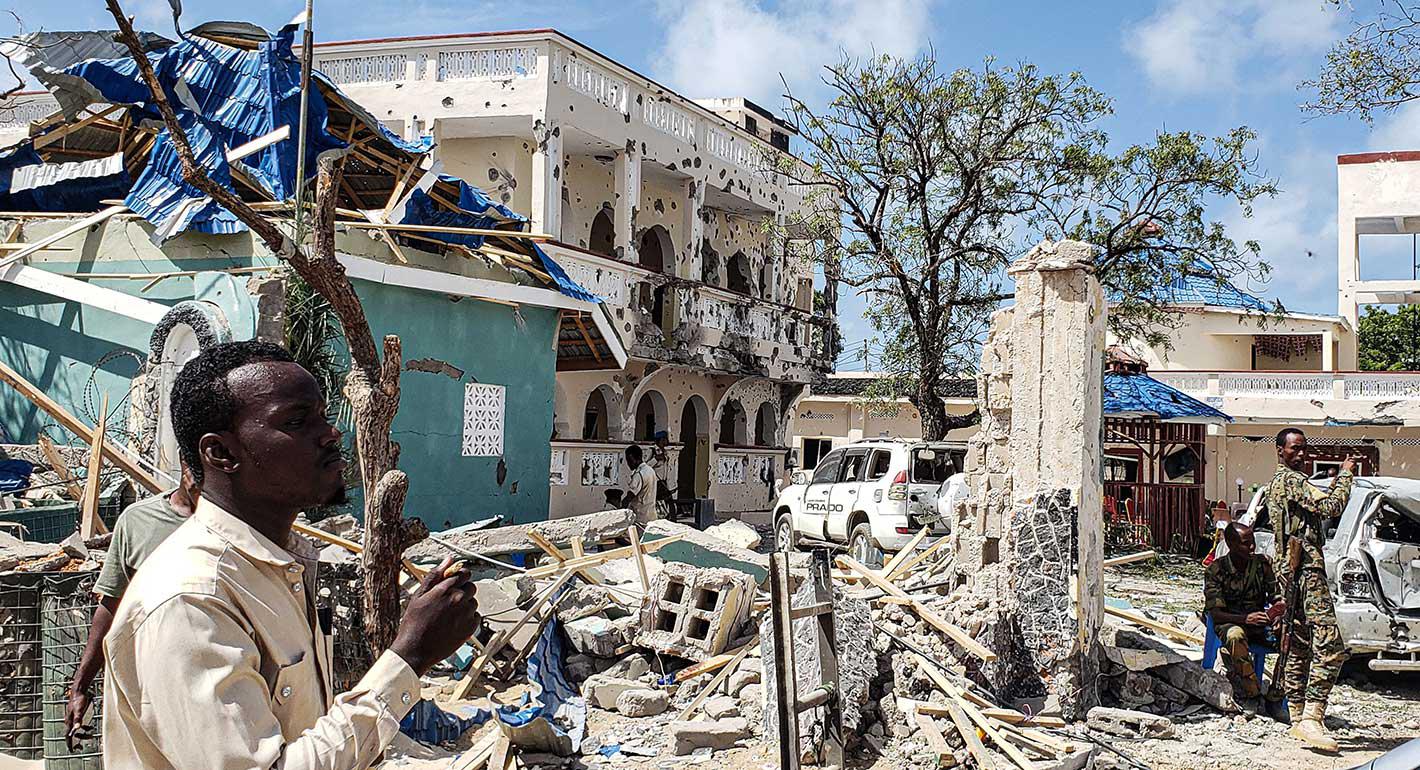
Existing studies help explain how extremist insurgencies erupt and evolve, and why some countries are more affected than others. But there are still notable gaps in understanding the choices, tactics, and strategies of violent extremist groups.
Source: Perspectives on Terrorism
What factors explain the great variation in the target selection of VE groups in Africa? Some tend to focus their attacks mostly on official targets while others show a relative preference for civilians. Most, however, tend to typically change their target selection over time. This article demonstrates that the logic of violence in Africa’s fragile, conflict-prone states is driven by four factors: (1) The degree to which VE groups rely on local support to maintain the insurgency; (2) the dynamics of in-group/out-group differentiation and corresponding hostility; (3) inter-group rivalry and looming power shifts; and (4) the strategies of counterinsurgency employed by governments.
This article was originally published in Perspectives on Terrorism.
Former Nonresident Fellow, Middle East Program
Boukhars was a nonresident fellow in Carnegie’s Middle East Program. He is a professor of countering violent extremism and counter-terrorism at the Africa Center for Strategic Studies, National Defense University.
Recent Work



Yasmine Farouk, Nathan J. Brown, Maysaa Shuja Al-Deen, …

Frederic Wehrey, Nathan J. Brown, Bader Al-Saif, …
Carnegie does not take institutional positions on public policy issues; the views represented herein are those of the author(s) and do not necessarily reflect the views of Carnegie, its staff, or its trustees.

Russian strikes are weakening the economy sustaining Ukraine’s war effort. Closing the growing funding gap will require more European support and politically contentious reforms in Kyiv.

Balázs Jarábik

Europe is facing rising populism internally as well as external pressures from Russia, China, Turkey, and the United States.

Dimitar Bechev
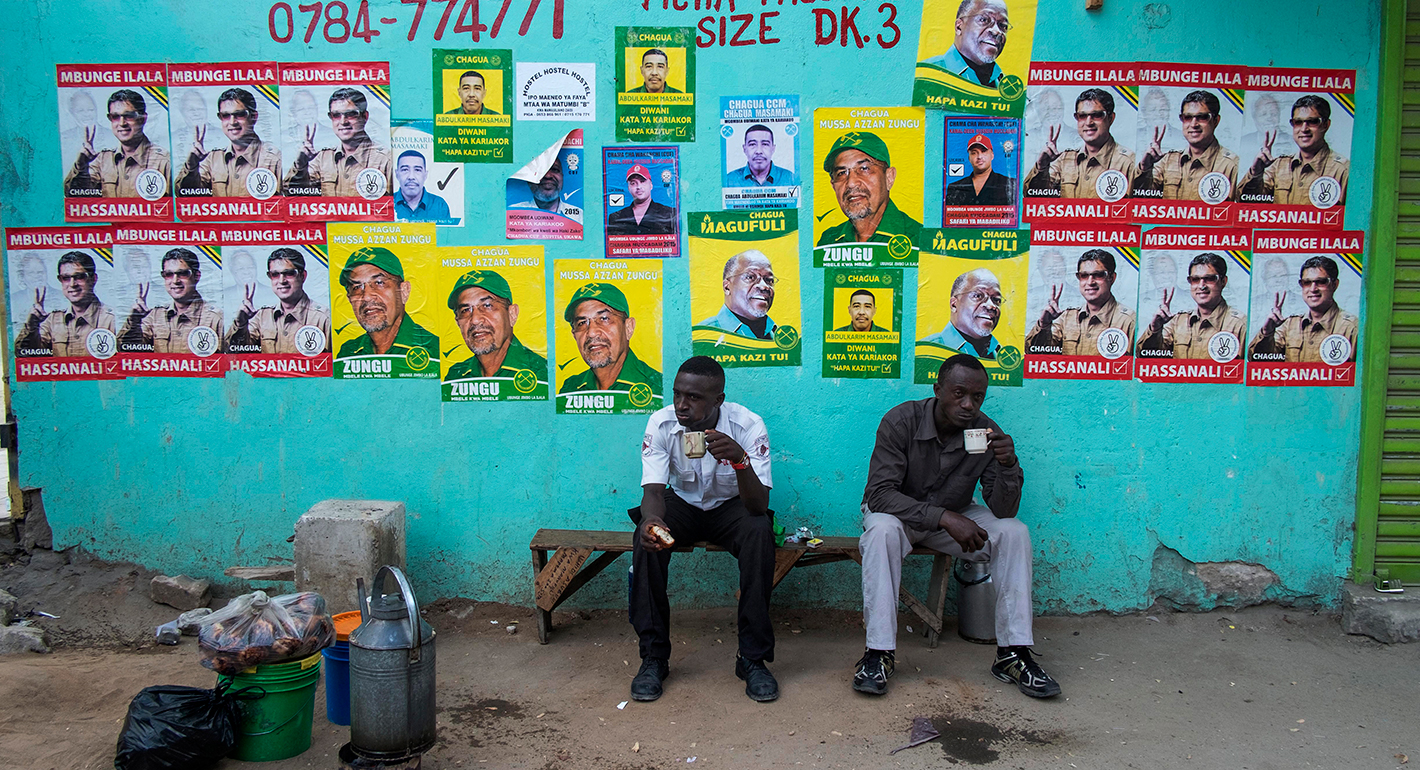
Today’s global democratic recession is partly rooted in a common perception that democracies have a delivery problem, with many citizens in both autocracies and democracies alike now believing that strongmen can achieve better governance outcomes. But a study of four countries in Africa reveals that democratic-leaning governments have demonstrated better governance performance than autocratic governments.


Sarah Yerkes, Natalie Triche, Amr Hamzawy
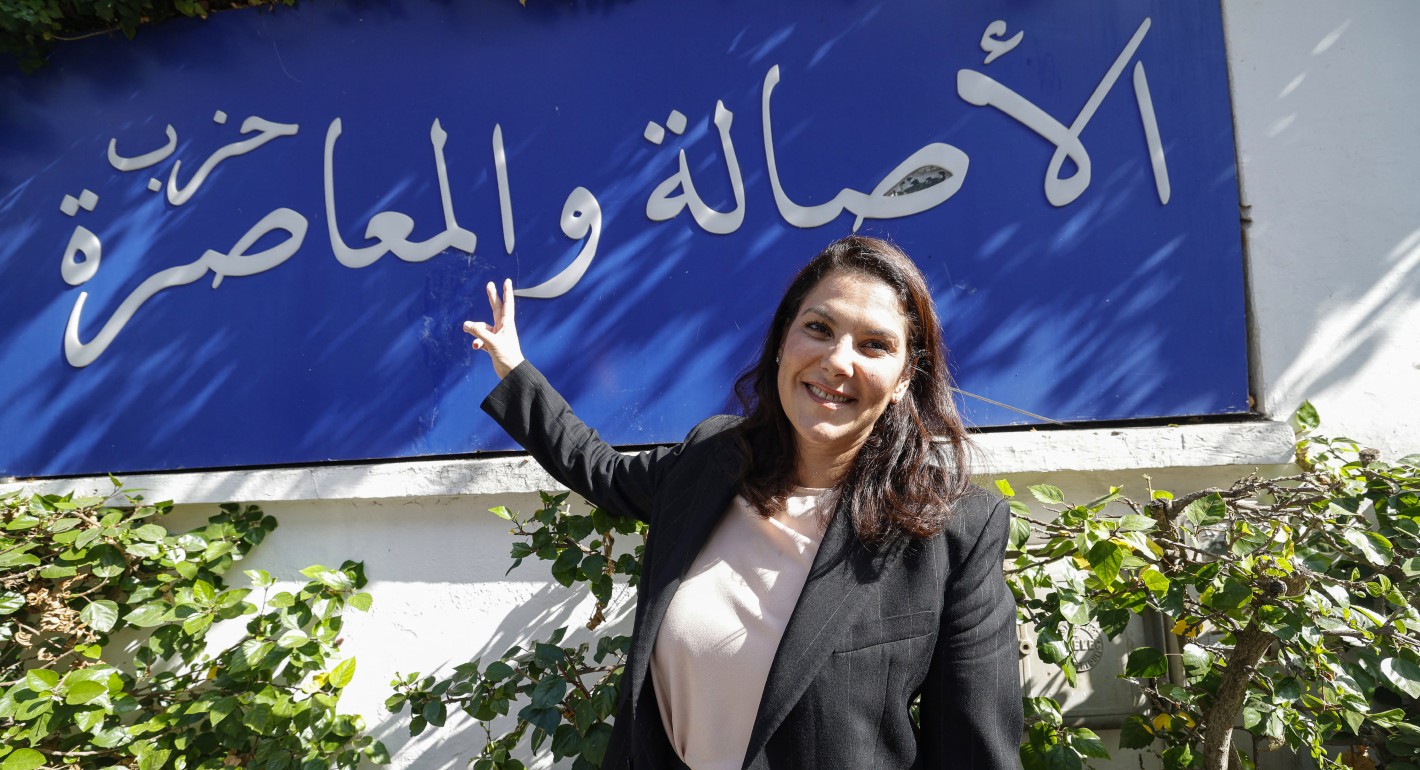
Fatima El Mansouri is the country’s first female prime minister. She’s also a privileged insider in a largely ceremonial position.
Sarah Yerkes

The Horn of Africa countries are among those facing a new security calculus.


Andrew Leber, Lesley Anne Warner