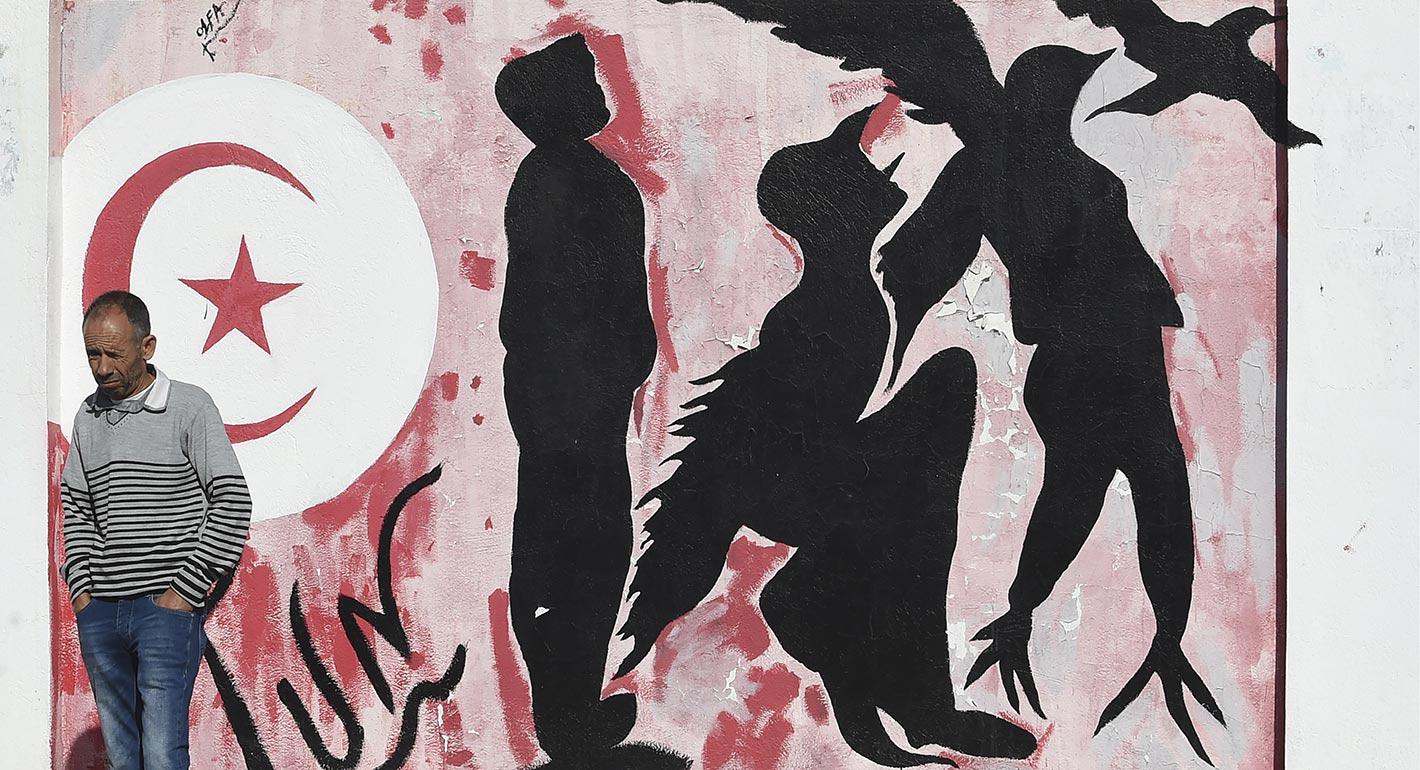
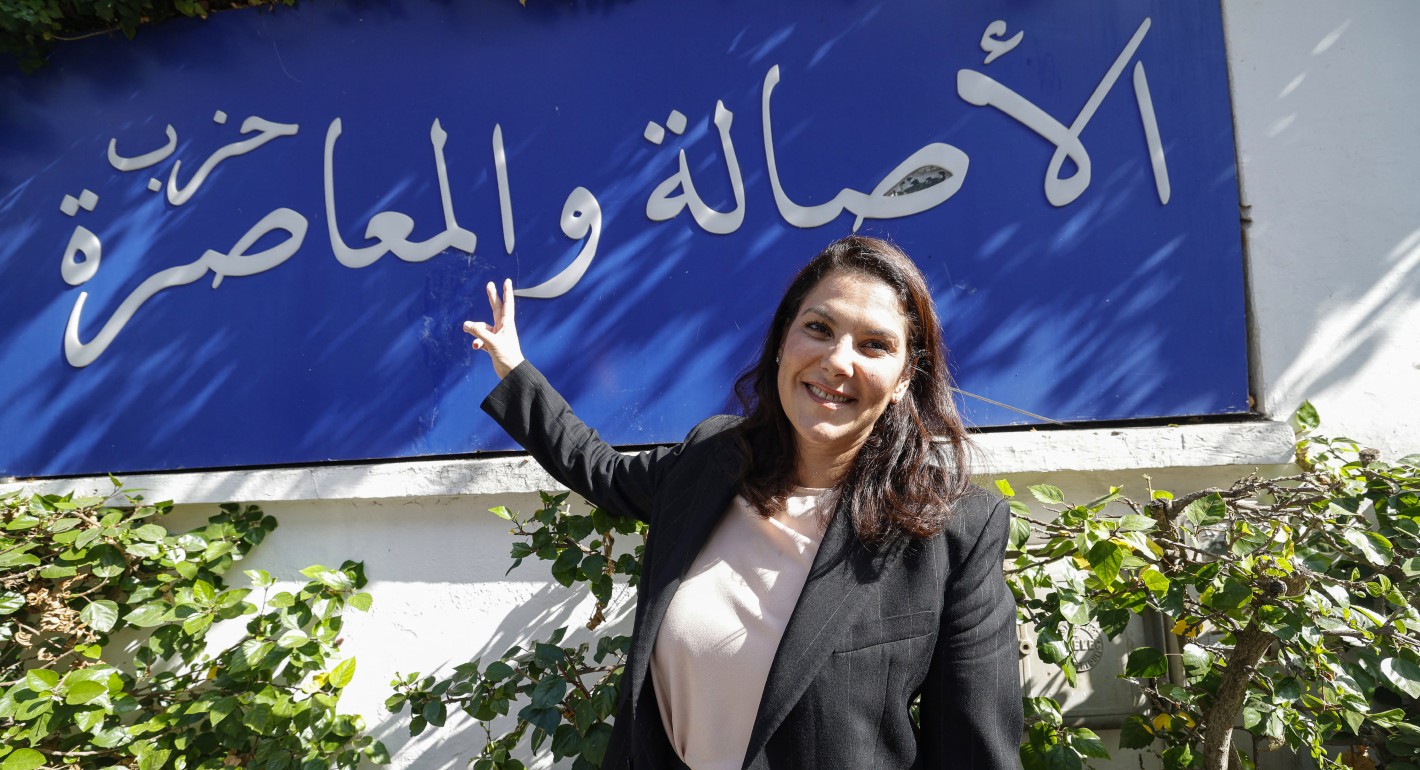
On the eve of the tenth anniversary of the 2011 Tunisian uprisings that toppled a twenty-three-year dictatorship and ignited the Arab Spring, the revolution’s balance sheet is still being debated. We asked twenty-three Tunisians from different regions and backgrounds to reflect on the successes and failures of the last decade and to describe the steps needed to move Tunisia forward. Their answers varied, and many stressed that ten years is a short time to assess the impact of a revolution. However, most agreed that the popular revolts achieved three main outcomes. First, they led to the rewriting of the constitution. Second, they allowed for free speech and open criticism of those in power. Third, they paved the way for peaceful and democratic transitions—though many believe that Tunisia remains a procedural democracy that has yet to fully sever ties to the old regime. The revolution’s greatest achievement is perhaps that Tunisians discovered the power of their collective voice to depose dictators and bring about concrete political change.
Although the tenth anniversary of president Ben Ali’s removal is certainly cause for pride and celebration, most people are not celebrating. From many Tunisians’ perspective, particularly those who protested on the streets in 2010–2011, the revolution did not achieve its goals. In 2019, as the country elected new leaders and the economy finally showed signs of improvement—such as positive GDP growth, lessening inflation, and a recovery of the tourism sector hurt by the 2014 terror attacks—there was revived hope about Tunisia’s future. But the initial burst of optimism has retreated into staunch pessimism due, in large part, to the incredible economic pain brought on by austerity and exacerbated by the coronavirus pandemic. According to a September 2020 poll by the International Republican Institute (IRI), 87 percent of Tunisians believe their country is headed in the wrong direction, compared to 67 percent in December 2019.
Today, while significant political progress has been achieved, many Tunisians are frustrated by the lack of economic headway—particularly the failure of the government to address soaring unemployment and lingering corruption. This sluggish progress is not only painful for Tunisians who have experienced ongoing personal economic hardship over the past decade but also dangerous to the democratic transition, as it has bred nostalgia for the Ben Ali era. As several people explained, some Tunisians look back fondly at the dictatorship as a time of lower unemployment and poverty, blindly ignoring the massive corruption and human rights abuses perpetrated by the Ben Ali regime.
There is also significant frustration over the inability and unwillingness of the elected government to root out corruption. President Kais Saied was elected on an anticorruption platform, and he, along with Prime Minister Hichem Mechichi, has taken some steps at rooting out high-level corruption. But many Tunisians express anger over the continuing lack of transparency in the country and are infuriated by the high economic cost of corruption.
Another troubling sign is the constant government turnover, which makes it impossible for the government to tackle challenging but necessary economic reforms. The last government, under prime minister Elyes Fakhfakh, lasted only five months. The current government, under Mechichi, is likely to go through a cabinet reshuffle in the coming weeks, which could make this one of the shortest-lasting governments in the country’s history. A combination of party tourism (politicians jumping from one party to another), personality-driven politics, and the revolving door of cabinet ministers has led to significant public mistrust of government.
Taking the Transition Into the Next Decade
Moving the transition forward into its second decade requires, foremost, rebuilding public trust by incorporating the voices of the people into decisionmaking. Saied announced at the end of 2020 that he will initiate a national dialogue “to correct the revolution that has deviated from its goals a decade after its outbreak.” National dialogues have a history of success in Tunisia—the most prominent example being the process initiated by the Quartet of civil society leaders that netted them the Nobel Peace Prize in 2015 and helped keep the transition on track following a dangerous and difficult period in 2013. While there are few public details, the idea, proposed by the Tunisian General Labor Union (UGTT), would address various goals of the revolution that have yet to be achieved, including social justice, lower unemployment, and regional equality. Saied intends to include youth from every governorate in the dialogue as well as civil society actors, providing citizens a forum to be heard by their leaders.
Additionally, Tunisians we spoke to want their government to prioritize anticorruption efforts at all levels and in all parts of society. This would entail both going after the big offenders but also addressing petty corruption at the societal level. In the September 2020 IRI survey, 78 percent of Tunisians said that corruption has had a negative impact on their lives. This is a problem that affects every strata of society and is a widespread impediment to economic growth and stability. Tunisian leaders should continue to publicly punish those engaged in massive fraud and personal enrichment at the expense of the public. But they must also work to dramatically increase government transparency and to change the norms around petty corruption. Both government and civil society should work together to develop a culture of zero tolerance for nepotism within public institutions, as well as for bribery in the police, hospitals, schools, and other arenas.
As Tunisians reflect on the last ten years, there is certainly cause for optimism. The very fact that people can freely and publicly express their criticism of the government without fear of harm or retribution is a dramatic achievement and one that has become so ingrained in Tunisian public life that it is often taken for granted. But there are also many reasons to be concerned about Tunisia’s future—from the worsening economic situation facing many individuals and families to the weak institutions and political parties whose leaders have shifted the tenor of dialogue from pluralism to polarization.
Tunisia faces the dawn of the next decade of its transition with great challenges and tremendous opportunities. It will be up to the Tunisian people, who ten years ago took on an even greater challenge of bringing about a revolution, to rise once again to the occasion and ensure the success of Tunisia’s democratic transition.
The authors are grateful to Global Affairs Canada for its support for this work.