Any projections about Ukraine’s postwar politics should start with the recognition that Russia’s ongoing war has taken the country into unknown territory. It is possible to say that the war’s scope and scale have had a social impact in Ukraine that can be compared only to that of a revolution. The war has dismantled the old social contract between the ruling elites and the people. Moreover, it has reshaped, if not redefined, the fundamentals of Ukrainian statehood. The war revealed the central role of civil society (including volunteer movements, grassroots mobilization, independent media, and influencers), exposed the strengths and weaknesses of state institutions and the legal system, and forced the Armed Forces and security services to adapt rapidly. However, to borrow Alexis de Tocqueville’s phrase, no matter how profound the revolution, the new order inherits important traits and patterns of the old one.
The Long Shadow of Corruption
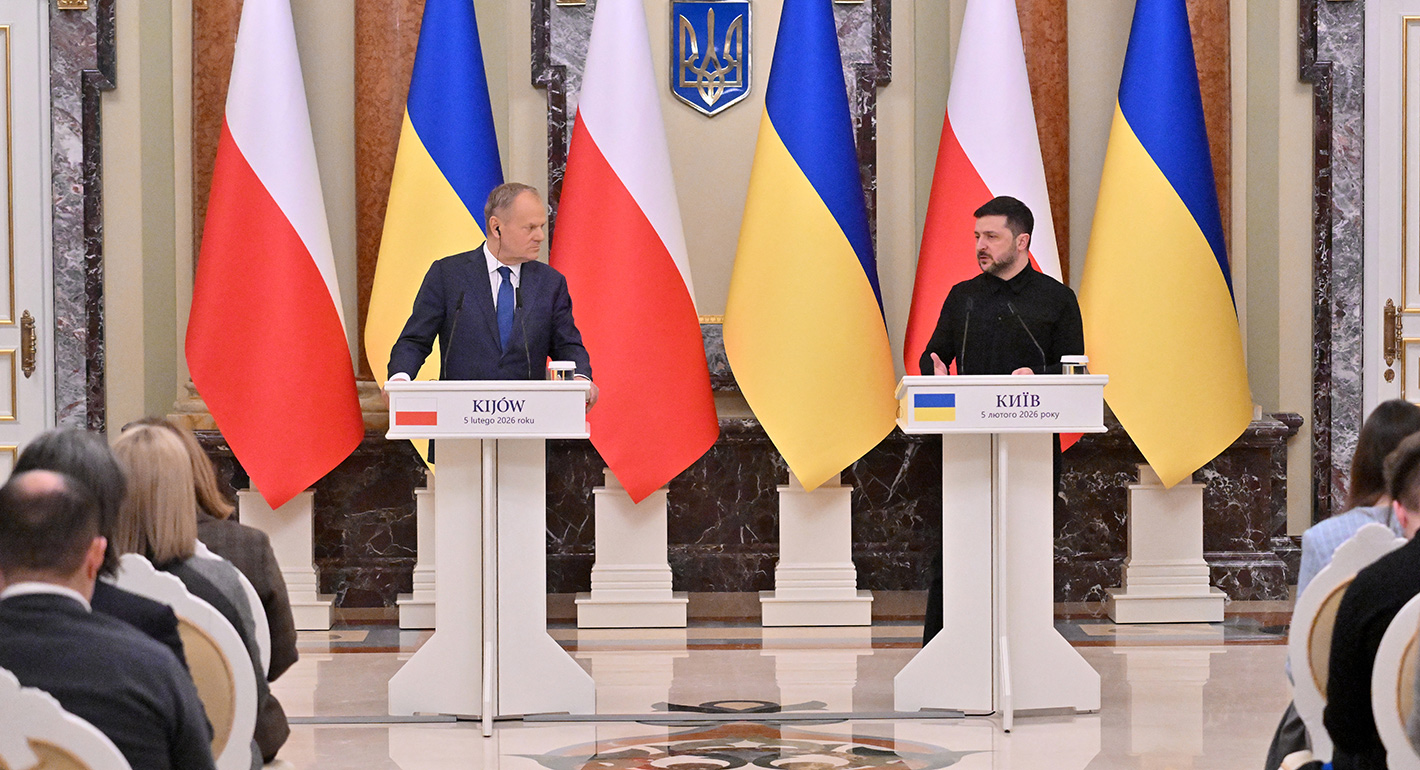
Populism and corruption have been formidable impediments to the economic and political development of independent Ukraine. In November 2020, the editorial board of the Financial Times opined on the constitutional and legal challenges facing President Volodymyr Zelensky in achieving his stated goal of dismantling the oligarchic state capture that had characterized Ukraine’s political and economic system since independence in 1991. It expressed concerns that Zelensky, whom it called “a textbook populist,” wanted to avoid an uphill struggle in tackling the roots of the problem, instead preferring quick solutions that enjoyed broad public approval.
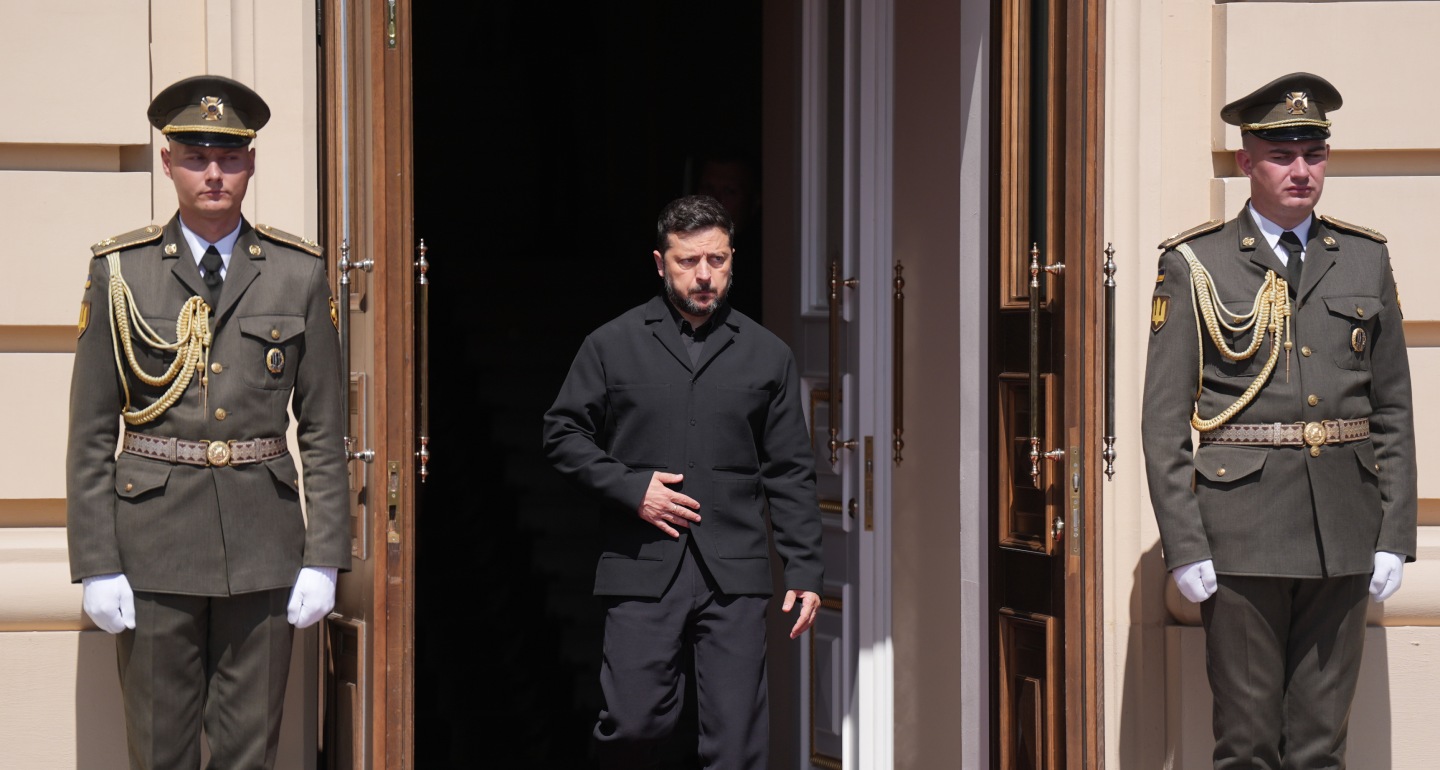
After Zelensky was elected in 2019, he succeeded in converting his wide popular support into unprecedented control of the legislative and executive branches of government. During the first eighteen months of his presidency, terms such as “turbo regime” and “deoligarchization” reflected his almost unlimited power and the steamroller-like process he used to push new laws through parliament. He and his allies argued this was necessary to “reset” the political system and rid the country of entrenched oligarchic influence and high-level corruption.
However, it soon became apparent that members of Zelensky’s entourage had taken over the existing schemes of illegal personal enrichment, even after the start of the full-scale Russian invasion in 2022. Since then, key figures of the executive have been investigated for corruption, including: the head of the Office of the President Andriy Yermak; three of his deputies (Oleg Tatarov, Rostyslav Shurma, and Kyrylo Tymoshenko); deputy prime minister Oleksii Chernyshov; former minister of defense and Secretary of the National Security and Defense Council Rustem Umerov; minister of justice and of energy Herman Halushchenko; and head of the State Property Fund of Ukraine, Dmytro Sennychenko. Some of the figures who faced charges—including Shurma, Sennychenko, and Timur Mindich, a businessman and the president’s close friend—left the country days or hours before arrest warrants were issued, which infuriated the public because it showed that powerful figures could violate strict wartime border controls and had access to privileged information about investigations.
In addition, as of December 2025, fifteen members of parliament from Zelensky’s Servant of the People party were being investigated for corruption, with some facing accusations of buying the votes of their colleagues. In January 2026, former prime minister Yuliya Tymoshenko, who leads a parliamentary faction that has aligned itself with Servant of the People, was caught red-handed by the National Anticorruption Bureau as she offered bribes to secure the votes of fellow members of parliament.
Already in 2023, one of the authors warned that Ukraine was backsliding in its fight against corruption and that the public would blame Zelensky and the government if the issue was not addressed. In a public opinion poll that year, 78 percent of respondents said that Zelensky was directly responsible for fighting corruption in the government and the military. Even though Ukrainians saw him as a national symbol of resistance against Russia, the implications of high-level corruption scandals were clear at the time: Unless the president took action against accused top members of his administration, perceptions of impunity risked undermining trust in him and damaging society’s cohesion and will to resist the invasion.
The situation has grown worse since then. In a September 2025 poll, 71 percent of respondents—including 62 percent of those who said they trusted Zelensky—said that corruption had increased during the full-scale invasion. In an April 2026 poll, 54 percent of respondents said that corruption was a greater threat than military aggression, compared to only 39 percent who said the opposite.
These figures suggest that most Ukrainians see high-level corruption as a form of state treason and a threat to statehood. There is strong evidence that Zelensky, earlier in his presidency, was sensitive to such public attitudes; in 2023, for example, he publicly expressed a positive opinion about amending legislation to make the punishment for high-level corruption equivalent to that of state treason, which is a life sentence in most cases.
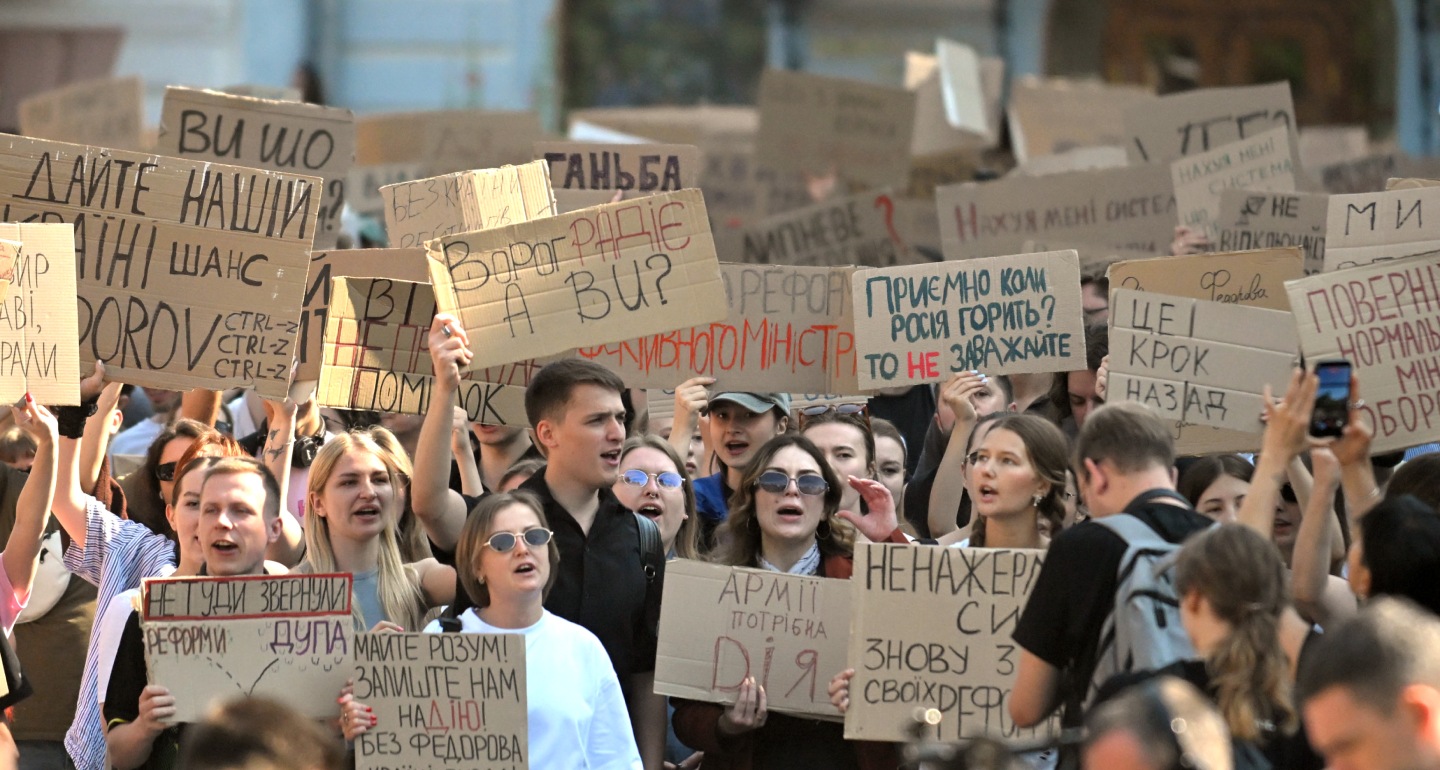
However, by 2025 popular outrage over corruption had turned against Zelensky. The clearest evidence of public anger about high-level corruption was the “cardboard Maidan” in July 2025—the wave of peaceful student protests against Zelensky’s moves to curtail the powers and reduce the independence of anticorruption institutions in order to shield his allies from criminal investigation, including his longtime friend Mindich. It was a powerful reminder of the mass protests in 2004 and 2014 and showed that Ukrainians were willing to defy martial law, which limits the constitutional right of peaceful assembly, in order to pressure the president on corruption.
Decentralized Resilience
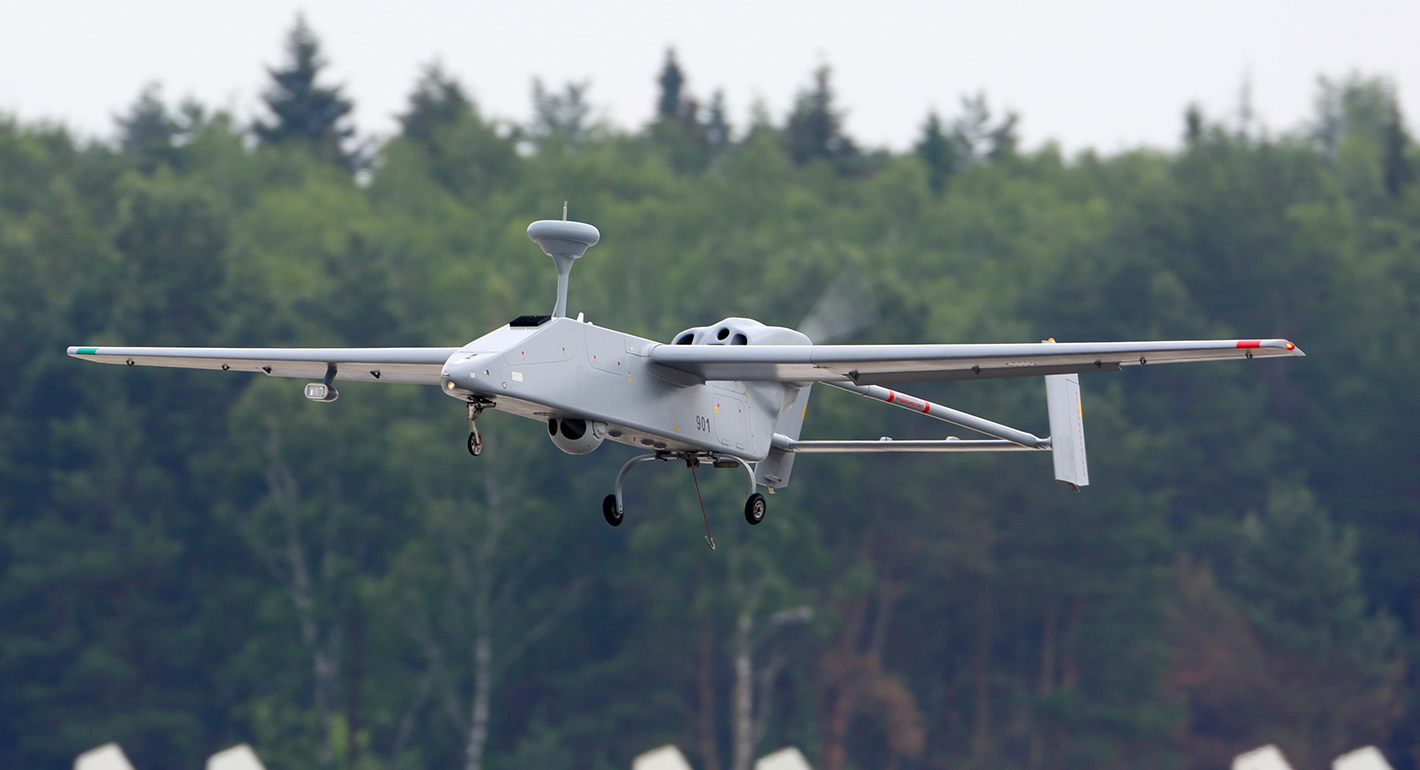
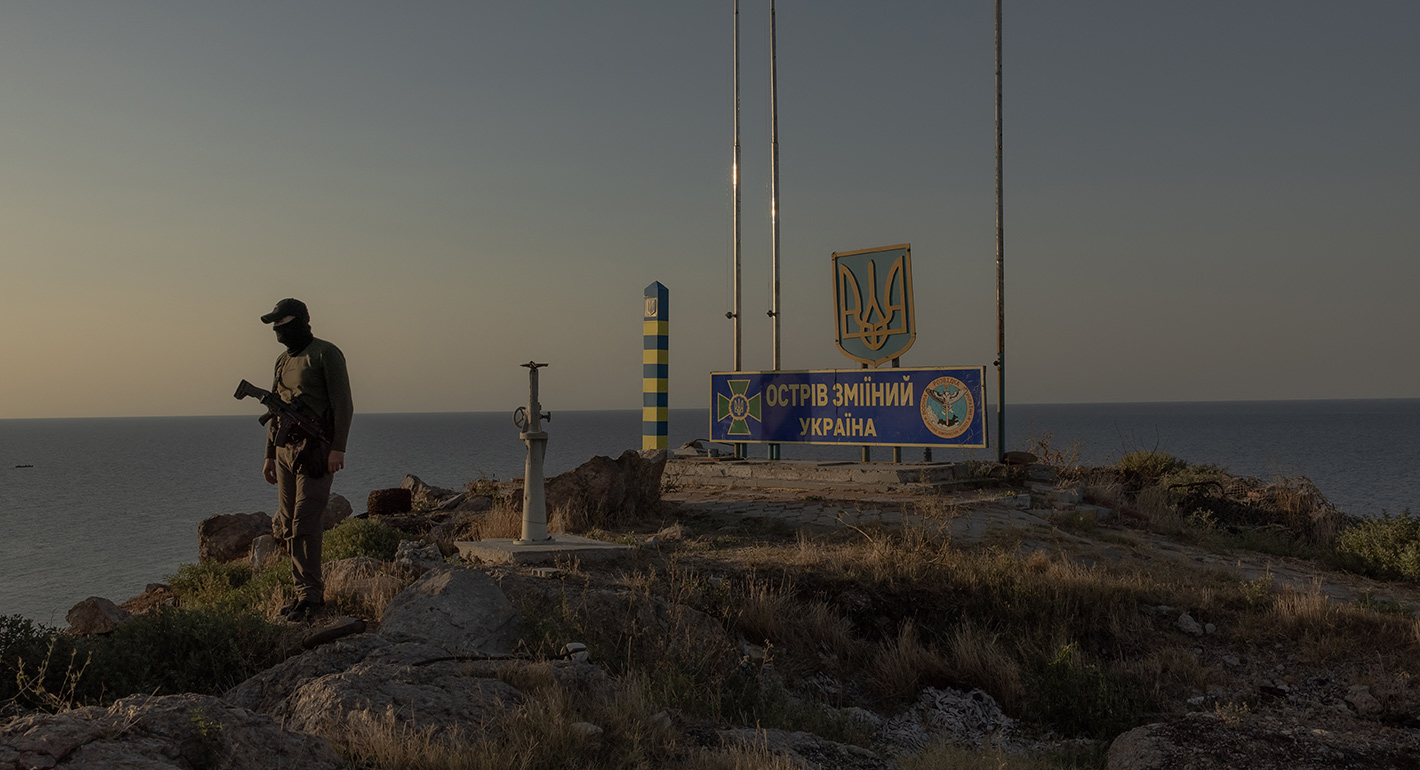
Amid the invasion and malfunctioning state institutions, powerful civic activism, modern entrepreneurship, and the experience of decades of those who studied in the West went a long way toward enabling the national struggle for survival. Ukrainians’ long tradition of solving problems in a decentralized manner when the central government was unwilling or unable proved critical to the country’s resilience. Mayors and volunteers independently built ties with military units and used their resources to procure necessary lethal and nonlethal equipment needed on the front. Nongovernmental charity foundations like the Serhiy Prytula Foundation, the Come Back Alive Foundation, and the Sternenko Community led the way in providing millions of strike and reconnaissance drones, interceptor drones, electronic warfare systems, and access to commercial satellite imagery. These grassroots initiatives more than supplemented the state’s resource-constrained and bureaucratically burdened efforts.
Moreover, the agility and adaptability of the defense forces were key factors that allowed Ukraine to survive in the initial phases of the full-scale war. This was the result of decentralized and self-organized networks of cooperation across broader sections of society. Just like community leaders and civic volunteers, the Army and National Guard brigades that turned out to be the most effective did not wait for plans to be introduced from the top. Rather, they independently established their own unmanned systems units, supply chains, research and development laboratories, medical infrastructure, training programs, and public-relations infrastructure.
These innovative practices reflect profound long-term shifts in the attitudes of Ukrainians, who have developed new expectations toward private initiative and state intervention, and have grown even more skeptical of relying on welfare provided by the government. This portends major shifts in postwar politics. Ukrainians will almost certainly continue to trust decentralized but well-connected networks of professionals at the national and regional levels more than they trust central government institutions or legacy political parties. Officers, volunteers, and entrepreneurs who made a difference during the war will have strong credentials for postwar leadership roles. Intense clashes are likely to emerge between wartime leaders and political figures viewed as products of the corrupt “old system.” The victors in this competition will be those capable of mass mobilization through appeals to national security and justice, and who can build efficient nationwide political machines.
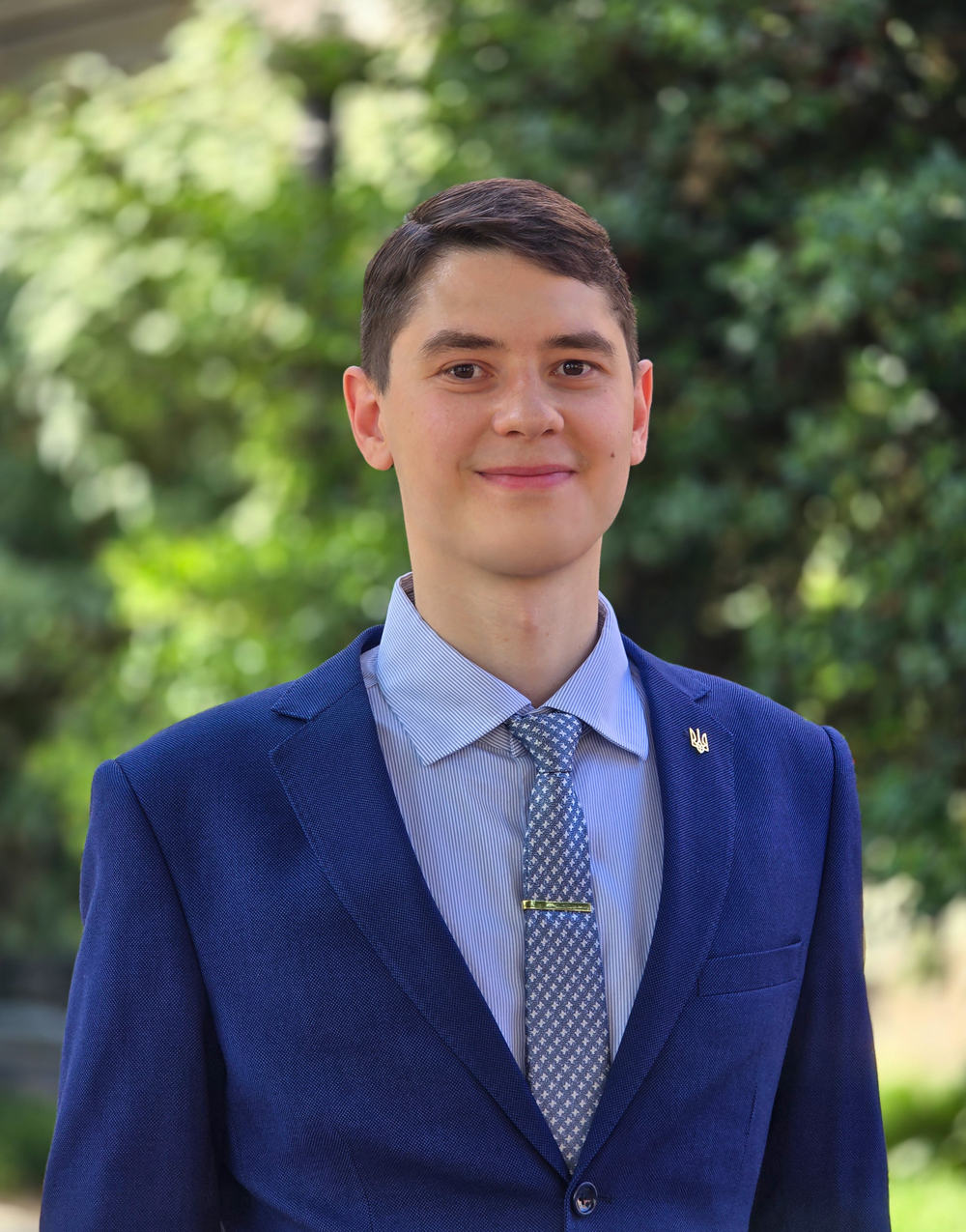
Zelensky’s decision in mid-July to fire Mykhailo Fedorov, the tech-savvy minister of defense who is well-connected with top Western defense companies, illustrates this “clash of generations” in Ukrainian politics and governance. In his farewell statement, Fedorov outlined what he sees as major deficiencies in the “old way” of running the army and country during wartime. If Zelensky does not find a way to mend fences, Fedorov’s dismissal might prove to be a watershed moment for old and new elites to consolidate and prepare for a postwar power struggle.
Moderates Versus Radicals
After the war, Ukraine will face the dual challenge of rebuilding while deterring new threats from Russia. The role of the state in recovery and development will grow significantly. This will require strengthening independent oversight and institutional checks and balances. It may also raise the issue of guaranteeing the welfare of all those working in the security and defense sector.
The public will expect the state to assist and support veterans, the relatives of fallen servicemen and civilians, former prisoners of war and deportees returning from Russia, and citizens who lost their homes and property because of hostilities. Debates over the extent to which the Ukrainian state should seek to hold Russian officials accountable for war crimes (if the international community fails to do so) and punish collaborators for their misdeeds are also likely to dominate the political landscape. Inevitably, there will be a national debate about the responsibility of Zelensky and the government for decisions made—or not made—before and during the war. Ukrainians will also demand close scrutiny of the activities of those who controlled politics and the economy before the invasion. These debates are likely to divide political actors and citizens into camps of “moderates” and “radicals,” depending on whether they demand symbolic or uncompromising justice on key issues, and whether they favor selective or equal approaches to different actors and social groups.
The moderates camp will probably try to shift the focus away from immediate justice toward building a stronger state that is capable of protecting Ukraine and preventing a new attack. Figures such as Fedorov and Head of the Office of the President Kyrylo Budanov, who have consistently called for national unity and looked to the future rather than focusing on the past, might emerge as leaders of this camp. Moderates will try to direct public anger against Russia while seeking to defuse internal feuds. They will call for an acceleration of reforms necessary for joining the EU—which they will argue is the ultimate prize for postwar Ukraine and future generations. This camp will support special and “black” operations inside Russia and other countries to bring war criminals and traitors to justice.
Mobilization will be another issue that will divide Ukrainians after the war. Many thousands of men paid bribes to leave the country during the war or escaped mobilization by securing, through any means, exemptions from military service. At the same time, military commissions drafted thousands of unfit men, including with physical and mental disabilities, into service. These men cannot fight, but they also cannot be released from service until the end of the war, burdening the military and inflating the number of troops.
To address Ukraine’s human-resources challenges, the moderate camp will probably call for the return of Ukrainians from abroad or argue in favor of migration from Africa, Asia, or Latin America to fill labor shortages. Moreover, to decrease public tensions over mobilization, moderates will argue in favor of increasing immigration and enrolling more foreigners in the ranks of the Armed Forces. (For instance, before his dismissal Fedorov was preparing a plan to substitute up to 50 percent of assault troops with contracted foreigners.) The idea is that such measures would encourage young Ukrainians not to leave the country because of the risk of being drafted to the frontline. In addition, Budanov has spoken out against mobilizing young Ukrainians, which in his view would threaten to eliminate an “entire generation.”
However, the moderates will face a serious political dilemma. It will be hard to convince millions of refugees to return without strong security guarantees and economic stability, but it will be impossible to maintain a capable army and economic development in a situation of severe deficits of human resources.
The radicals will claim that any dilution of justice will lay the groundwork for another national disaster and a new Russian invasion. Their arguments may resemble those made in the early 1990s and in 2014, when certain political actors argued that all remnants of the old regime—whether former communists or collaborators of president Viktor Yanukovych and his Party of Regions—needed to be purged.
Several public figures with significant political and social influence—in the form of large followership in social media, the permanent attention of traditional media to what they say or do, and evident political ambitions—have the potential to become leaders of the radical camp. They are Serhiy Sternenko, a prominent volunteer and vocal opponent of Zelensky since 2021; Bohdan “Tavr” Krotevych, ex–chief of staff of the Azov Brigade; and Yuriy Butusov, former editor-in-chief of the Censor.net news portal and a drone company commander in the Khartiia Brigade. All three have attacked Zelensky for what they argue were poorly conceived and implemented decisions before and after the full-scale invasion.
Moreover, the radicals will call for the prosecution of political, administrative, and military leaders whose decisions contributed to Ukraine’s devastation and huge human losses. Figures in this camp have already begun to criticize what they see as reckless, politically driven decisions that have cost the lives of thousands of the country’s defenders with no operational or even tactical benefit on the battlefield. They have stressed the need for independent investigations of pointless offensive operations led by the assault regiments commanded by protégés of General Oleksandr Syrskyi, whom Zelensky removed as commander-in-chief of the Armed Forces in late July in response to public protests. They have also pointed out the absence of relevant basic military training for the majority of recruits in the Army. The public reaction to a recent independent investigation that uncovered the suspicious deaths of twenty-five recruits in the 425th Assault Regiment “Skelya” shows how sensitive and explosive this issue will become after the war.
Several whistleblowers, including decorated officers like ex-battalion commander of 46th Airborne Assault Brigade Colonel Anatoliy Kozel (Kupol), Major Oleksandr Shyrshyn from the elite 47th Mechanized Brigade, and ex-commander of 58th Mechanized Brigade Colonel Dmytro Kashchenko, have at different times warned about these and other critical shortcomings among senior political and military commanders. In April 2026, Colonel Roman Chervinskyi of the Security Service publicly accused Budanov of abusing power during the war.
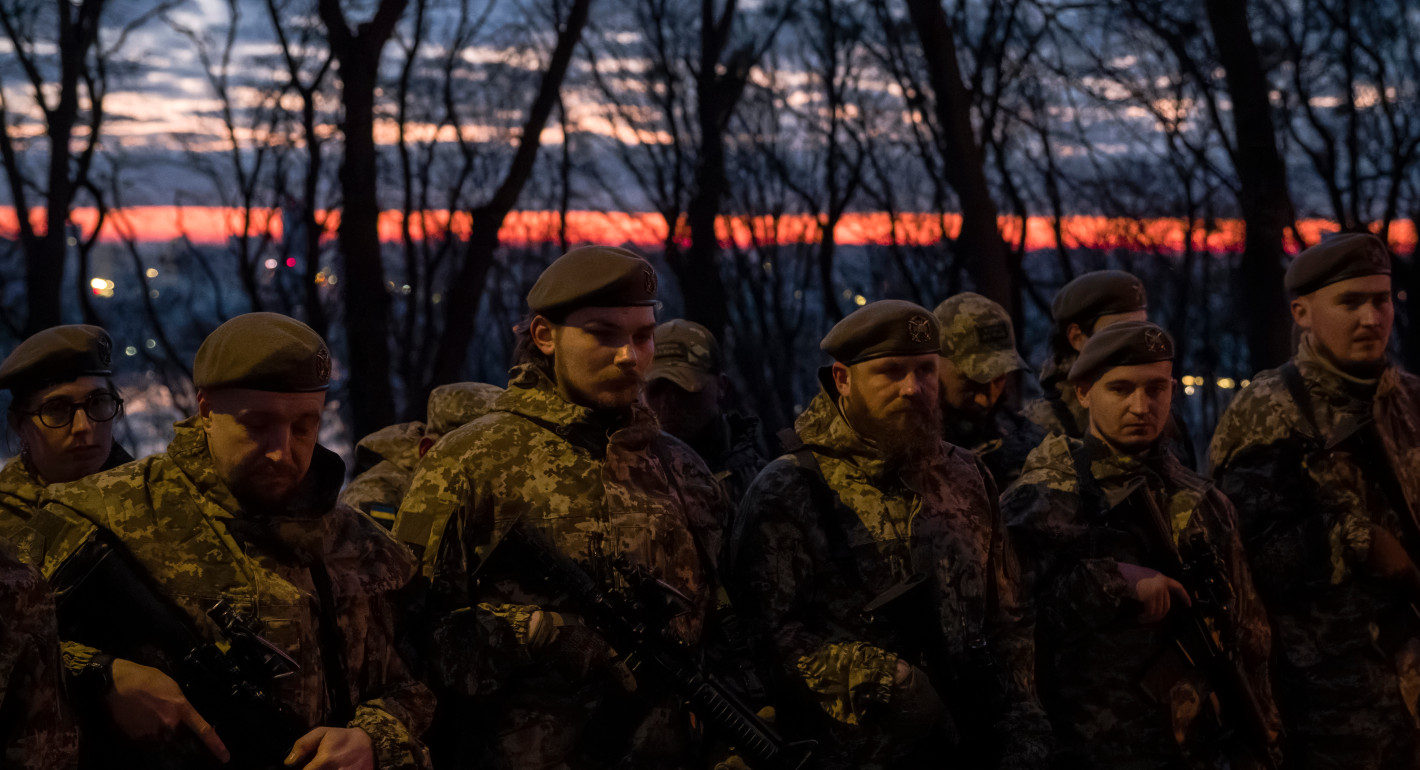
These developments are alarming signs that after the war radicalized veterans and civic activists are going to shape the national agenda by saying that Zelensky and the executive failed to provide justice and security during the war. They will have a strong case to make if they can draw on the vivid memories of hardship felt by ordinary soldiers and their families.
Moreover, Zelensky himself has played a part in creating moderate and radical contenders. His dismissals of General Valeriy Zaluzhny from the position of commander-in-chief of the Ukrainian Armed Forces in 2024 and Fedorov in July were reminiscent of politics under former president Leonid Kuchma (1994–2004). Kuchma prosecuted moderate deputy prime minister Yulia Tymoshenko in 2000 and fired moderate prime minister Viktor Yushchenko in 2001. Both later came together to unite opposition forces and challenge Kuchma’s regime during the election cycles of 2002–2004, culminating in the Orange Revolution and end of Kuchma’s rule.
New Nationalism and Grassroots Structures
Two factors will determine whether the moderates or radicals win the support of the public and the postwar competition for power.
First, to be successful, political leaders and organizations will have to show that they embrace and practice a modern, sophisticated version of Ukrainian nationalism. The war proved to most Ukrainians that the nationalist political parties and groups who consistently warned about Russian threats and subversion in the fields of popular culture, education, and the economy had a point. The mainstream political establishment is already increasingly adopting elements of nationalistic ideology in its rhetoric. For instance, Zelensky in January 2026 issued an order to establish a “national pantheon” to commemorate the heroes of the fight for independence in the twentieth century, including leaders of the Organization of Ukrainian Nationalists (OUN) and the Ukrainian Insurgent Army (UPA). In May, he announced the reburial of one of the OUN’s leaders, Andriy Melnyk, and issued a decree renaming a unit of the special operations forces after the “heroes of the UPA.” These decisions sparked a diplomatic crisis with Poland, which blames the OUN and UPA for Second World War atrocities against ethnic Poles. Many Ukrainians, however, see these organizations as having fought for Ukraine’s independence against the Soviet Union, as well as against Nazi Germany.
At the same time, as one of the authors argued in 2022, Ukrainian nationalism has been transforming into a nonpartisan, inclusive civic ideology that is embraced by the majority. In a poll in March 2023, 65 and 47 percent of respondents, respectively, said they thought that new public figures such as Zelensky and Zaluzhny had played key roles in defending the country, demonstrating that Ukrainians see these two men as nation-building figures amid the horrors of war. In another 2023 poll, 42 percent named Zaluzhny as a symbol of Ukraine, second only to the poet Taras Shevchenko (56 percent). With 31 percent, Zelensky was ahead of the Second World War radical leader Stepan Bandera (27 percent), seventeenth-century Cossack hetman Bohdan Khmelnytsky (26 percent), and Vyacheslav Chornovil, one of the leaders of the independence movement in the late Soviet period (26 percent).
The second factor is the importance of grassroots structures. Ukrainians have come to recognize the role of local communities, civic activists, and decentralized structures—especially military units—in building national identity. Popular units and leaders within them such as the Azov Brigade (Denys Prokopenko), the 3rd Assault Brigade (Andriy Biletsky), and the Khartiia Brigade (Vsevolod Kozhemyako) may become umbrella organizations for political movements. (Although its early roots were in far-right ideologies, Azov has the reputation of one of the most capable fighting units and one that cares about the lives of ordinary soldiers. It attracts volunteers from different age groups and gender, ethnic, and language backgrounds. Its commanders rarely take sides in political clashes.)
In sum, individuals who demonstrated leadership during the war and achieved military, technological, administrative, diplomatic, or humanitarian success will find themselves at the forefront of political competition after the war. The most successful postwar political forces will have strong national leaders with solid wartime credentials while relying on horizontal structures that emerged during the war, including volunteer networks, veterans groups, and informal associations of local community leaders.
In Search of a Unifying Figure
Amid public concerns over corruption and lingering questions about his wartime decisions, Zelensky’s window of opportunity to be a national unifying figure has probably closed. But his political networks will give him a considerable opportunity to retain influence if he leaves office. Prior to his arrest in May 2026, Yermak—until then his closest aide—had launched a project to forge a coalition of military commanders, veterans, and volunteers with the goal of creating a new political force that could contest postwar elections under Zelensky’s leadership. Since Yermak’s arrest, Zelensky has continued this project on his own.
Zelensky has paid more attention to his standing and reputation among the military since he sacked Yermak in November 2025. Since the beginning of this year, he has participated in eight meetings with service members from various branches of the Armed Forces, suggesting that he is investing time and effort to rebuild support among veterans as a way to maintain political influence, whether he decides to run for another term or not.
On the other hand, former commander-in-chief Zaluzhny, now the ambassador to the United Kingdom, has emerged in the public consciousness as a strong contender for the presidency even though he has not yet declared his ambitions to run for office. He is a unique figure and is trusted both by moderates, who laud him for leading and modernizing the Armed Forces, and by radicals, who believe he is too strong to be subdued or corrupted by shadowy politics. At the same time, Zaluzhny is a political novice, and his knowledge of English and understanding of the economy, in particular, are significant shortcomings. He will have to prove to Ukrainians that he has the qualities to lead the country on the international stage through a turbulent postwar future.
Someone else may still yet emerge as a unifying figure. Ukraine needs its next leader not only to focus on healing a wounded nation, defending against Russian threats, and modernizing the economy, but also to unite political forces: If the first postwar president is accepted by moderates but not trusted by radicals, there is a high risk of dangerous civil division that will undermine medium- to long-term stability.
The Tough Task Ahead
On many occasions throughout its contemporary history, Ukraine has witnessed the emergence of new faces and new political forces. However, few of them survived the test of parliamentary democracy, especially when it came to coalition-building. Many leaders focused on their personal ambitions and created weak party structures that rose and fell in parallel with their own fate. Stronger political actors have tended to concentrate, if not monopolize, power in their hands at the expense of junior partners, and in some cases they went so far as to prosecute the opposition. Moreover, external influence, especially from Russia, has repeatedly turned heated domestic political competition into an existential fight. These factors remain and will frame postwar politics. Even if the terms of a ceasefire or peace settlement are satisfactory to most Ukrainians, the country’s democracy will face its fair share of challenges.
Considering how bitter internal feuds undermined Ukrainian statehood in the past, Ukraine’s key power brokers—including Zelensky, Zaluzhny, Budanov, Biletsky, and Prokopenko—should reach an agreement so that free and fair elections can be held across the country and then negotiate some form of power-sharing. Since all of them have armed men and women behind them, maintaining calm and ensuring that the next electoral cycle can proceed without voter intimidation will be critical. Ukraine has already seen in 1918–1921 a period of otamanshchyna, when anarchy and bitter power struggles between rebel warlords contributed to Ukraine being subjugated by Russia under Bolshevik rule. This time, Ukrainians must find a way to avoid bringing violence into the political process. It is vital that postwar election results be accepted and that power be peacefully transferred to the winners.
Ukraine’s postwar leaders will have to decide how to reconcile national priorities—especially spending on defense and social welfare—with the demands of major donors like the International Monetary Fund and the EU, including those regarding democratic rights and the rule of law. They will also need to adapt domestic policies to the permanent threat from Russia without returning to martial law and without concentrating power under the executive.
So long as Ukraine is not a member of NATO or the EU, its leaders will have to build an agile and innovative national security architecture based on defense alliances and arrangements with other democracies, not only in Europe but also in the Middle East (Israel) and the Asia-Pacific (Japan, South Korea, Taiwan, and the Philippines). Postwar Ukraine might also embark on trying to reshape its neighborhood. Ukrainians will have a hard time feeling secure with neighboring Belarus under the puppet regime of Aleksander Lukashenko and with Moldova’s Transnistria region still a Russian-controlled enclave. Once the war ends, or even pauses, Ukraine’s leaders are likely to address these threats, ideally in collaboration with the West but potentially unilaterally. They will need a more expansive and sophisticated view of engaging with countries in Africa, Latin America, and elsewhere. Its new leaders will need to maintain an equal focus on national defense and on securing the economic resources and trade relationships necessary to mitigate domestic demographic decline and fuel reconstruction.
These challenges will require the emerging crop of leaders to display a high degree of statesmanship. They must understand that personality-driven politics, polarization, legislative gridlock, and failure to respect the rule of law were profound mistakes that almost cost Ukraine its independence and statehood. If the country is to win the peace, it will need leaders who can break from the past once and for all.
Correction: The first name of the Khartiia Brigade’s founder has been corrected from Oleh to Vsevolod.