• Research
  • Emissary
  • About
  • Experts
Carnegie Global logoCarnegie lettermark logo
DemocracyIran
  • Donate
{
  "authors": [
    "Richard Youngs"
  ],
  "type": "legacyinthemedia",
  "centerAffiliationAll": "dc",
  "centers": [
    "Carnegie Endowment for International Peace",
    "Carnegie Europe"
  ],
  "collections": [],
  "englishNewsletterAll": "democracy",
  "nonEnglishNewsletterAll": "",
  "primaryCenter": "Carnegie Europe",
  "programAffiliation": "DCG",
  "programs": [
    "Democracy, Conflict, and Governance",
    "Europe"
  ],
  "projects": [],
  "regions": [
    "Asia",
    "North America",
    "Iran"
  ],
  "topics": [
    "Foreign Policy",
    "Democracy",
    "Global Governance"
  ]
}
REQUIRED IMAGE

REQUIRED IMAGE

In The Media
Carnegie Europe

From Democracy Summit to Global Democratic Agenda?

Ahead of the Democracy Summit, non-Western democracies remain doubtful of U.S.-centric coordination. Here are five guidelines that can help shape a truly global democratic agenda and halt the further advance of authoritarianism.
Link Copied
By Richard Youngs
Published on Nov 17, 2021
Program mobile hero image

Program

Democracy, Conflict, and Governance

The Democracy, Conflict, and Governance Program is a leading source of independent policy research, writing, and outreach on global democracy, conflict, and governance. It analyzes and seeks to improve international efforts to reduce democratic backsliding, mitigate conflict and violence, overcome political polarization, promote gender equality, and advance pro-democratic uses of new technologies.

Learn More
Program mobile hero image

Program

Europe

The Europe Program in Washington explores the political and security developments within Europe, transatlantic relations, and Europe’s global role. Working in coordination with Carnegie Europe in Brussels, the program brings together U.S. and European policymakers and experts on strategic issues facing Europe.

Learn More

Forum 2000 Foundation

About the Author

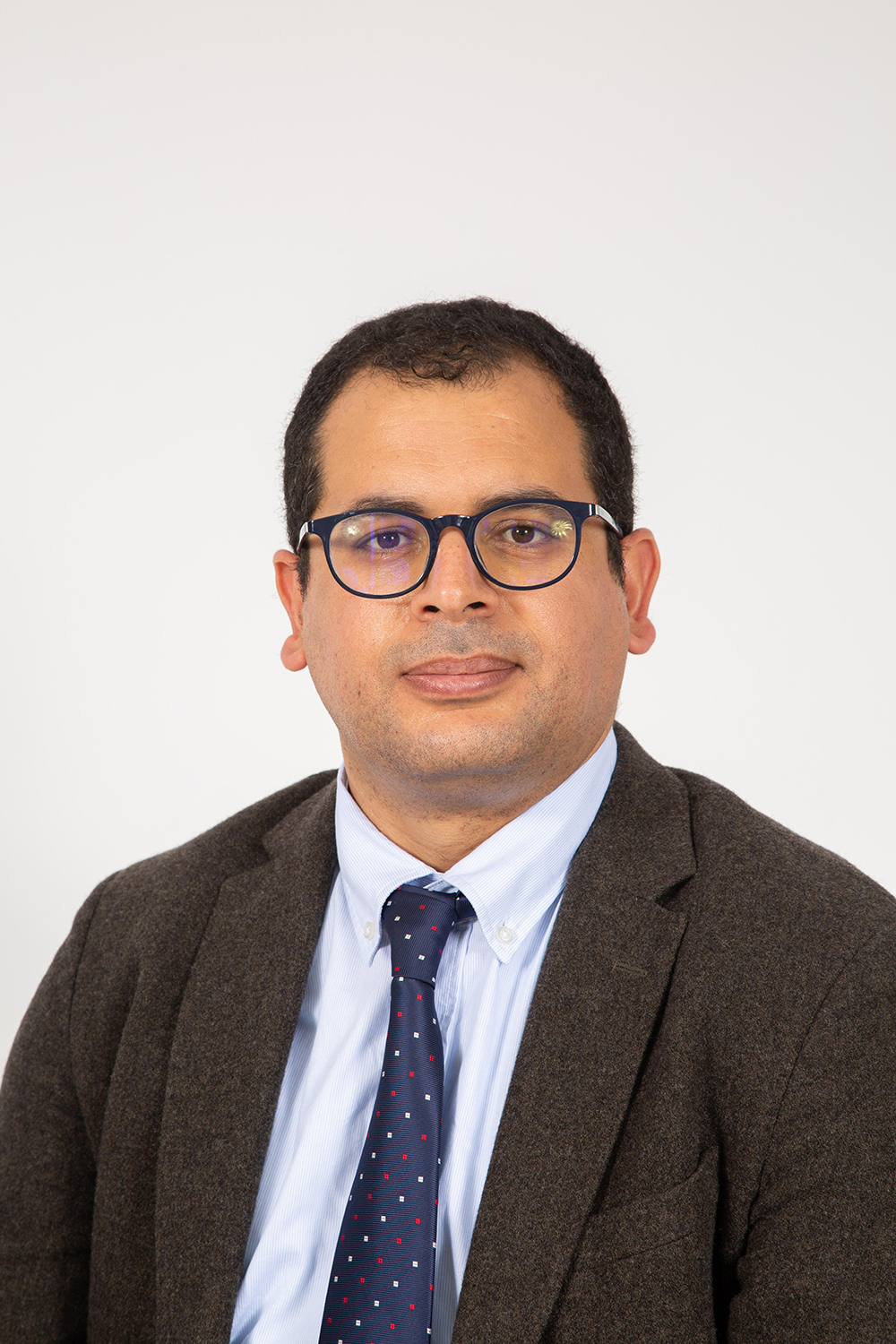
Richard Youngs

Senior Fellow, Democracy, Conflict, and Governance Program

Richard Youngs is a senior fellow in the Democracy, Conflict, and Governance Program, based at Carnegie Europe. He works on EU foreign policy and on issues of international democracy.

    Recent Work

  • Commentary
    The EU’s Middle-Power Puzzle

      Richard Youngs

  • Article
    Europe’s Tide of Citizen Assemblies: Unsung Success or Anticlimax?

      Richard Youngs

Richard Youngs
Senior Fellow, Democracy, Conflict, and Governance Program
Richard Youngs
Foreign PolicyDemocracyGlobal GovernanceAsiaNorth AmericaIran

Carnegie does not take institutional positions on public policy issues; the views represented herein are those of the author(s) and do not necessarily reflect the views of Carnegie, its staff, or its trustees.
More Work from Carnegie Endowment for International Peace

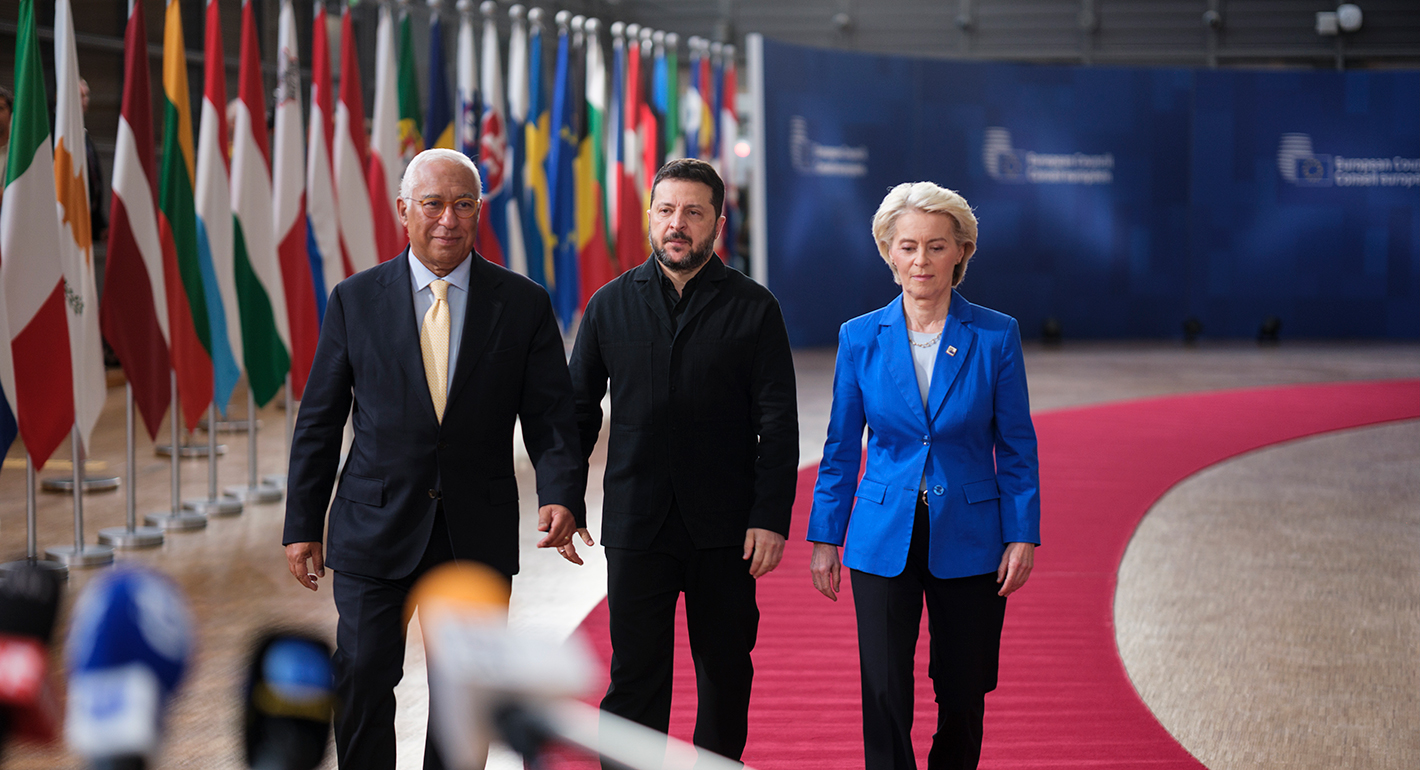
  • President of the EU Council Antonio Luis Santos da Costa (L) the Ukrainian President Volodymyr Zelenskyy (C) and the President of the European Commission Ursula von der Leyen (R) talk to the media prior to the start of the second day of an EU Summit in the Europa building, the EU Council headquarter prior to an EU Summit on October 16, 2026, in Brussels, Belgium.
    Article
    Europe Struggles to Sustain Support for Ukraine

    EU and member-state leaders will need to show the political will and flexibility to adjust to Ukraine’s changing needs and to find compromises that will put support on a sustainable, long-term footing.

      Phyllis Berry
  • Planetary Power: Geoengineering and the New Geopolitics of Climate Intervention
    Research
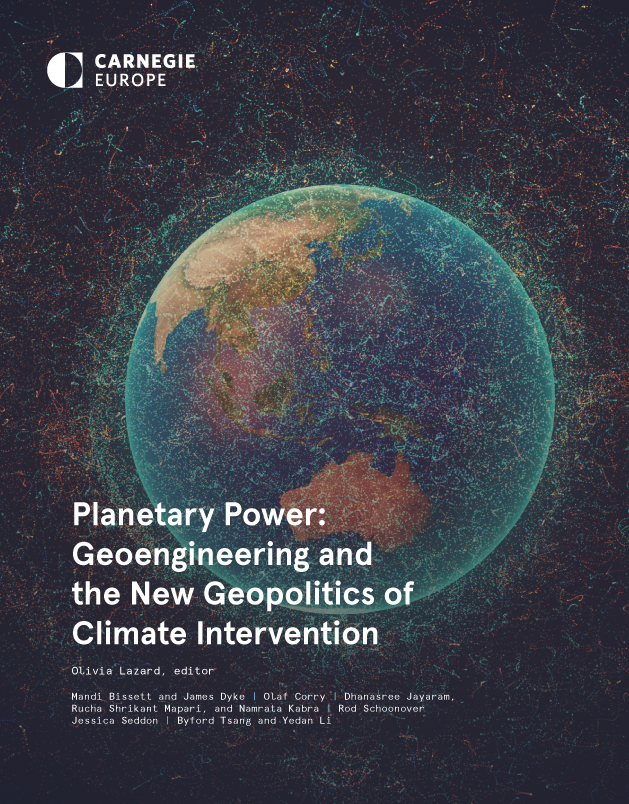
    Planetary Power: Geoengineering and the New Geopolitics of Climate Intervention

    Geoengineering is becoming a geopolitical question as much as a climate one. The way states and the private sector pursue these technologies, assess risks, and drive research increasingly appears focused on gaining a strategic edge. In a field where governance in lagging behind, Europe should keep track of the geopolitical implications if it is to develop effective regulatory frameworks.
      Olivia Lazard, ed.

  • Paper
    The Twilight of Oil in an Age of Uncertainty: From a Vicious to a Virtuous Cycle

    The global hydrocarbon order is changing. Economic diversification and developing productive economies have become essential for Middle Eastern and North African states, requiring them to address social and political challenges and rethink domestic, regional, and global settlements.
      • +1

      Nur Arafeh, Ishac Diwan, Hamza Meddeb, …
  • Commentary
    Carnegie Politika
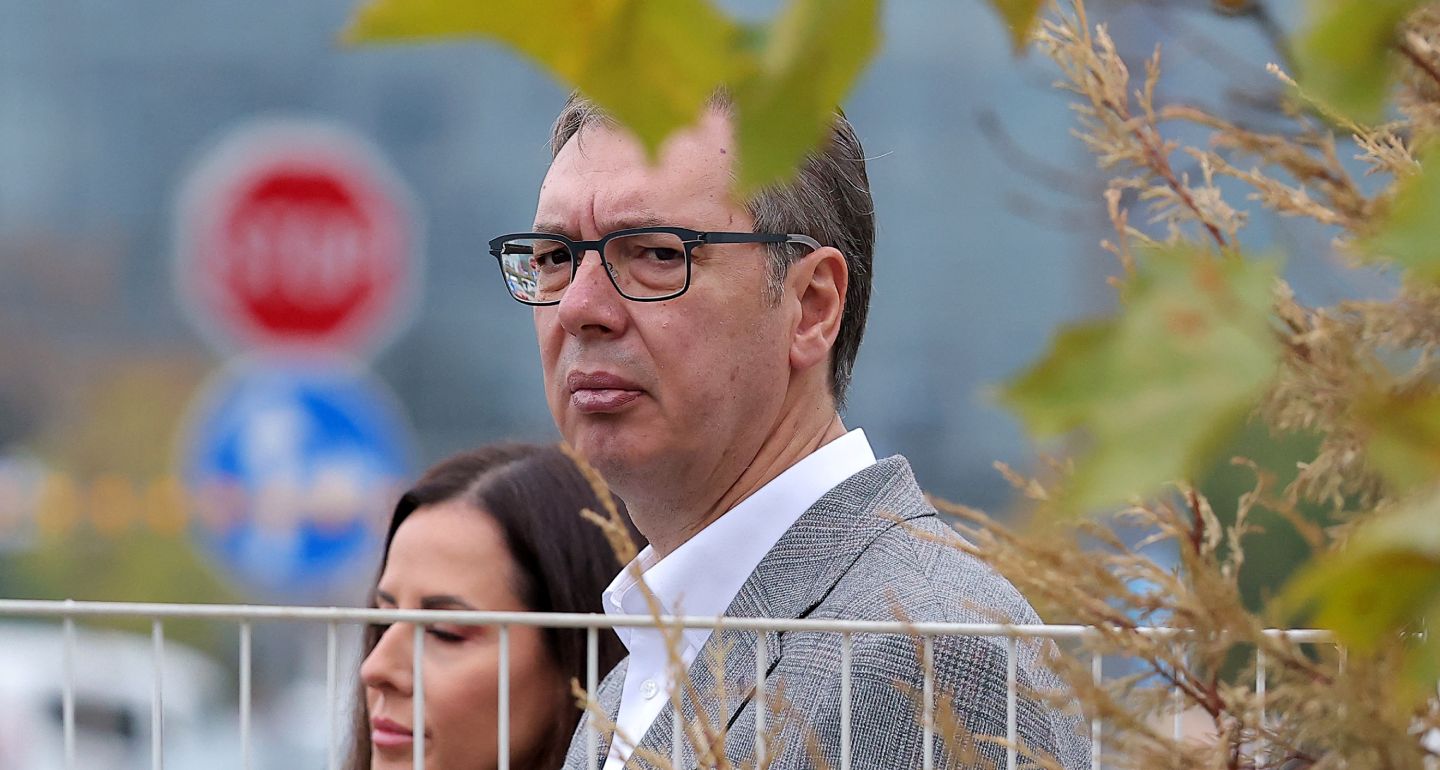
    Vučić’s Downfall in Serbia Is Fatal to Russia’s Influence in the Balkans

    The new Serbian leadership may have promised to keep on cooperating with Russia, but soon they will have to make a choice between fighting corruption and sealing lucrative deals with Moscow. The two are mutually exclusive, even if the new leaders in Belgrade haven’t yet realized it.
      Maksim Samorukov
  • men sitting in an ornate room
    Commentary
    Emissary
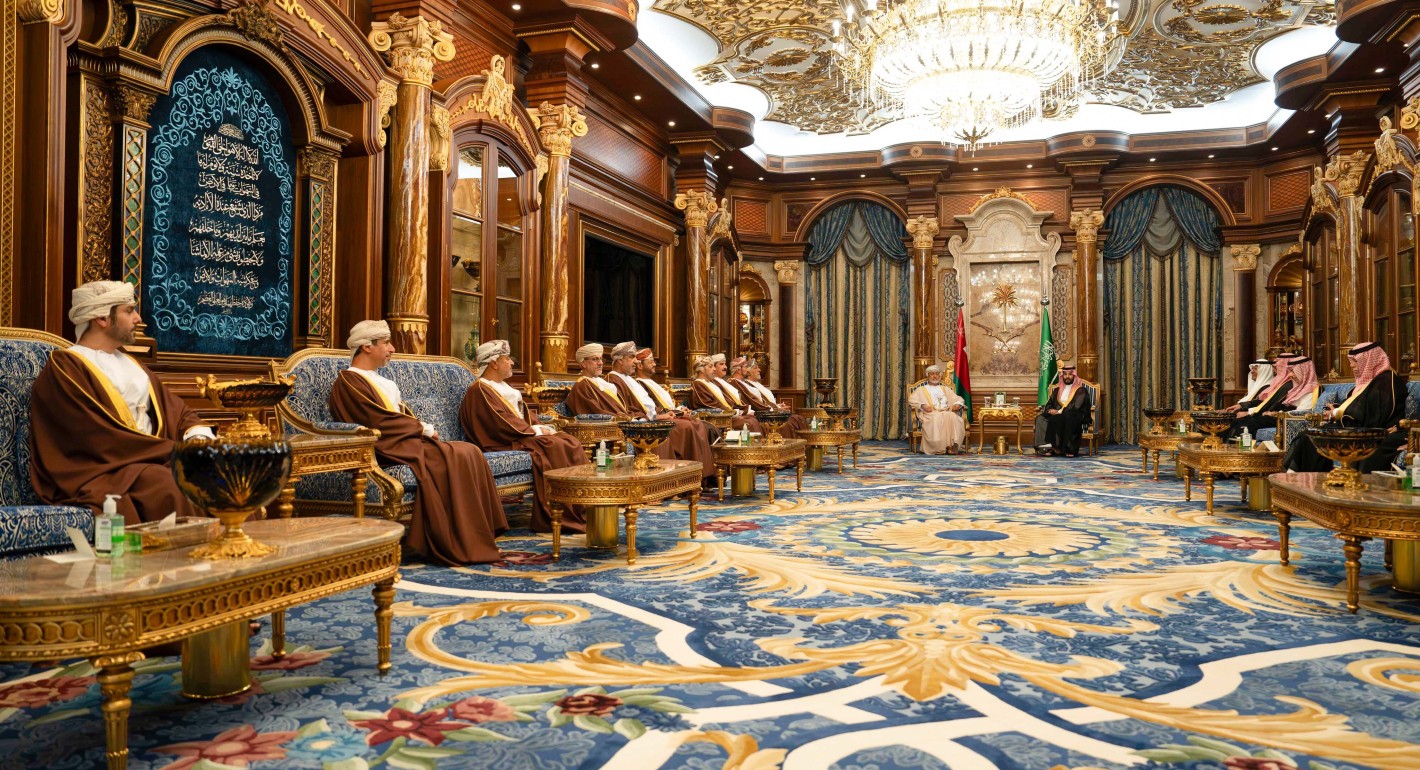
    The Gulf States Are Looking for an Exit in Iran

    The six GCC members’ unity would be a valued—if not essential—asset for negotiating an end to the simmering regional conflict.
      • Andrew Leber

      Sam Worby, Andrew Leber

Get more news and analysis from
Carnegie Endowment for International Peace
Carnegie global logo, stacked
1779 Massachusetts Avenue NWWashington, DC, 20036-2103Phone: 202 483 7600
  • Research
  • Emissary
  • About
  • Experts
  • Donate
  • Programs
  • Events
  • Blogs
  • Podcasts
  • Contact
  • Annual Reports
  • Careers
  • Privacy
  • For Media
  • Government Resources
Get more news and analysis from
Carnegie Endowment for International Peace
© 2026 Carnegie Endowment for International Peace. All rights reserved.