

Article
Jennifer B. Murtazashvili
{
  "authors": [
    "Jennifer B. Murtazashvili"
  ],
  "type": "legacyinthemedia",
  "centerAffiliationAll": "dc",
  "centers": [
    "Carnegie Endowment for International Peace"
  ],
  "collections": [
    "Dynamic Governance Risks in Asia"
  ],
  "englishNewsletterAll": "asia",
  "nonEnglishNewsletterAll": "",
  "primaryCenter": "Carnegie Endowment for International Peace",
  "programAffiliation": "AP",
  "programs": [
    "Asia"
  ],
  "projects": [],
  "regions": [
    "United States",
    "South Asia",
    "Afghanistan"
  ],
  "topics": [
    "Political Reform",
    "Security",
    "Foreign Policy"
  ]
}
REQUIRED IMAGE
Afghanistan has been caught in a four-decade-long cycle of state collapse. In that time, five regimes have been overthrown and replaced by subsequent governments that each resembled the last, with the same centralized political institutions that have characterized the Afghan state’s modern existence.

Nonresident Scholar, Asia Program
Jennifer Brick Murtazashvili is a nonresident scholar in the Asia Program at the Carnegie Endowment for International Peace.
Recent Work
Jennifer B. Murtazashvili

Jennifer B. Murtazashvili, Temur Umarov
Carnegie does not take institutional positions on public policy issues; the views represented herein are those of the author(s) and do not necessarily reflect the views of Carnegie, its staff, or its trustees.
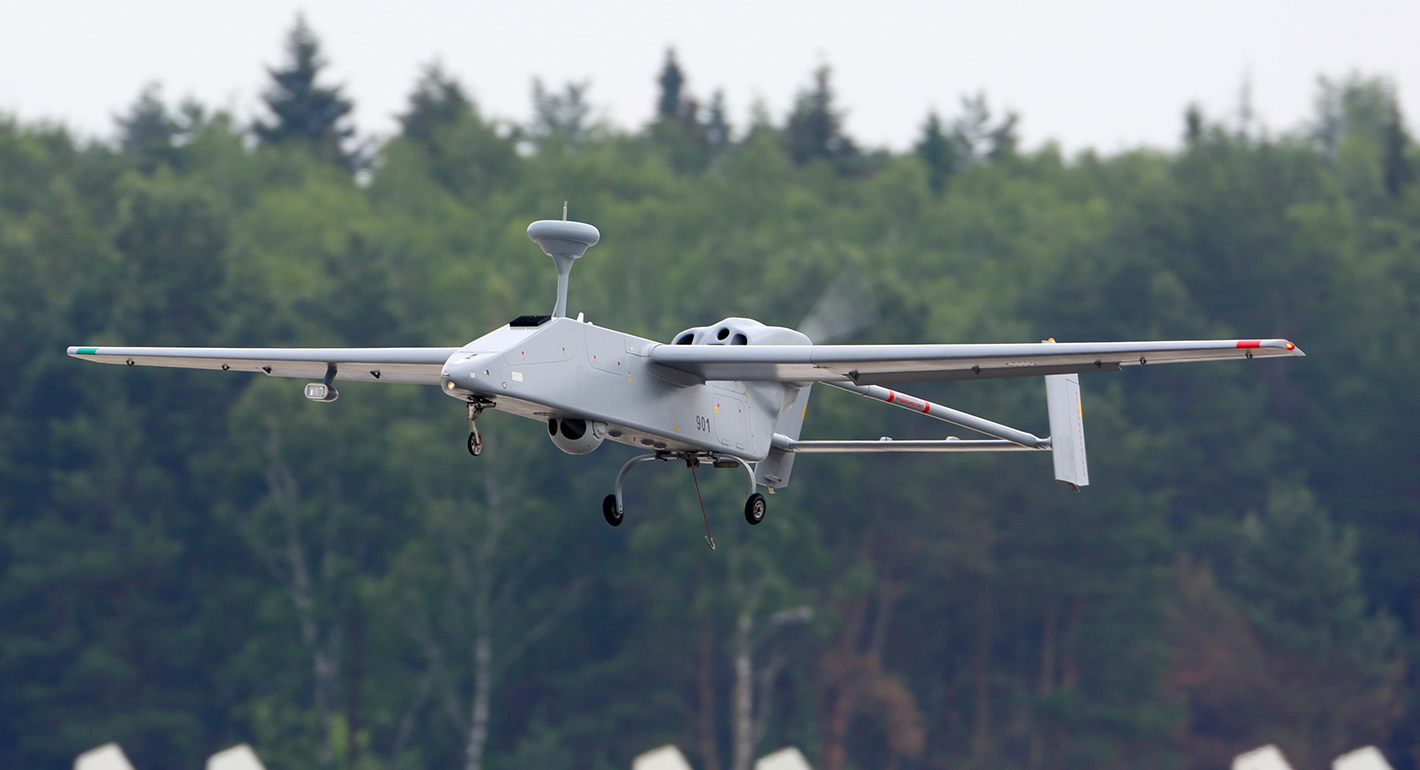
Moscow is testing Europe’s defenses with drone incursions and could decide to use drones against the continent on a much larger scale once the war in Ukraine pauses. European countries will need Kyiv to help them prepare for such a possibility.

Pavlo Zvenyhorodskyi

Middle Eastern states should welcome an accelerated U.S. disengagement from their region.

Michael Young

Xi, Putin, and other regional leaders are back-slapping in Bishkek, but the SCO has yet to answer the most serious questions about continental Asia's economic future.

Evan A. Feigenbaum

The EU’s responses to two recent incidents expose the gulf between European perceptions and capabilities. Unless the union can bridge that gap, it will never become a real geostrategic power.

Rym Momtaz

In an interview, former ambassador Charles Freeman assesses the Trump administration’s war against Iran.
Michael Young