

Commentary
It should address the shortcomings of previous crisis communication efforts and adapt to the demands of frontier AI.
Lucy Luo
{
  "authors": [
    "Saskia Brechenmacher",
    "Nikhita Salgame"
  ],
  "type": "commentary",
  "centerAffiliationAll": "dc",
  "centers": [
    "Carnegie Endowment for International Peace"
  ],
  "collections": [
    "Gender"
  ],
  "englishNewsletterAll": "democracy",
  "nonEnglishNewsletterAll": "",
  "primaryCenter": "Carnegie Endowment for International Peace",
  "programAffiliation": "DCG",
  "programs": [
    "Democracy, Conflict, and Governance"
  ],
  "projects": [],
  "regions": [
    "United States"
  ],
  "topics": [
    "Economy",
    "Global Governance"
  ]
}
Source: Getty
One persistent problem is that only a small share of this aid actually reaches women-led organizations.
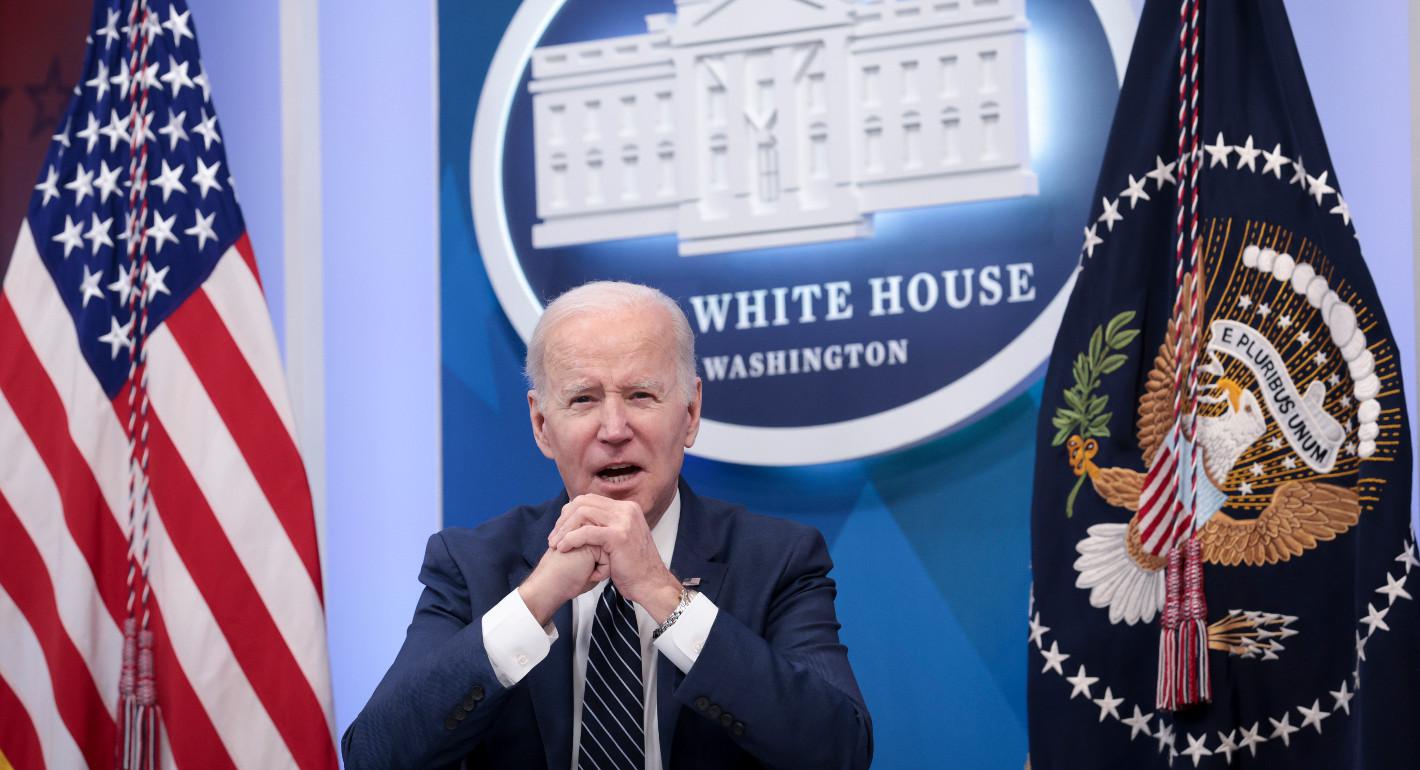
On March 8, the White House announced that it will request $2.6 billion in next year’s budget for foreign assistance programs that promote gender equality and equity—more than double the amount requested last year. The announcement follows a series of bureaucratic and policy reforms from President Joe Biden’s administration that focus on lifting up gender equality in U.S. foreign policy, including the United States’ first-ever National Strategy on Gender Equity and Equality. Although final authority over the budget rests with Congress, the budget request is another strong political signal from the Biden administration that it wants to strengthen U.S. investments in gender equality globally. However, achieving the strategy’s ambitious objectives will require an unprecedented commitment in resources, and Washington needs to take further steps to ensure meaningful change.
In its announcement, the White House noted that the $2.6 billion figure is the largest budget request for gender equality aid in U.S. history. Indeed, the figure represents a significant increase relative to the past several years (see figure 1). During former president Donald Trump’s administration in particular, the U.S. government deprioritized global investments in gender equality, which was reflected in its low budget requests.

This lack of high-level interest impacted U.S. spending. Although Congress continued to appropriate more funding for foreign aid than the Trump administration requested, assistance programs with an exclusive focus on gender equality experienced significant cuts (see figure 2).

In his first year in office, Biden sought more funding for gender equality than his predecessor yet still far below pre-Trump levels. As a result, the 2023 budget request represents a stark increase. But seen in historical perspective, the amount appears less radical. In 2014, former president Barack Obama’s administration asked Congress for $1.9 billion for its global gender efforts—or $2.3 billion in today’s dollars. The Biden administration’s proposal thus represents a $300 million increase relative to the largest request made during the Obama years.
Looking comparatively at other donors also puts U.S. spending into perspective. Globally, the Organisation for Economic Co-operation and Development (OECD) collects information about governments’ total foreign aid spending, typically termed bilateral official development assistance (ODA). The OECD gender equality marker allows governments to report how much of those funds have gender equality as either a principal or secondary objective. Relative to other donor governments, the United States scores highly: it was the third-largest donor of gender equality aid in 2019, after the EU institutions and Germany. This is not surprising, given that the country is the world’s largest economy and one of the largest donors of development aid.
However, looking at the share of gender equality aid relative to total ODA reveals a very different picture. In 2019, the United States ranked almost at the bottom of the list of OECD Development Assistance Committee members (see figure 3). In other words, most other donor governments have done more to ensure that a focus on gender equality is integrated or mainstreamed across their foreign assistance, in addition to dedicating a larger share of their total foreign assistance to targeted gender equality programs. In contrast, the majority of U.S. foreign assistance does not target gender equality at all, even as a secondary objective.

A key question for the Biden administration is therefore how to ensure that USAID and the State Department integrate gender considerations across U.S. foreign assistance. Advocates have argued that all foreign policy funding should at least consider gender and at least 20 percent should specifically target gender inequities. Such a shift would require significantly more funding, as well as more dedicated staff, training, and support. For example, USAID is already required to integrate a gender lens into all its programs and activities, yet its missions often lack the capacity, guidance, and specialists to do this effectively.
Another crucial question is how and on which iniativies the U.S. government plans to spend a larger gender equality budget. The National Gender Equality and Equity Strategy outlines several broad priority areas, such as tackling gender-based violence, ensuring girls’ access to primary and secondary education, and countering women’s job losses during the coronavirus pandemic. The Gender Equity and Equality Action Fund, which focuses on women’s and girls’ economic security, will likely receive $200 million. At the Summit for Democracy in December, the United States also announced the new $33.5 million initiative for advancing women’s and girls’ civic and political leadership. These are all worthwhile priorities, particularly in the context of a global pandemic that has disproportionately impacted women and girls. Washington could amplify its efforts in these domains by prioritizing investments in the global care economy and supporting governments to adopt gender-sensitive coronavirus recovery plans, which currently only two countries (Canada and Argentina) have done.
Globally, however, one persistent problem is that only a small share of gender equality aid actually reaches women-led organizations and activists (see figure 4). Instead, most funding still goes to multilateral institutions, international nongovernmental organizations, or private contractors. These actors often do valuable work, and they sometimes re-grant part of their funding to local organizations. Yet the reality is that despite the global uptick in gender equality spending, feminist and women-led organizations and movements still often find themselves starved for resources.

USAID has said that it is committed to making local women and girls the central focus of its global development and humanitarian work. This is also in line with USAID Administrator Samantha Power’s stated commitment to localizing development, a goal that her organization has embraced in the past but largely failed to make progress on. Several newly announced programs—such as the Women’s Inclusion in New Security program, which will support women-led civil society organizations in addressing peace and security challenges in their communities and offer rapid-response funding to activists—represent important steps in that direction. Over the next few years, an important measure of the Biden administration’s commitment to gender equality globally will be its ability to make good on its promise and direct more resources to local actors that are fighting for gender equality amid rising insecurity, growing conflict, and shrinking democratic space.
After publication, a sentence in this post was updated for clarity.
Senior Fellow, Democracy, Conflict, and Governance Program
Saskia Brechenmacher is a senior fellow in Carnegie’s Democracy, Conflict, and Governance Program, where her research focuses on democratic erosion, gender, and civic activism in the United States and globally. She also serves on the board of the International Center for Not-for-Profit Law.
Nikhita Salgame
Former James C. Gaither Junior Fellow, Democracy, Conflict, and Governance Program
Nikhita Salgame is a James C. Gaither Junior Fellow in the Carnegie Democracy, Conflict, and Governance Program.
Carnegie does not take institutional positions on public policy issues; the views represented herein are those of the author(s) and do not necessarily reflect the views of Carnegie, its staff, or its trustees.
It should address the shortcomings of previous crisis communication efforts and adapt to the demands of frontier AI.
Lucy Luo
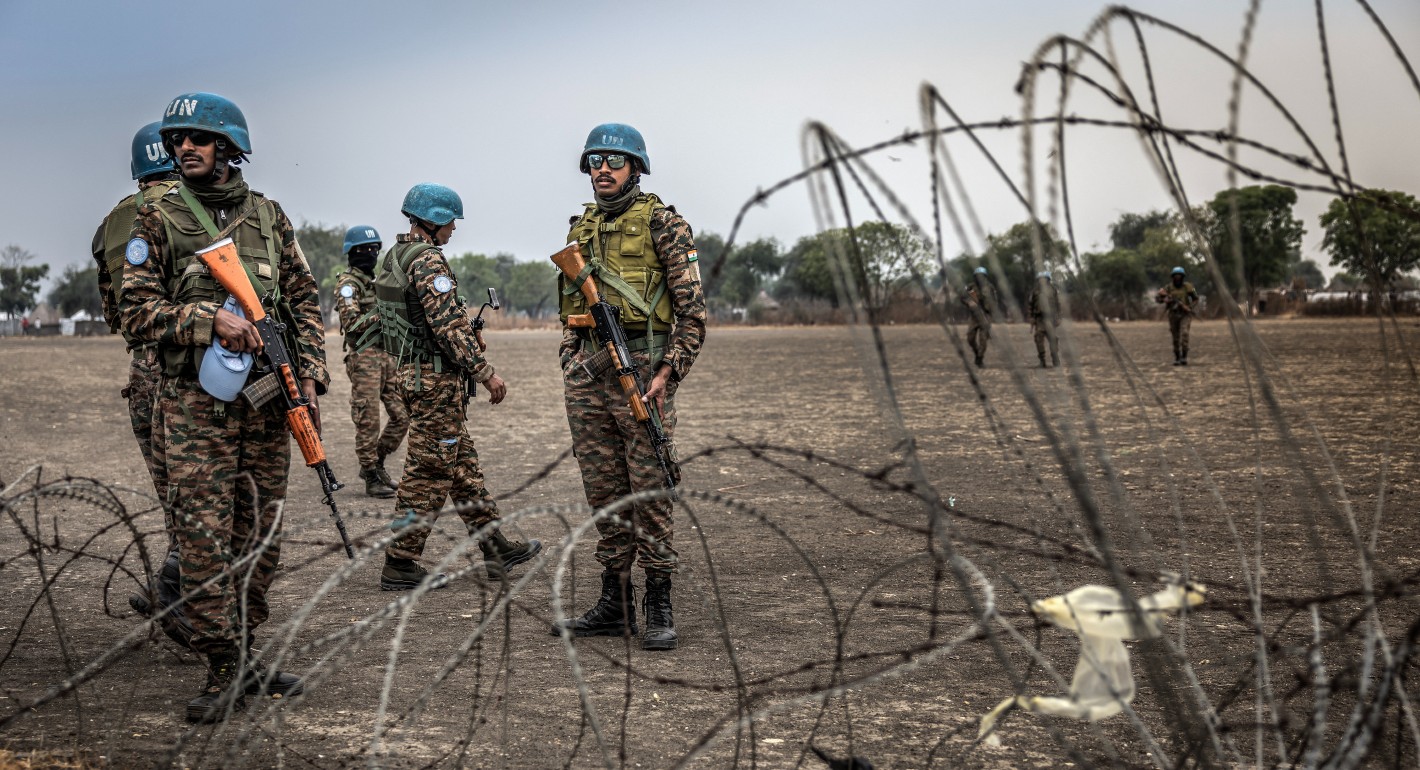
Washington’s decision to support some UN functions while letting others wither is pulling the organization apart at the seams.

Stewart Patrick, Theodore Zaritsky

While there are notable demographic, economic, and geographic divides over AI, there is also substantial alignment between Republicans and Democrats.


Ian Klaus, Mark Baldassare, Rachel George, …
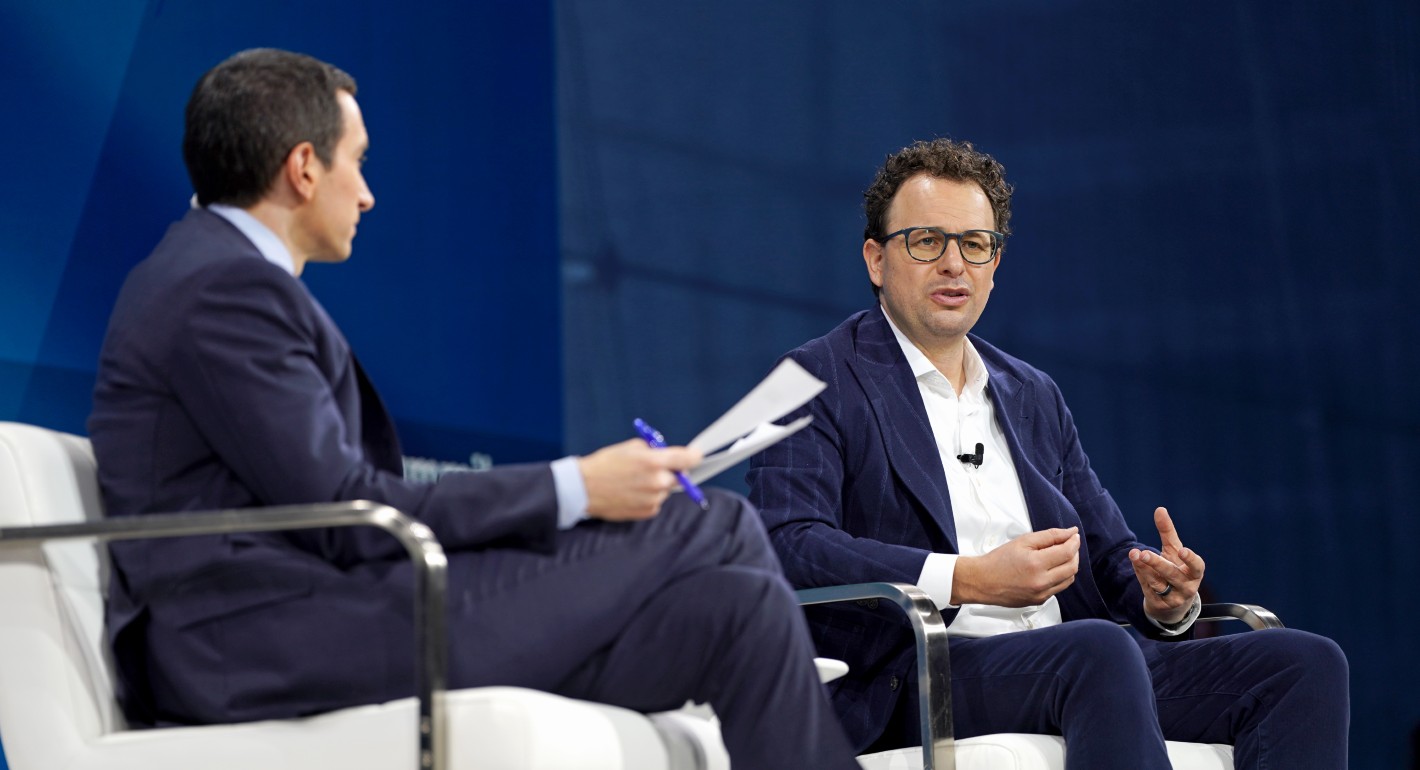
AI capabilities are moving fast. Most institutions—including governments—can’t keep up.

Anton Leicht, Scott Singer

The Bureau of Industry and Security needs to adjust its focus and practices to maintain its position as the U.S. government’s primary champion of international technological competition.

Geoffrey Irving