• Research
  • Emissary
  • About
  • Experts
Carnegie Global logoCarnegie lettermark logo
DemocracyIran
  • Donate
{
  "authors": [
    "Sarah Yerkes"
  ],
  "type": "legacyinthemedia",
  "centerAffiliationAll": "dc",
  "centers": [
    "Carnegie Endowment for International Peace"
  ],
  "collections": [],
  "englishNewsletterAll": "menaTransitions",
  "nonEnglishNewsletterAll": "",
  "primaryCenter": "Carnegie Endowment for International Peace",
  "programAffiliation": "MEP",
  "programs": [
    "Middle East"
  ],
  "projects": [
    "Tunisia Monitor"
  ],
  "regions": [
    "Middle East"
  ],
  "topics": [
    "Democracy",
    "Economy"
  ]
}
REQUIRED IMAGE

REQUIRED IMAGE

In The Media

Tunisia's Twin Democracy and Economic Crises Push it to the Brink

It looks like negotiations with the IMF are progressing. The international community is very worried about the potential for financial collapse in Tunisia and seems willing, for now, to overlook Saied’s authoritarian consolidation and push forward with assistance without political conditionality.

Link Copied
By Sarah Yerkes
Published on Jul 5, 2022
Program mobile hero image

Program

Middle East

The Middle East Program in Washington combines in-depth regional knowledge with incisive comparative analysis to provide deeply informed recommendations. With expertise in the Gulf, North Africa, Iran, and Israel/Palestine, we examine crosscutting themes of political, economic, and social change in both English and Arabic.

Learn More
Project hero Image

Project

Tunisia Monitor

Carnegie’s Tunisia Monitor project tracks the status of the country’s transition in the economic, political, and security spheres. This project provides original analysis and policy recommendations from a network of Tunisian contributors and Carnegie experts to inform decisionmakers in Tunisia, Europe, and the United States. This endeavor is supported by a grant from the Open Society Foundations.

Learn More

United States Institute of Peace

About the Author

Sarah Yerkes
Sarah Yerkes

Acting Co-Director and Senior Fellow, Middle East Program

Sarah Yerkes is acting co-director and a senior fellow in Carnegie’s Middle East Program, where her research focuses on Tunisia’s political, economic, and security developments as well as state-society relations in the Middle East and North Africa.

    Recent Work

  • Article
    The Iran War’s Climate, Environmental, and Human Security Fallout
      • Alejandro Rodriguez
      • Joy Arkeh
      • Sarah Yerkes

      Alejandro Martin Rodriguez, Joy Arkeh, Sarah Yerkes

  • Q&A
    The Migration Wave That Embarrassed Morocco and Rattled Europe
      • Alejandro Rodriguez
      • Sarah Yerkes

      Alejandro Martin Rodriguez, Sarah Yerkes

Sarah Yerkes
Acting Co-Director and Senior Fellow, Middle East Program
Sarah Yerkes
DemocracyEconomyMiddle East

Carnegie does not take institutional positions on public policy issues; the views represented herein are those of the author(s) and do not necessarily reflect the views of Carnegie, its staff, or its trustees.

More Work from Carnegie Endowment for International Peace

  • hands holding semiconductors in production
    Commentary
    BIS in the New Age of Import Controls

    The Bureau of Industry and Security needs to adjust its focus and practices to maintain its position as the U.S. government’s primary champion of international technological competition.

      • Geoffrey Irving

      Geoffrey Irving

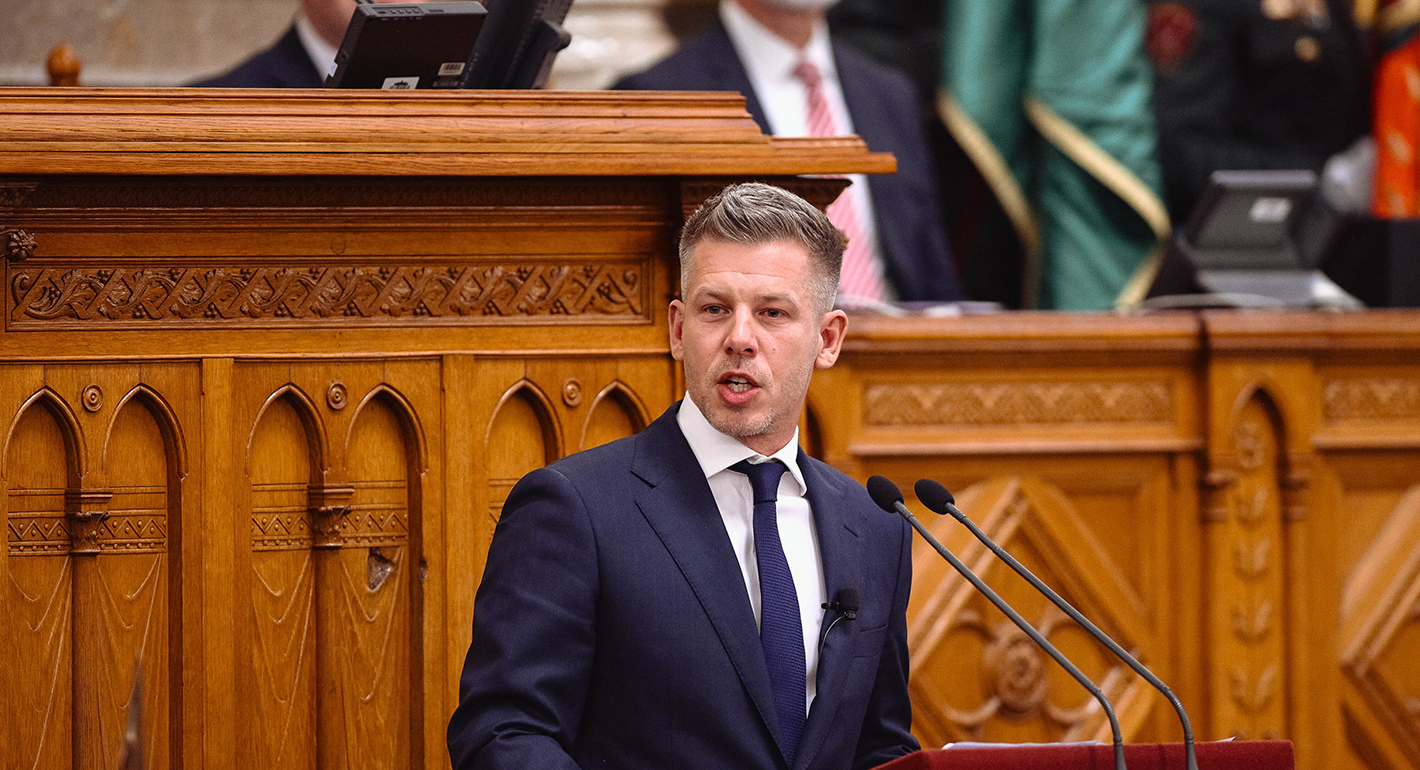
  • Peter Magyar delivers his first official speech after he was sworn into the parliament as the new Prime Minister of Hungary under the TISZA party, during today's inaugural session of the Hungarian Parliament, in Budapest, Hungary on 9 May 2026.
    Article
    How Is Hungary’s New Government Doing?

    Despite myriad challenges and occasional stumbles, the new Hungarian government is moving ahead with energy and conviction to uproot years of illiberalism and corruption and rebuild Hungarian democracy.

      Thomas Carothers

  • Commentary
    Carnegie Politika
    The Kremlin Can No Longer Postpone Hard Economic Decisions

    Depleted financial reserves and a shrinking tax base mean it is no longer possible to simultaneously deliver high defense spending, price stability, and economic growth.

      Alexandra Prokopenko

  • Photo of black smoke rising from an Iranian oil facility after an airstrike.
    Article
    The Iran War’s Climate, Environmental, and Human Security Fallout

    Understanding the climatic pain points is necessary for policymakers hoping to minimize the war’s negative environmental consequences.

      • Alejandro Rodriguez
      • Joy Arkeh
      • Sarah Yerkes

      Alejandro Martin Rodriguez, Joy Arkeh, Sarah Yerkes

  • Commentary
    Diwan
    On AI, Cairo Plays China and the U.S. Off Against Each Other

    Huawei pushed hard to enter the Egyptian data centers market, until the Americans made a better offer.

      • Angie Omar

      Angie Omar

Get more news and analysis from
Carnegie Endowment for International Peace
Carnegie global logo, stacked
1779 Massachusetts Avenue NWWashington, DC, 20036-2103Phone: 202 483 7600
  • Research
  • Emissary
  • About
  • Experts
  • Donate
  • Programs
  • Events
  • Blogs
  • Podcasts
  • Contact
  • Annual Reports
  • Careers
  • Privacy
  • For Media
  • Government Resources
Get more news and analysis from
Carnegie Endowment for International Peace
© 2026 Carnegie Endowment for International Peace. All rights reserved.