• Research
  • Emissary
  • About
  • Experts
Carnegie Global logoCarnegie lettermark logo
DemocracyIran
  • Donate
{
  "authors": [
    "Katie Auth"
  ],
  "type": "legacyinthemedia",
  "centerAffiliationAll": "dc",
  "centers": [
    "Carnegie Endowment for International Peace"
  ],
  "collections": [
    "Climate and Energy Transitions"
  ],
  "englishNewsletterAll": "africa",
  "nonEnglishNewsletterAll": "",
  "primaryCenter": "Carnegie Endowment for International Peace",
  "programAffiliation": "AFP",
  "programs": [
    "Africa"
  ],
  "projects": [],
  "regions": [
    "North America",
    "United States"
  ],
  "topics": [
    "Economy",
    "Climate Change"
  ]
}
REQUIRED IMAGE

REQUIRED IMAGE

In The Media

3 Big Ways The U.S. Inflation Reductions Act May Impact The Energy Transition In Emerging And Frontier Markets

The U.S. Inflation Reduction Act, now headed to President Biden’s desk for signature, is predominantly a domestic bill – with huge ramifications for U.S. energy, decarbonization, industrial policy, and health care. But its ripple effects will be global, with some big potential impacts on emerging and frontier economies.
Link Copied
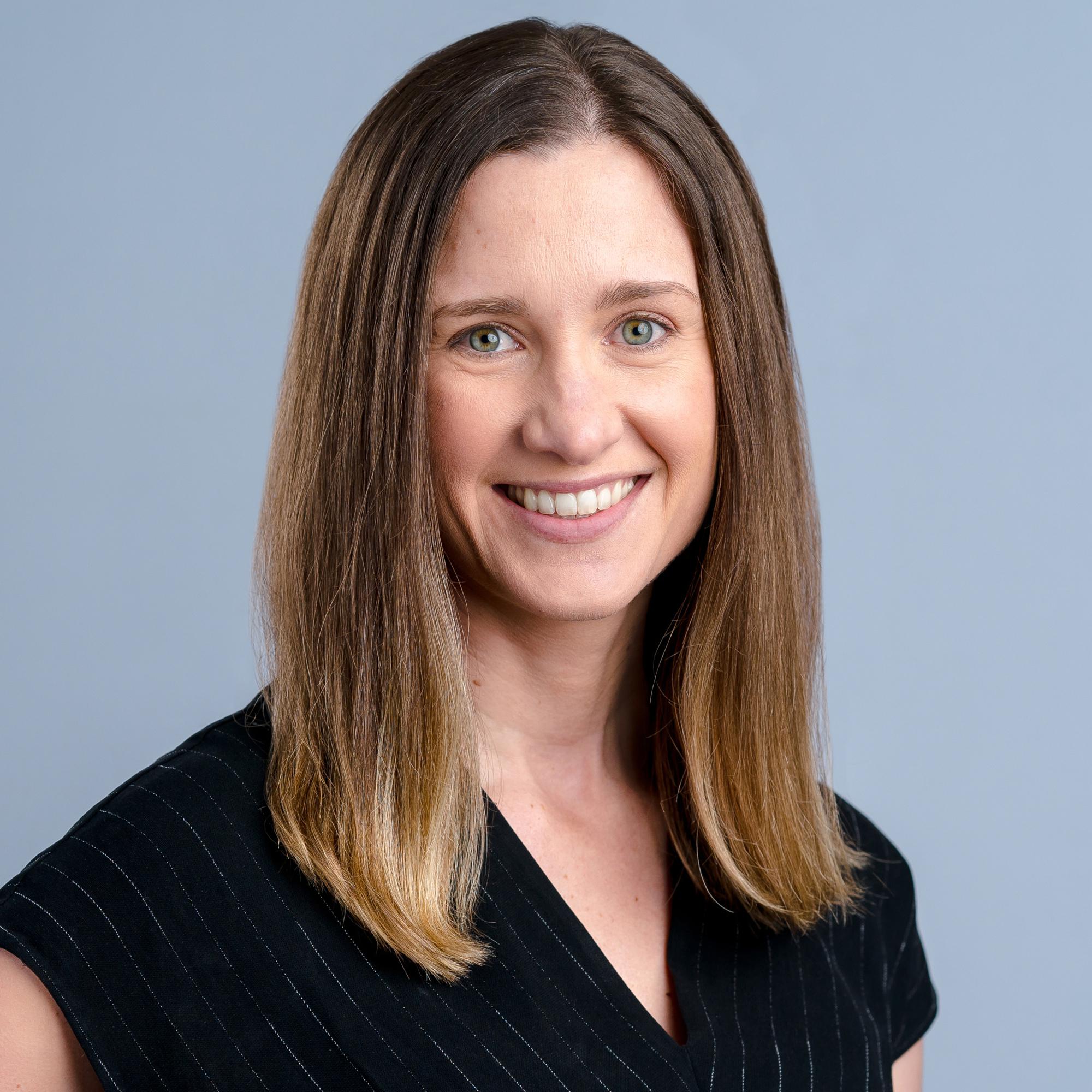
By Katie Auth
Published on Aug 15, 2022
Program mobile hero image

Program

Africa

The Africa Program focuses on economic, political, and transnational issues shaping Africa’s future. By conducting data-driven research, convening high-level dialogues, forging strategic partnerships, and amplifying African voices, the program addresses a crucial knowledge gap on Africa’s role in a changing global environment.

Learn More

Energy for Growth Hub

About the Author

Katie Auth

Nonresident Scholar, Africa Program

Katie Auth is a nonresident scholar with the Carnegie Endowment for International Peace’s Africa Program.

    Recent Work

  • Paper
    Ahead of the Deal: How the United States Can Build an Energy Project Pipeline in Emerging Markets

      Katie Auth

  • Article
    Our Shared Energy Security: Why the U.S. and Its Energy-Poor Allies Must Coinvest in Solutions—and How

      Katie Auth

Katie Auth
Nonresident Scholar, Africa Program
Katie Auth
EconomyClimate ChangeNorth AmericaUnited States

Carnegie does not take institutional positions on public policy issues; the views represented herein are those of the author(s) and do not necessarily reflect the views of Carnegie, its staff, or its trustees.

More Work from Carnegie Endowment for International Peace

  • Trump walking toward Xi, both with arms extended to shake hands
    Commentary
    Emissary
    The U.S. and China Need an AI Hotline. Here’s How to Build It.

    It should address the shortcomings of previous crisis communication efforts and adapt to the demands of frontier AI.

      • Lucy Luo

      Lucy Luo

  • Soldiers standing behind barbed wire
    Commentary
    Emissary
    The UN Isn’t Declining. It’s Decomposing.

    Washington’s decision to support some UN functions while letting others wither is pulling the organization apart at the seams.

      Stewart Patrick, Theodore Zaritsky

  • 2026 Carnegie California AI Survey
    Paper
    2026 Carnegie California AI Survey

    While there are notable demographic, economic, and geographic divides over AI, there is also substantial alignment between Republicans and Democrats.

      • Rachel George
      • +2

      Ian Klaus, Mark Baldassare, Rachel George, …

  • Two men sitting on a stage and speaking
    Commentary
    Emissary
    What Would Need to Happen to Slow AI Development?

    AI capabilities are moving fast. Most institutions—including governments—can’t keep up.

      • Anton Leicht

      Anton Leicht, Scott Singer

  • hands holding semiconductors in production
    Commentary
    BIS in the New Age of Import Controls

    The Bureau of Industry and Security needs to adjust its focus and practices to maintain its position as the U.S. government’s primary champion of international technological competition.

      • Geoffrey Irving

      Geoffrey Irving

Get more news and analysis from
Carnegie Endowment for International Peace
Carnegie global logo, stacked
1779 Massachusetts Avenue NWWashington, DC, 20036-2103Phone: 202 483 7600
  • Research
  • Emissary
  • About
  • Experts
  • Donate
  • Programs
  • Events
  • Blogs
  • Podcasts
  • Contact
  • Annual Reports
  • Careers
  • Privacy
  • For Media
  • Government Resources
Get more news and analysis from
Carnegie Endowment for International Peace
© 2026 Carnegie Endowment for International Peace. All rights reserved.