

Commentary
As the Iran war shocks oil prices, countries that have invested in renewables, EVs, and battery development since the 2022 Russian invasion of Ukraine are seeing the value of their investments.
Noah Gordon
{
  "authors": [
    "Dan Baer",
    "Justin Dargin",
    "Noah Gordon",
    "Stewart Patrick",
    "Zainab Usman"
  ],
  "type": "commentary",
  "centerAffiliationAll": "dc",
  "centers": [
    "Carnegie Endowment for International Peace"
  ],
  "collections": [
    "Climate Change"
  ],
  "englishNewsletterAll": "ctw",
  "nonEnglishNewsletterAll": "",
  "primaryCenter": "Carnegie Endowment for International Peace",
  "programAffiliation": "SCP",
  "programs": [
    "Sustainability, Climate, and Geopolitics"
  ],
  "projects": [],
  "regions": [
    "United States",
    "North America"
  ],
  "topics": [
    "Climate Change"
  ]
}
Source: Getty
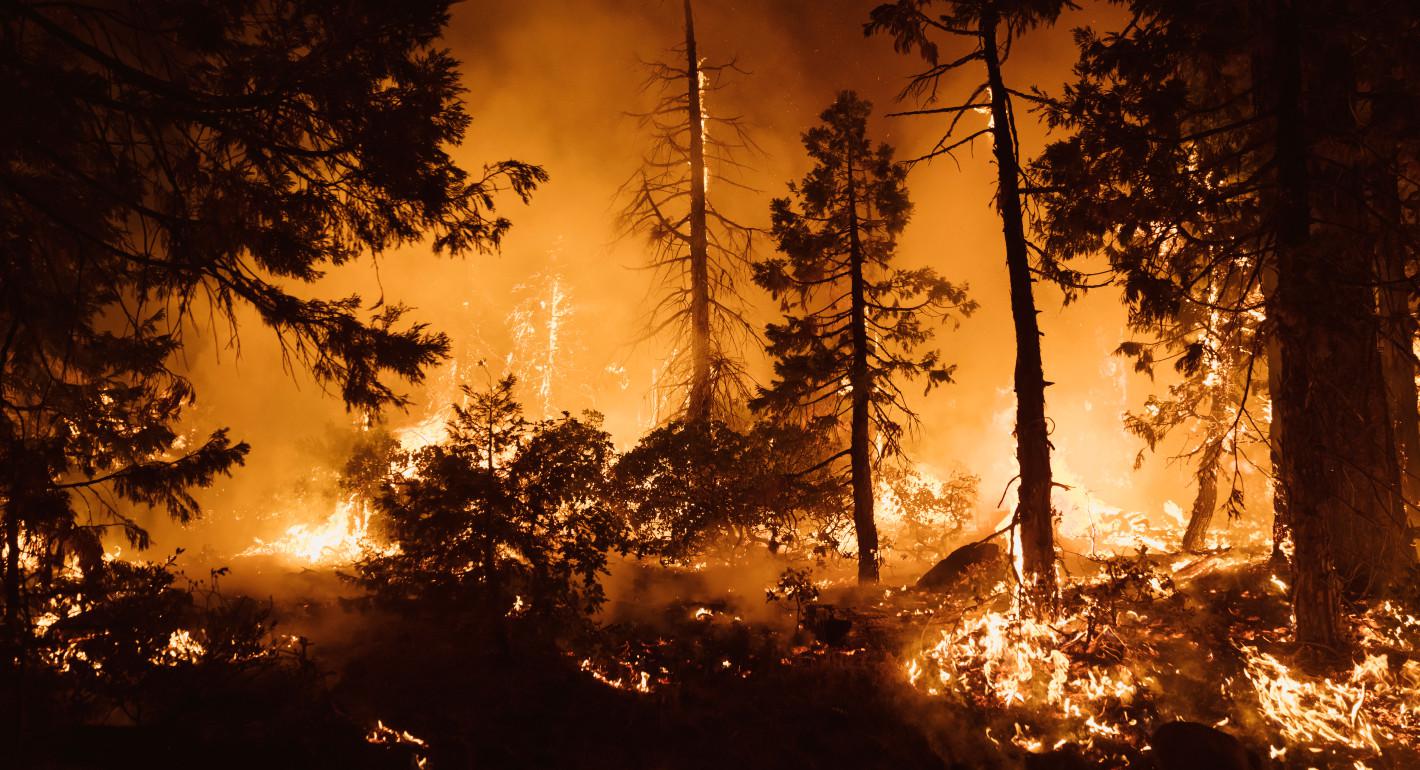
Carnegie climate experts share their recommended reads on the global warming crisis.
Climate Wars: The Fight for Survival as the World Overheats
By Gwynne Dyer

This book was a gripping (and somewhat terrifying) read. While tending to be pessimistic, the author conducted extensive research to predict what conflicts could erupt in various hot spots. The book has a high degree of readability and even today is one of the few books (that I have uncovered) that takes an unflinching assessment of the potential military responses to climate change, often in a narrative form. As many studies posit that some of the principal drivers of the stressors for the Arab Spring were precipitated by climate change, this book should add something to the discussion.
—Justin Dargin, nonresident scholar, Middle East Program
The Great Acceleration
By JR McNeill and Peter Engelke

COP27 is primarily about reducing greenhouse gas emissions and adapting to their negative effects. But it can be useful to think about climate change as one of a host of environmental problems caused by billions of humans building homes, burning fuels, and growing food on a finite planet.
We are in the Anthropocene, a planetary era defined by humanity’s impact on Earth. This impact, McNeill and Engelke argue, dramatically accelerated after 1945. Their book is a sweeping yet concise survey of modern environmental history, from air pollution to mass extinctions to excess nitrogen—and yes, the big one, climate change.
—Noah Gordon, fellow, Europe Program
The Pivotal Generation
By Henry Shue

Previous generations did not fully comprehend the dangers of burning fossil fuels and what effects our actions had on our planet. But today we have at our disposal a breadth of research compounded with the power—and the responsibility—to save our planet and its people. Developed countries—inheritors of fossil fuel benefits and liabilities—have nearly broken the proverbial camel’s back and therefore have an obligation to pull us back from the precipice of disaster, but can they act in time to mitigate the worst effects of global warming? This book is a synthesis of scientific conclusions and moral reasoning from a distinguished international relations theorist who has previously written about the morality of torture and nuclear weapons.
—Dan Baer, senior vice president for policy research and director, Europe Program
Reconsidering Reparations
By Olúfẹ́mi O. Táíwò

The R-word has been surfacing in global policy debates, broadly speaking, and within the context of the climate crisis. Countries from Pakistan to Barbados that have most recently experienced severe climate-induced disasters are starting to demand compensation for damages. Advocates for “loss and damage” who argue that “polluters must pay” are becoming louder at global climate summits.
In Reconsidering Reparations, Táíwò provides a prescient and thought-provoking perspective on the subject. The Georgetown University ethicist and professor of philosophy advances a different case for reparations: one rooted in a future that tackles the issue of climate change head on, with distributive justice at its core. His constructive view argues that reparations should be seen as a forward-thinking project engaged in building a better social order and that the costs of creating a more equitable world should be distributed more to those who have inherited the moral liabilities of past injustices.
—Zainab Usman, senior fellow and director, Africa Program
They Knew: The U.S. Federal Government’s Fifty-Year Role in Causing the Climate Crisis
By James Gustave Speth

This detailed and devastating book documents the efforts of every U.S. administration and Congress from presidents Nixon to Trump to obscure, downplay, or deny mounting scientific evidence of the reality and implications of climate catastrophe, while doubling down on the nation’s addiction to fossil fuels. Speth, who headed the White House Council on Environmental Quality under Carter and the UN Development Program in the Clinton years, compiled this mountain of evidence on behalf of a group of young climate activists who have sued the United States in federal court for violating their constitutional rights and those of future generations. The government’s actions, the author writes, constitute “the greatest dereliction of civic responsibility in the history of the Republic.”
—Stewart Patrick, senior fellow and director, Global Order and Institutions Program
Senior Vice President for Policy Research, Director, Europe Program
Dan Baer is senior vice president for policy research and director of the Europe Program at the Carnegie Endowment for International Peace. Under President Obama, he was U.S. ambassador to the Organization for Security and Cooperation in Europe (OSCE) and he also served deputy assistant secretary of state for the Bureau of Democracy, Human Rights, and Labor.

Former Nonresident Scholar Middle East Program
Justin Dargin was a nonresident scholar in the Middle East Program who has extensive experience working on a multitude of issues relating to the global and Middle East/North Africa energy sectors, geopolitical affairs, climate change, emergent carbon markets, and regional industrialization.

Fellow, Sustainability, Climate, and Geopolitics Program and Fellow, Europe Program
Noah J. Gordon is a fellow in the Sustainability, Climate, and Geopolitics Program at the Carnegie Endowment for International Peace in Washington, DC.

Senior Fellow and Director, Global Order and Institutions Program
Stewart Patrick is a senior fellow and director of the Global Order and Institutions Program at the Carnegie Endowment for International Peace. His primary areas of research focus are the shifting foundations of world order, the future of American internationalism, and the requirements for effective multilateral cooperation on transnational challenges.
Former Director, Africa Program
Zainab Usman was a senior fellow and the inaugural director of the Africa Program at the Carnegie Endowment for International Peace.
Carnegie does not take institutional positions on public policy issues; the views represented herein are those of the author(s) and do not necessarily reflect the views of Carnegie, its staff, or its trustees.
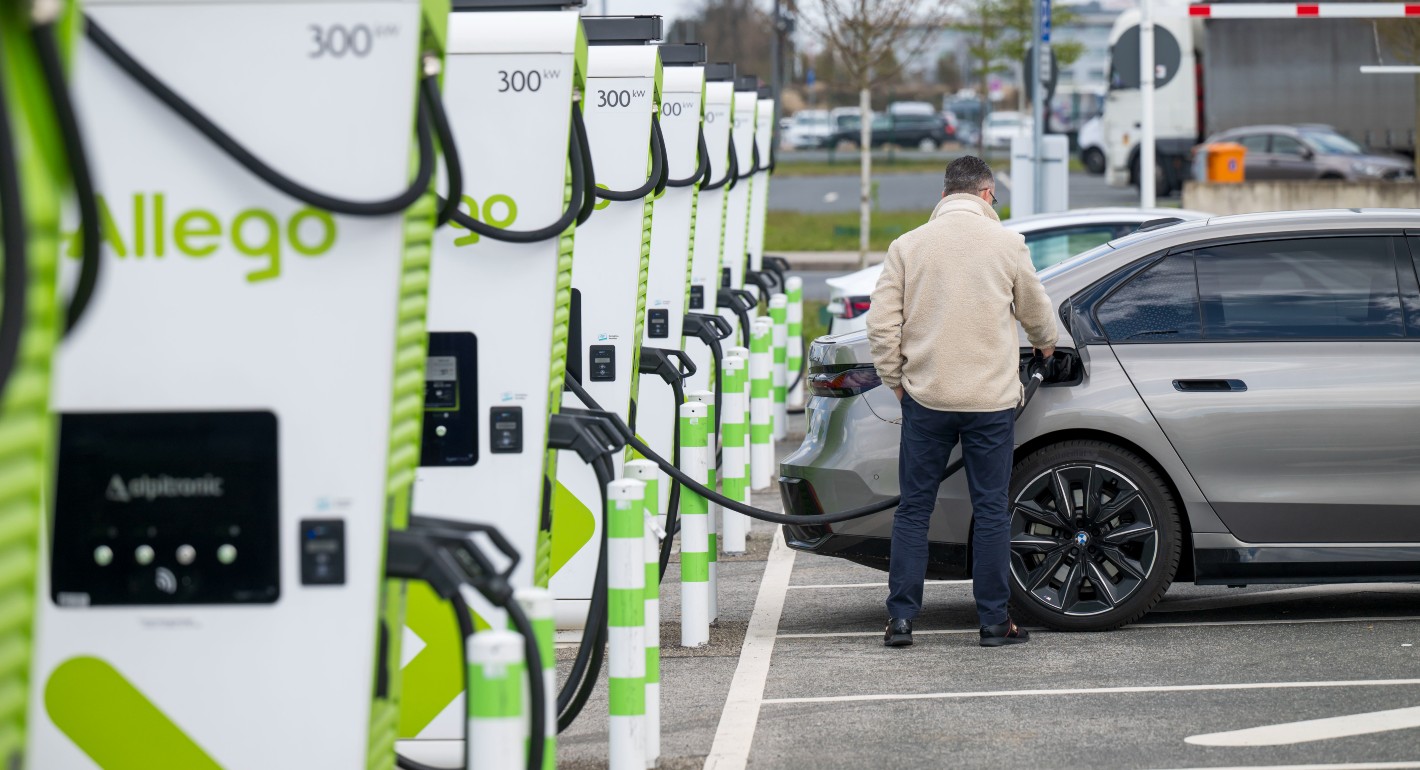
As the Iran war shocks oil prices, countries that have invested in renewables, EVs, and battery development since the 2022 Russian invasion of Ukraine are seeing the value of their investments.
Noah Gordon
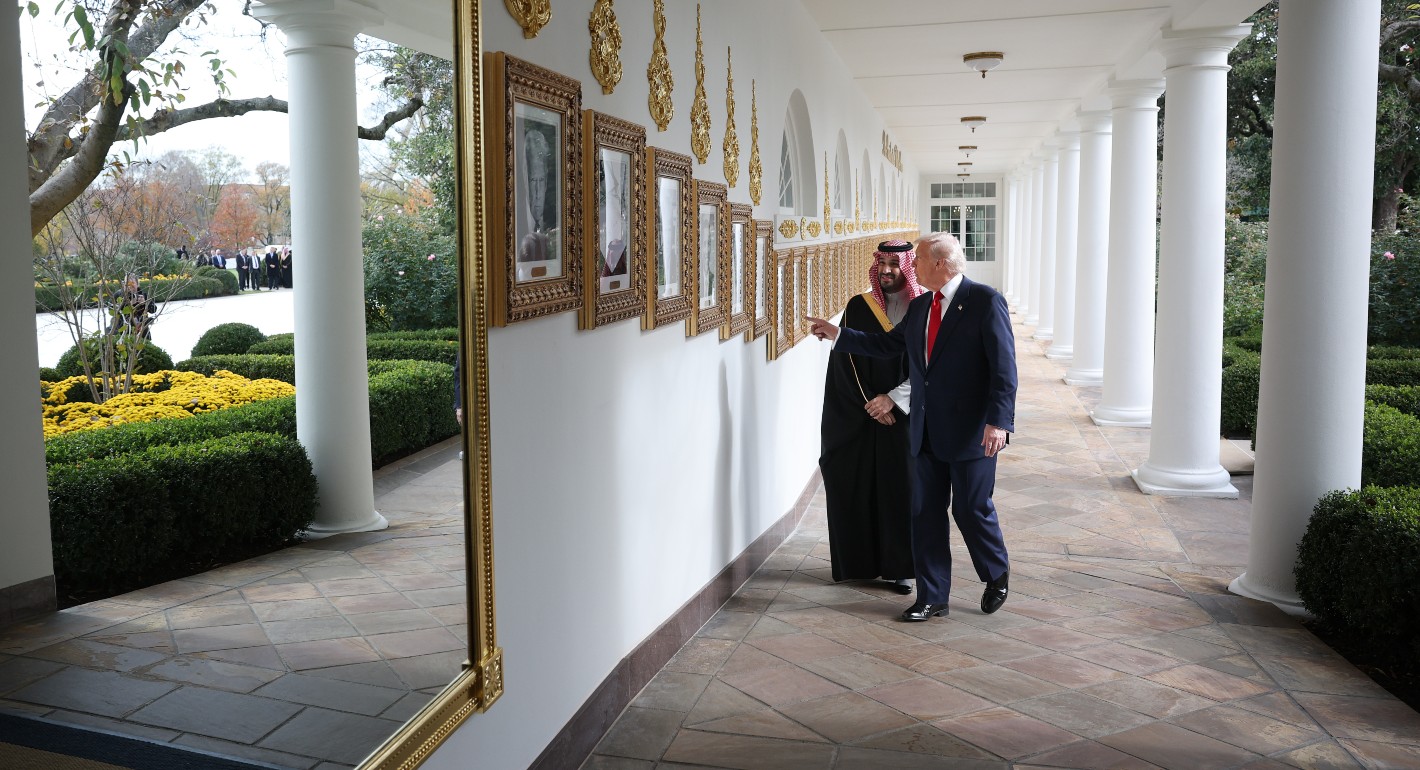
Neither the Abraham Accords nor the presence of large U.S. bases are enough to protect Arab Gulf states.

Marwan Muasher
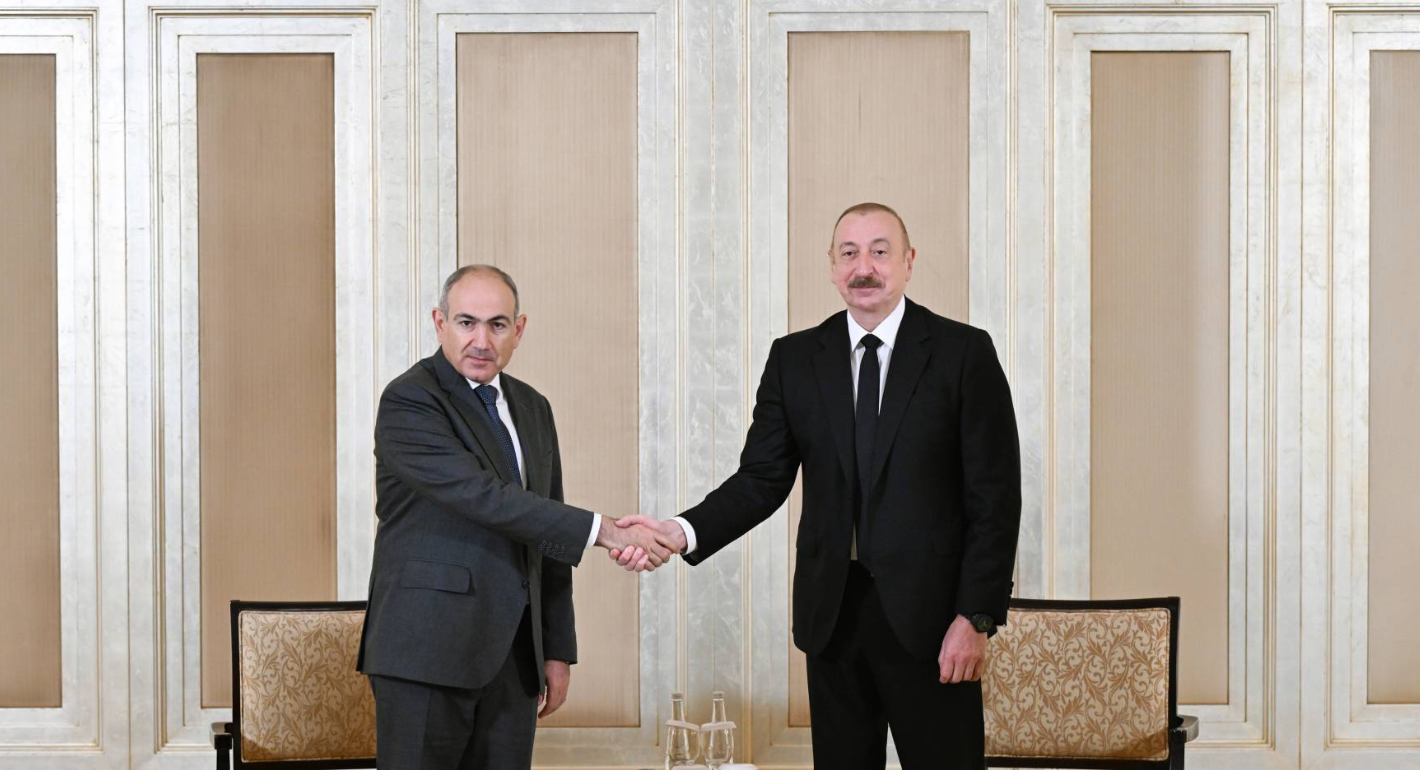
The U.S.-sponsored TRIPP deal is driving the Armenia-Azerbaijan peace process forward. But foreign and domestic hurdles remain before connectivity and economic interdependence can open up the South Caucasus.


Thomas de Waal, Areg Kochinyan, Zaur Shiriyev
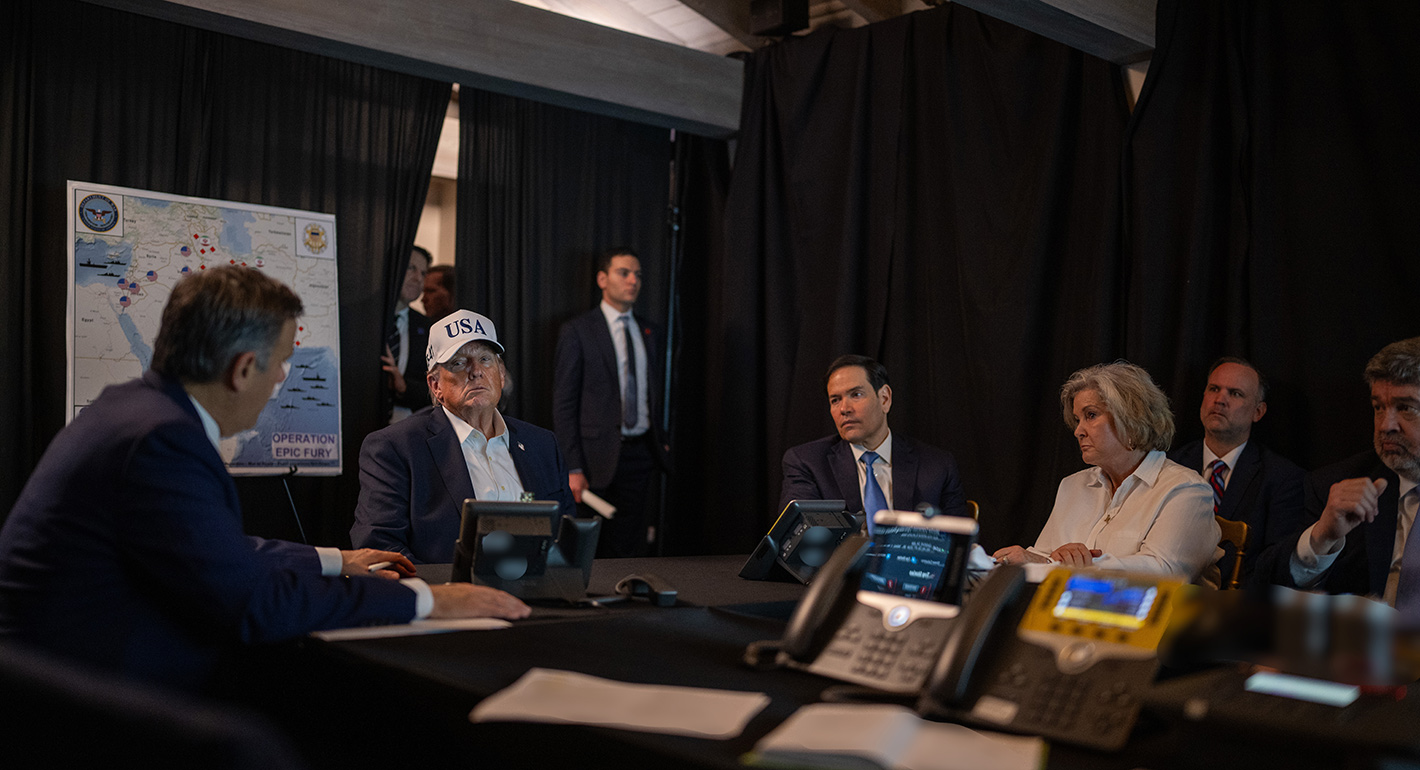
Assessing U.S. compliance with the international laws of war is essential at a time when these frameworks are already fraying.
Federica D’Alessandra
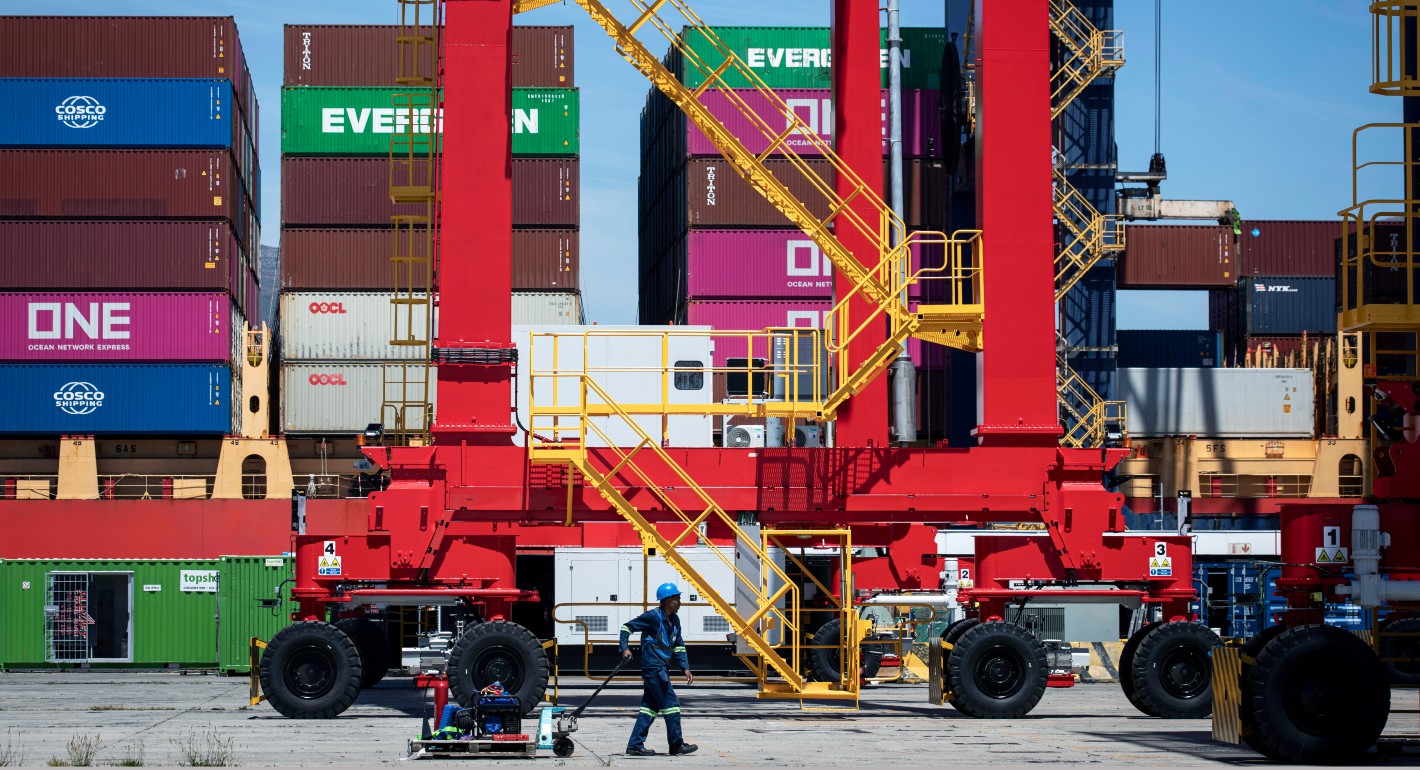
In key sectors such as critical minerals, specialty agriculture, and fintech, Africa can become a global powerhouse by investing more in manufacturing, value-add, and scaling.
Kholofelo Kugler, Georgia Schaefer-Brown