

Commentary
The books, podcasts, and films that explain the world it made.
Andrew Leber
{
  "authors": [],
  "type": "scholarSpotlight",
  "centerAffiliationAll": "dc",
  "centers": [
    "Carnegie Endowment for International Peace"
  ],
  "collections": [],
  "englishNewsletterAll": "americanStatecraft",
  "nonEnglishNewsletterAll": "",
  "primaryCenter": "Carnegie Endowment for International Peace",
  "programAffiliation": "ASP",
  "programs": [
    "American Statecraft"
  ],
  "projects": [],
  "regions": [
    "North America",
    "United States"
  ],
  "topics": [
    "Foreign Policy"
  ]
}
Source: Getty
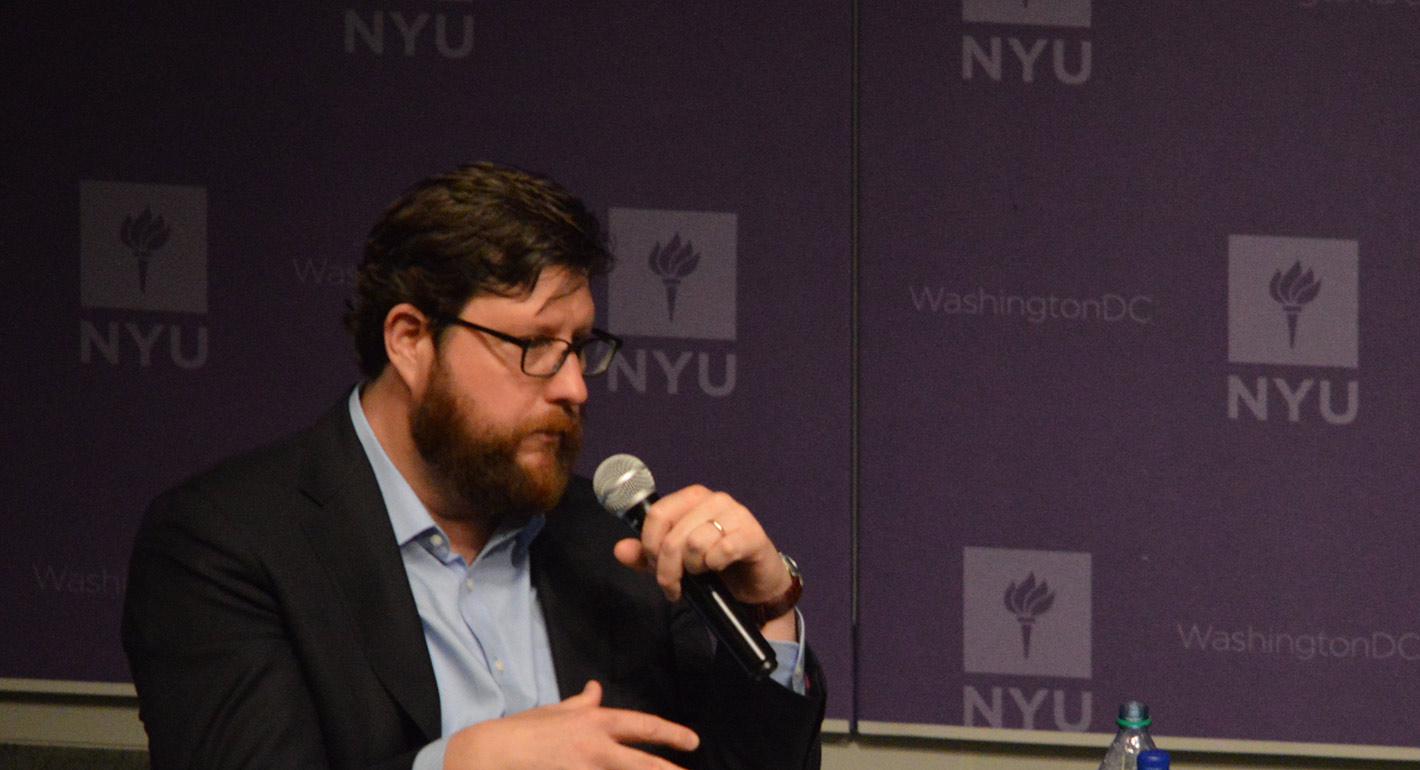
This is a moment of opportunity to have more of an open debate about what U.S. foreign policy is really for, what it aims to achieve, and for whom.
As the last several years have shown, Americans of all political persuasions have profound questions and concerns about U.S. foreign policy. They see incredibly destructive and costly military interventions of the past twenty years that have achieved very little beyond destabilizing the Middle East. They see global trade deals that have shipped manufacturing jobs overseas and hollowed out once-thriving cities and towns. They wonder whether and how America’s expansive global role is actually helping them, their families, and their communities.
This is a moment of opportunity to have more of an open debate about what U.S. foreign policy is really for, what it aims to achieve, and for whom. I’m glad to be able to join Carnegie to participate in this conversation, both in the United States and with colleagues around the world.
In the past five and a half years, I’ve had the chance to delve into numerous global issues as foreign policy adviser to Senator Bernie Sanders of Vermont. One of the very first foreign policy speeches Sanders delivered after I joined his team was at the Carnegie Endowment in June 2017. The speech focused on the interlinked threats of authoritarianism, oligarchy, and corruption, and many of the ideas presented in it have now become mainstream.
Over fifteen years in Washington, DC, I’ve had the opportunity to work closely with colleagues in the Middle East and hear how communities there have been impacted by American foreign policy, as well as how these policies have impacted communities here in the United States. In 2011 and 2015, I co-authored Fear, Inc., a series of reports that researched and analyzed the prevalence of anti-Muslim rhetoric in U.S. media and political discourse.
The main global challenges of today—climate change, pandemics, food insecurity, corruption, and soaring inequality—are shared, and our response must be shared as well. No one country can address these challenges alone. But in order to do that we need to forge a shared understanding of what we are trying to achieve in the world, of what American foreign policy is actually for. I hope my work at Carnegie can continue to constructively challenging outdated notions and offer ideas toward a new and durable foreign policy consensus that both promotes the security and prosperity of the American people and a more peaceful and just interaction with the world.
Carnegie does not take institutional positions on public policy issues; the views represented herein are those of the author(s) and do not necessarily reflect the views of Carnegie, its staff, or its trustees.

The books, podcasts, and films that explain the world it made.

Andrew Leber

U.S. trading partners in Asia are closely watching the dispute for signs of how it may affect their own interests.
Barbara Weisel

The aftermath of the Ceuta crisis shows Europe has drawn the wrong lessons. Rather than doubling down on failed migration policies, the EU needs to address the underlying roots of such episodes.

Richard Youngs
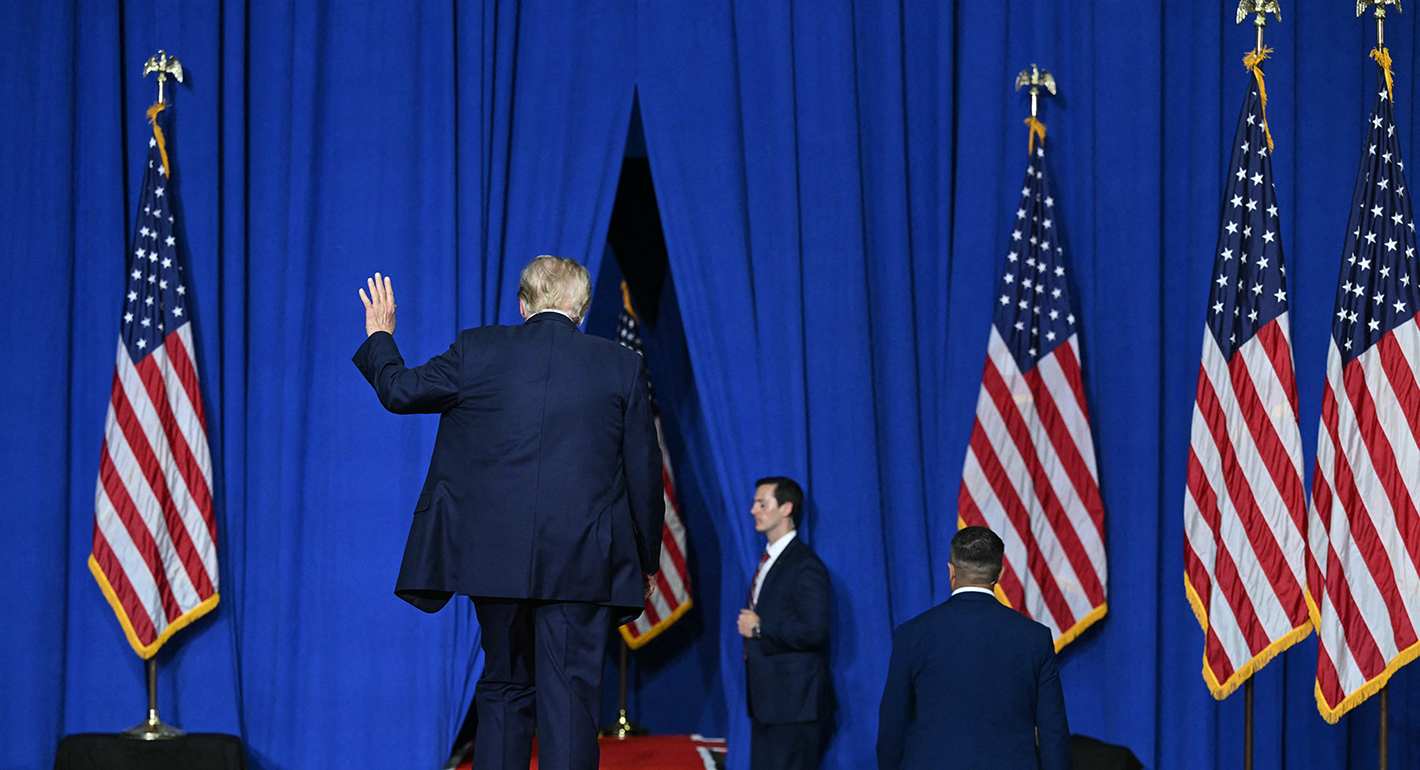
By abandoning past U.S. pro-democracy policies and adopting several lines of pro-autocratic action, the Trump administration has fundamentally repositioned the United States vis-à-vis democracy in the world.

Thomas Carothers
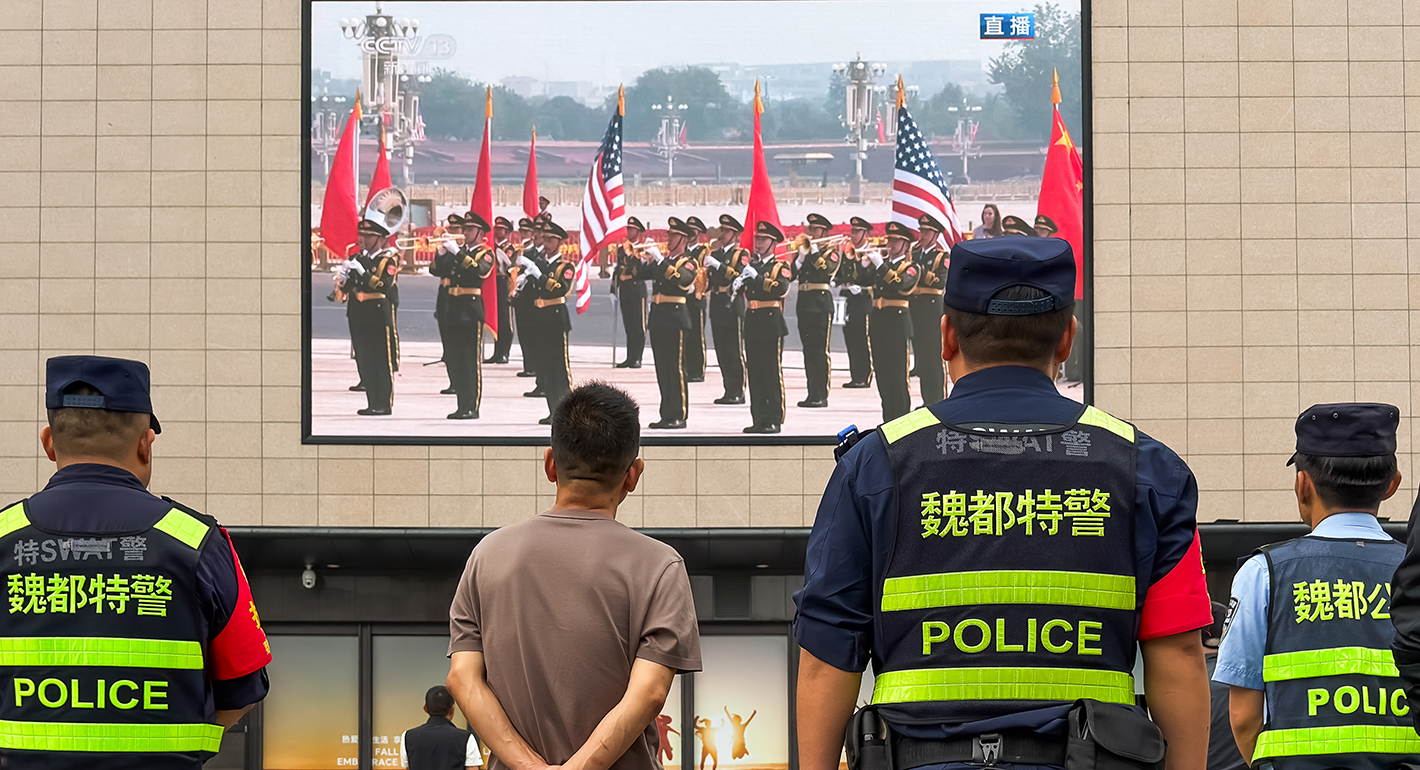
Chinese strategists are once again debating whether American power is declining and whether U.S. hegemony is experiencing irreversible decay.
Wu Xinbo