• Research
  • Emissary
  • About
  • Experts
Carnegie Global logoCarnegie lettermark logo
DemocracyIran
  • Donate
{
  "authors": [
    "Matias Spektor"
  ],
  "type": "legacyinthemedia",
  "centerAffiliationAll": "dc",
  "centers": [
    "Carnegie Endowment for International Peace"
  ],
  "collections": [],
  "englishNewsletterAll": "ctw",
  "nonEnglishNewsletterAll": "",
  "primaryCenter": "Carnegie Endowment for International Peace",
  "programAffiliation": "SCP",
  "programs": [
    "Sustainability, Climate, and Geopolitics"
  ],
  "projects": [],
  "regions": [],
  "topics": [
    "Political Reform",
    "Democracy",
    "Foreign Policy"
  ]
}
REQUIRED IMAGE

REQUIRED IMAGE

In The Media

BRICS and the Emerging New World Order

The countries of the Global South don't want to blindly follow the West because they are not sure if the West will survive in its current form. But they don't want to tie themselves up with China either, and certainly not with Russia.
Link Copied
By Matias Spektor
Published on Aug 28, 2023
Program mobile hero image

Program

Sustainability, Climate, and Geopolitics

The Sustainability, Climate, and Geopolitics Program explores how climate change and the responses to it are changing international politics, global governance, and world security. Our work covers topics from the geopolitical implications of decarbonization and environmental breakdown to the challenge of building out clean energy supply chains, alternative protein options, and other challenges of a warming planet.

Learn More

About the Author

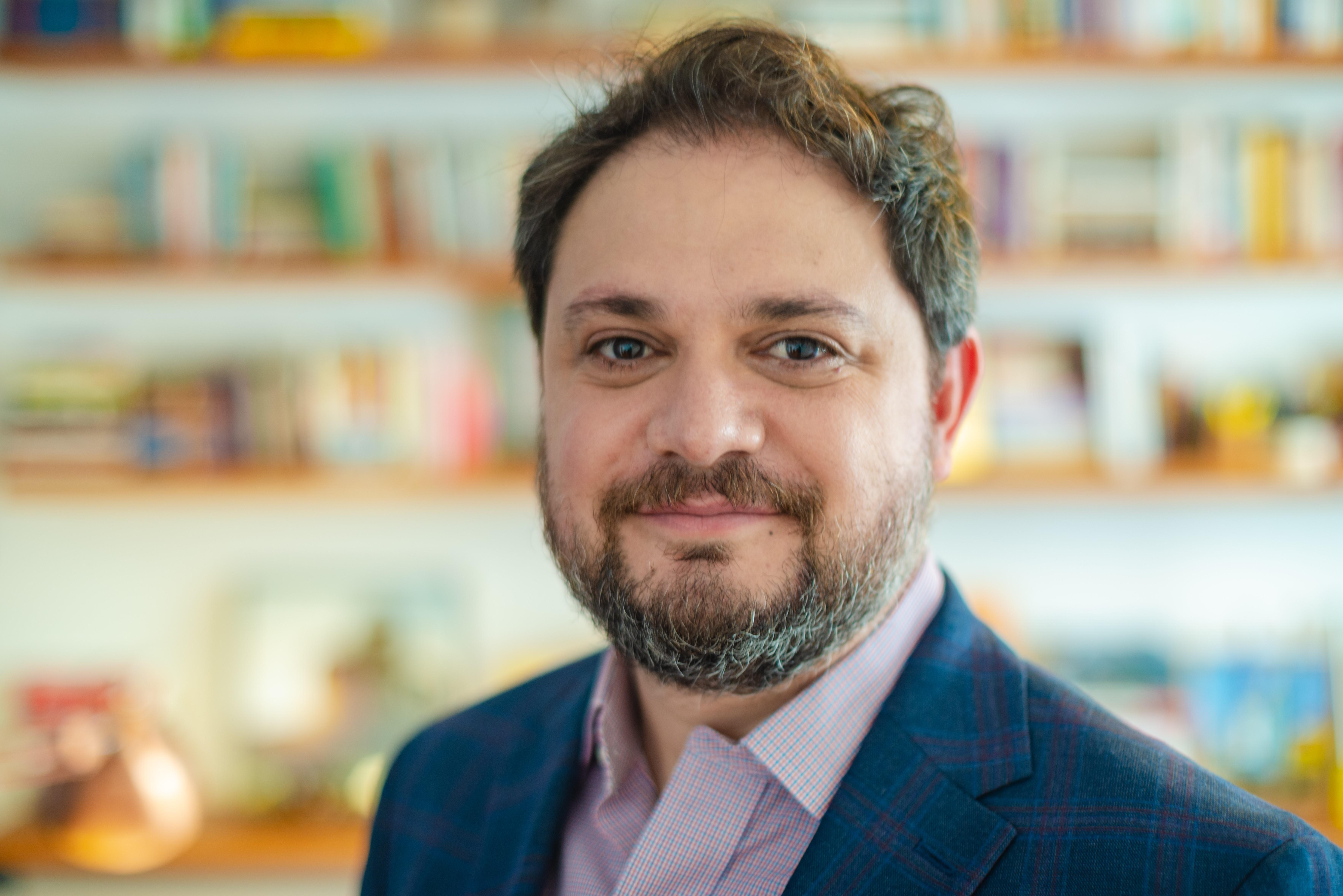
Matias Spektor

Former Nonresident Scholar, Sustainability, Climate, and Geopolitics Program

Matias Spektor was a nonresident scholar affiliated with the Sustainability, Climate, and Geopolitics Program at the Carnegie Endowment for International Peace.

    Recent Work

  • Research
    UN Security Council Reform: What the World Thinks
      • +13

      Stewart Patrick, Sithembile Mbete, Matias Spektor, …

Matias Spektor
Former Nonresident Scholar, Sustainability, Climate, and Geopolitics Program
Matias Spektor
Political ReformDemocracyForeign Policy

Carnegie does not take institutional positions on public policy issues; the views represented herein are those of the author(s) and do not necessarily reflect the views of Carnegie, its staff, or its trustees.

More Work from Carnegie Endowment for International Peace

  • Research
    Book Review of Enduring Hostility: The Making of America’s Iran Policy

    A review of a detailed account of how antipathy toward Tehran has assumed a life and logic of its own in Washington, DC.

      • Jane Darby Menton

      Jane Darby Menton

  • Turkish President and Leader of the Justice and Development (AK) Party Recep Tayyip Erdogan attends the AK Party Ankara Branch gathering at ATO Congresium in Ankara, Turkiye on June 22, 2026
    Paper
    The Dual Imperative in Turkish Foreign Policy: Right-Wing Populists and Their Opposition

    Turkish right-wing populists have been trying to advance the country’s middle-power goals based on perceptions of what the public wants, but they have been doing so in ways that reinforce their project of autocratic political consolidation.

      • Murat Somer

      Murat Somer

  • De la Espriella moving through a crowd and smiling
    Commentary
    Emissary
    Trump Can Play Kingmaker in Latin America. He Can’t Build Lasting Influence.

    In Colombia and elsewhere in the region, the United States is trying to shape election outcomes—but at what cost?

      Oliver Stuenkel, Adrian Feinberg

  • Commentary
    Carnegie Politika
    Iran War Fallout Gifts Putin Diplomatic Victory at ASEAN Summit

    Russia looks set to reap economic benefits from closer ties with Southeast Asian countries that are keen to find reliable energy suppliers and diversify trade ties.

      • Alexander Gabuev

      Alexander Gabuev

  • Commentary
    Strategic Europe
    The Trump-Shaped Hole in the European Security Strategy

    There is an elephant in the room when it comes to the EU’s upcoming security strategy: Donald Trump. Unless European leaders acknowledge the depth of the transatlantic crisis, true autonomy will remain out of reach.

      Stefan Lehne

Get more news and analysis from
Carnegie Endowment for International Peace
Carnegie global logo, stacked
1779 Massachusetts Avenue NWWashington, DC, 20036-2103Phone: 202 483 7600
  • Research
  • Emissary
  • About
  • Experts
  • Donate
  • Programs
  • Events
  • Blogs
  • Podcasts
  • Contact
  • Annual Reports
  • Careers
  • Privacy
  • For Media
  • Government Resources
Get more news and analysis from
Carnegie Endowment for International Peace
© 2026 Carnegie Endowment for International Peace. All rights reserved.