• Research
  • Emissary
  • About
  • Experts
Carnegie Global logoCarnegie lettermark logo
DemocracyIran
  • Donate
{
  "authors": [
    "Jennifer Kavanagh"
  ],
  "type": "other",
  "centerAffiliationAll": "dc",
  "centers": [
    "Carnegie Endowment for International Peace"
  ],
  "collections": [],
  "englishNewsletterAll": "americanStatecraft",
  "nonEnglishNewsletterAll": "",
  "primaryCenter": "Carnegie Endowment for International Peace",
  "programAffiliation": "ASP",
  "programs": [
    "American Statecraft"
  ],
  "projects": [],
  "regions": [
    "North America",
    "United States",
    "East Asia",
    "China"
  ],
  "topics": [
    "Foreign Policy"
  ]
}
Source: Getty

Other

The Elusive Indo-Pacific Coalition: Why Geography Matters

An explanation on why Asia's geography is interfering with Biden's coalition building in the region--and why this will be hard to overcome.
Link Copied
By Jennifer Kavanagh
Published on Apr 15, 2024
Program mobile hero image

Program

American Statecraft

The American Statecraft Program develops and advances ideas for a more disciplined U.S. foreign policy aligned with American values and cognizant of the limits of American power in a more competitive world.

Learn More

About the Author

Jennifer Kavanagh

Former Senior Fellow, American Statecraft Program

Jennifer Kavanagh was a senior fellow in the American Statecraft Program at the Carnegie Endowment for International Peace.

    Recent Work
  • Report
    Strategic Change in U.S. Foreign Policy
      • Christopher Chivvis
      • +4

      Christopher S. Chivvis, Jennifer Kavanagh, Sahil Lauji, …
  • Paper
    U.S. Engagement in the Indo-Pacific: Don’t Trade Away Trade
      • Tino Cuellar

      Jennifer Kavanagh, Mariano-Florentino (Tino) Cuéllar

Jennifer Kavanagh
Former Senior Fellow, American Statecraft Program
Jennifer Kavanagh
Foreign PolicyNorth AmericaUnited StatesEast AsiaChina

Carnegie does not take institutional positions on public policy issues; the views represented herein are those of the author(s) and do not necessarily reflect the views of Carnegie, its staff, or its trustees.

More Work from Carnegie Endowment for International Peace

  • People standing in a line at dusk
    Commentary
    California’s Direct Democracy and State Policymaking in the Midterms

    Voters sent mixed messages about funding priorities.

      • Ian Klaus

      Mark Baldassare, Ian Klaus

  • Commentary
    Carnegie Politika
    What’s Behind South Korea’s Rift With Ukraine and Turn Toward Russia?

    There are limits as to how far the shift in South Korea’s foreign policy will go.

      James D.J. Brown
  • Commentary
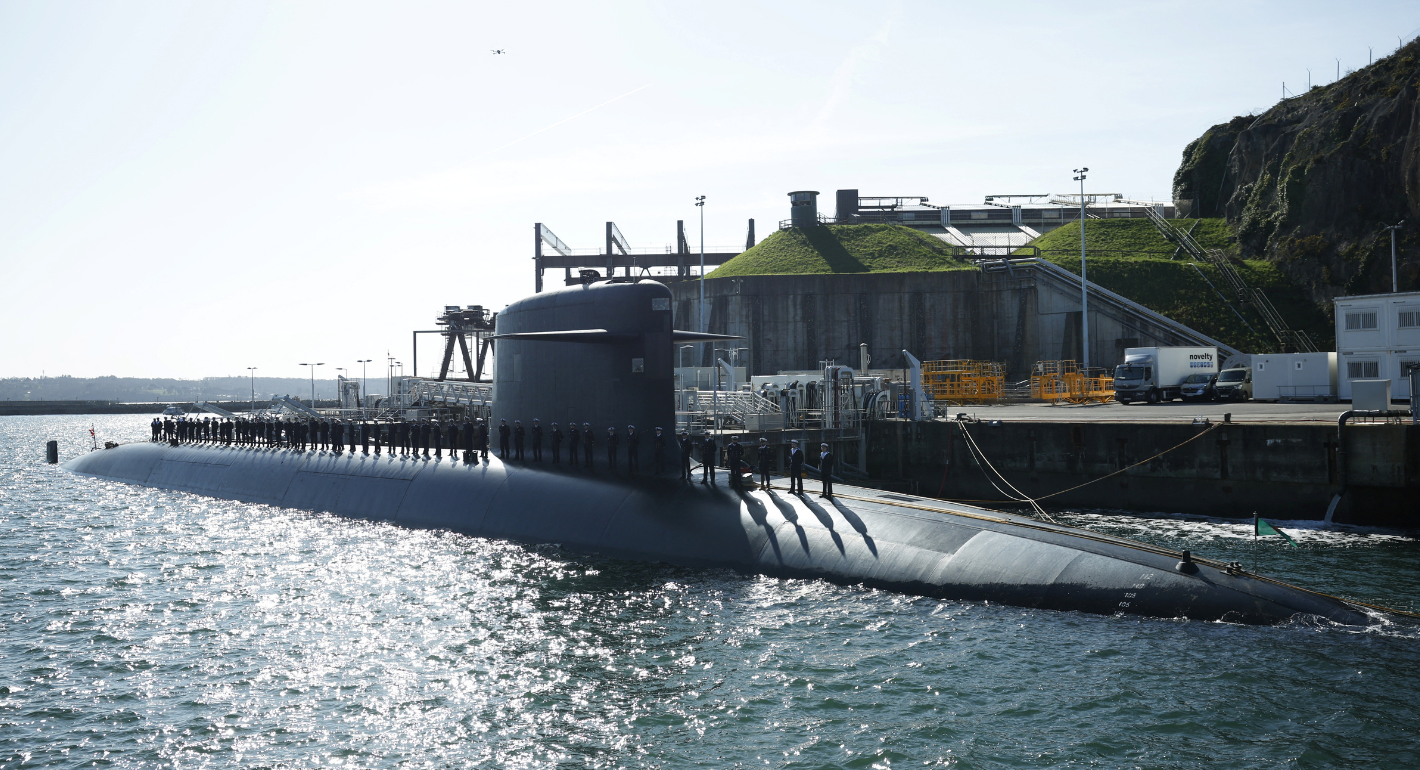
    A New Age of Nuclear Policy: Perspectives from Gen Z

    As the nuclear order rapidly evolves, what can Europeans and other key players do to strengthen deterrence and reduce risks?
      • Jamie Kwong

      Jamie Kwong, ed.

  • Commentary
    Strategic Europe
    Taking the Pulse: Can Europe Fund Ukraine Without Russian Assets?

    A sizeable funding shortfall looks increasingly likely to hit Ukraine in 2027. Can the Europeans, with their strained budgets and economies, come up with the cash without seizing frozen Russian assets?

      • Rym Momtaz

      Rym Momtaz, ed.

  • Commentary
    Carnegie Politika
    How Realistic Is a U.S.-Brokered Gas Deal Between Russia and the EU?

    A gas deal would create palpable economic value, but it wouldn’t fundamentally change the position of either Russia or the EU.
      • Sergey Vakulenko

      Sergey Vakulenko

Get more news and analysis from
Carnegie This Week
Carnegie global logo, stacked
1779 Massachusetts Avenue NWWashington, DC, 20036-2103Phone: 202 483 7600
  • Research
  • Emissary
  • About
  • Experts
  • Donate
  • Programs
  • Events
  • Blogs
  • Podcasts
  • Contact
  • Annual Reports
  • Careers
  • Privacy
  • For Media
  • Government Resources
Get more news and analysis from
Carnegie This Week
© 2026 Carnegie Endowment for International Peace. All rights reserved.