Article
Pieter Bottelier
{
  "authors": [
    "Pieter Bottelier"
  ],
  "type": "legacyinthemedia",
  "centerAffiliationAll": "dc",
  "centers": [
    "Carnegie Endowment for International Peace"
  ],
  "collections": [],
  "englishNewsletterAll": "asia",
  "nonEnglishNewsletterAll": "",
  "primaryCenter": "Carnegie Endowment for International Peace",
  "programAffiliation": "AP",
  "programs": [
    "Asia"
  ],
  "projects": [],
  "regions": [
    "East Asia",
    "China",
    "North America"
  ],
  "topics": [
    "Economy",
    "Trade"
  ]
}
Source: Getty
China’s quick recovery from the Great Recession has raised questions about its role in the world economy and its relationship with the United States, where economic growth has been slow to return.
Source: C-SPAN

Bottelier notes that the flare-up between U.S. and Chinese leaders over the value of China’s currency is problematic. Seeking an “adversarial relationship with China on trade is unwarranted and dangerous,” he warns. Tariffs on Chinese goods would make imports from China more expensive and create almost no jobs in the United States, since importers would simply look for new sources of goods rather than moving production to the United States. In short, Bottelier says, “by punishing China, there is very little that the United States can do without punishing itself.”
Rather than blame Beijing, the United States should see China as an opportunity. China and other large emerging markets could become extremely important sources for consumption of U.S. goods. This process will take time, however, as consumption is currently “too low in China, but this only indicates that there is an enormous potential for growth,” concludes Bottelier.

Former Nonresident Scholar, International Economics Program
Bottelier was a nonresident scholar in Carnegie’s International Economics Program and senior adjunct professor of China studies at the School of Advanced International Studies (SAIS), the Johns Hopkins University. His work currently focuses on China’s economic reform and development.
Recent Work
Pieter Bottelier
Pieter Bottelier
Carnegie does not take institutional positions on public policy issues; the views represented herein are those of the author(s) and do not necessarily reflect the views of Carnegie, its staff, or its trustees.
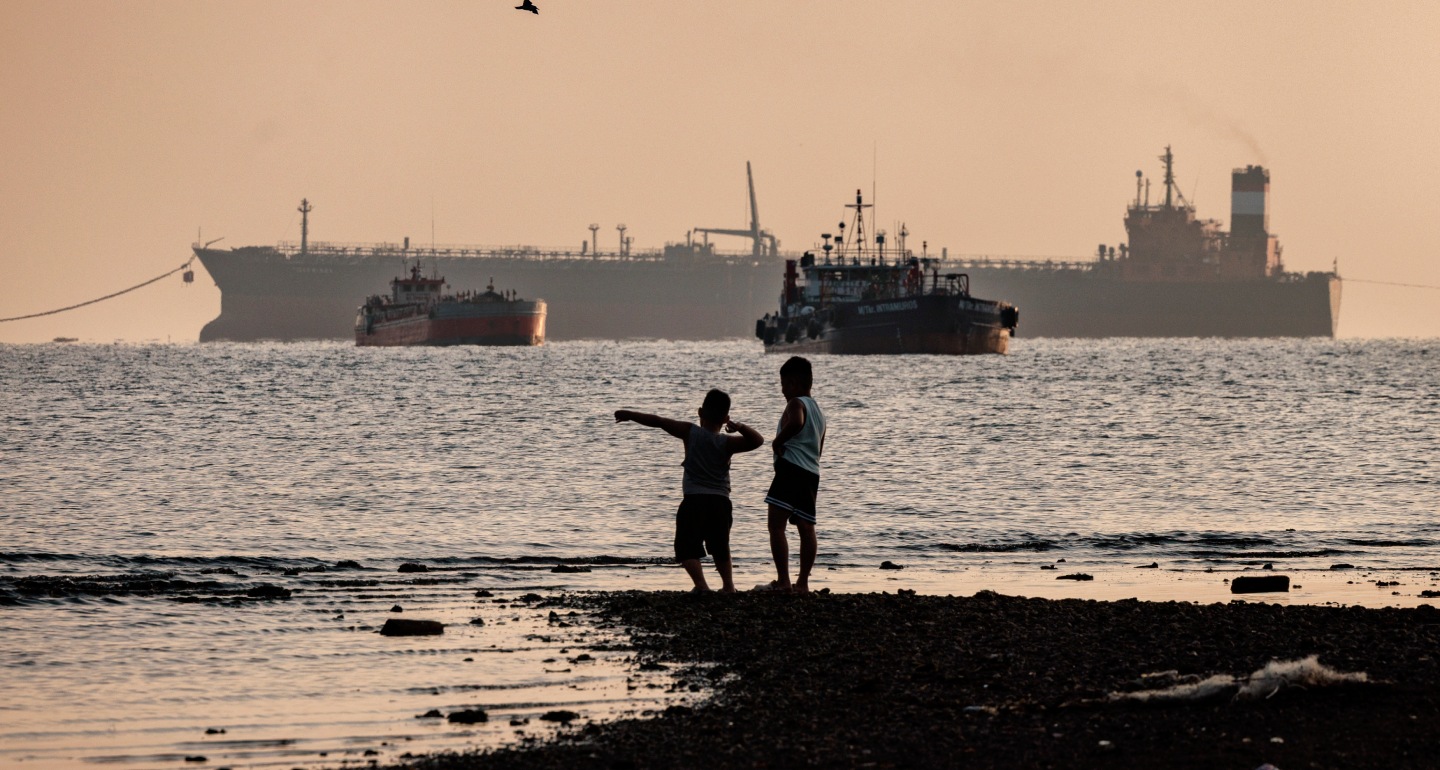
Although Ukrainian strikes have led to a noticeable decline in the physical volume of Russian oil exports, the rise in prices has more than made up for it.

Sergey Vakulenko
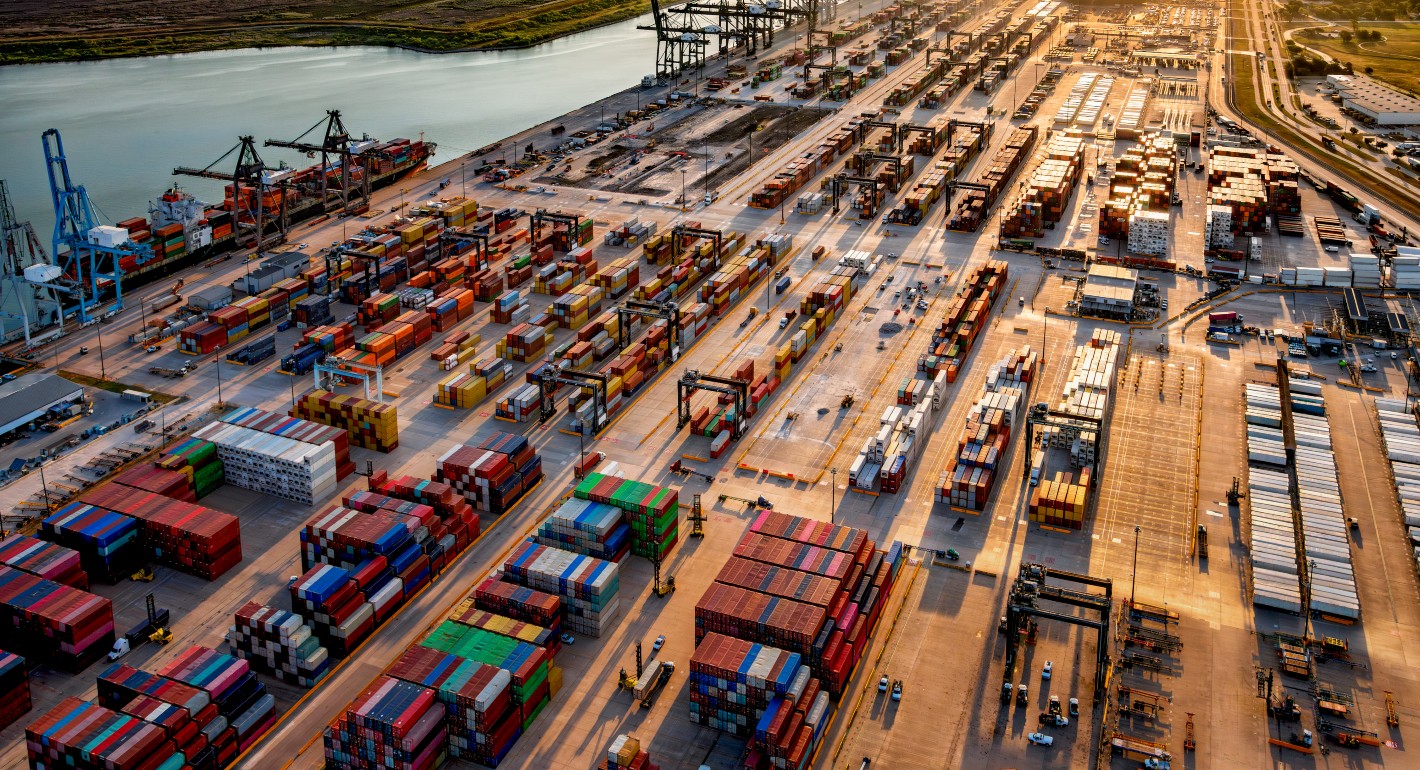
Five problems—and solutions—to make it actually work as a tool of great power competition.

Afreen Akhter
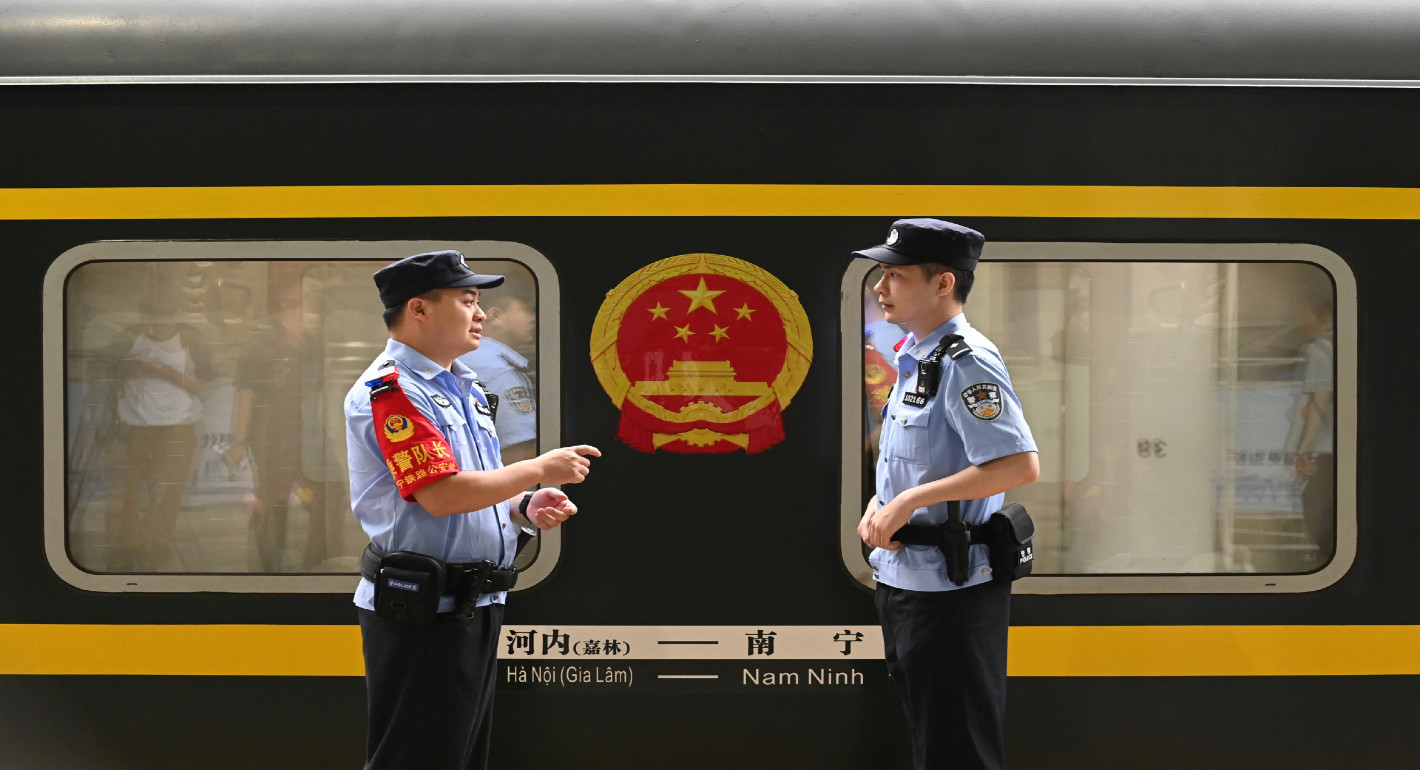
Despite long-standing differences, China and Vietnam are reinforcing common ground for collaboration, especially in public security. This internal security–centered diplomacy offers a strengthened road map for how China moves forward with Southeast Asia.
Sophie Zhuang

As the war between the United States, Israel, and Iran continues, Carnegie scholars contribute cutting-edge analysis on the events of the war and their wide-reaching implications. From the impact on Iran and its immediate neighbors to the responses from Gulf states to fuel and fertilizer shortages caused by the effective shutdown of the Strait of Hormuz, the war is reshaping Middle East alliances and creating shockwaves around the world. Carnegie experts analyze it all.
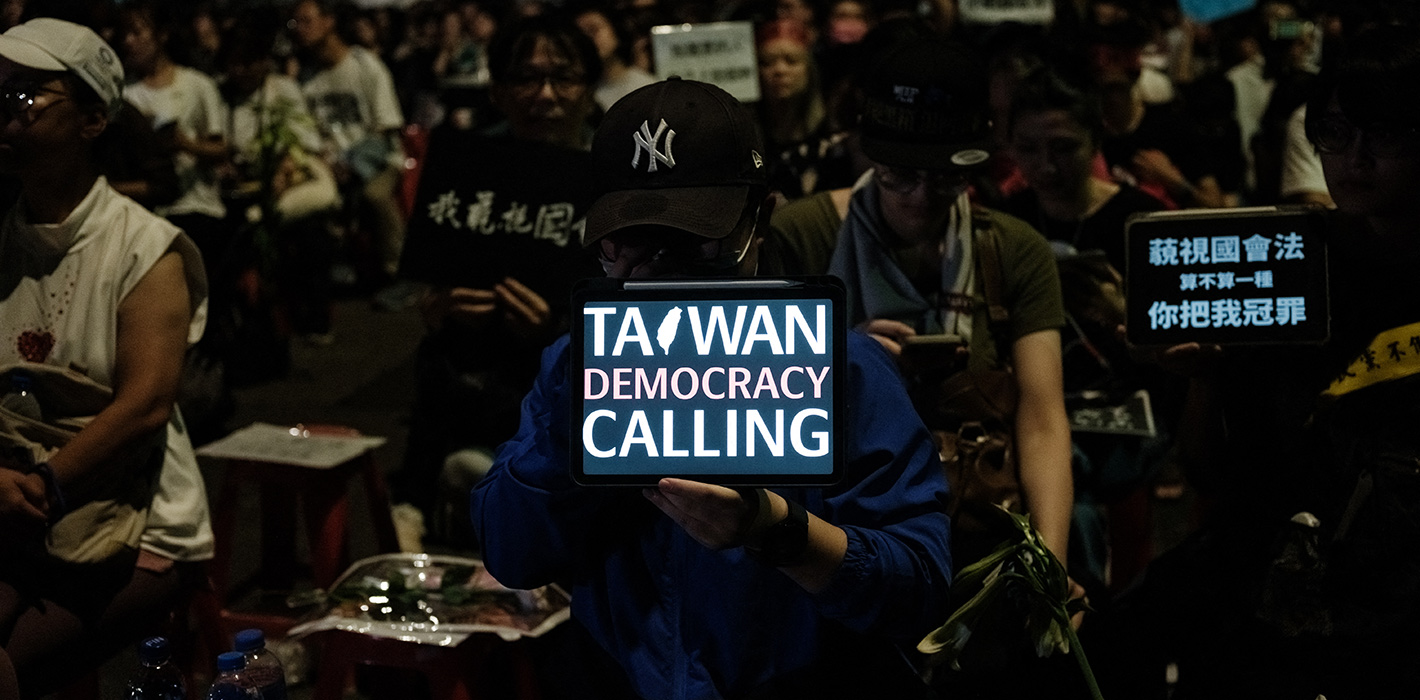
Governments now deploy online platforms to shape public opinion and influence collective cognition. This is acutely apparent between China and Taiwan.

Frank Cheng-Shan Liu