

Report
Tim Maurer, Arthur Nelson
{
  "authors": [
    "Tim Maurer"
  ],
  "type": "other",
  "centerAffiliationAll": "dc",
  "centers": [
    "Carnegie Endowment for International Peace"
  ],
  "collections": [
    "Cyber and Digital Policy"
  ],
  "englishNewsletterAll": "ctw",
  "nonEnglishNewsletterAll": "",
  "primaryCenter": "Carnegie Endowment for International Peace",
  "programAffiliation": "NPP",
  "programs": [
    "Nuclear Policy",
    "Technology and International Affairs"
  ],
  "projects": [],
  "regions": [
    "Iran"
  ],
  "topics": [
    "Foreign Policy",
    "Technology"
  ]
}
Source: Getty
States use proxies to project power through cyberspace, some capable of causing significant harm. But there is a lack of clarity on what, exactly, the term ‘proxy’ means.
Source: Journal of Conflict and Security Law
States use proxies to project power through cyberspace, some capable of causing significant harm. In recent years, media outlets have published reports about proxies using Information and Communications Technologies (ICTs) from Northeast Asia to India, Pakistan, the Middle East, and Eastern Europe. Two of the landmark documents providing insight into how the international community thinks about rules of the road for cyberspace explicitly reference the term ‘proxies’. However, neither report defines ‘proxy’, nor does the term easily translate into non-English languages. This article therefore reviews what this term means and how it has been used in various contexts. It focuses on the subset of proxies that are non-state actors used by a state actor, analysing the different logical distinctions and levels of detachment between a state and a non-state actor’s activity. The goal is 2-fold: first, to provide a framework to think about the diverse array of existing proxy definitions; second, to conceptualise the relationships between a state and non-state proxies that can offer a guide for political decision-makers and a roadmap for future research on proxy actors and cyberspace.
This article was originally published in the Journal of Conflict and Security Law.
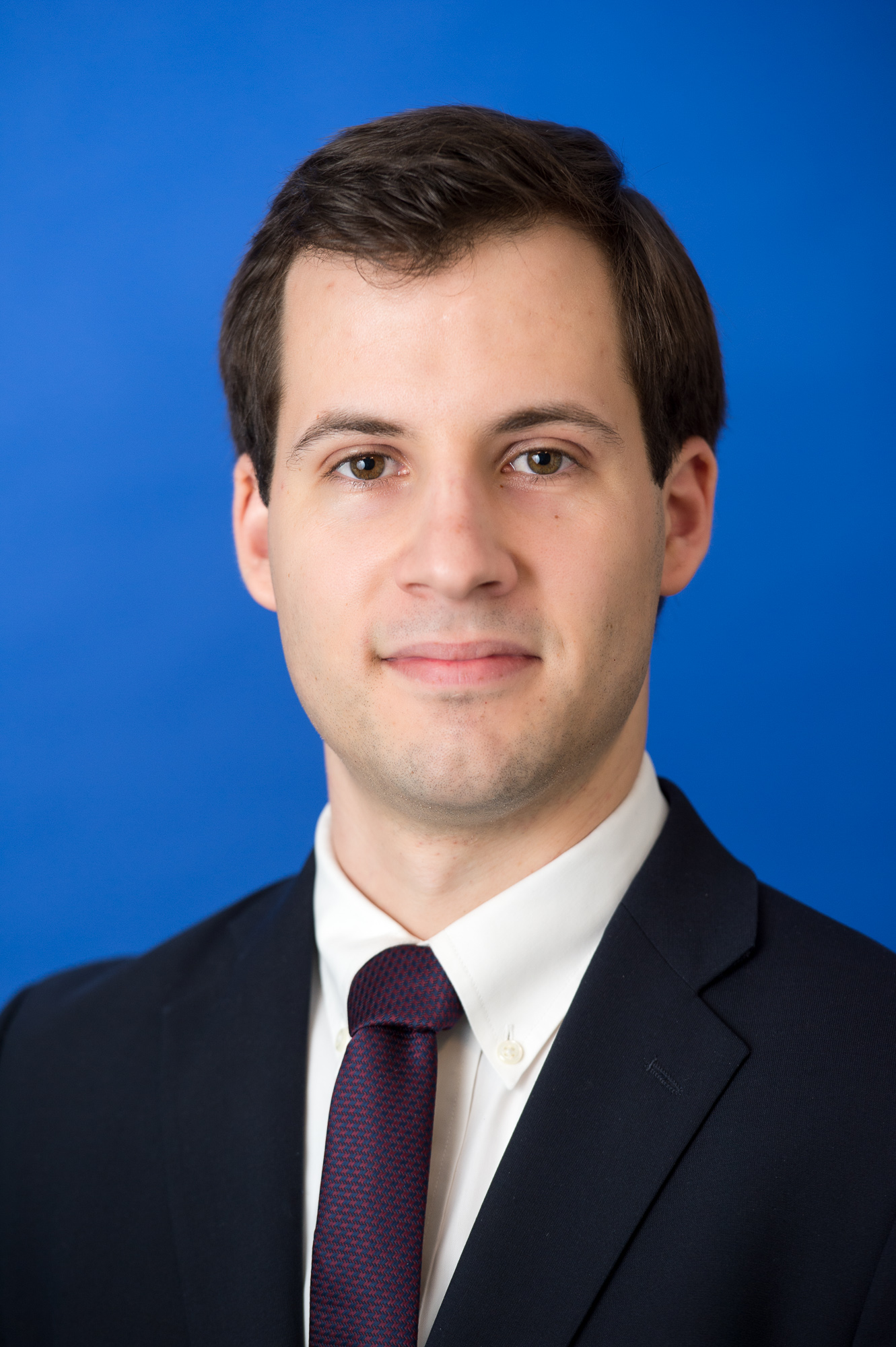
Former Senior Fellow, Technology and International Affairs Program
Dr. Tim Maurer was a senior fellow in Carnegie’s Technology and International Affairs program.
Recent Work

Tim Maurer, Arthur Nelson
Tim Maurer, Garrett Hinck
Carnegie does not take institutional positions on public policy issues; the views represented herein are those of the author(s) and do not necessarily reflect the views of Carnegie, its staff, or its trustees.
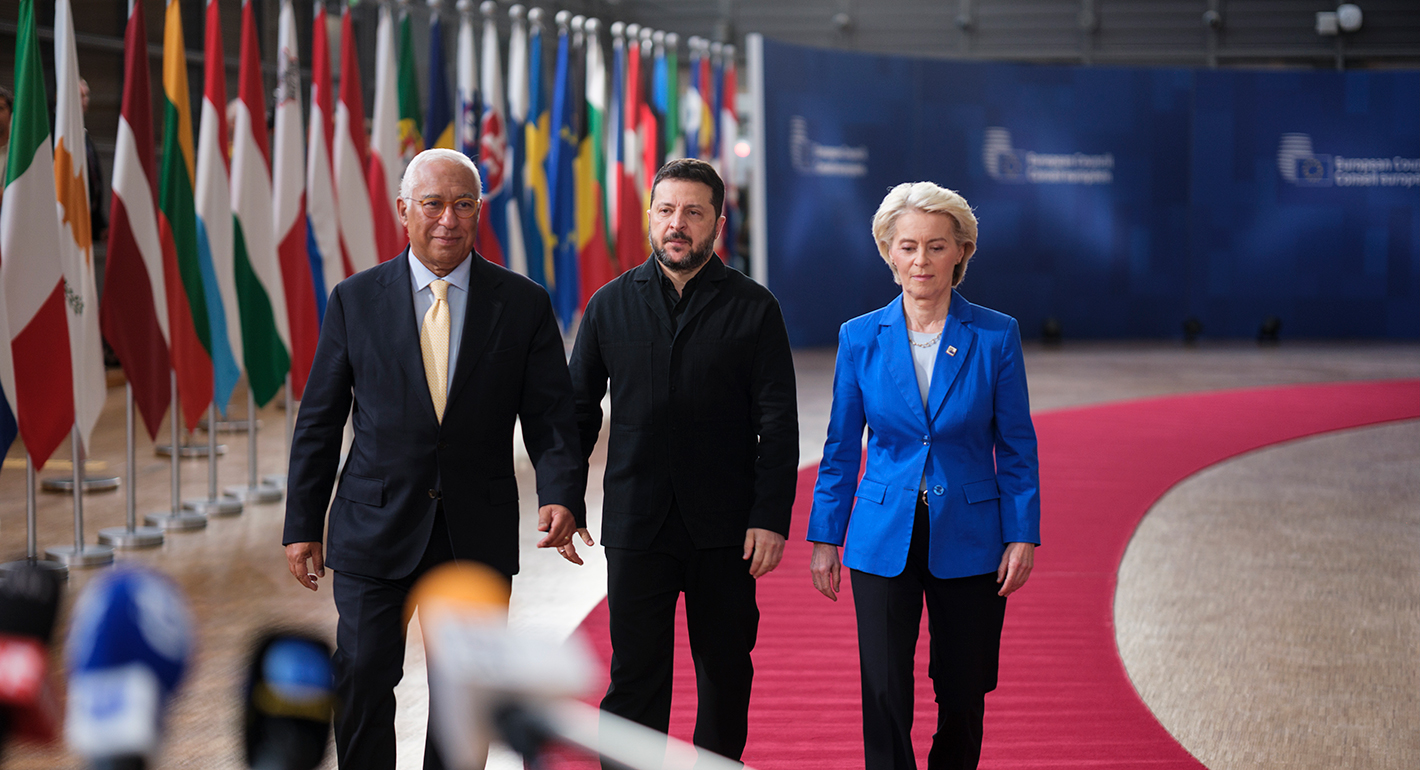
EU and member-state leaders will need to show the political will and flexibility to adjust to Ukraine’s changing needs and to find compromises that will put support on a sustainable, long-term footing.
Phyllis Berry
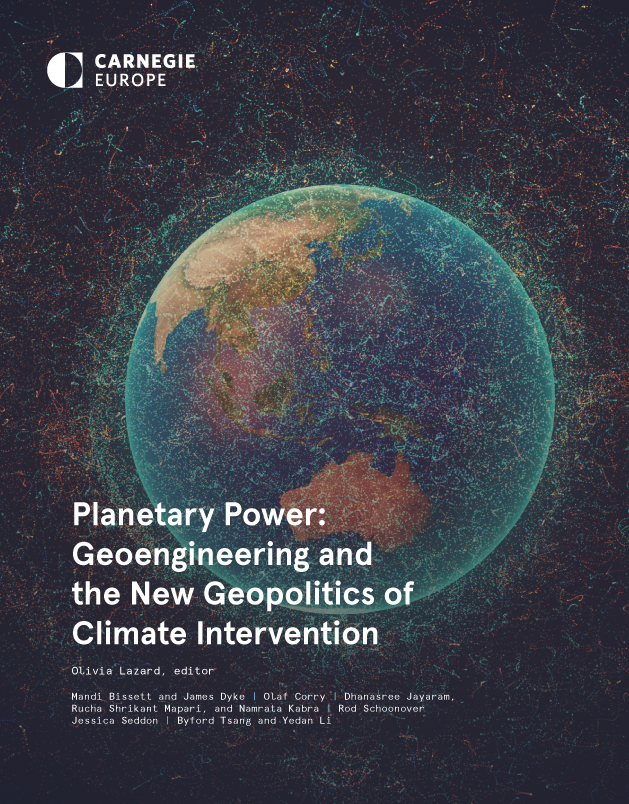
Geoengineering is becoming a geopolitical question as much as a climate one. The way states and the private sector pursue these technologies, assess risks, and drive research increasingly appears focused on gaining a strategic edge. In a field where governance in lagging behind, Europe should keep track of the geopolitical implications if it is to develop effective regulatory frameworks.

Olivia Lazard, ed.

The global hydrocarbon order is changing. Economic diversification and developing productive economies have become essential for Middle Eastern and North African states, requiring them to address social and political challenges and rethink domestic, regional, and global settlements.
Nur Arafeh, Ishac Diwan, Hamza Meddeb, …

The new Serbian leadership may have promised to keep on cooperating with Russia, but soon they will have to make a choice between fighting corruption and sealing lucrative deals with Moscow. The two are mutually exclusive, even if the new leaders in Belgrade haven’t yet realized it.
Maksim Samorukov
The six GCC members’ unity would be a valued—if not essential—asset for negotiating an end to the simmering regional conflict.

Sam Worby, Andrew Leber