

Commentary
MINURSO’s renewal by the Security Council became highly politicized. Its expiration brings concerns of renewed violence and the future of demining efforts.
Sarah Yerkes
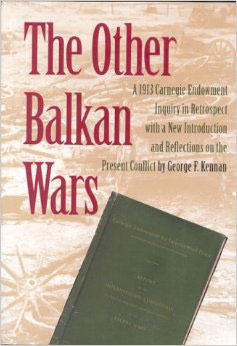
In 1993, against the background of the atrocities of the new Balkan wars, the Endowment reissued its original 1913 report with a new introduction by George Kennan.
Source: Washington

George Frost Kennan
Carnegie does not take institutional positions on public policy issues; the views represented herein are those of the author(s) and do not necessarily reflect the views of Carnegie, its staff, or its trustees.
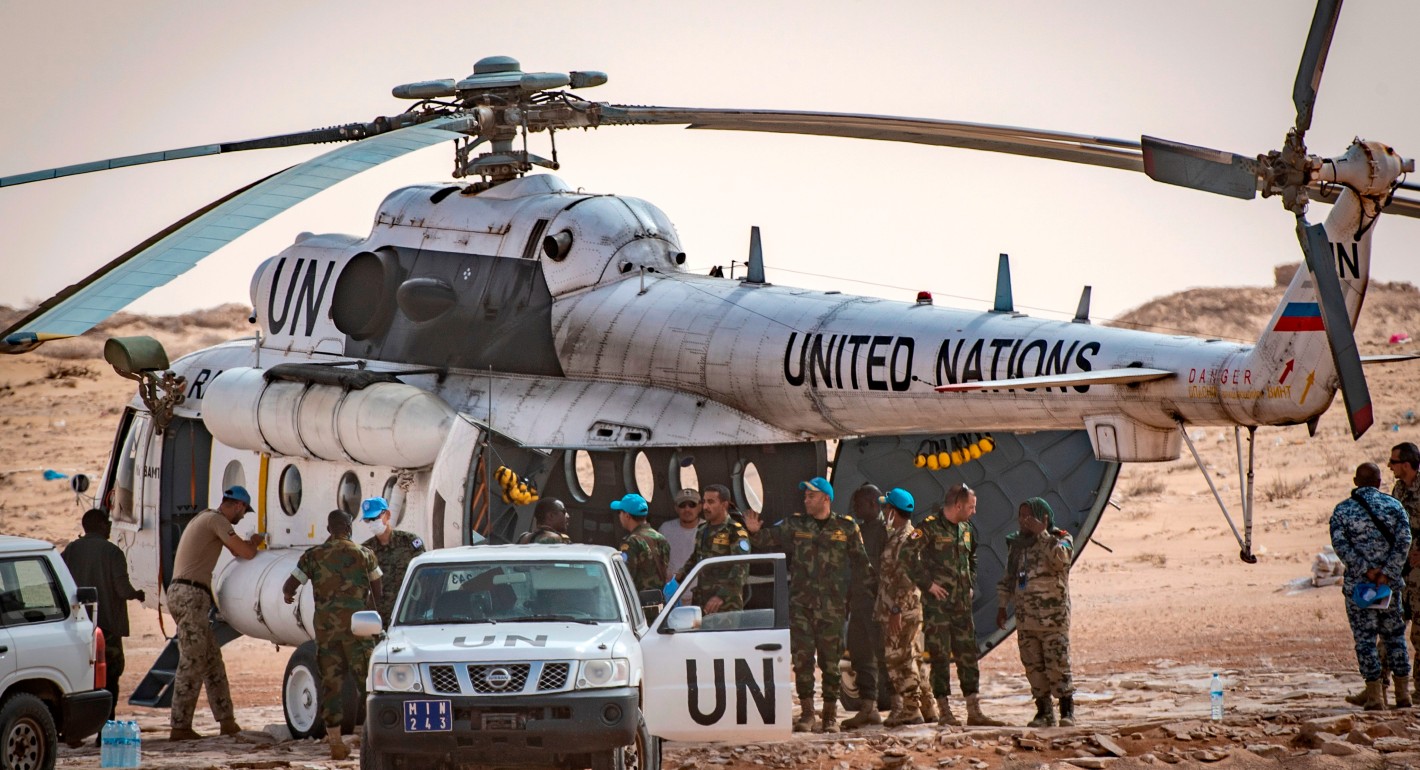
MINURSO’s renewal by the Security Council became highly politicized. Its expiration brings concerns of renewed violence and the future of demining efforts.

Sarah Yerkes
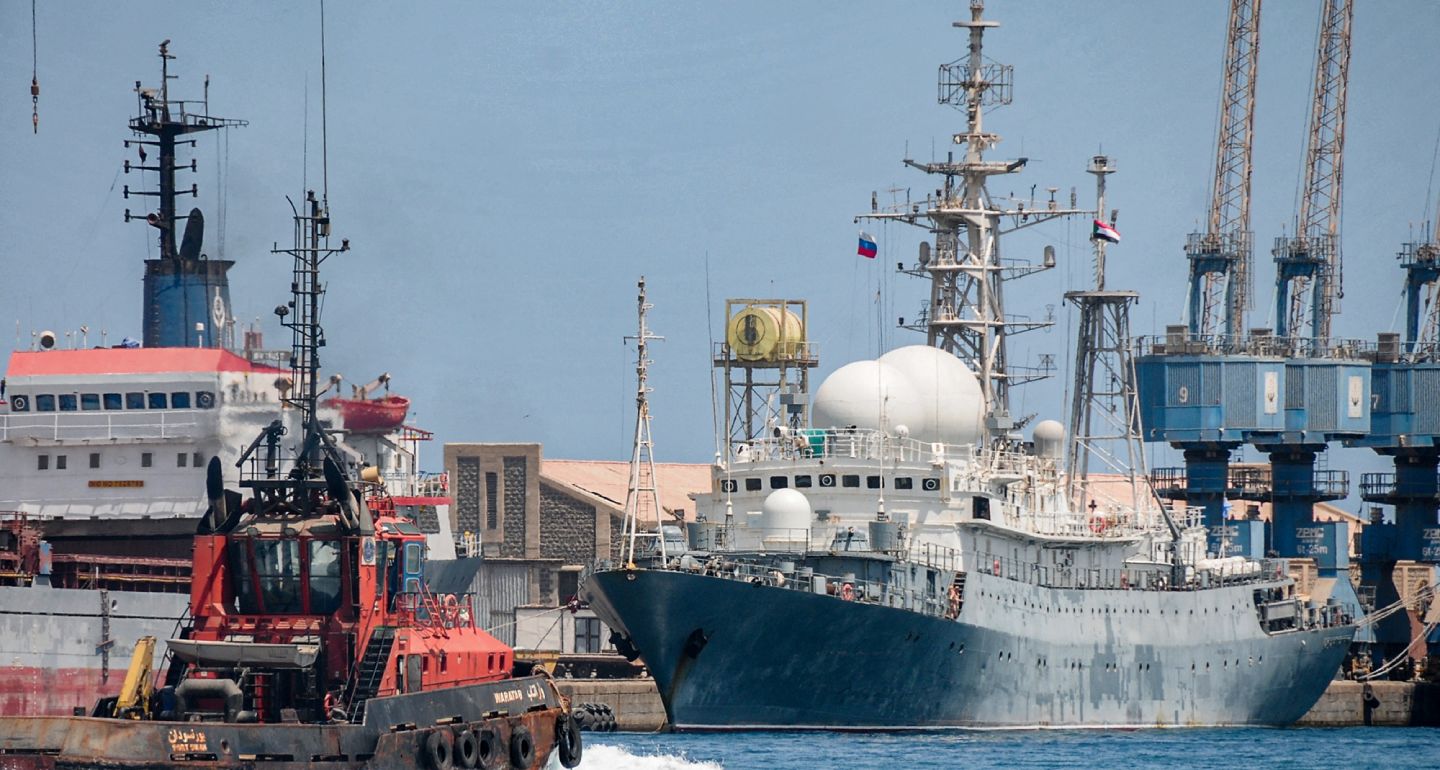
Russia’s coveted Red Sea naval base has fallen victim to its erratic foreign policy.
Sergey Konyashin
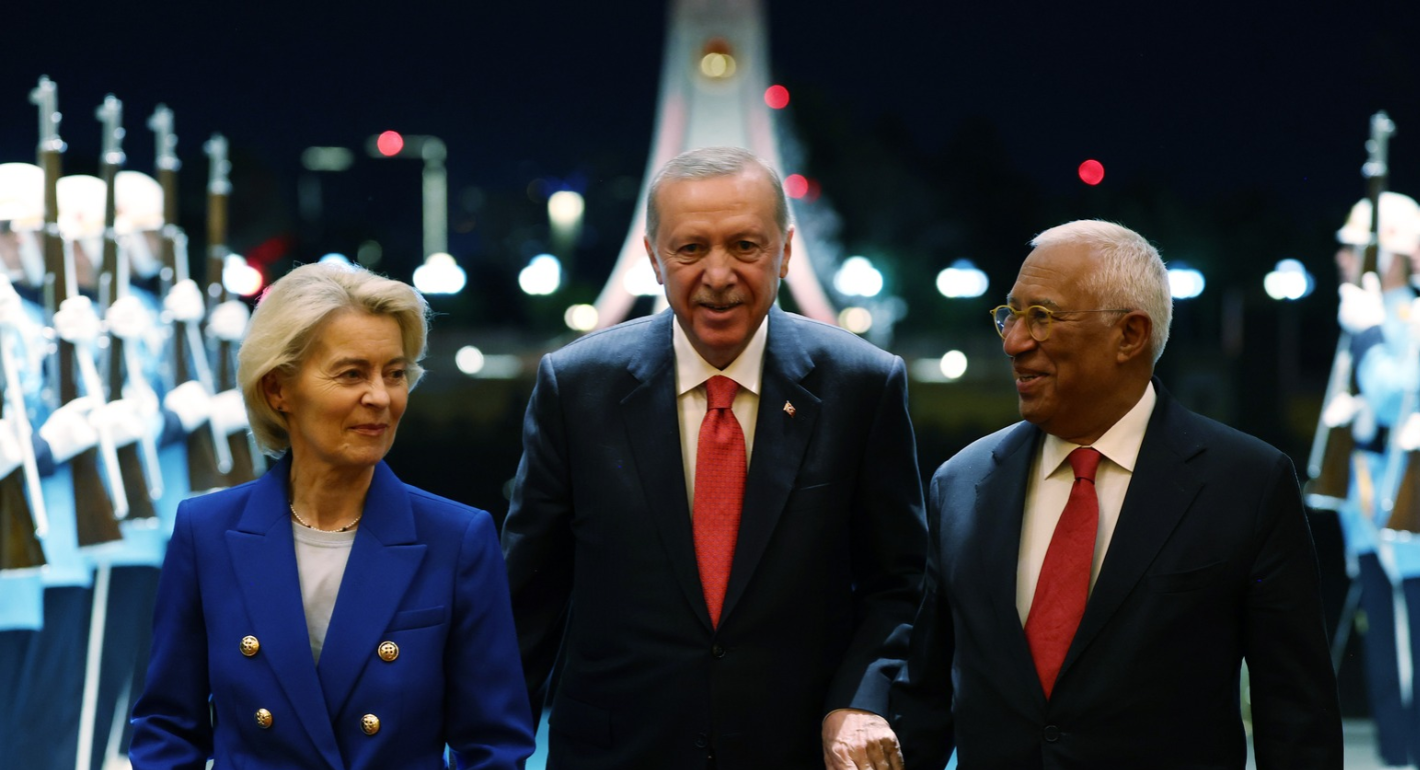
Between stalled economic ties and a push for greater security cooperation, EU-Turkey relations remain uncertain. Ankara’s continued slide toward autocracy is the likeliest common denominator in these competing dynamics.

Marc Pierini
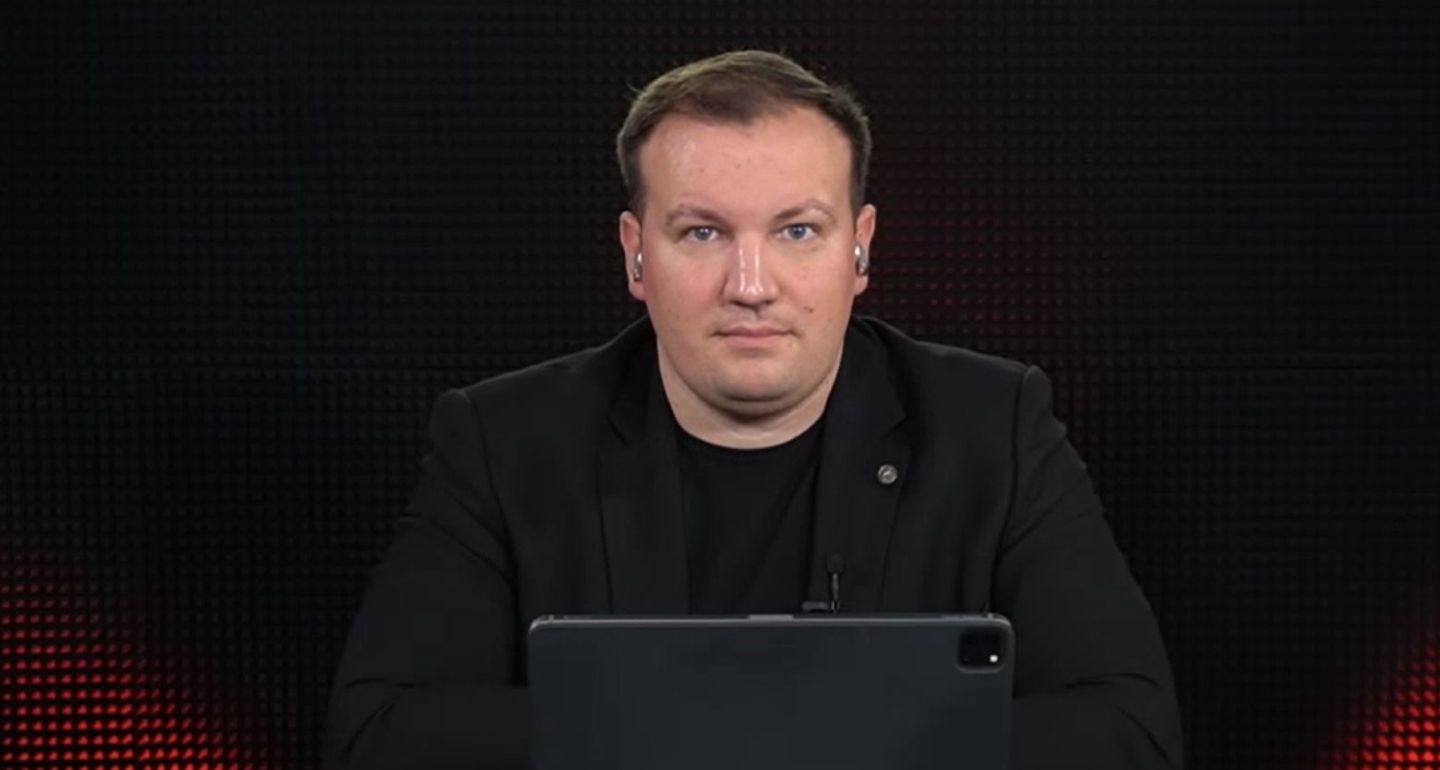
Mikhail Zvinchuk’s detention could have dealt a serious blow to Russia’s propaganda infrastructure in the Balkans. Instead, the incident has made something else eminently clear: Moscow values and protects its propagandists, while Europe still hasn’t figured out what to do with them.


Ivan Filippov, Ksenia Luchenko
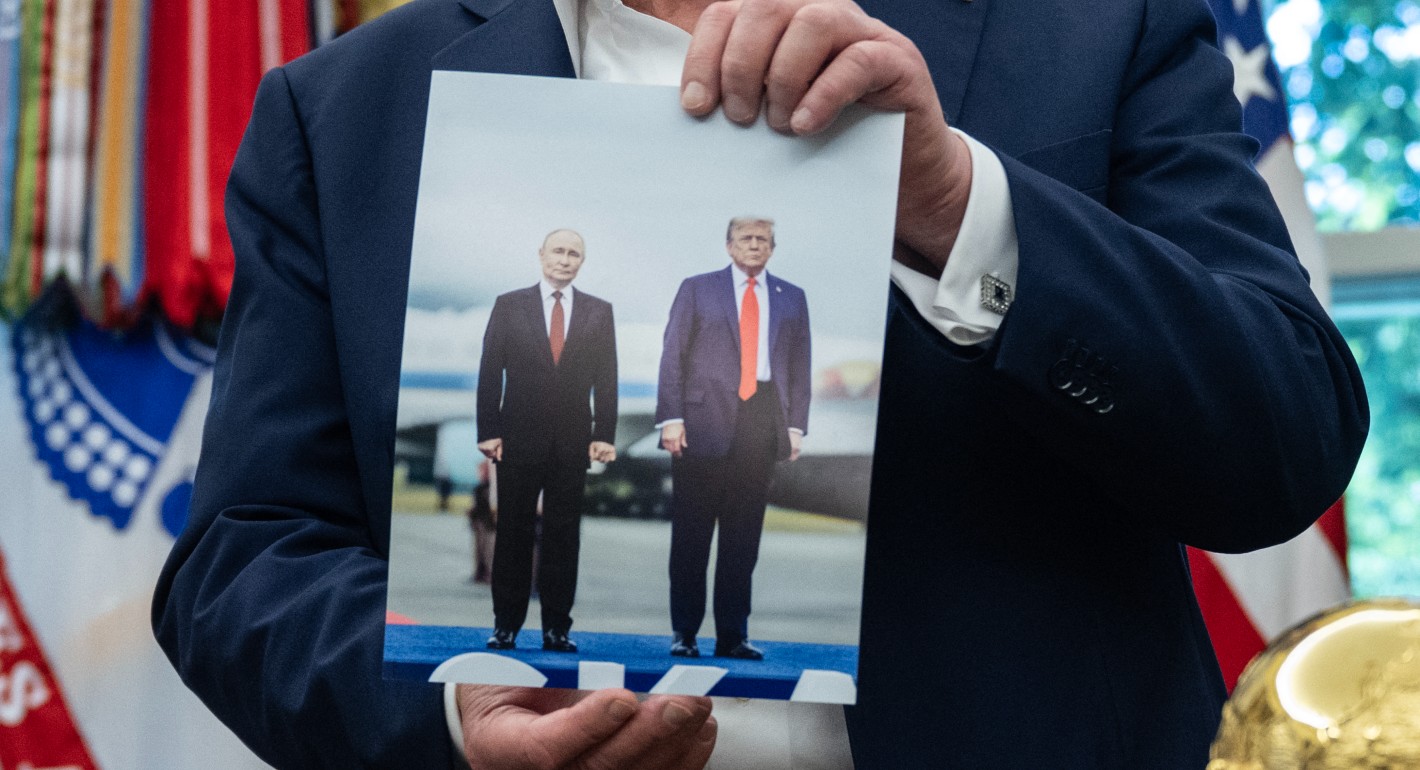
Individual leaders and public attitudes—especially in democracies—matter for credibility.


Lauren Sukin, Samuel Seitz