

Commentary
Defense tech innovations will be at the heart of Europe’s new security strategy. But so far, Brussels has been making moves without a broader plan, undermining readiness and credibility.
Raluca Csernatoni

Source: Washington, DC: Carnegie Endowment for International Peace, 1994
Iran was defeated by Iraq in a brutal eight-year war that ended in July 1988. Thirty months later Iraq was defeated by the United States and its allies in Operation Desert Storm. Iran's military leaders have carefully examined the reasons for their defeat and the allies' victory. The country has now embarked on a major rearmament program that has alarmed it neighbors and caused great concern in Washington. Shahram Chubin analyzes Iran's rearmament program and its strategic implications for the region.
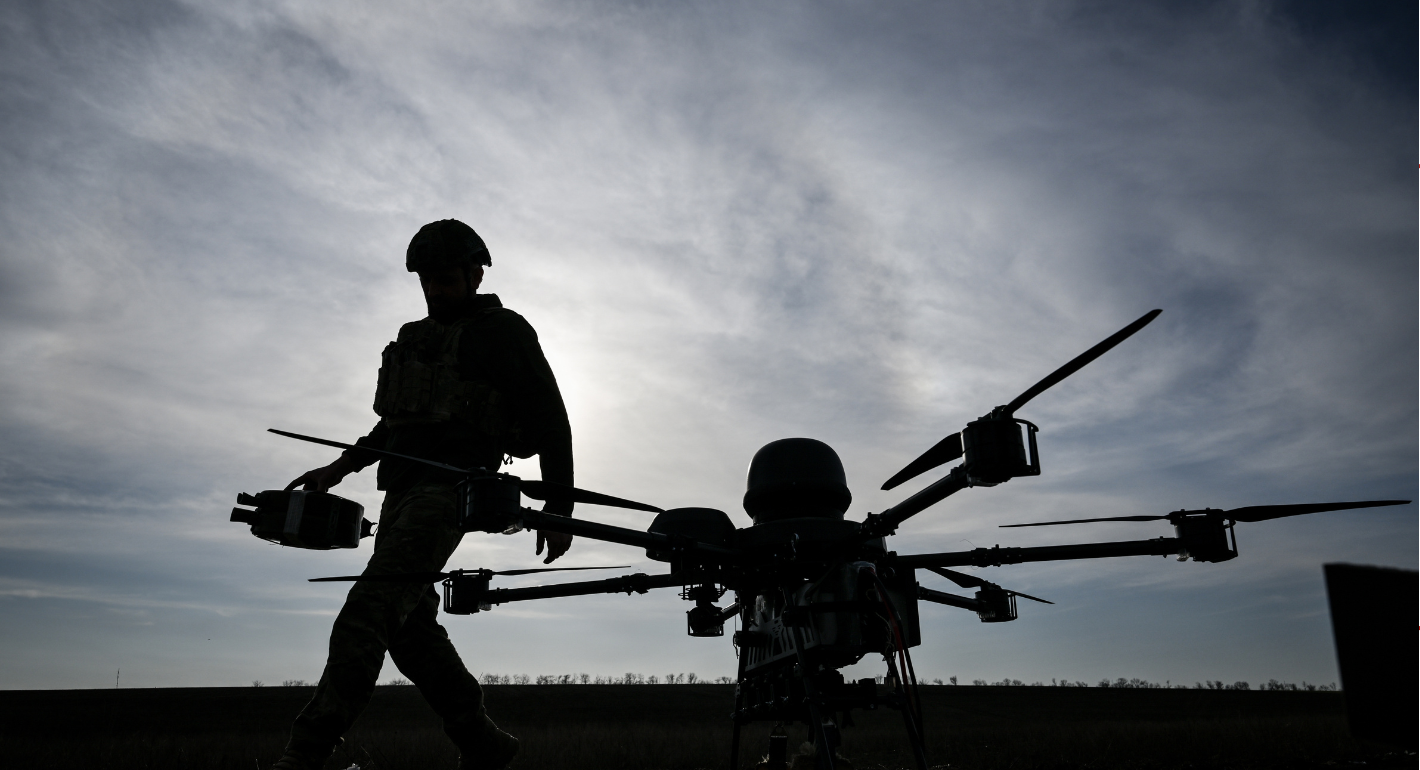
Defense tech innovations will be at the heart of Europe’s new security strategy. But so far, Brussels has been making moves without a broader plan, undermining readiness and credibility.

Raluca Csernatoni
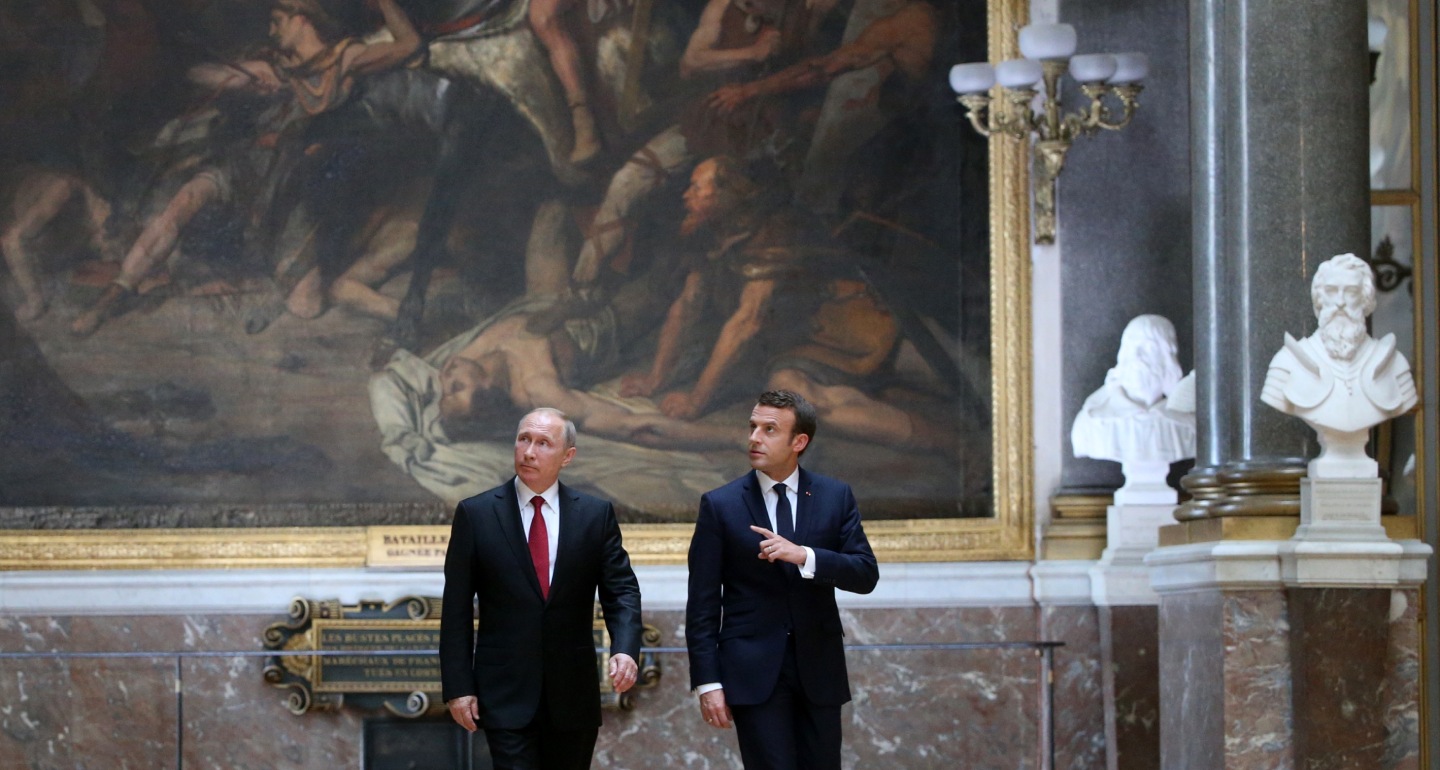
Reestablishing a dialogue with Moscow is not a goal in its own right. The goal is to guarantee the independence of Ukraine and the peace and security of Europe.
Arkady Moshes
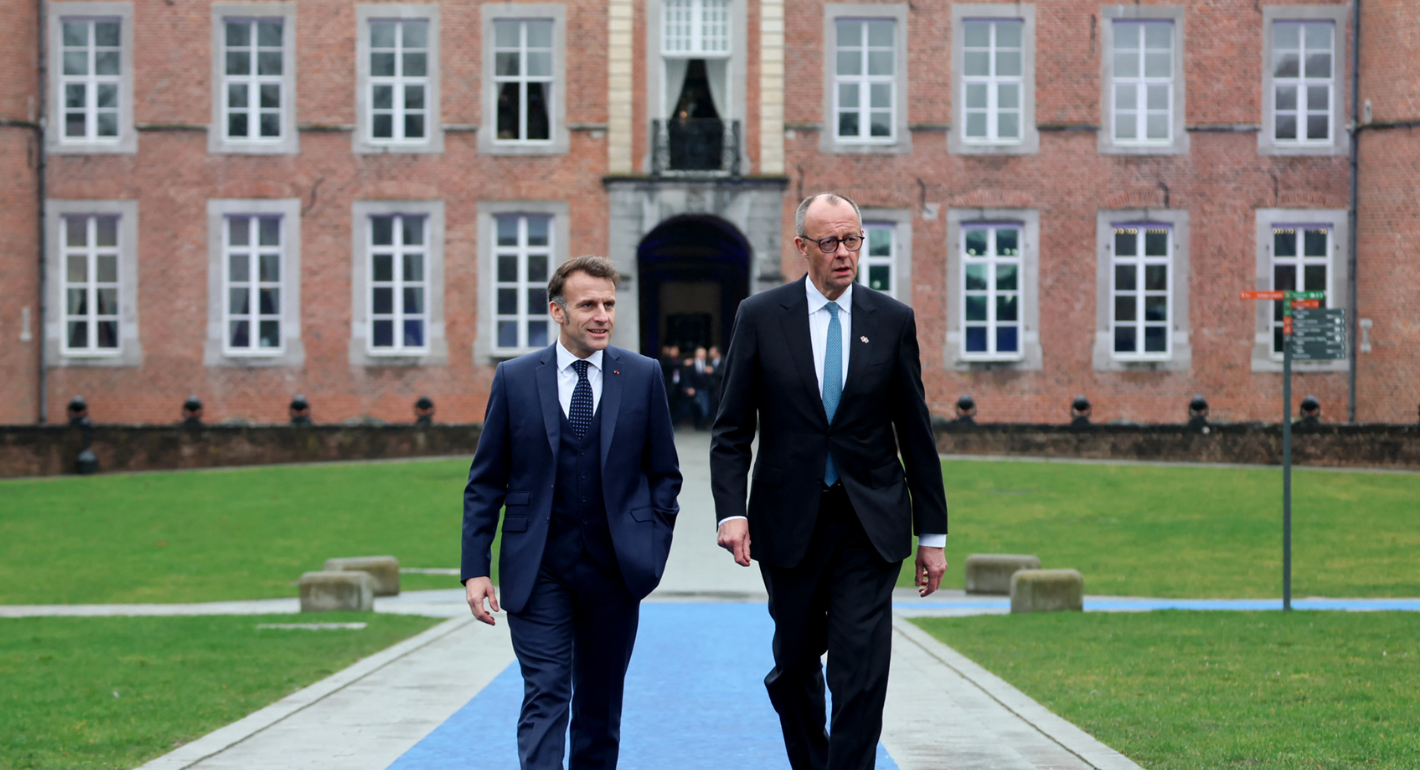
The Franco-German relationship is on the rocks again. But unlike previous moments of tension, the epochal changes on the world stage require that both step up investment in their bilateral ties.

Rym Momtaz
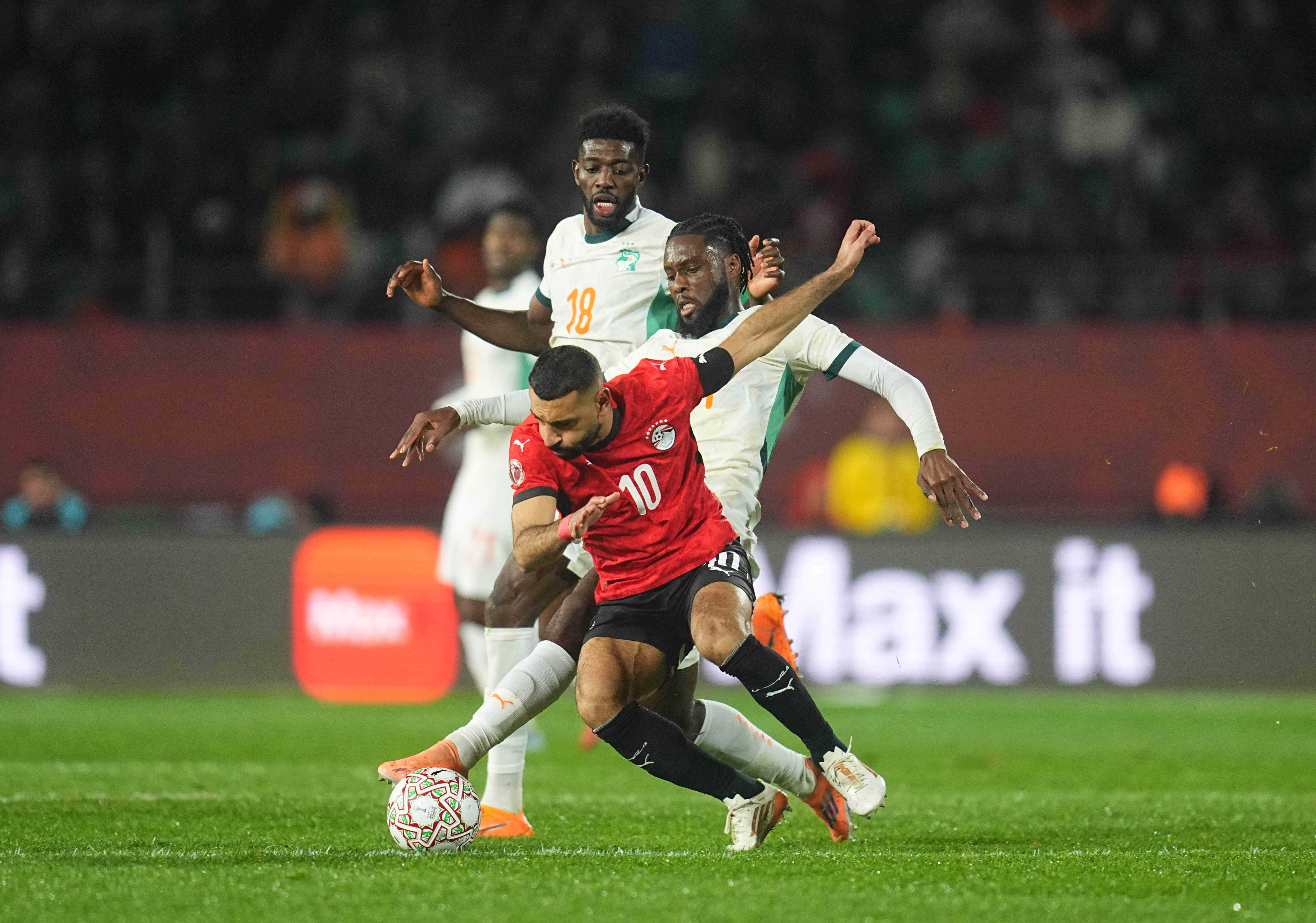
This will be the region’s most representative tournament, amid broad changes in its footballing landscape.

Issam Kayssi
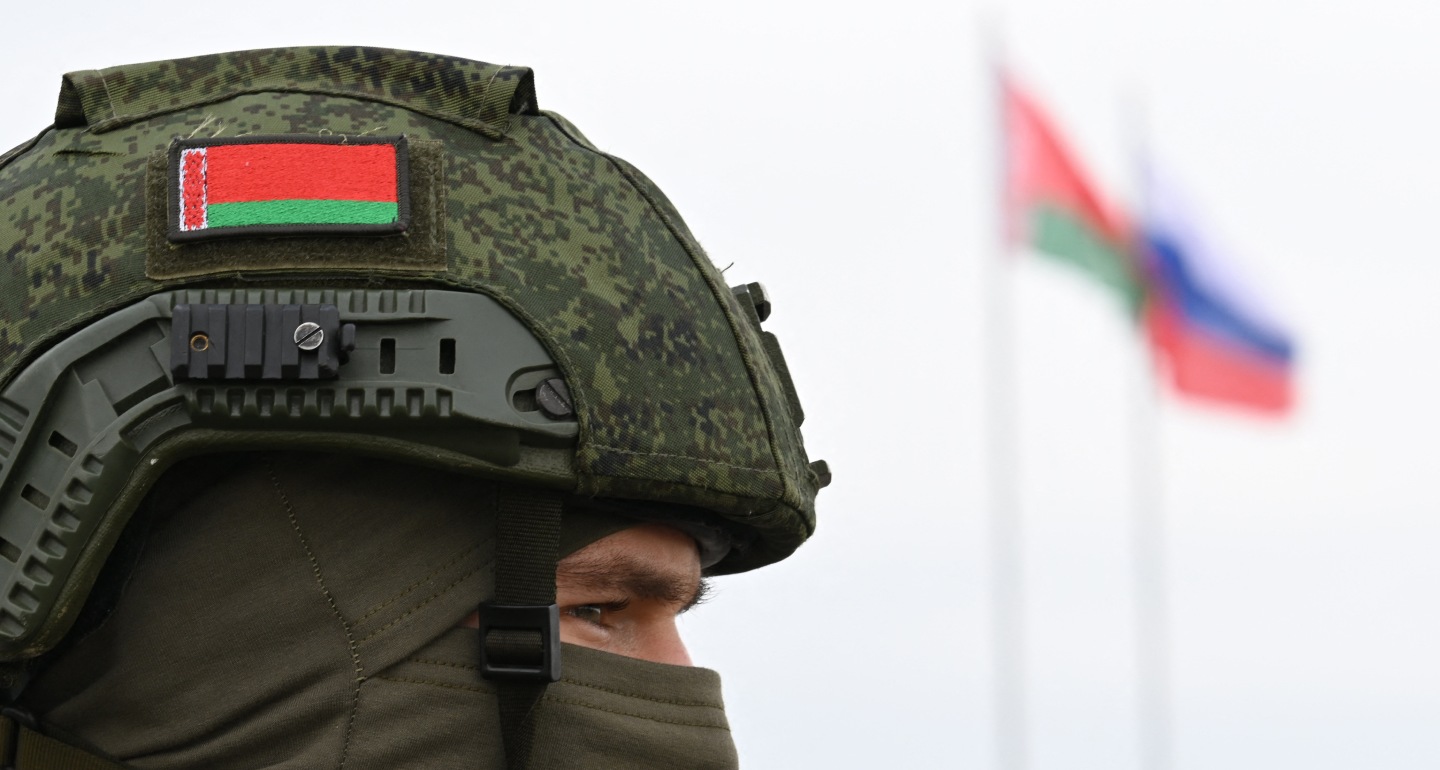
By reminding the world that Lukashenko is a threat to NATO and Ukraine, Kyiv is trying to return the focus to why the Belarusian regime needs to be contained rather than rewarded.

Artyom Shraibman