

Commentary
Nuclear and maritime communities face a long and challenging journey to deploy commercial nuclear applications at sea.
Jamie Kwong, Toby Dalton

Source: Getty
An examination of the advent of U.S. policies to prevent the spread of missiles in the early 1970s; the U.S. effort beginning in late 1982 to conceptualize and obtain G7 agreement on what became the MTCR; U.S. negotiating objectives and key compromises; and the meaning of texts that remain routinely misunderstood to this day.
Vann H. van Diepen
In 1995, the U.S. Institute of Peace and the Carnegie Endowment for International Peace collaborated through a grant to Richard Speier, at the time a recently departed Defense Department missile nonproliferation action officer. This grant allowed him to write his first-hand account of the 1982–1987 negotiations over the Missile Technology Control Regime (MTCR). The resulting paper has not been available outside of its limited original printing.
Speier offers a perspective on the internal U.S. government negotiating dynamics, as well as the interactions between the United States and the other Group of Seven (G7) countries, in a process that resulted in the first-ever multilateral missile nonproliferation arrangement. The paper details the advent of U.S. policies to prevent the spread of missiles in the early 1970s; the U.S. effort beginning in late 1982 to conceptualize and obtain G7 agreement on what became the MTCR; U.S. negotiating objectives and key compromises; and the meaning of texts that remain routinely misunderstood to this day.
Beyond providing important historical insights and clarity into what remains a secretive regime bound by strict confidentiality, the paper provides valuable lessons for today and the future. To the extent future arms control and nonproliferation arrangements can be negotiated in the near- to medium-term, they are much more likely to be nonbinding, “coalition-of-the-willing” mechanisms like the MTCR than formal treaties. The MTCR case shows what “bottom up” policymaking can achieve when working-level government experts are empowered and supported by sub-cabinet officials. As demonstrated in the MTCR case, formulating and implementing nonproliferation policy requires careful balance of U.S. inter- and intra-agency dynamics and the need to account for the interests of key partners and allies. Thus, the paper’s recommendations for navigating these complications provide useful touchstones for the negotiation of future informal arrangements.
The paper definitely reflects its author’s particular perspective, including a dislike of the State Department. But the perspective of someone integrally involved in the negotiation and creation of the MTCR makes an important contribution to the historical record, provides information about the meaning and implementation of today’s MTCR regime, and suggests useful lessons for future such negotiations.
Vann H. Van Diepen is an independent consultant. He led U.S. interagency efforts on the MTCR from July 1991 to February 2006 as an office director in the State Department’s Bureau of International Security and Nonproliferation (ISN) and its predecessor bureaus, and as principal deputy assistant secretary of state for ISN from June 2009 to December 2016.
Richard H. Speier
Richard Speier began his government service at the Office of Management and Budget, where he helped reshape nuclear and space programs, and at the Arms Control and Disarmament Agency, where he focused on nuclear technologies that contribute to proliferation. In 1982, he joined the Office of the Secretary of Defense to start the Office of Non-Proliferation Policy. For ten years, he helped design, negotiate, and implement the Missile Technology Control Regime.
Carnegie does not take institutional positions on public policy issues; the views represented herein are those of the author(s) and do not necessarily reflect the views of Carnegie, its staff, or its trustees.
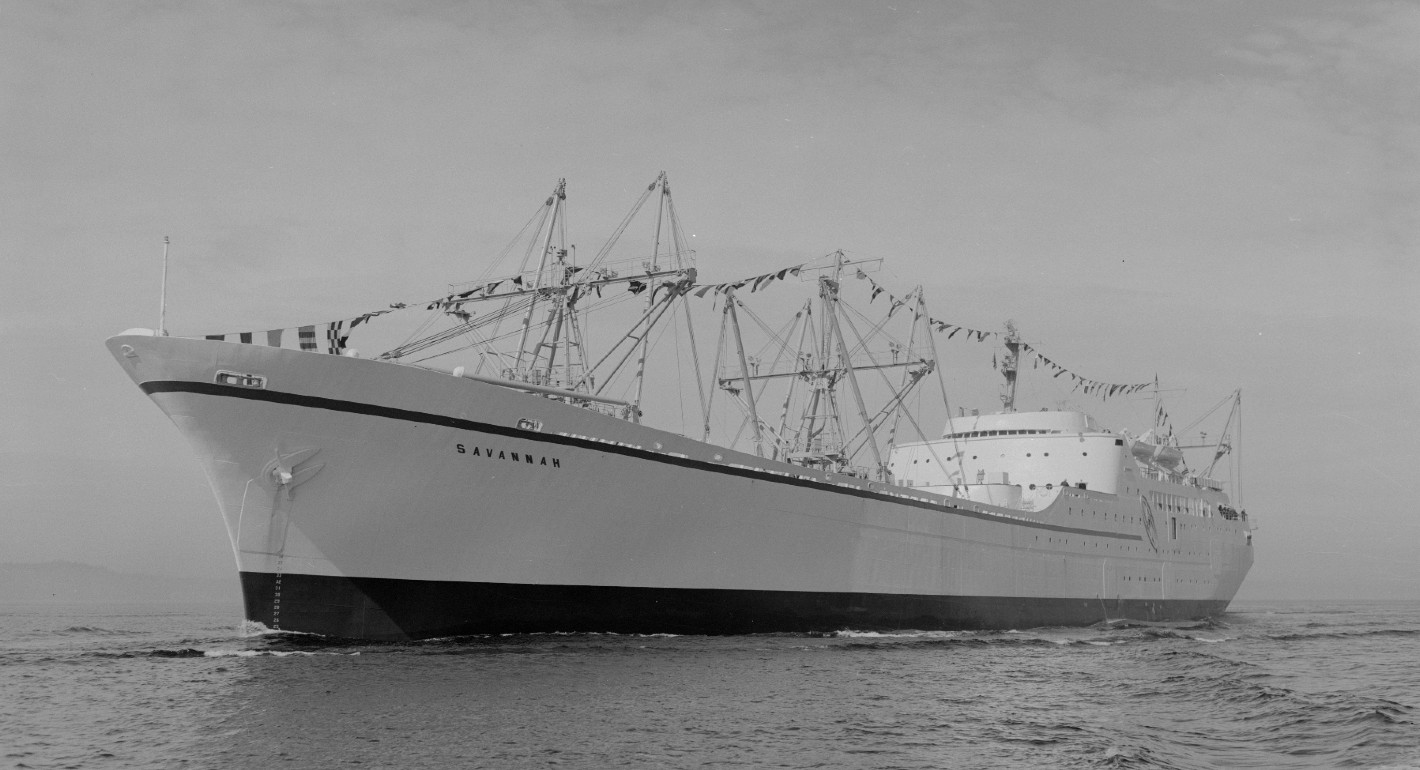
Nuclear and maritime communities face a long and challenging journey to deploy commercial nuclear applications at sea.


Jamie Kwong, Toby Dalton
A look at how public opinion influences the credibility of coercive nuclear threats,and how it enables and constrains strategies of nuclear coercion.

Lauren Sukin, Samuel Seitz
Despite the agreement’s uncertainty, it’s still a significant development in regional and nuclear policy.


Andrew Leber, Jane Darby Menton
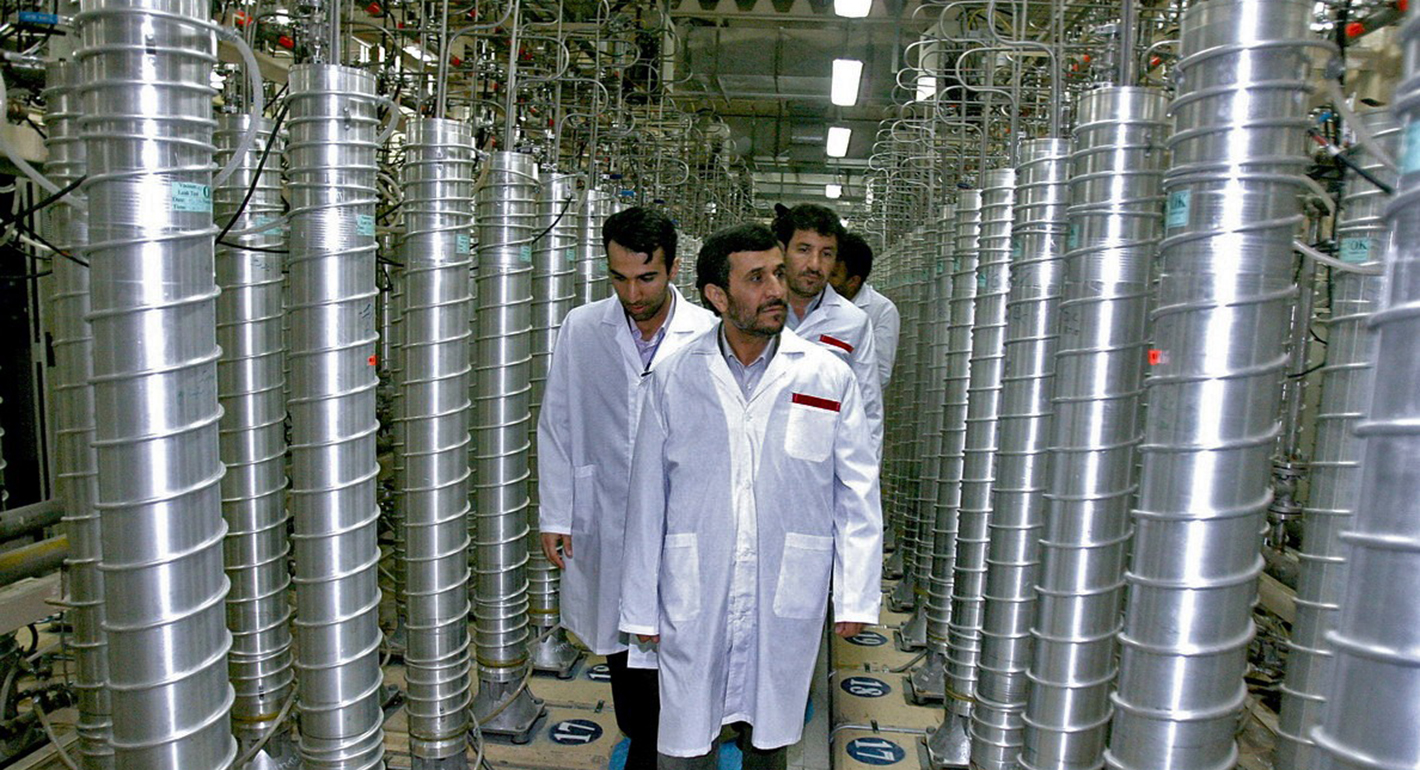
The nuclear weapons threshold is increasingly important for proliferation strategy and policy. Policymakers should better understand the implications of the threshold phenomenon in the current international security environment and plausible strategies to deal with the growing challenge that it presents.

Ariel (Eli) Levite, Toby Dalton
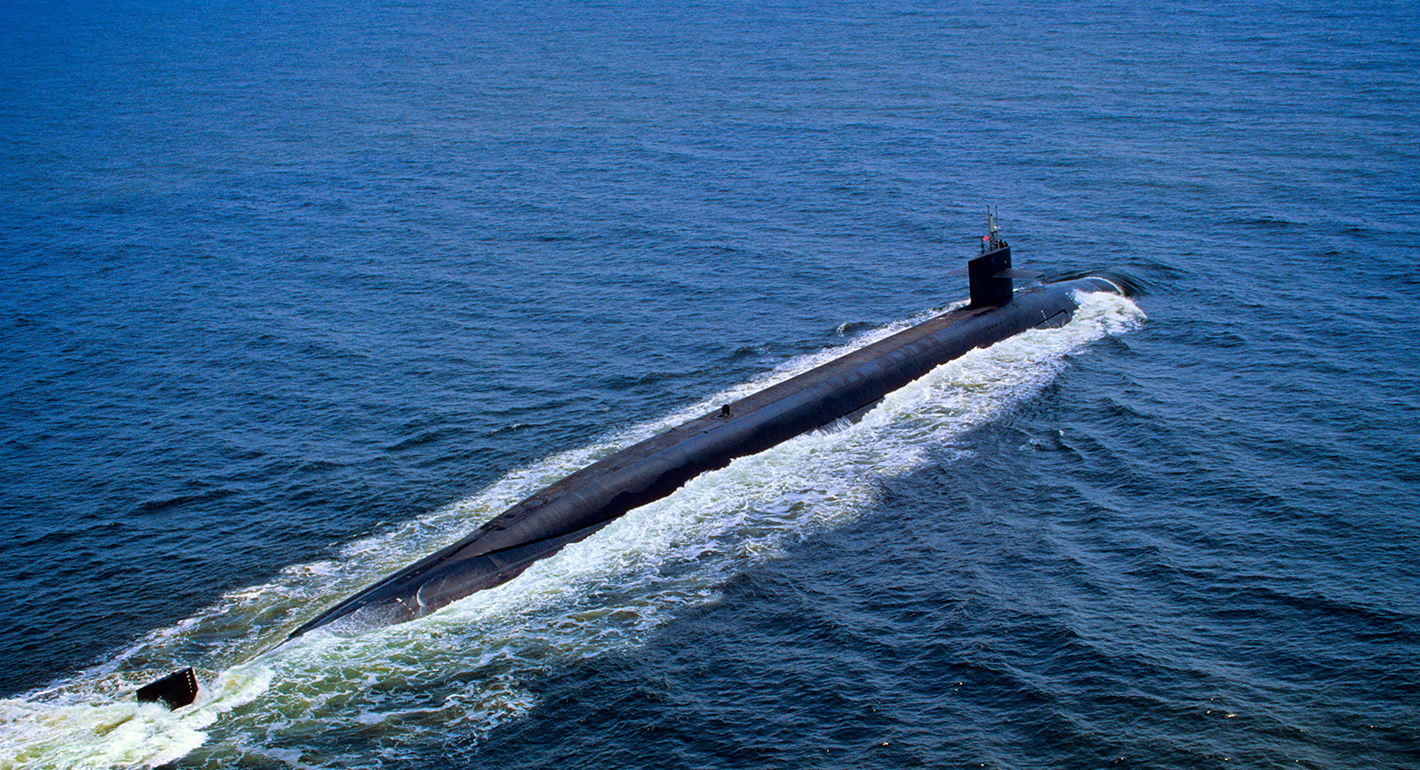
It seems likely that, no matter what, the power of the U.S. nuclear arsenal will face erosion, not least in the credibility of its commitments to defend allies and the political durability of those alliances.


James M. Acton, Ankit Panda