

Commentary
Japan’s long-term security policy is driven by concerns about China, and there is little appetite for (or interest in) pursuing a confrontation with Moscow.
James D.J. Brown
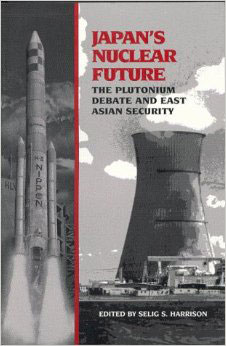
Japan's policy of basing its nuclear power program on reprocessed plutonium has aroused widespread suspicion, especially in neighboring East Asian countries, that Japan is secretly planning to develop nuclear weapons.
Source: Washington, DC: Carnegie Endowment for International Peace, 1996

Summary
Japan's policy of basing its nuclear power program on reprocessed plutonium has aroused widespread suspicion, especially in neighboring East Asian countries, that Japan is secretly planning to develop nuclear weapons. This book presents the views of a leading Japanese proponent of the reprocessing policy, Atsuyuki Suzuki, Professor of Nuclear Engineering at Tokyo University; a leading critic, Jinzaburo Takagi, Director of the Citizens Nuclear Information Center; and Taewoo Kim, a South Korean specialist who warns that the Japanese nuclear program could lead Seoul to pursue a reprocessing capability of its own.
An introductory essay by Selig S. Harrison analyzes the history of the domestic debate in Japan over the acquisition of nuclear weapons and assesses the possibility of a Japanese nuclear weapons program.
This unique and important book provides the international community with unprecedented access to a range of sophisticated Asian views on the possibility that Japan may convert its nuclear-energy programme to a nuclear-weapons programme... Harrison pulls no punches [and] no one has been as ambitiously comprehensive in offering policy options to enhance nuclear safety in the region.
-Survival, The IISS Quarterly
Carnegie does not take institutional positions on public policy issues; the views represented herein are those of the author(s) and do not necessarily reflect the views of Carnegie, its staff, or its trustees.

Japan’s long-term security policy is driven by concerns about China, and there is little appetite for (or interest in) pursuing a confrontation with Moscow.

James D.J. Brown
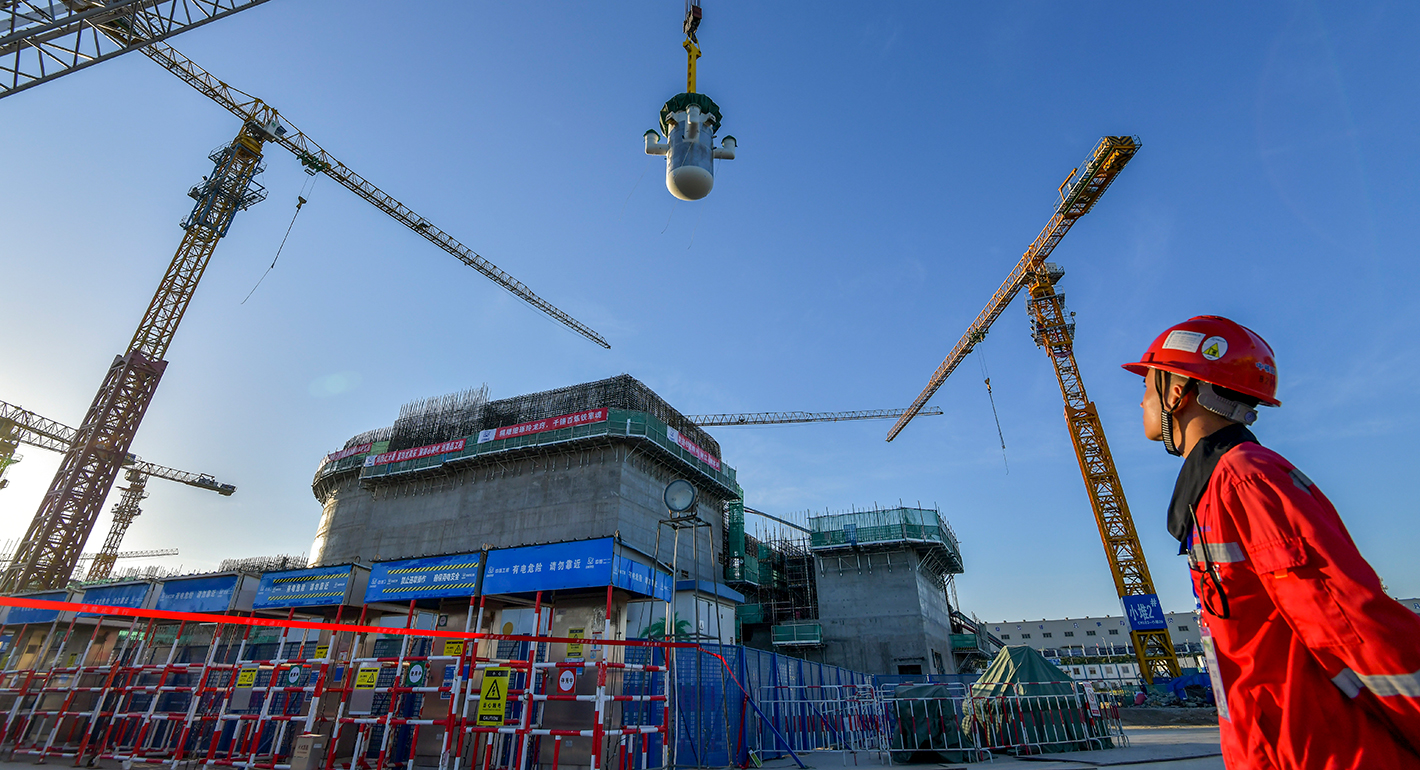
China has showcased its engineering prowess with small modular reactor demonstration projects. But turning these technological achievements into commercial success will be a greater challenge.

Tong Zhao

Producing nuclear fuel quickly enough remains a major risk factor for the emerging advanced reactor industry.

Elmer W. Dyke

A deep dive into the policy ecosystems behind battery development in China, South Korea, Japan, the European Union (including some of its member states), the United States, Canada, and India.



Milo McBride, Herbert Crowther, Darcie Draudt-Véjares, …

The Plaza Accord was not an externally imposed punishment of Japan but part of a broader restructuring that Japanese economists and policymakers themselves recognized was necessary. Its effects were undermined, however, when Tokyo responded to the resulting slowdown with policies that exacerbated investment, credit expansion, and the very imbalances the adjustment was intended to resolve.

Michael Pettis