

Commentary
Ongoing uncertainty in the Middle East allows Moscow to both increase its influence in Tehran and continue to enjoy the financial windfall of higher oil prices.
Nikita Smagin

REQUIRED IMAGE
Attention to trade-related technical assistance and capacity building has surged as people from all walks of life explore how the global trade regime can be structured to better promote equitable, sustainable human development.
Source: Carnegie Paper No. 40
Summary
Attention to trade-related technical assistance and capacity building has surged as people from all walks of life explore how the global trade regime can be structured to better promote equitable, sustainable human development. Trade capacity building strengthens human, physical, and institutional capacities within developing countries to participate in trade negotiations, implement trade commitments, and benefit from integration into the global trading system. In light of the Bush Administration's goal to "ignite a new era of global economic growth through free markets and free trade," capacity building has become an important component of the United States bilateral, regional, and multilateral trade negotiations.
This paper specifically examines U.S. efforts to work with its trading partners in building their trade-related capacities for environmental protection and sustainable development.
About the Authors
John Audley is senior associate and director of Carnegie's Trade, Equity, and Development Project .
Vanessa Ulmer is a junior fellow at the Carnegie Endowment.
Former Senior Associate
Vanessa Ulmer
Carnegie does not take institutional positions on public policy issues; the views represented herein are those of the author(s) and do not necessarily reflect the views of Carnegie, its staff, or its trustees.
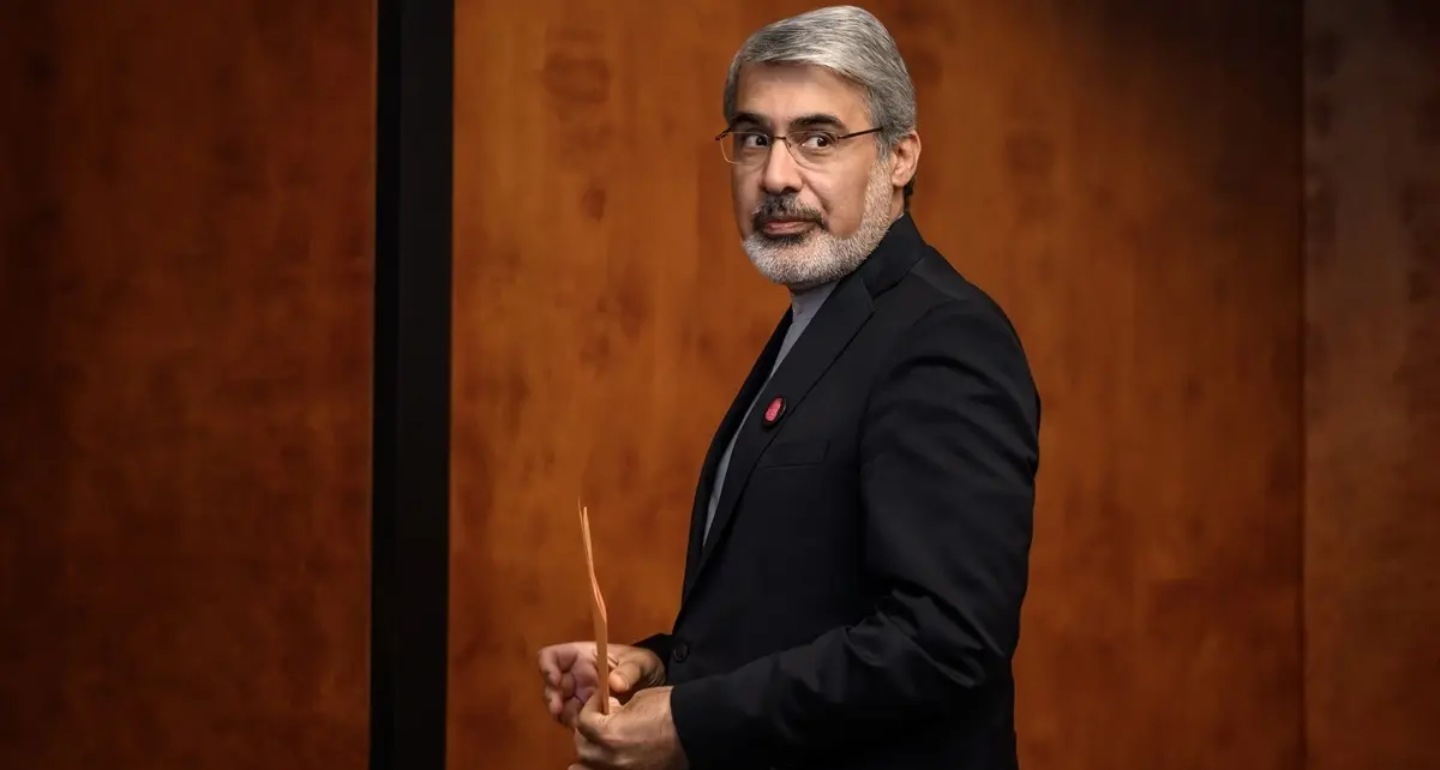
Ongoing uncertainty in the Middle East allows Moscow to both increase its influence in Tehran and continue to enjoy the financial windfall of higher oil prices.

Nikita Smagin

To carry out its global AI agenda, Washington will need strategic relationships with emerging markets in Africa, starting with Kenya.

Jane Munga

Europe’s industrial supply chains leave it vulnerable to global shocks. The EU needs a pragmatic green industrial strategy that balances durable partnerships and bolsters homegrown clean tech without sacrificing low-carbon ambition.


Milo McBride, Pauline Gerard
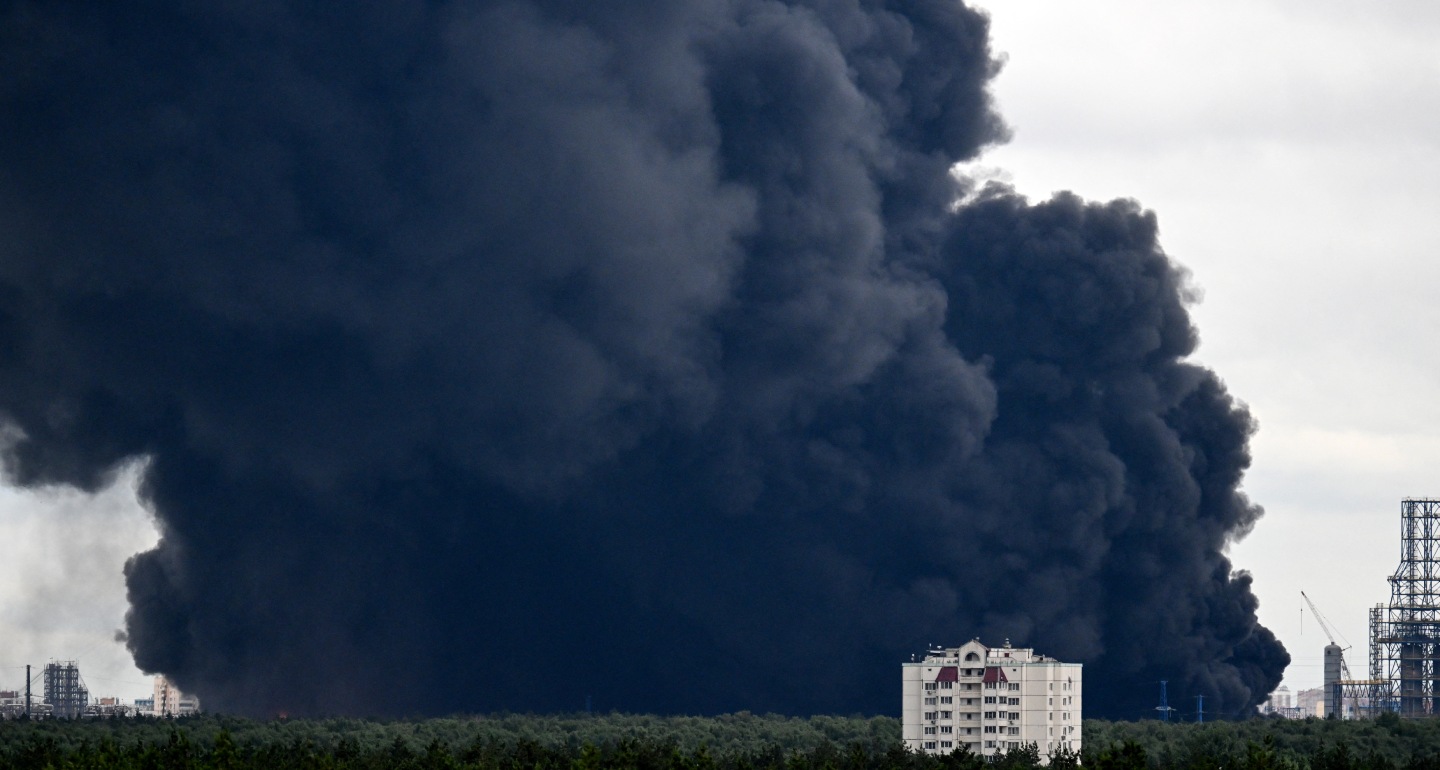
If it proves impossible for the Russian authorities to avoid a gasoline deficit, the question then becomes how they will organize the distribution of a scarce resource.

Sergey Vakulenko
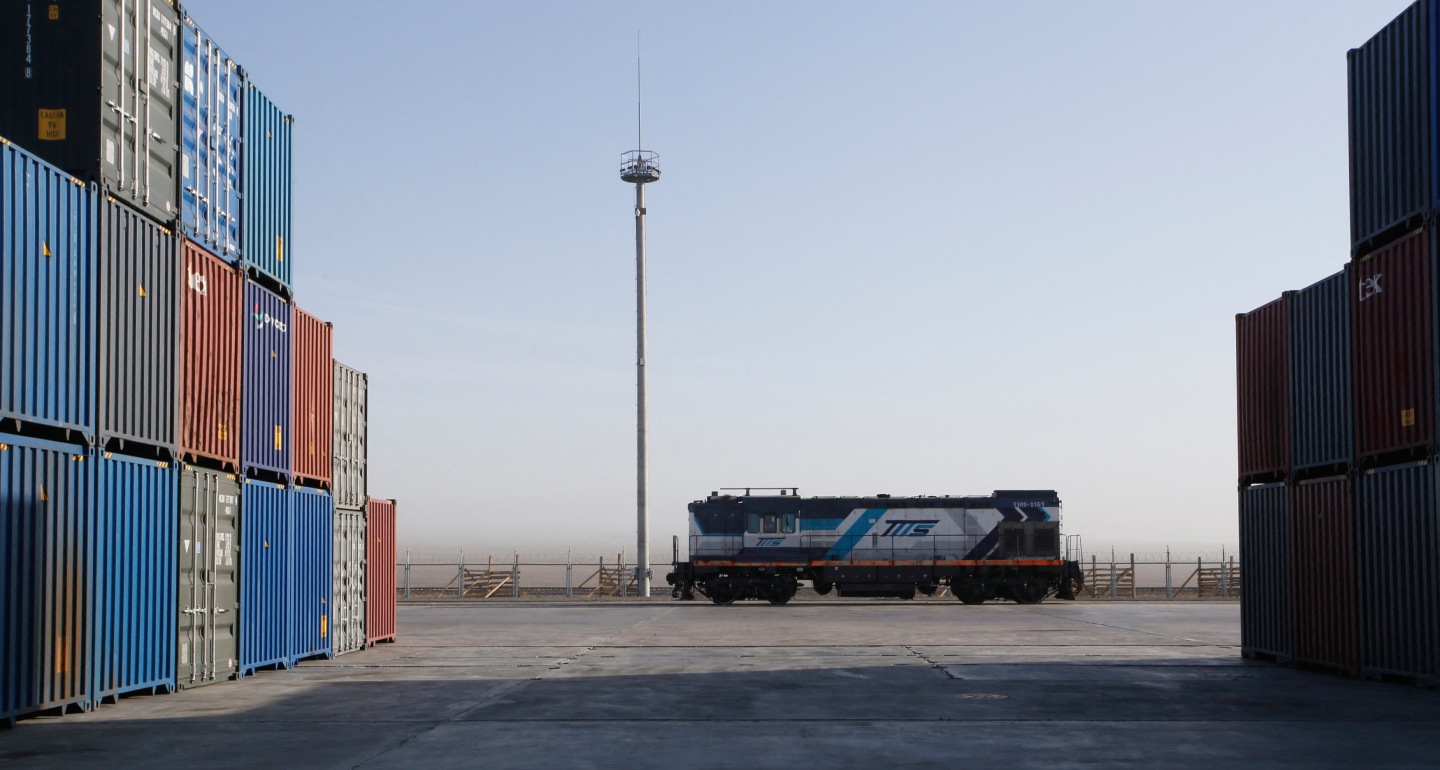
This year’s wars have made alternative routes to transit through Russia no less risky for Central Asian countries.

Galiya Ibragimova